

Best Glute Building Workout: Sculpt Stronger, Rounder Glutes Fast
Best Glute Building Workout
A strong, well-shaped set of glutes is more than just a fitness trend. Powerful glutes help you move better, lift heavier, and avoid injury. Whether your goal is a rounder backside, improved athletic performance, or better posture, building your glutes can transform your body and your confidence. But with so many workouts online, it’s hard to know what really works.
This guide is for anyone who wants a clear path to glute growth—from gym beginners to experienced lifters. You’ll discover the best exercises, how to put them together, and what mistakes to avoid. You’ll also learn how to train smart, not just hard, so you see results faster and stay motivated.
Let’s dive into the science of glute building, the top exercises, sample routines, and proven tips for success.
Why Glute Training Matters
Your glute muscles—gluteus maximus, gluteus medius, and gluteus minimus—are the largest and strongest muscles in your body. They are responsible for hip movement, balance, and stabilizing your lower back.
Benefits Of Strong Glutes
- Better Athletic Performance: Strong glutes drive power in running, jumping, and lifting.
- Reduced Back Pain: They support your spine and reduce stress on your lower back.
- Improved Posture: Good glutes keep your pelvis and hips in healthy alignment.
- Enhanced Appearance: Well-developed glutes shape your body and boost confidence.
- Injury Prevention: They stabilize your knees and hips, lowering your risk of injury.
Many people focus on glutes for looks, but the functional benefits are just as important. Weak glutes often lead to sore knees, a stiff back, and slow progress in sports or lifting.
The Science Behind Glute Growth
Muscle growth, or hypertrophy, happens when you challenge your muscles with enough resistance and variety. The glutes respond best to a mix of heavy compound lifts, isolation moves, and exercises in different directions.
Key Factors For Glute Hypertrophy
- Mechanical Tension: You need to use enough weight to stress the muscle.
- Metabolic Stress: Higher reps and short rest periods help create a “pump.”
- Muscle Damage: Controlled lowering (eccentric) increases muscle breakdown and rebuilding.
Research shows that glutes respond well to both heavy weights (6–8 reps) and moderate weights (10–20 reps). Variety is key—using hip thrusts, squats, and other moves to hit the muscle from different angles.
Non-obvious Insight: Glutes Like Frequency
Unlike smaller muscles, glutes can handle being trained 2–3 times per week. This helps you get more volume and practice without overtraining.
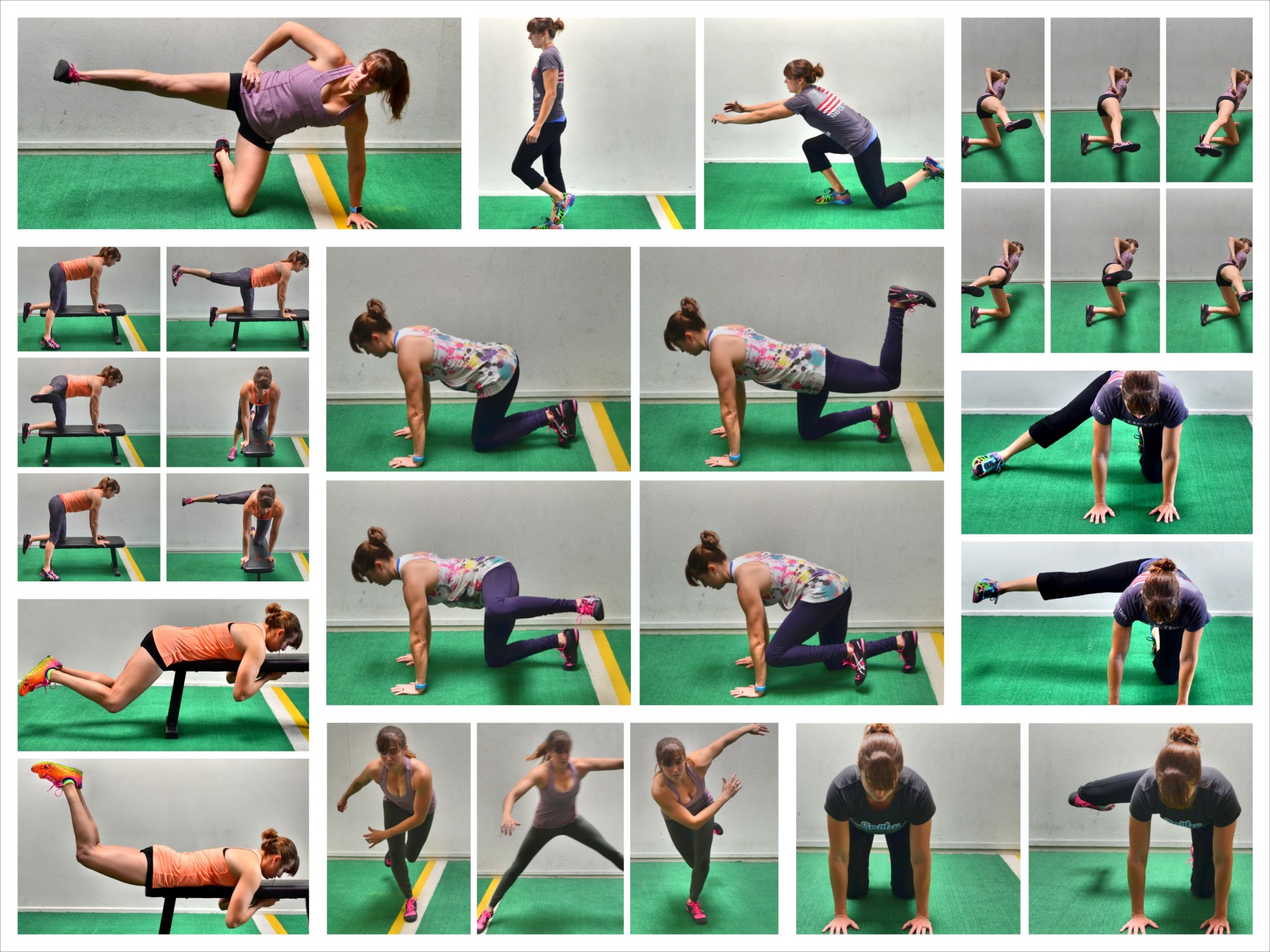
Credit: redefiningstrength.com
Anatomy Of The Glutes
Understanding how your glutes work helps you train them better. The three main muscles:
- Gluteus Maximus: Largest muscle, gives your butt its shape, extends the hip (moving your leg behind you).
- Gluteus Medius: Located on the side, helps move your leg outward and stabilize your pelvis.
- Gluteus Minimus: Deepest muscle, assists the medius in stabilization.
Most people undertrain the medius and minimus, leading to weak hips and less roundness. That’s why side-lying exercises and abduction moves are important.
Best Glute Building Exercises
Some exercises are simply better for glute growth. Here’s a mix of compound (multi-joint) and isolation (single-joint) moves, with tips for each.
1. Barbell Hip Thrust
The hip thrust is a glute-building superstar. It puts maximum tension on the glutes at the top of the movement.
- Sit on the floor with your upper back on a bench, barbell over your hips.
- Drive your feet into the ground, thrust hips up, and squeeze glutes.
- Lower with control.
Tip: Pause at the top for 2 seconds.
2. Romanian Deadlift (rdl)
This move stretches the glutes under load, which is great for growth.
- Stand with feet hip-width, barbell in hands.
- Hinge at hips, keeping back flat, lower bar to mid-shin.
- Push hips forward to stand up.
Tip: Focus on the stretch, not the weight.
3. Bulgarian Split Squat
Unilateral (single-leg) training builds balanced glutes and stability.
- Stand in front of a bench, one foot behind you.
- Lower your body until your front thigh is parallel.
- Drive through the heel to stand.
Tip: Slight forward lean increases glute work.
4. Glute Bridge
Like the hip thrust but with less range. Good for beginners or high reps.
- Lie on your back, feet flat, knees bent.
- Push through heels, lift hips, squeeze glutes.
Tip: Use a mini-band around knees for extra activation.
5. Squat (back Or Goblet)
Squats hit the glutes, quads, and core.
- Stand with feet shoulder-width, barbell on back or dumbbell at chest.
- Lower until thighs are parallel or below.
- Drive up through heels.
Tip: Wider stance and deeper squats target glutes more.
6. Cable Kickback
Isolation move for the glute maximus.
- Attach ankle strap to low cable.
- Stand tall, kick leg back, squeeze glute.
Tip: Don’t arch your back—focus on the glute.
7. Step-up
Mimics climbing stairs; builds power and shape.
- Step onto a bench or box with one leg.
- Drive through heel to stand tall.
Tip: Control the lowering phase.
8. Lateral Band Walk
Targets the glute medius and minimus.
- Place a mini-band above knees.
- Step side to side, keeping tension.
Tip: Don’t let knees cave in.
9. Frog Pump
High-rep burnout for glute maximus.
- Lie down, press soles of feet together, knees out.
- Thrust hips up, squeeze glutes.
Tip: Great as a finisher.
10. Single-leg Glute Bridge
Unilateral version for extra challenge.
- Lie on your back, one foot on ground, other leg straight.
- Lift hips, squeeze glutes.
Tip: Don’t let your hips dip.

Credit: www.youtube.com
Sample Glute Building Workout Routine
Here’s a sample 2-day-per-week glute-focused routine, suitable for most fitness levels. Adjust weight and reps to your ability.
| Exercise | Sets | Reps | Rest |
|---|---|---|---|
| Barbell Hip Thrust | 4 | 8–10 | 90 sec |
| Bulgarian Split Squat | 3 | 10–12 per leg | 60 sec |
| Romanian Deadlift | 3 | 8–10 | 90 sec |
| Lateral Band Walk | 2 | 15–20 steps | 30 sec |
| Frog Pump | 2 | 20–30 | 30 sec |
How To Progress
- Add weight when you complete all reps with good form.
- Add a set or reduce rest for more challenge.
- Switch up exercises every 6–8 weeks.
Home Glute Workout (no Equipment)
No gym? You can still grow your glutes at home. Use these bodyweight moves:
- Single-Leg Glute Bridge – 3 x 12 per leg
- Bodyweight Squat – 3 x 20
- Reverse Lunge – 3 x 12 per leg
- Frog Pump – 3 x 20
- Lateral Band Walk (if you have a band) – 2 x 20 steps
Repeat 2–3 times per week, increasing reps over time. Slow down each rep for a better muscle “burn. ”
Advanced Tips For Glute Growth
1. Mind-muscle Connection
Focus on squeezing your glutes during every rep. Don’t just move the weight—think about using your glutes to lift. Studies show this “internal focus” increases activation.
2. Exercise Variety
Don’t just hip thrust and squat. Use at least one exercise each for:
- Hip extension (hip thrust, bridge)
- Hip abduction (lateral band walk, clamshell)
- Hip external rotation (frog pump)
3. Full Range Of Motion
Go deep in squats, stretch at the bottom of deadlifts, and lock out hip thrusts. Partial reps build less muscle.
4. Nutrition Matters
You need protein to grow muscle. Aim for 0.7–1 gram per pound of body weight per day. Don’t be afraid of healthy carbs and fats—they help your body recover.
5. Rest And Recovery
Muscles grow when you rest. Sleep 7–9 hours per night and take at least one full rest day per week.
Common Glute Training Mistakes
Many people train glutes for months and see little change. Here’s what often goes wrong:
1. Not Using Enough Weight
If the last few reps aren’t challenging, you won’t grow. Choose a weight that makes the last rep hard but doable.
2. Ignoring Unilateral Exercises
Training both legs together hides weaknesses. Single-leg moves fix imbalances and improve results.
3. Bad Form
Letting your lower back arch or knees cave in shifts work away from your glutes. Keep your core tight and move with control.
4. Rushing Reps
Fast reps use momentum, not muscle. Slow down and focus on the squeeze.
5. Neglecting The Medius And Minimus
Only doing hip thrusts and squats misses the side glutes, leading to a flat look and weak hips.
6. Not Eating Enough
Muscle needs fuel. If you’re always dieting, your glutes won’t grow.
Comparing Top Glute Exercises
How do the top exercises compare for glute activation and results? Here’s what research and coaches say:
| Exercise | Glute Activation (High/Medium/Low) | Main Focus |
|---|---|---|
| Barbell Hip Thrust | High | Glute Maximus |
| Bulgarian Split Squat | High | Glute Maximus, Medius |
| Romanian Deadlift | Medium | Glute Maximus, Hamstrings |
| Squat | Medium | Quads, Glute Maximus |
| Lateral Band Walk | High | Glute Medius/Minimus |
| Frog Pump | Medium | Glute Maximus |
Non-obvious insight: The lateral band walk and Bulgarian split squat are underrated for building “side glute” roundness.
Sample Weekly Glute Training Schedule
To maximize growth, train glutes 2–3 times per week. Here’s a balanced sample for most people:
| Day | Focus | Sample Exercises |
|---|---|---|
| Monday | Strength | Barbell Hip Thrust, Squat, Lateral Band Walk |
| Wednesday | Volume | Romanian Deadlift, Bulgarian Split Squat, Frog Pump |
| Friday | Glute Burnout | Single-Leg Glute Bridge, Step-Up, Cable Kickback |
Tip: You can combine glute workouts with other muscle groups, but always start with your main glute moves when you are fresh.
Glute Training For Different Goals
For Strength
- Use heavier weights (6–8 reps)
- Focus on hip thrusts, squats, and deadlifts
- Rest 2–3 minutes between heavy sets
For Size (hypertrophy)
- Use moderate weights (8–15 reps)
- Mix compound and isolation moves
- Shorter rest (60–90 seconds)
For Endurance & Tone
- Lighter weights or bodyweight
- Higher reps (15–25)
- Short rest and more sets
Most people get the best results by mixing all three styles across a month.
How Long Until You See Results?
Glute growth takes patience. Most people start to see changes after 8–12 weeks of consistent training and nutrition. Visible results depend on your genetics, diet, and effort.
Hidden detail: The glutes are slow-growing compared to arms or calves. Don’t be discouraged if you don’t see instant changes—progress photos help track your journey.
Nutrition And Supplements For Glute Growth
Protein
Essential for muscle repair and growth. Try to eat lean meats, eggs, Greek yogurt, beans, or protein powder.
Carbohydrates
Fuel your workouts and help recovery. Choose whole grains, rice, fruit, potatoes.
Fats
Hormones need healthy fats. Include avocado, nuts, olive oil, fatty fish.
Supplements
Not required, but can help:
- Whey protein for easy protein boost.
- Creatine for strength and muscle gain.
- Vitamin D if you’re low.
Note: No supplement will work if you don’t eat enough real food and train hard.
For more in-depth advice, visit the Examine Nutrition Guide.
Glute Activation: Warming Up The Right Way
Before heavy sets, “wake up” your glutes so they do the work—not your back or quads.
Try this short warm-up:
- Clamshells – 2 x 15 per side
- Glute Bridge – 2 x 15
- Lateral Band Walk – 2 x 10 steps each way
These moves help you feel your glutes working, making your main lifts more effective.
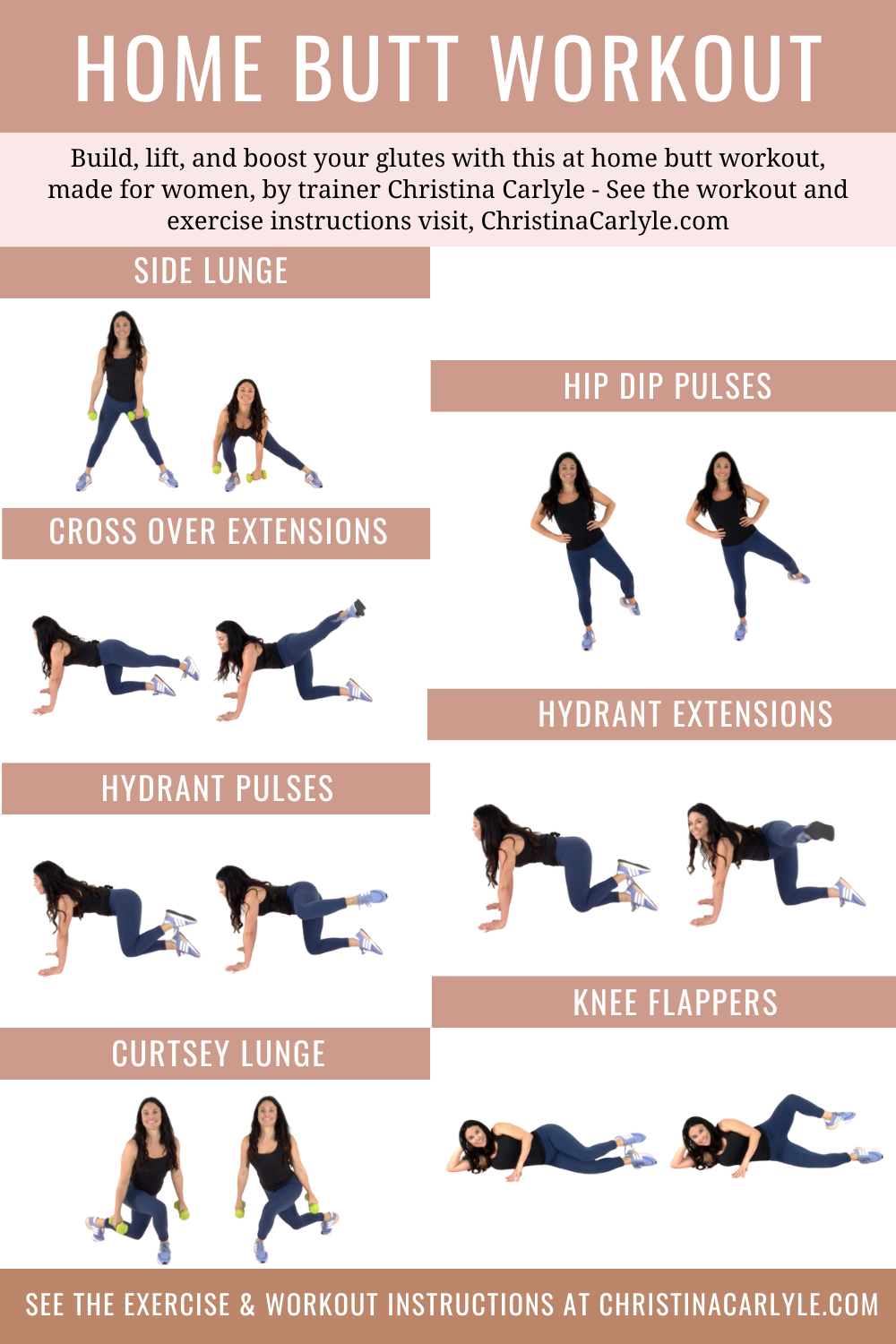
Credit: museosubmarinoabtao.com
Tracking Progress
Don’t just trust the mirror. Use these methods:
- Take weekly photos from different angles.
- Write down weights, sets, and reps.
- Measure your hips and thighs every month.
Unexpected tip: Sometimes the tape measure won’t move, but your shape will change. Clothes fit better, even if the scale is the same.
Glute Training For Women Vs. Men
Both men and women can use the same exercises. But women usually want roundness and lift, while men may focus more on strength. Women often respond better to higher reps, while men may do more heavy sets.
Both should use a mix of heavy lifts, moderate reps, and isolation moves for best results.
How To Avoid Plateaus
If your glutes stop growing, try these fixes:
- Increase total sets or reps each week.
- Change exercise order or type.
- Add pauses or slow negatives.
- Eat more calories if you’re too lean.
Surprise insight: Sometimes, resting more (or taking a deload week) helps your muscles recover and come back stronger.
Frequently Asked Questions
How Often Should I Train Glutes For Best Results?
Most people see the best results training glutes 2–3 times per week. This gives enough stimulation for growth, with time to recover. Make sure each workout has at least one heavy compound lift and one isolation move.
Can I Build Glutes Without Weights?
Yes, you can build glutes using bodyweight exercises like glute bridges, single-leg squats, and step-ups. Bands add extra challenge. However, progress will be slower compared to using weights. To keep growing, increase reps, slow down, or add bands for more resistance.
Why Don’t I Feel My Glutes Working During Squats Or Lunges?
Often, people use too much quad or back and not enough glute. Fix this by warming up with activation exercises (like clamshells), leaning forward slightly, and focusing on pushing through your heels. Lower the weight until you master the form.
Should I Do Cardio With Glute Training?
Yes, but don’t overdo it. Too much cardio can burn calories needed for muscle growth. Short, intense sessions (like hill sprints) can help build glutes and improve fitness, but keep most of your focus on strength training for growth.
How Important Is Diet For Glute Growth?
Diet is just as important as training. Without enough protein and calories, your glutes won’t grow, no matter how hard you work out. Eat balanced meals, include lean protein, and don’t be afraid of healthy carbs and fats.
Building your best glutes takes time, dedication, and smart choices. Use the exercises and tips here, track your progress, and adjust as you go. Soon, you’ll feel stronger, move better, and see the results you’ve been working for.
