

Workout for Upper Glute: Best Exercises for a Sculpted Butt
Workout For Upper Glute
Many people want strong, defined glutes. But often, workouts focus only on the lower or middle part of the glute. The upper glute is important too. This part gives your hips a round shape, lifts your butt, and improves movement. If you want your glutes to look fuller and feel stronger, training the upper glute is a must. Most beginners miss this area because they don’t know which exercises target it best.
Let’s explore how to build the upper glute with smart workouts, clear steps, and practical advice. You’ll learn which exercises work, how to do them correctly, and how to avoid common mistakes. Whether you’re a beginner or have some experience, this guide will help you get results and understand why each move matters.
Understanding The Upper Glute Muscles
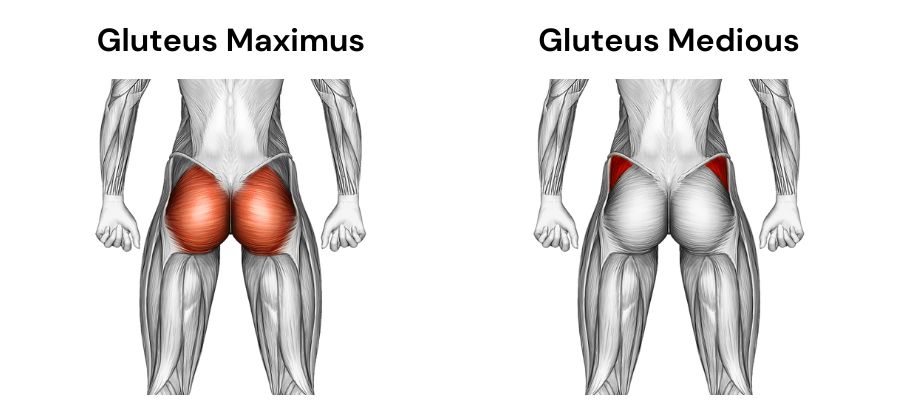
The glutes are made of three muscles: gluteus maximus, gluteus medius, and gluteus minimus. The upper glute is mainly the upper part of the gluteus maximus and the gluteus medius.
- Gluteus maximus: Largest muscle, shapes most of the butt
- Gluteus medius: Located on the side, lifts and rounds the upper glute
- Gluteus minimus: Smallest, supports hip movement
The upper glute helps with hip stability, balance, and movement. It also gives your butt a lifted look. Many popular exercises focus on the lower glute, like squats and lunges. But these don’t always activate the upper glute enough.
Why Target The Upper Glute?
- Better shape: Training this area creates a rounder, “bubble” shape.
- Improved strength: Strong upper glutes help with running, jumping, and daily movement.
- Prevents injury: Weak upper glutes can cause back, hip, or knee pain.
Many people do not realize that the upper glute is often the missing link for a balanced lower body. If your hips are flat or your glute lacks lift, focusing here can make a big difference.
Key Principles For Upper Glute Training
Before starting any workout, you need to know how to train the upper glute correctly. Here are core principles:
- Mind-muscle connection: Focus on feeling the upper glute work during each exercise.
- Angle and stance: Use moves that target the upper glute, often with a wider stance or sideways motion.
- Progressive overload: Increase weight or reps over time to grow muscle.
- Recovery: Muscles need rest to grow. Train upper glutes 2–3 times per week.
- Quality over quantity: Good form is more important than lots of reps.
Most beginners miss the mind-muscle connection. They let the thighs or lower glute take over. To fix this, slow down your reps and squeeze the upper glute at the top of each move.
Credit: www.hevyapp.com
Best Exercises For Upper Glute Activation
Let’s break down the most effective exercises. These moves target the upper glute directly and help you build muscle and strength.
1. Side-lying Hip Abduction
This simple exercise targets the gluteus medius. Lie on your side, lift your top leg, and focus on the upper glute.
- How to do it: Lie on your side, legs straight. Lift top leg up and slightly back. Pause, then lower.
- Tip: Don’t let your hips roll back. Keep the movement controlled.
2. Cable Abduction
Using a cable machine, you stand and move your leg to the side. This adds resistance for faster results.
- How to do it: Attach ankle strap. Stand sideways to cable. Lift leg outward, keeping upper glute tight.
- Tip: Start light. Focus on slow, steady movement.
3. Single-leg Glute Bridge
This move hits the upper glute by changing the angle. Lifting one leg puts more pressure on the targeted muscle.
- How to do it: Lie on back, knees bent. Lift one leg, push hips up, squeeze upper glute. Lower and repeat.
- Tip: Push through the heel, not the toes.
4. Bulgarian Split Squat (with Slight Forward Lean)
This variation shifts focus to the upper glute. The forward lean increases activation.
- How to do it: Stand in front of bench. Place one foot back on bench. Lean forward, lower into squat, then rise.
- Tip: Keep knee behind toes. Lean from hips, not the back.
5. Clamshell
Works the upper glute and hip muscles. Great for beginners.
- How to do it: Lie on side, knees bent. Keep feet together. Open knees like a shell, pause, lower.
- Tip: Use a resistance band for more challenge.
6. Standing Lateral Leg Raise
No equipment needed. Standing makes it easy to do anywhere.
- How to do it: Stand tall. Lift one leg out to side, pause, lower.
- Tip: Don’t swing leg. Move slow and controlled.
7. Hip Thrust (with Band Above Knees)
Regular hip thrusts work the lower glute. Adding a band targets the upper glute.
- How to do it: Sit against bench, band above knees. Feet flat, push hips up, knees out. Squeeze upper glute.
- Tip: Keep chin tucked for better form.
8. Lateral Step-up
Stepping up sideways targets the upper glute. This move is often missed in glute routines.
- How to do it: Stand sideways to bench. Step up with outer leg, push through heel, step down.
- Tip: Keep hips level. Don’t let knee cave in.
9. Curtsy Lunge
A twist on the standard lunge. The curtsy motion works the upper glute and side hip.
- How to do it: Stand tall. Step one leg behind and across, lower into lunge, return.
- Tip: Keep chest up. Don’t let front knee roll inward.
10. Monster Walk
This move uses a band to activate the upper glute. Walk sideways, keeping tension on the band.
- How to do it: Band above knees. Bend knees slightly. Step side to side, keeping band tight.
- Tip: Stay low. Don’t let band go slack.
Sample Upper Glute Workout Routine
Now let’s build a routine. This plan works for beginners and intermediate levels. Do this workout 2–3 times per week, with at least one day rest between sessions.
- Side-Lying Hip Abduction – 3 sets x 15 reps each leg
- Clamshell (with band) – 3 sets x 15 reps each side
- Bulgarian Split Squat (forward lean) – 3 sets x 12 reps each leg
- Cable Abduction or Standing Lateral Leg Raise – 3 sets x 12 reps each leg
- Hip Thrust (band above knees) – 3 sets x 15 reps
- Lateral Step-Up – 3 sets x 10 reps each leg
- Monster Walk – 2 sets x 20 steps
Rest: 60–90 seconds between sets.
Tip: If you don’t have a cable machine, use resistance bands. For more challenge, add light dumbbells to split squats or step-ups.
Comparing Upper Glute Exercises
Some exercises activate the upper glute more than others. Here’s a comparison based on muscle activation and ease for beginners.
| Exercise | Upper Glute Activation | Difficulty | Equipment Needed |
|---|---|---|---|
| Side-Lying Hip Abduction | High | Easy | None |
| Cable Abduction | Very High | Medium | Cable machine |
| Single-Leg Glute Bridge | Medium | Medium | None |
| Bulgarian Split Squat | Medium-High | Medium | Bench |
| Clamshell | High | Easy | Band optional |
| Standing Lateral Leg Raise | Medium | Easy | None |
| Hip Thrust (band) | Medium | Medium | Band, bench |
| Lateral Step-Up | High | Medium | Bench |
| Curtsy Lunge | Medium | Medium | None |
| Monster Walk | High | Easy | Band |
Beginners should start with bodyweight moves, then add resistance as they improve. For fastest progress, combine 2–3 high activation exercises per session.
Progression: How To Get Results Faster
Just doing exercises isn’t enough. You must progress over time. Here’s how to make your upper glute workouts more effective:
- Increase resistance: Add heavier bands or weights as you get stronger.
- Add more reps: Start with 10–12 reps, aim for 15–20 as you improve.
- Change angles: Try new variations to hit the muscle differently.
- Track your workouts: Write down sets, reps, and weights. See your progress.
Practical Example
If you start with side-lying hip abduction using bodyweight, add a band after 2–3 weeks. If you can do 15 reps easily, add more reps or use a thicker band.
One insight many people miss: progress comes from small changes. Increasing resistance by just 10% can lead to more growth than doubling reps with light weight.
Common Mistakes In Upper Glute Training
Most people make mistakes that slow their results. Here are the most frequent errors and how to fix them:
- Letting the thighs take over: Focus on squeezing the upper glute. Don’t let the quadriceps or hamstrings do the work.
- Not using full range of motion: Move through the complete range. Going halfway reduces muscle activation.
- Poor form: Don’t rush. Keep hips stable and knees aligned.
- Skipping recovery: Muscles need rest. Training every day slows growth.
- Neglecting variety: Doing the same exercise every session leads to plateaus.
Many beginners don’t realize that changing angles and adding bands can wake up “sleeping” upper glute muscles. If you feel only your thighs or lower glute, try slowing down your reps and focusing on the squeeze.
How Diet Supports Upper Glute Growth
Exercise is only half the battle. Nutrition matters too. To build the upper glute, you need enough protein, calories, and healthy fats.
- Protein: Repairs and builds muscle. Aim for 0.7–1 gram per pound of bodyweight daily.
- Healthy fats: Support hormone health. Choose nuts, avocado, and olive oil.
- Carbohydrates: Give energy for workouts. Include rice, potatoes, and oats.
If you want to see results, don’t skip meals. Many people miss the importance of protein after workouts. Try to eat a protein-rich snack within 30 minutes after training.
Example High-protein Snack
- Greek yogurt with berries
- Protein shake with banana
- Tuna salad with olive oil
Tracking Progress: What To Look For
Building the upper glute takes time. You need to measure your progress to stay motivated.
- Take photos: Every 2–4 weeks, take pictures from the side and back.
- Measure hips: Use a soft tape to measure at the widest part.
- Strength gains: Write down how much weight or resistance you use.
One non-obvious insight: sometimes the upper glute grows before you see it in the mirror. Look for improved balance, easier movement, and better posture as early signs.
Advanced Upper Glute Training Techniques
Once you master basic exercises, you can use advanced methods for faster results.
Drop Sets
Do a set with heavy resistance, then reduce the weight and keep going. This overloads the muscle and helps it grow.
- Example: Do 12 reps with heavy band, then 8 more with lighter band.
Supersets
Combine two moves back-to-back with no rest. This saves time and increases muscle activation.
- Example: Side-lying hip abduction + monster walk.
Tempo Training
Slow down your reps. Spend 2–3 seconds lifting, 2 seconds lowering. This increases time under tension.
- Example: Bulgarian split squat with slow lowering.
Comparison Of Advanced Techniques
Here’s how each method affects upper glute development:
| Technique | Muscle Activation | Fatigue Level | Best For |
|---|---|---|---|
| Drop Sets | Very High | High | Intermediate/Advanced |
| Supersets | High | Medium | All levels |
| Tempo Training | Medium-High | Medium | All levels |
If you’re new to advanced methods, start with supersets or tempo training. Drop sets are better for those with experience.
How Often Should You Train Upper Glute?
You need enough frequency to see results but not so much that you burn out. Most experts recommend:
- 2–3 times per week
- At least 48 hours rest between sessions
Training every day can lead to fatigue and slow progress. Rest days allow the muscle to grow. If you feel sore, take an extra rest day.
Choosing Equipment For Upper Glute Workouts
You don’t need a gym to build your upper glute. Many exercises use bodyweight or simple tools.
Equipment Options
- Resistance bands: Cheap, easy to use, great for abductions and monster walks.
- Dumbbells: Add weight to split squats and step-ups.
- Bench or sturdy chair: Needed for hip thrusts, Bulgarian split squats, step-ups.
- Cable machine: Offers more resistance for abductions.
| Equipment | Advantages | Best Use |
|---|---|---|
| Resistance bands | Portable, affordable | Abductions, monster walks |
| Dumbbells | Easy to add resistance | Split squats, step-ups |
| Bench | Needed for hip thrusts | Hip thrusts, split squats |
| Cable machine | Precise resistance | Cable abductions |
If you train at home, start with bands and a chair. For gym workouts, add cable machine moves for faster progress.

Credit: www.threads.com
How To Prevent Plateaus
After a few months, progress may slow down. This is called a plateau. To avoid it:
- Change exercises: Try new moves every 4–6 weeks.
- Increase resistance: Use heavier bands or weights.
- Add advanced techniques: Use supersets, drop sets, or tempo training.
- Track progress: Write down numbers to spot slowdowns.
One tip: Don’t switch everything at once. Change one thing, then track your results.
Practical Tips For Best Results
Here are some insights most beginners overlook:
- Warm up properly: Do light cardio and dynamic stretching before workouts.
- Focus on quality: Good form beats high reps.
- Stay hydrated: Water helps muscles recover.
- Listen to your body: If you feel pain (not soreness), stop and check your form.
Another non-obvious insight: many people skip warm-ups, which leads to poor activation and higher injury risk. Even five minutes of dynamic moves can boost your results.

Credit: www.sekompos.com
How Upper Glute Training Improves Daily Life
Building the upper glute isn’t just about looks. It helps in many ways:
- Better posture: Strong upper glutes support your spine.
- Less back pain: Weak glutes make the back work harder.
- Improved sports performance: Helps with running, jumping, and changing direction.
- Balance and stability: Makes walking and standing easier.
If you notice better balance, easier movement, or less pain, it’s a sign your upper glute is getting stronger—even if you don’t see visible changes yet.
Frequently Asked Questions
What Is The Upper Glute And Why Should I Train It?
The upper glute includes the upper part of the gluteus maximus and the gluteus medius. Training this area shapes your hips, lifts your butt, and improves movement. It also helps prevent injuries and supports better posture.
How Often Should I Work Out My Upper Glute?
Most experts recommend 2–3 times per week. Rest at least 48 hours between sessions. This gives muscles time to recover and grow.
Which Exercise Is Best For Upper Glute Activation?
Cable abduction and side-lying hip abduction are top choices. They target the upper glute directly. Using bands or cables increases muscle activation.
Can I Train Upper Glute At Home?
Yes. Many exercises use bodyweight or resistance bands. You can do side-lying hip abductions, clamshells, monster walks, and standing lateral leg raises at home without equipment.
What Should I Eat To Support Upper Glute Growth?
Eat enough protein, healthy fats, and carbohydrates. Good options include eggs, chicken, Greek yogurt, nuts, and rice. Try to eat a protein-rich snack after workouts to help muscles recover.
Building the upper glute takes patience and smart training. By focusing on the right exercises, tracking your progress, and avoiding common mistakes, you can see real changes. If you want more information about glute training and anatomy, check out this Wikipedia page for extra details.
Remember, strong upper glutes help you look better, move better, and feel better. Start your workouts today—and soon, you’ll notice the difference in your shape, strength, and confidence.
