

At Home Glute And Leg Workout: Sculpt Stronger Legs Fast
A strong lower body is not just about looks. Your glutes and legs are the powerhouses that support movement, balance, and daily life. You don’t need a gym, fancy equipment, or even much space to make them stronger. You can train right where you are—at home—with just your body weight or simple items you already have.
This guide will show you how to build muscle, boost your confidence, and feel better every day, all from your living room.
Many people think home workouts are less effective than those in the gym. That’s not true. If you choose smart exercises, use good form, and stay consistent, you can get amazing results. This article will explain the best at-home glute and leg exercises, how to build a routine, tips for faster progress, common mistakes to avoid, and how to keep your workouts interesting.
Why Train Glutes And Legs At Home?
Strong legs and glutes do much more than help you look good in jeans. They are the foundation of your body. They support your back, help with posture, improve sports performance, and even make daily tasks like walking, lifting, and climbing stairs easier.
Weak lower body muscles often lead to injuries or pain, especially in the knees and back.
Working out at home saves time and money. No need to drive to the gym or wait for machines. You can train in private and fit your workout into your schedule. Home workouts also help you build self-discipline. Plus, you can adjust them to your own level and needs.
The Science Of Glute And Leg Training
Your lower body has some of the largest muscles in your body. The gluteus maximus, quadriceps, hamstrings, and calves are responsible for most lower body movement. Working these muscles boosts your metabolism because bigger muscles burn more calories, even when you’re resting.
Research shows that bodyweight exercises can be just as effective as weight training for building strength, especially for beginners. The key is to challenge your muscles by increasing difficulty—doing more reps, adding variations, or using household items for resistance.
Here’s a quick look at the main muscles worked in glute and leg exercises:
| Muscle Group | Main Function | Common Exercises |
|---|---|---|
| Glutes | Hip extension, rotation | Bridges, lunges, hip thrusts |
| Quadriceps | Knee extension | Squats, step-ups |
| Hamstrings | Knee flexion, hip extension | Deadlifts, bridges |
| Calves | Plantarflexion (toe raise) | Calf raises |
| Adductors/Abductors | Leg movement side-to-side | Side lunges, clamshells |
Essential At-home Glute And Leg Exercises
Let’s look at the best exercises you can do without special equipment. These moves target all parts of your lower body and can be made harder as you get stronger.
1. Bodyweight Squats
Why it works: Squats are a classic move for strong legs and glutes. They work your quads, hamstrings, and glutes at the same time.
How to do it: Stand with feet shoulder-width apart, toes slightly out. Lower your body as if sitting in a chair, keeping your chest up and knees tracking over toes. Go as low as you can, then push back up through your heels.
Pro tip: Pause at the bottom for two seconds to make it harder.
2. Glute Bridges
Why it works: This move targets your glutes directly and also works your hamstrings.
How to do it: Lie on your back with knees bent, feet flat on the floor, arms at your sides. Push through your heels to lift your hips up, squeezing your glutes at the top. Lower back down.
Pro tip: To increase the challenge, lift one foot off the ground (single-leg bridge).
3. Reverse Lunges
Why it works: Lunges build balance, coordination, and single-leg strength. They work your glutes, quads, and hamstrings.
How to do it: Stand tall, step one foot back and lower your body until both knees are bent at 90 degrees. Push through your front heel to return to start.
Pro tip: Hold light weights (water bottles) for extra resistance.
4. Bulgarian Split Squats
Why it works: This tough move isolates one leg at a time. It’s great for balance and building muscle.
How to do it: Stand a few feet in front of a chair or low table. Place one foot behind you on the chair. Lower your back knee toward the ground, keeping your front knee above your ankle.
Pro tip: Don’t let your front knee go past your toes.
5. Step-ups
Why it works: Step-ups mimic real-life movement and target your glutes and quads.
How to do it: Use a sturdy chair or step. Step up with one foot, press through your heel, and bring your other foot up to meet it. Step down and repeat.
Pro tip: The higher the step, the harder the move.
6. Wall Sits
Why it works: Wall sits build endurance in your quads and glutes.
How to do it: Lean against a wall, slide down until your knees are at 90 degrees, and hold the position.
Pro tip: Try to hold for 30 seconds, then work up to a minute or more.
7. Hip Thrusts
Why it works: Like glute bridges, but you raise your back on a couch or bench, allowing for a bigger range of motion.
How to do it: Sit with your upper back on a couch edge, feet flat on the floor. Push your hips up, squeeze your glutes, then lower down.
Pro tip: Add a backpack with books on your hips for extra resistance.
8. Sumo Squats
Why it works: The wide stance targets your inner thighs (adductors) along with glutes.
How to do it: Stand with feet wider than hip-width, toes turned out. Squat down, keeping your back straight.
Pro tip: Hold a heavy household object (like a gallon of water) for more challenge.
9. Single-leg Romanian Deadlifts
Why it works: This move improves balance and targets your hamstrings and glutes.
How to do it: Stand on one leg. Lean forward at the hips, keeping your back straight, and reach toward the floor. Return to standing.
Pro tip: Keep your hips square to avoid twisting.
10. Calf Raises
Why it works: Strong calves help with stability and power.
How to do it: Stand tall, push up onto your toes, then lower down slowly.
Pro tip: Do them on a step for a deeper stretch.
Building Your At-home Glute And Leg Workout Routine
A good routine should fit your goals, schedule, and fitness level. Here’s a simple way to structure your workouts for the best results.
How Often To Train
For most people, 2–3 times per week is ideal for lower body training. This gives your muscles time to recover and grow. You can do a full glute and leg workout, or mix these exercises into your regular routine.
Sample Beginner Routine
- Bodyweight Squats – 3 sets of 12–15 reps
- Glute Bridges – 3 sets of 12–15 reps
- Reverse Lunges – 3 sets of 10 reps per leg
- Wall Sits – 3 sets of 30 seconds
- Calf Raises – 3 sets of 15–20 reps
Rest 60 seconds between sets.
Intermediate Routine
- Bulgarian Split Squats – 3 sets of 10 reps per leg
- Hip Thrusts – 3 sets of 12 reps
- Step-Ups – 3 sets of 12 reps per leg
- Sumo Squats – 3 sets of 15 reps
- Single-Leg Romanian Deadlifts – 3 sets of 10 reps per leg
Rest 45 seconds between sets.
Advanced Routine
If you’ve mastered the basics, increase intensity by:
- Adding pulses at the bottom of each squat or lunge
- Using a backpack with books for added weight
- Slowing down the lowering (eccentric) phase of each rep
- Doing supersets (two exercises back-to-back)
Example:
- Bulgarian Split Squats + Single-Leg Romanian Deadlifts – 3 sets each, no rest between
- Hip Thrusts + Sumo Squats – 3 sets each
Progression: How To Get Stronger Over Time
Your body adapts quickly. To keep seeing results, increase the challenge. Here are practical progression methods:
| Progression Method | How to Apply | Result |
|---|---|---|
| Increase Reps | Add 2-5 more reps per set | Builds muscle endurance |
| Add Weight | Hold heavy objects (backpack, water jugs) | Builds strength, muscle |
| Decrease Rest | Shorten rest between sets (30-45 sec) | Improves stamina |
| Change Tempo | Slow down each rep, especially lowering phase | Increases muscle tension |
| Try Unilateral Moves | Single-leg exercises | Fixes imbalances, boosts difficulty |
Equipment Alternatives: Using What You Have
You don’t need dumbbells or resistance bands to train your glutes and legs. Everyday items can work just as well.
- Backpack: Fill it with books for added weight in squats, lunges, or hip thrusts.
- Water bottles/jugs: Use them as makeshift dumbbells.
- Chairs: Perfect for step-ups, Bulgarian split squats, or hip thrusts.
- Towels: Place under your feet for sliding hamstring curls on hard floors.
- Stairs: Use for calf raises or step-up variations.
Non-obvious insight: Many people forget about towel slides for hamstring curls, which are highly effective and feel much harder than they look.
Common Mistakes To Avoid
Even at home, form matters. These errors can slow progress or cause injury:
- Letting knees cave in during squats or lunges.
- Keep knees in line with toes.
- Not going deep enough in squats.
- Aim for thighs at least parallel to the floor.
- Using only one exercise for glutes.
- Combine hip extension moves (bridges, thrusts) and squats/lunges.
- Skipping warm-up and cool-down.
- Warm up with 5 minutes of light cardio and dynamic stretches.
- Progressing too fast.
- Master form before adding weight or advanced moves.
A hidden mistake: Many beginners hold their breath during reps. Remember to breathe out as you push or lift, and in as you lower.
Warming Up And Cooling Down
Never skip warm-ups or cool-downs. They prepare your body, reduce injury risk, and help with recovery.
Warm-up (5-7 Minutes)
- March in place or jog lightly
- 20 bodyweight squats
- 10 lunges per leg
- 20 jumping jacks
- Hip circles
Cool-down (5 Minutes)
- Gentle quad stretch (hold each side 20–30 seconds)
- Hamstring stretch
- Glute stretch (lying or seated)
- Calf stretch
- Deep breathing
How To Stay Motivated With At-home Workouts
Staying consistent at home can be tough. Here are proven tips to keep going:
- Set a schedule: Treat your workout like a meeting. Block time on your calendar.
- Track your progress: Write down your sets, reps, and how you feel.
- Use music: Upbeat songs can boost energy and focus.
- Find a workout buddy: Invite a friend or family member to join you, even virtually.
- Change things up: Try new exercises or routines every few weeks to avoid boredom.
Surprising insight: Many people find taking a quick video of their workouts motivates them to keep improving, even if they never share it.

Credit: www.trailscouncil.org
Adapting Workouts For Different Goals
People have different reasons for working out. You may want to build muscle, get stronger, lose fat, or improve endurance. Here’s how to adjust your routine for your main goal.
Building Muscle
- Focus on slower reps (3 seconds down, 1 second up)
- Do 8–15 reps per set
- Add extra resistance whenever possible
Fat Loss
- Shorten rest between sets (30–45 seconds)
- Add exercises back-to-back (circuits or supersets)
- Include some cardio moves (like jump squats or mountain climbers)
Strength And Power
- Use explosive moves like jump squats or jumping lunges
- Do fewer reps (6–10) but focus on maximum effort
- Rest longer between sets (60–90 seconds)
Endurance
- Higher reps (15–25)
- Shorter rest (20–30 seconds)
- Longer sessions (30–45 minutes)
Tracking Your Progress
If you don’t track your progress, it’s hard to know if you’re improving. Simple methods work best:
- Notebook or app: Write down exercises, sets, reps, and added weight.
- Photos: Take a progress photo every 2–4 weeks.
- Fit test: Time how long you can hold a wall sit or how many squats you can do in 1 minute.
- Measurements: Track thigh, hip, and waist measurements monthly.
Non-obvious insight: Tracking how your clothes fit (not just the scale) often shows progress you might otherwise miss.
Nutrition Tips For Stronger Glutes And Legs
Exercise is only half the story. Your muscles need the right fuel to grow and recover.
- Protein: Aim for a serving of protein (chicken, fish, beans, tofu) with every meal.
- Carbs: Whole grains, fruits, and vegetables give you energy to train hard.
- Healthy fats: Include nuts, seeds, and olive oil for joint health.
- Hydration: Drink water before, during, and after workouts.
Don’t fall into the beginner trap of eating too little. Your body needs calories to build muscle, especially if you’re training hard.
Keeping Your Workouts Interesting
Boredom can kill motivation. Mix things up with these ideas:
- Try new variations: Sumo squats, jumping lunges, pistol squats.
- Add mini-circuits: Do 3–4 exercises back-to-back, rest, repeat.
- Follow an online video: There are many free, high-quality routines online.
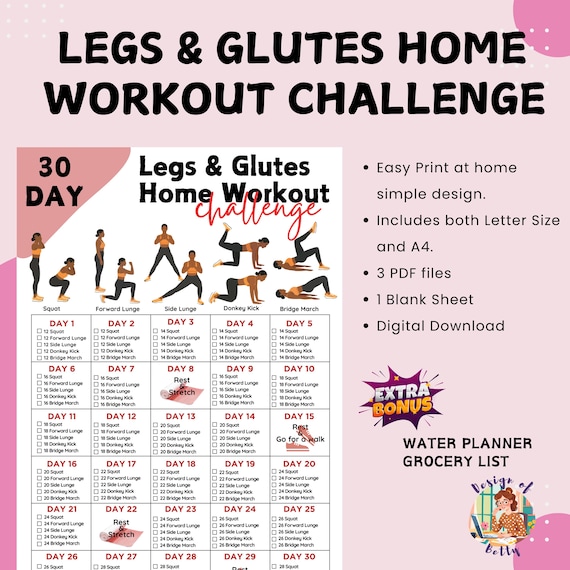
- Set a challenge: For example, a 30-day squat challenge or increasing your wall sit time each week.
One overlooked idea: Try changing the order of exercises every few weeks. It can make even familiar moves feel fresh and more challenging.
Credit: www.etsy.com
When To Add Equipment
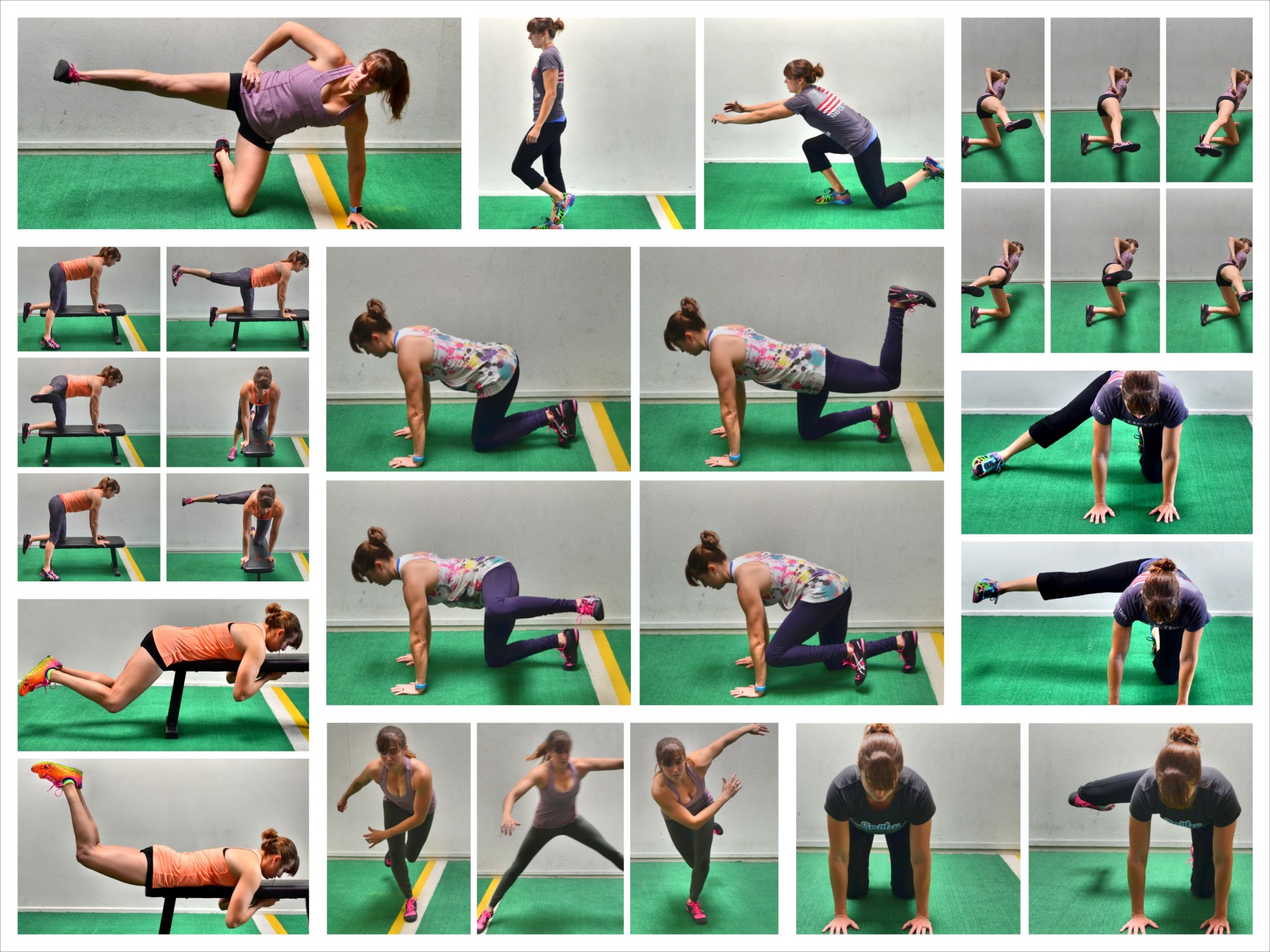
Bodyweight exercises work well, but after a few months you may want more challenge. Consider simple equipment:
- Resistance bands: Cheap, take up little space, and add extra tension.
- Dumbbells or kettlebells: For those who want to keep progressing at home.
- Sliders: For hamstring curls and lunges on hard floors.
If you buy one thing, resistance bands offer the most variety for the lowest price.
Safety Tips For At-home Training
Exercising at home is usually safe, but keep these points in mind:
- Clear your workout space to avoid tripping.
- Make sure chairs or steps are stable before using them.
- Wear shoes for better grip and support.
- Stop if you feel sharp pain (not normal muscle soreness).
- Listen to your body and rest when needed.
If you have a medical condition or injury, check with a professional before starting a new program.
Credit: www.afvt.org
Example 4-week At-home Glute And Leg Workout Plan
To help you get started, here’s a sample four-week plan. Adjust reps, sets, and rest based on your level.
| Week | Day 1 | Day 2 | Day 3 |
|---|---|---|---|
| 1 | Squats: 3x12 Glute Bridges: 3x15 Lunges: 3x10/leg Wall Sit: 3x30s |
Step-Ups: 3x12/leg Sumo Squats: 3x15 Calf Raises: 3x20 |
Repeat Day 1 or Day 2 |
| 2 | Bulgarian Split Squats: 3x10/leg Hip Thrusts: 3x12 Single-Leg Deadlifts: 3x10/leg |
Sumo Squats: 4x12 Step-Ups: 3x15/leg Wall Sit: 4x40s |
Repeat Day 1 or Day 2 |
| 3 | Squats: 4x15 Glute Bridges: 4x15 Lunges: 4x12/leg |
Hip Thrusts: 4x12 Calf Raises: 4x20 Sumo Squats: 4x15 |
Repeat Day 1 or Day 2 |
| 4 | Bulgarian Split Squats: 4x12/leg Step-Ups: 4x12/leg Wall Sit: 4x45s |
Single-Leg Deadlifts: 4x10/leg Hip Thrusts: 4x15 Sumo Squats: 4x15 |
Repeat Day 1 or Day 2 |
Adjust intensity or repetitions to fit your level. After four weeks, revisit your progress and update your routine.
Frequently Asked Questions
How Long Does It Take To See Results From Glute And Leg Workouts At Home?
Most people notice changes in strength and endurance within 2–4 weeks. Visible changes in muscle shape or size can take 8–12 weeks, depending on your routine, diet, and genetics. The key is consistency—stick with your plan and track your progress.
Can I Build Muscle In My Glutes And Legs Without Weights?
Yes, you can. Bodyweight exercises, when done correctly and with progression, stimulate muscle growth. Using household items for resistance or increasing reps and sets helps. As you advance, adding equipment like resistance bands speeds up progress.
How Many Times A Week Should I Train My Glutes And Legs?
Training 2–3 times per week is ideal for most people. This gives your muscles time to recover and grow. If you’re more advanced, you might train more often, but always listen to your body and avoid overtraining.
What If I Have Knee Pain During Squats Or Lunges?
First, make sure your form is correct—knees should not go far past your toes, and your weight should be in your heels. Sometimes, lowering the range of motion or choosing alternative exercises (like glute bridges or wall sits) helps. If pain continues, consider seeing a physical therapist.
Where Can I Find More At-home Workout Ideas?
There are many reliable sources online, including free video workouts and articles. For example, the ACE Fitness Exercise Library offers clear instructions and images.
Staying active at home is possible and rewarding. With these tips, exercises, and routines, you can build strong, powerful legs and glutes—no gym needed. Start today, and let your results speak for themselves.
