

Why Are Gym Clothes Tight? Benefits and Science Explained
Why Are Gym Clothes Tight
Choosing the right gym clothes is not just about style. When you walk into any gym, you’ll see most people wearing tight workout clothes—from leggings and compression shirts to fitted shorts and tank tops. This isn’t just a fashion trend. There are practical, scientific, and psychological reasons why most gym clothes are designed to fit close to the body. If you’ve ever wondered why gym clothes are tight, or if you’ve felt unsure about wearing them yourself, you’re not alone. Understanding the logic behind these garments can help you feel more confident and make smarter choices for your workouts.
In this article, you’ll discover the real reasons behind tight gym wear. We’ll break down how tight clothing helps with performance, comfort, and safety. You’ll see the differences between loose and tight gear, get insights on the materials used, and learn about the history and psychology of gym fashion.
We’ll also address common concerns and give you practical advice for finding the right fit for your own body.
What Makes Gym Clothes Tight?
When we talk about tight gym clothes, we mean garments that fit closely against the body, often using elastic or stretchable materials. This includes compression leggings, fitted tops, sports bras, and shorts that hug the muscles. These clothes are usually made from synthetic fabrics such as polyester, nylon, and spandex. Such materials are chosen because they offer a mix of stretch, durability, and moisture control.
Tight gym wear is not just about size. It’s about the design and the properties of the fabric. Brands use special stitching and tailoring to make sure the clothes move with you, not against you. For example, a pair of leggings may have a high waistband and extra panels around the knees for flexibility.
The goal is to give you a “second skin” feeling, so you can focus on your exercise without distractions.
Performance Benefits Of Tight Gym Wear
Improved Muscle Support
One of the main reasons gym clothes are tight is for muscle support. Compression fabrics gently squeeze the muscles, which can reduce small vibrations as you move. This can help with muscle stability, especially during activities like running, squats, or high-intensity training. Less vibration means less muscle fatigue over time, which could help you exercise longer or recover faster.
Better Blood Flow
Tight gym clothes can also help with blood circulation. Compression gear is designed to apply gentle pressure on the limbs, which can improve blood flow back to the heart. This is especially helpful in lower body garments like tights or socks. Better blood flow means more oxygen to the muscles, which may reduce the risk of cramps and speed up recovery after a workout.
Enhanced Movement And Flexibility
Loose clothing can get in the way or catch on equipment. Tight gym wear follows your body’s movements exactly, so you have full range of motion. Whether you’re stretching, lifting, or jumping, you don’t have to worry about extra fabric bunching up or sliding out of place.
This is one reason why dancers, gymnasts, and athletes in many sports prefer fitted clothes.
Reduced Chafing And Friction
When you move a lot, skin-to-skin and fabric-to-skin friction can cause chafing. Tight gym clothes are designed to stay in place, reducing the chances of rubbing and irritation. Seamless designs and flatlock stitching also help prevent discomfort during long or intense workouts.
Credit: www.veilgarments.com
Moisture Control And Temperature Regulation
Sweat-wicking Technology
Most tight gym clothes are made from moisture-wicking materials. These fabrics pull sweat away from your skin and move it to the outside of the garment, where it can evaporate quickly. This keeps you dry and comfortable, even during heavy exercise.
For example, a fitted polyester shirt can absorb sweat and dry much faster than a loose cotton T-shirt. Staying dry helps you avoid chills and keeps your skin healthy, especially during long workouts.
Temperature Control
Tight gym clothes can help regulate your body temperature in two ways:
- In cold conditions, they trap a thin layer of air close to your skin, helping you stay warm.
- In hot conditions, they allow sweat to evaporate quickly, helping you cool down.
Some brands offer tight gym wear with special ventilation panels or mesh zones to increase airflow. This makes it easier to manage your body heat, so you don’t overheat or feel too cold.
Safety And Injury Prevention
Preventing Snagging And Accidents
Loose clothes can get caught on gym equipment, weights, or even your own body. Tight gym wear reduces the risk of snagging, which can help prevent accidents and injuries. For example, a loose shirt might catch on a barbell during a bench press, but a fitted top stays flat and secure.
Supporting Joints And Muscles
Compression clothing can offer gentle support to joints like knees, elbows, and ankles. This is why many athletes wear compression sleeves or tights during training and competition. The extra support can help stabilize joints during repetitive or high-impact movements, reducing the risk of strains.
Quick Injury Detection
Tight clothes make it easier to spot bruises, swelling, or changes in your muscles after a workout. If you hurt yourself, you’re more likely to notice it early and take action before the problem gets worse.
Psychological And Social Factors
Boosting Confidence
Wearing tight gym clothes can make many people feel more confident. When you see your muscles working in the mirror, it gives you instant feedback and motivation. This is called the “enclothed cognition” effect—your clothing can change how you feel and perform.
For some, tight gym wear highlights their hard work and progress, making them proud of their bodies. For others, it’s about blending in—since most people at the gym wear similar styles, you might feel more comfortable in the crowd.
Focusing On Form
Tight clothes let you see your body’s alignment and posture easily. This is important for exercises like yoga, pilates, or weightlifting, where form matters. You can quickly spot mistakes and correct them, reducing your risk of injury and improving your technique.
Group Identity And Motivation
Gym culture often has a “uniform. ” When you put on tight gym wear, you may feel like part of the fitness community. This sense of belonging can motivate you to keep going, especially when you see others working hard around you.
Evolution Of Gym Fashion
From Cotton To Compression
Gym clothes have changed a lot over time. In the past, people wore loose cotton shirts and sweatpants. These absorbed sweat, got heavy, and didn’t offer much support. As exercise science improved, brands started making fitted clothes from new materials like spandex and technical polyester.
The shift to tight gym wear happened as research showed the benefits of compression and moisture control. Fashion trends also played a role, with athletic brands promoting sleek, body-hugging designs.
Influence Of Sports And Pop Culture
Athletes and celebrities have influenced gym fashion. When famous sprinters, football players, and movie stars wore compression gear, the public followed. Today, brands compete to offer the best-looking and most functional tight gym clothes.
Materials Used In Tight Gym Wear
Understanding the materials behind tight gym clothes helps explain their popularity. Here are the most common fabrics:
- Polyester: Lightweight, durable, and quick-drying. Often blended with other fibers for extra stretch.
- Spandex (Elastane/Lycra): Extremely stretchy and returns to its original shape. Provides the “snap back” feel in leggings and fitted tops.
- Nylon: Smooth and strong, with good moisture control.
- Polypropylene: Used for base layers, it repels water and keeps you dry.
- Blends: Many tight gym clothes use a mix of these fibers for the best of all worlds.
The table below compares key properties of common gym fabrics:
| Fabric | Stretch | Moisture Control | Durability | Comfort |
|---|---|---|---|---|
| Polyester | Medium | High | High | Medium |
| Spandex | Very High | Medium | Medium | High |
| Nylon | High | High | High | High |
| Cotton | Low | Low | Medium | High |
Comparison: Tight Gym Clothes Vs. Loose Gym Clothes
People often wonder if they should wear tight or loose clothes for the gym. Here’s a direct comparison:
| Feature | Tight Gym Clothes | Loose Gym Clothes |
|---|---|---|
| Muscle Support | High | Low |
| Range of Motion | Excellent | Good (can be limited by excess fabric) |
| Moisture Control | Excellent | Poor to moderate |
| Risk of Chafing | Low | Higher |
| Style | Modern/athletic | Casual/traditional |
| Safety | Less risk of snagging | Higher risk of catching on equipment |
Common Types Of Tight Gym Clothes And Their Uses
Compression Leggings And Tights
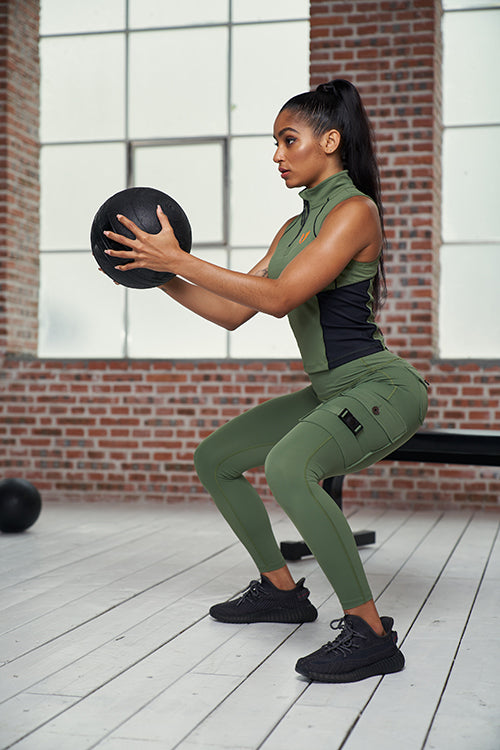
These are popular for both men and women. They support the legs, reduce fatigue, and wick sweat away. They’re perfect for running, cycling, yoga, or weightlifting. Some tights come with extra panels or pockets for convenience.
Fitted Tops And Base Layers
Fitted tops hug the chest, back, and arms. They provide muscle support, keep sweat under control, and make it easy to see your form in the mirror. Base layers are often worn under shorts or T-shirts for added warmth in cool gyms.
Sports Bras
A sports bra is essential for anyone with a larger chest. It holds everything in place, reduces movement, and prevents pain during high-impact activities. Modern sports bras use high-stretch, moisture-wicking materials for comfort and support.
Compression Shorts
These are a staple for runners, cyclists, and athletes in team sports. They reduce chafing, support the thighs, and help keep muscles warm.
Arm And Calf Sleeves
Not all tight gym wear is full-body. Sleeves for arms or calves add compression to specific muscles. They’re often used for recovery or by people who have had injuries.
The Science Behind Compression Gear
Research has shown that compression clothing can:
- Improve blood flow during exercise and recovery
- Reduce muscle soreness after intense workouts
- Lower the risk of swelling in legs and arms during long periods of activity
- Help with body awareness (proprioception), which can improve balance and coordination
However, benefits can vary from person to person. Not everyone will feel a dramatic difference, but many athletes say they recover faster and feel less fatigue when using compression gear.
Tight Gym Clothes And Body Positivity
Some people worry that tight gym clothes will make them feel self-conscious. It’s true that fitted wear shows your shape, but it can also help you accept and appreciate your body as it is. Gym culture is becoming more inclusive, with brands offering a wider range of sizes and fits.
Whether you’re just starting out or you’ve been training for years, there are options for every body type.
It’s important to choose clothes that make you feel comfortable and confident—not just what’s trendy. If you’re not sure about tight gym wear, start with a base layer under a looser shirt or try different fits until you find what works for you.
Practical Considerations When Choosing Tight Gym Clothes
Finding The Right Fit
- The garment should feel snug but not restrictive.
- You should be able to move freely without pinching or digging into your skin.
- Check for waistbands, seams, and cuffs that stay in place.
- If you notice any numbness or tingling, the clothing is too tight.
Quality Over Price
Cheap tight gym clothes may lose their shape, become see-through, or irritate your skin. It’s better to invest in high-quality fabrics and construction. Look for reputable brands and read reviews before buying.
Care And Maintenance
Tight gym wear lasts longer if you wash it properly:
- Turn clothes inside out before washing.
- Use cold water and a gentle cycle.
- Avoid fabric softeners—they can block moisture-wicking properties.
- Air dry instead of using a hot dryer.
Special Features
Some tight gym clothes come with extra features like:
- UV protection for outdoor workouts
- Antimicrobial treatments to reduce odor
- Pockets for keys or phones
- Reflective strips for safety at night
These details can make your gym experience more convenient and enjoyable.
Common Misconceptions About Tight Gym Clothes
Myth 1: Tight Gym Clothes Are Only For Athletes
You don’t have to be a professional to benefit from tight gym wear. Anyone can use compression and fitted clothes to improve comfort and safety during exercise.
Myth 2: Tight Clothes Are Uncomfortable
High-quality tight gym wear is designed for comfort. If you feel pain or can’t breathe easily, you probably need a different size or style.
Myth 3: Tight Gym Clothes Are Just About Looks
While style is part of the appeal, the main reasons are performance, safety, and comfort. Function always comes first in good gym design.
The Role Of Gender And Body Types
Tight gym clothes are made for all genders and body shapes. Brands now offer different fits for men, women, and non-binary people, as well as plus-size options. The key is to find styles that match your body and workout needs.
For example:
- Women’s leggings often have a higher waist and more stretch in the hips.
- Men’s compression shorts may have extra support in the groin area.
- Unisex tops are designed to fit a wider range of chest and shoulder shapes.
Trying on different brands and cuts is the best way to find your perfect fit.
How Tight Is Too Tight?
There is such a thing as too much compression. Your gym clothes should never:
- Cut off circulation
- Leave deep marks on your skin
- Make it hard to breathe or move
A good test: You should be able to slide a finger between your skin and the fabric. If you can’t, try a size up.
Environmental Impact Of Tight Gym Clothes
Most tight gym wear is made from synthetic materials, which can have a bigger environmental footprint than natural fibers. However, many brands are now using recycled polyester and eco-friendly dyes. When choosing gym wear, look for brands that are transparent about their materials and production methods.
Washing synthetic clothes in a laundry bag can reduce microplastic pollution. Some companies also offer recycling programs for worn-out gym clothes.
Credit: www.firmabs.com
Cultural Differences In Gym Clothing
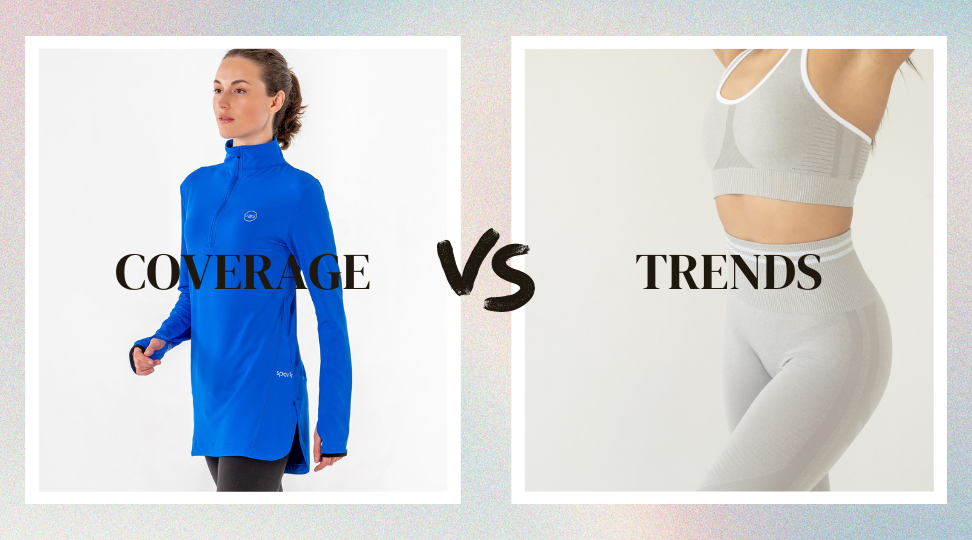
In some countries, tight gym wear is the norm, while in others, modesty is more important. Always consider local customs and gym dress codes. Some gyms require covered shoulders or longer shorts. There are also modest activewear brands that offer tight but full-coverage options.
Non-obvious Insights About Tight Gym Wear
- Compression gear is not just for workouts. Many people use it for recovery or even travel. For example, compression socks help reduce swelling on long flights.
- Fit changes as you move. A piece of gym wear might feel perfect when you stand still, but too tight when you squat or stretch. Always try clothes with real movements before buying.
- Layering can help adapt to different workouts. Some people wear compression leggings under loose shorts or mix fitted base layers with baggy tops for both support and coverage.

Credit: www.nytimes.com
When To Choose Loose Gym Clothes
While tight gym wear has many benefits, loose clothing can be a better choice in some cases:
- If you prefer a more relaxed look or feel self-conscious in fitted clothes
- For activities with less movement, like gentle yoga or stretching
- In very hot weather, if you want maximum airflow
Many people mix and match—wearing a tight base layer with a loose T-shirt, for example.
The Future Of Tight Gym Wear
Technology continues to improve gym clothes. Some new designs include:
- Smart fabrics that track your heart rate or muscle movement
- Biodegradable materials that reduce environmental impact
- Custom-fit garments made with 3D scanning and printing
As the industry evolves, tight gym clothes will likely become even more comfortable, supportive, and sustainable.
Frequently Asked Questions
Why Do Athletes Prefer Tight Gym Clothes?
Athletes prefer tight gym clothes because they offer better muscle support, reduce chafing, and improve range of motion. Compression clothing can also help with blood circulation, which may enhance performance and recovery.
Are Tight Gym Clothes Safe For Everyone?
For most people, tight gym clothes are safe if they fit properly. However, people with circulation problems or certain skin conditions should consult a doctor before using compression gear.
Can Tight Gym Clothes Help Me Lose Weight?
Tight gym clothes do not directly cause weight loss. They can make exercise more comfortable and efficient, but weight loss comes from a combination of diet and physical activity.
How Do I Know If My Gym Clothes Are Too Tight?
Your gym clothes are too tight if they restrict your movement, cause pain, or leave deep marks on your skin. You should be able to move, breathe, and exercise comfortably.
Do Tight Gym Clothes Cause Any Health Problems?
Wearing gym clothes that are extremely tight for long periods can cause discomfort or skin irritation. In rare cases, they might affect circulation. Always choose a size that fits well and listen to your body.
For more on the science and benefits of compression clothing, you can visit Wikipedia’s page on compression garments.
Tight gym wear has become a major part of fitness culture for good reason. It supports your body, keeps you comfortable, and may even boost your confidence. Whether you’re just starting out or looking to upgrade your workout gear, understanding why gym clothes are tight can help you make the best choices for your health and fitness journey.
