

Can Gym Clothes Cause BV? What Every Woman Should Know
Can Gym Clothes Cause Bv?
Many women know that feeling after a workout—sweaty, tired, and ready for a shower. But some notice something more: irritation, unusual odor, or discomfort in the vaginal area. This leads to a common question: Can gym clothes cause BV (bacterial vaginosis)? The answer isn’t as simple as yes or no. This article explains the connection between gym clothes and BV, busts myths, and gives practical advice to keep you healthy and confident.
Understanding Bacterial Vaginosis
Before talking about gym clothes, it’s important to understand bacterial vaginosis (BV). BV is a common vaginal infection caused by an imbalance of bacteria. Normally, “good” bacteria (lactobacilli) help protect the vagina. When “bad” bacteria (like Gardnerella) outnumber the good, BV can develop.
Symptoms of BV often include:
- Thin, gray or white vaginal discharge
- Strong, fishy odor (especially after sex)
- Itching or irritation (sometimes)
- Mild burning during urination (rarely)
Many women with BV have no symptoms. But even without symptoms, BV can cause problems like increased risk of STIs or pregnancy complications. BV is not a sexually transmitted infection, but sexual activity and other factors can affect your risk.
How Gym Clothes Might Impact Bv Risk
It’s tempting to blame gym clothes for BV, but the reality is more complex. What you wear can influence your vaginal health, but clothes alone rarely “cause” BV. Instead, your clothing choices can create conditions that make it easier for BV to develop.
Sweat, Heat, And Moisture
When you exercise, your body sweats to cool down. Sweat collects in tight areas, including around the vagina. Synthetic gym clothes, especially leggings or tight shorts, can trap this moisture and heat. This creates a warm, damp environment—perfect for bacteria to grow.
Fabric Type Matters
Not all gym clothes are equal. Some materials hold moisture, while others let your skin breathe.
- Synthetic fabrics (like polyester, nylon, or spandex): These materials are common in athletic wear because they stretch and fit well. However, many synthetics trap sweat and heat against the skin.
- Cotton: Cotton absorbs sweat and lets skin breathe, but it stays wet longer. Wet cotton can also encourage bacteria if not changed quickly.
- Moisture-wicking fabrics: Some athletic clothes are made with special fibers that pull moisture away from the skin. These are often better for vaginal health.
Tight-fitting Styles
Yoga pants, compression shorts, and tight leggings are favorites in the gym. But tight clothes can rub, trap moisture, and limit airflow to the genital area. This can upset the vaginal balance and make it easier for bacteria to grow.
Delayed Changing
After a workout, it’s common to run errands or stretch in your gym outfit. But wearing sweaty clothes for too long keeps your skin in contact with moisture and bacteria. The longer you wait to change, the greater the risk for irritation and infection.
What Science Says About Gym Clothes And Bv
Many women notice a pattern: after intense workouts and long stretches in gym clothes, they develop BV symptoms. But is there hard proof?
Research on clothing and BV is limited, but studies on similar infections (like yeast infections) show that moisture and heat play a big role. One study found that women who wore tight, non-breathable underwear were more likely to have vaginal infections. While BV is not caused by yeast, both types of infections can be triggered by the same conditions—warmth, sweat, and a lack of airflow.
Doctors agree that hygiene habits and clothing choices matter. If you are prone to BV, your gym outfit and how long you wear it may make a difference.
Common Myths About Gym Clothes And Bv
It’s easy to get confused by advice from friends or the internet. Here are a few myths you might hear:
- Myth: Only dirty gym clothes cause BV.
- Fact: Even clean, tight, or synthetic clothes can create the right conditions for BV, if they trap moisture or limit airflow.
- Myth: You must avoid all leggings and tight shorts.
- Fact: You don’t have to stop wearing your favorite gym clothes. Focus on changing quickly after workouts and choosing the right fabrics.
- Myth: BV is always caused by hygiene problems.
- Fact: BV is about bacterial balance, not just cleanliness. Over-washing or using harsh soaps can sometimes make BV more likely.
- Myth: You should use scented sprays or powders after working out.
- Fact: Scented products can irritate the vagina and upset its natural balance, increasing the risk of BV.
Habits That Raise Your Bv Risk In The Gym
Some gym habits make BV more likely. You may not notice these at first, but over time, they can affect your health.
Staying In Sweaty Clothes
After a workout, staying in damp gym clothes is risky. Sweat and heat create a breeding ground for bacteria. Changing into dry underwear and pants as soon as possible is a smart move.
Not Washing Gym Clothes Properly
Some people toss their gym outfit back in the bag, planning to wear it again. But reusing unwashed gym clothes means you’re putting old sweat and bacteria against your skin.
Wearing Panty Liners Or Pads During Workouts
Many women use panty liners for extra protection during exercise. However, liners can trap heat and moisture, especially if they’re not changed right away.
Using Harsh Detergents Or Fabric Softeners
Strong-smelling detergents or softeners can leave residues that irritate sensitive skin. For gym clothes, use mild, fragrance-free detergents.
Not Letting Skin Breathe
Wearing tight underwear or not changing after exercise can keep your skin from airing out. Skin needs time to recover after sweating.
How To Choose Gym Clothes For Better Vaginal Health
Your workout clothes don’t have to put you at risk for BV. With a few smart choices, you can enjoy your fitness routine and stay comfortable.
Pick Moisture-wicking Fabrics
Look for athletic wear labeled “moisture-wicking.” These fabrics pull sweat away from the skin and dry quickly. Brands often use blends with polyester or nylon, but they’re designed for better airflow.
Go For Breathable Styles
Loose-fitting shorts, skirts, or pants allow air to circulate. If you prefer leggings, choose those with mesh panels or lighter material.
Wear Cotton Underwear
Even if your outer clothes are synthetic, cotton underwear can help. Cotton absorbs moisture and allows your skin to breathe. Some brands now make “sport” cotton blends for extra comfort.
Avoid Thongs And Tight Underwear
Thongs and very tight underwear can rub and transfer bacteria easily. Choose full-coverage styles with soft edges to reduce friction.
Change Clothes Quickly
Bring a spare set of underwear and pants to the gym. Change as soon as you finish exercising, especially if you plan to stay out or travel home.
Wash Clothes After Every Use
Don’t wear gym outfits twice without washing. Use hot water and mild detergent. Air dry your clothes if possible, as heat from dryers can wear down moisture-wicking fibers.
Comparing Gym Clothing Materials
Here’s how popular gym fabrics compare when it comes to vaginal health:
| Fabric Type | Breathability | Moisture Handling | BV Risk |
|---|---|---|---|
| Cotton | High | Absorbs, stays wet | Moderate |
| Polyester (basic) | Low | Traps moisture | Higher |
| Moisture-wicking blends | Medium to High | Pulls away sweat, dries fast | Lower |
| Nylon/spandex | Low | Holds moisture | Higher |
Non-obvious insight: Moisture-wicking fabrics are often better than 100% cotton because they dry faster. Wet cotton can still cause problems if you don’t change quickly.
Gym Habits That Support Vaginal Health
Having a workout routine doesn’t mean you have to accept discomfort or infections. Here are practical habits for gym-goers:
- Bring a change of clothes and underwear in your gym bag. Change as soon as you finish exercising.
- Use fragrance-free wipes to gently clean sweat if you can’t shower right away (never use inside the vagina).
- Air out your gym bag and shoes after each use to prevent bacteria build-up.
- Choose loose-fitting bottoms at least a few days a week, to give your skin a break.
- Shower as soon as possible after workouts. Use warm water and mild, unscented soap on your body. Skip harsh soaps on the vaginal area.
- Let your underwear dry completely before wearing it again. Damp underwear, even if clean, can hold bacteria.
- Listen to your body. If you notice discomfort or a change in odor, don’t ignore it.
How Bv Is Diagnosed And Treated
If you suspect you have BV, it’s important to see a healthcare provider for diagnosis. BV is usually diagnosed by:
- Asking about your symptoms
- Examining vaginal discharge
- Doing a pH test (BV raises vaginal pH)
- Looking at cells under a microscope
Treatment for BV is usually a short course of antibiotics (oral pills or creams). Most women feel better within a few days of starting treatment. It’s important to finish the full course, even if symptoms go away.
Non-obvious insight: Over-the-counter yeast infection treatments do NOT cure BV. They can make symptoms worse or delay proper treatment.
If you keep getting BV, your doctor may suggest further tests or a longer treatment plan. Wearing breathable gym clothes and following healthy habits can help prevent it from coming back.
Who Is Most At Risk For Bv From Gym Clothes?
Not everyone who wears leggings or works out will get BV. But some people are more sensitive:
- Women who get BV often (recurrent BV)
- Those with sensitive skin or allergies to fabric dyes or detergents
- People who sweat heavily or exercise daily
- Women with a history of vaginal infections
If you fall into these groups, it’s extra important to pay attention to your gym clothing choices and hygiene.
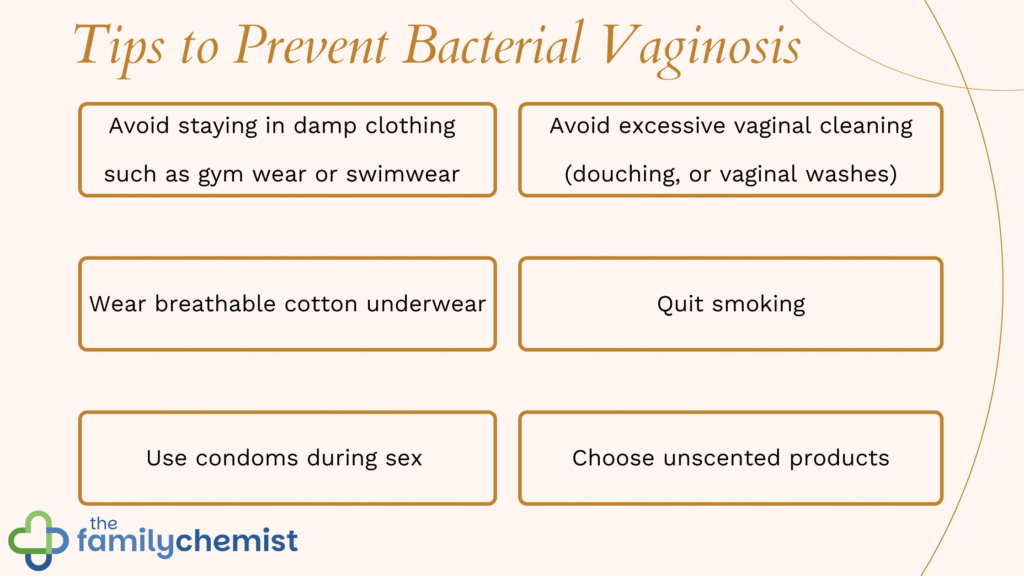
Credit: www.thefamilychemist.co.uk
How To Tell If Your Gym Clothes Are Causing Problems
Sometimes, it’s hard to know if your exercise outfit is the culprit. Watch for these signs after workouts:
- New or stronger vaginal odor
- Increased discharge that is thin and gray/white
- Itching or irritation that starts after exercise
- Symptoms that appear only after gym sessions
Keep a simple journal of your workouts, what you wore, and any symptoms. Patterns can help you and your doctor spot possible triggers.
Alternatives To Traditional Gym Clothes
If you keep having problems with BV, consider experimenting with your workout wardrobe:
- Try athletic skirts or shorts with built-in liners instead of leggings.
- Look for undergarments made for athletes, which are designed to wick moisture and reduce friction.
- On rest days, wear loose, breathable clothes to help your skin recover.
- Some women find that going without underwear under loose shorts (if comfortable and safe) can help reduce moisture.
Comparing Gym Hygiene Habits And Bv Risk
Let’s look at how different habits affect your risk:
| Habit | Effect on BV Risk | Why? |
|---|---|---|
| Changing immediately after workout | Decreases | Removes sweat and bacteria quickly |
| Wearing sweaty clothes all day | Increases | Keeps skin damp, helps bacteria grow |
| Wearing cotton underwear | Decreases | Breathable, absorbs moisture |
| Using scented sprays/powders | Increases | Can irritate and upset balance |
| Letting skin air-dry after shower | Decreases | Reduces dampness |
When To See A Doctor
BV is common, but you should get medical advice if:
- You notice new or unusual discharge or odor
- Symptoms last more than a week
- Over-the-counter products don’t help
- You have pain, fever, or bleeding
Your doctor can check for BV and other causes. Don’t feel embarrassed—this is a routine part of women’s health.
Preventing Bv Recurrence For Active Women
Some women get BV again and again. If you’re active and struggle with recurring BV, try these strategies:
- Rotate gym outfits so you never reuse damp clothes.
- Skip underwear at night to let skin breathe (if comfortable).
- Avoid vaginal douching or scented washes.
- Limit sugar and processed foods, which may affect bacteria balance.
- Talk to your doctor about probiotics—some studies suggest they may help prevent BV.
What To Do If You Suspect Gym Clothes Are Triggering Your Bv
If you think your gym clothing is linked to BV, take these steps:
- Switch to moisture-wicking, breathable fabrics.
- Change immediately after sweating.
- Wash all gym clothes after each use.
- Use unscented, gentle laundry products.
- Track your symptoms as you make changes.
If your symptoms improve, you’ll know you’re on the right track. If not, consult your healthcare provider for more personalized advice.

Credit: happyv.com
Real-life Example: Sarah’s Story
Sarah, a fitness enthusiast, started noticing a strong odor and unusual discharge after her daily gym sessions. She wore tight leggings and stayed in her outfit for hours while running errands. After her doctor diagnosed her with BV, Sarah made a few changes:
- Switched to moisture-wicking leggings
- Packed fresh underwear in her gym bag
- Started changing clothes immediately after workouts
Within weeks, her symptoms disappeared. The key takeaway: small changes in gym clothes and habits made a big difference.
More Tips For A Healthy Workout Routine
- Wash towels and gym bags regularly. Bacteria can live on fabric and transfer to your skin.
- Avoid sharing exercise mats or towels.
- Choose period products (tampons, pads) that are breathable and change them often during workouts.
- Stay hydrated—water helps flush toxins from your body.
- Know your cycle: Some women are more prone to BV at certain times in their menstrual cycle.
:max_bytes(150000):strip_icc()/how-to-stop-recurring-bacterial-vaginosis-5323943-final-ee4de0ebaf6041d4be8b17d08d34d915.png)
Credit: www.verywellhealth.com
The Bottom Line
Gym clothes don’t directly “cause” BV, but they can create the perfect environment for it. The key factors are moisture, heat, and lack of airflow. By choosing the right fabrics, changing clothes quickly, and following smart hygiene practices, you can enjoy your workouts and protect your vaginal health.
Remember, every body is different. If you notice symptoms, don’t ignore them. A few small changes—and a little attention to what you wear—can help you stay healthy, active, and comfortable.
For more information on vaginal health and BV, you can visit Mayo Clinic.
Frequently Asked Questions
What Is The Main Cause Of Bv?
BV happens when the normal balance of bacteria in the vagina shifts, with “bad” bacteria growing too much. Factors include douching, new or multiple sexual partners, and sometimes clothing or hygiene habits. Gym clothes alone rarely cause BV, but they can increase your risk if they trap moisture and heat.
Is It Safe To Wear Leggings Every Day?
Wearing leggings daily is usually fine if you change them often, keep them clean, and choose moisture-wicking fabrics. However, staying in sweaty, tight leggings for long periods can raise your risk of irritation or infection, including BV.
Can I Prevent Bv By Using Panty Liners During Workouts?
Panty liners can absorb some sweat, but they also hold moisture and heat, which can make BV more likely if not changed right away. It’s better to wear breathable cotton underwear and change clothes after exercise.
Are There Any Gym Clothes That Are Best For Sensitive Skin?
Yes. Look for gym clothes made with moisture-wicking, hypoallergenic fabrics and avoid harsh dyes or chemicals. Cotton underwear is often a good choice for sensitive skin, and loose-fitting styles help prevent irritation.
Should I See A Doctor For Bv After Every Gym Session?
No, you don’t need to see a doctor after every workout. But if you notice persistent symptoms like odor, discharge, or irritation that don’t improve after changing your gym habits, it’s important to get checked. BV is common and treatable with the right care.
