

How to Fix Smelly Gym Clothes: Easy Hacks for Lasting Freshness
Fixing Smelly Gym Clothes: The Complete Guide
Anyone who exercises knows the frustration of smelly gym clothes. You finish a great workout, but your favorite shirt or leggings keep a strong odor, even after washing. This problem is common and can be embarrassing, especially if the smell returns as soon as you start to sweat again. But don’t worry—there are proven ways to get your gym clothes clean, fresh, and ready for your next session. This guide explains why the smell happens, how to fix it, and how to keep it away for good. You’ll learn practical steps you can use at home, plus advanced tips that even regular gym-goers often miss.
Why Gym Clothes Smell Bad
Sweat itself doesn’t actually smell much. The real problem is bacteria. When you exercise, your body produces sweat and oil. These fluids soak into your clothes. Bacteria on your skin and in the fabric break down the sweat, creating strong odors. Gym clothes are usually made from synthetic materials like polyester or nylon. These fabrics trap sweat and oil, making it hard for your regular laundry process to remove everything.
There are other causes too:
- Leaving clothes in a gym bag: If you toss clothes into a bag and forget them, bacteria multiply quickly.
- Not using enough detergent: Some people think more detergent will fix the smell, but sometimes it makes things worse.
- Washing in cold water only: Cold water may not remove all the bacteria and oil.
Key Insight: Most regular washing routines are not enough for technical sportswear. Synthetic fibers need special care. Also, the tight fit of workout clothes can push sweat deeper into fabric, making it harder to wash away. If you notice a sour or “wet dog” smell, it usually means bacteria have been left behind.
Immediate Steps After A Workout
How you handle your gym clothes right after your workout makes a big difference. Don’t just throw sweaty items in a pile or a closed bag.
1. Let Clothes Breathe
As soon as possible, take your clothes out of your gym bag. Hang them up or lay them flat to dry. This stops bacteria from multiplying in damp, dark conditions. Even a few hours in a sealed bag can start the odor process, so act quickly.
2. Pre-rinse If You Can
If you have time, rinse your clothes with cold water. This removes some sweat and bacteria before they settle in the fabric. Use the shower or a laundry sink for this step. Lightly wring out the clothes afterward to remove extra water.
3. Don’t Let Clothes Sit Too Long
Try to wash sweaty clothes within a day. The longer they wait, the harder it is to remove the smell. Leaving them overnight is okay if they have dried out, but avoid going more than 24–36 hours, especially in warm weather.
Non-Obvious Tip: Even if you can’t wash right away, letting clothes dry out separately (not in a pile) can reduce future odors. If you often forget, hang a small drying rack near your laundry area or bathroom just for gym clothes.
Best Washing Techniques
Washing gym clothes is not the same as washing regular cotton shirts or jeans. Here’s how to do it right:
Turn Clothes Inside Out
Most sweat, oil, and bacteria build up on the inside of your gym clothes. Turning them inside out exposes the dirtiest part to the detergent and water. This also helps protect printed logos or designs on the outside.
Use The Right Amount Of Detergent
More detergent does not mean cleaner clothes. Too much detergent can build up in the fabric, trapping bacteria and making odors worse. Use only the recommended amount or even a little less for high-efficiency (HE) machines. If you notice suds remaining after the rinse, try using less next time.
Choose The Right Detergent
Standard laundry detergents are made for cotton and may not work well on synthetic fabrics. Look for detergents made for sportswear or activewear. These formulas are designed to break down body oils and bacteria in synthetic fibers. Sports detergents often contain enzymes that target the sources of odor. If you can’t find a sports-specific detergent, choose an enzyme-based formula.
Wash In Warm Or Hot Water (if Safe)
Check your clothing labels. Most activewear can handle warm water, which helps break down oils better than cold. Avoid super-hot water, which can damage stretchy materials. Some delicate fabrics or those with special finishes may require cold water, so always check first.
Add A Booster
Sometimes, detergent alone isn’t enough. Add one of these to boost odor removal:
- White vinegar: Add 1/2 cup to the rinse cycle. Vinegar kills bacteria and neutralizes odors.
- Baking soda: Sprinkle 1/2 cup into the wash. It helps lift smells and softens water.
- Sports-specific boosters: Some brands make laundry additives just for gym clothes.
Pro Insight: Don’t mix vinegar and baking soda together—they neutralize each other and lose effectiveness. Use one per wash for best results.
Skip Fabric Softener
Fabric softener leaves a coating on fibers, trapping oils and smells. It also reduces the wicking ability of technical fabrics. Never use softener on gym clothes. If you’ve used fabric softener before, it may take several washes to remove the buildup.
Extra Rinse
Run an extra rinse cycle if possible. This removes any leftover detergent or additives, which can attract more bacteria if left behind. Some machines let you set this automatically, or you can run a separate rinse with no detergent.
Extra Detail: If you have hard water in your area, detergent and sweat can build up even faster. Consider using a water softener or more frequent extra rinses to keep clothes truly clean.
Drying Gym Clothes The Right Way
How you dry your gym clothes affects both smell and fabric life.
Air Dry Is Best
Hang clothes on a line or drying rack. Air drying in sunlight can help kill bacteria naturally. The sun’s UV rays act as a natural disinfectant. If you don’t have outdoor space, set up a drying rack in a well-ventilated room.
Machine Dry On Low Heat
If you must use a dryer, choose low heat or air fluff. High heat breaks down spandex and elastic fibers, shortening the life of your clothes and trapping smells. Remove clothes as soon as they’re dry to avoid musty odors.
Never Leave In The Washer
Leaving clean clothes in the washing machine leads to mildew smells. Move them to dry as soon as the cycle is done. If you forget and notice a sour smell, rewash them with vinegar before drying.
Hidden Danger: Dryers can “bake in” smells if the clothes are not fully clean. If they still smell after washing, repeat the wash before drying. Drying smelly clothes makes the odor much harder to remove later.
Extra Example: Some activewear can shrink if dried on high heat. Always check the care label first. If you’re unsure, air drying is the safest option.
Special Treatments For Persistent Odors
Sometimes, gym clothes still smell bad after washing. Here are some deeper fixes:
Soak In Vinegar Solution
Mix one part white vinegar with four parts cold water. Soak clothes for 30–60 minutes before washing as usual. Vinegar breaks down tough bacteria and deodorizes. For extra-strong odors, let the clothes soak overnight, then wash with sports detergent.
Try Enzyme Cleaners
Enzyme-based laundry products break down sweat and body oil at a molecular level. These are especially effective for technical fabrics. Enzyme cleaners are available as detergents or boosters, and are great for regular maintenance if you exercise often.
Oxygen Bleach For Whites
If you have white gym clothes, soak them in oxygen bleach (not chlorine bleach) before washing. This is safer for stretchy fabrics and removes bacteria. Oxygen bleach is also color-safe for most colored items, but always check the instructions.
Use Borax
Borax is a laundry booster that increases pH and helps remove stubborn smells. Add 1/4 cup to the wash cycle. Borax can be found in the laundry aisle and works well in hard water areas, too.
Overlooked Tip: Persistent smell may mean detergent buildup. Wash clothes with no detergent and hot water once, to rinse out residue. This “reset” can restore freshness when nothing else works.
Non-Obvious Example: If you sweat a lot, build up happens faster. Do a deep cleaning soak or enzyme treatment once a month to stay ahead of odors.
Preventing Smelly Gym Clothes
The best fix is to prevent the problem in the first place. Small changes in your routine can keep odors from building up.
Shower Or Wipe Down Before Exercise
Body oils and bacteria on your skin move to your clothes when you sweat. Showering or using a body wipe before exercise reduces the amount transferred. Even a quick wipe with a wet towel on sweaty areas helps.
Wear The Right Clothes
Choose moisture-wicking, quick-drying fabrics for workouts. Natural fibers like wool can also resist smells better than polyester. Merino wool, for example, is naturally odor-resistant and suitable for both hot and cold weather.
Change Out Of Wet Clothes Fast
After exercise, change into dry clothes as soon as possible. Staying in damp clothes gives bacteria more time to grow. If you need to drive home first, bring a change of clothes and switch in the locker room or restroom.
Wash After Every Use
Don’t re-wear gym clothes without washing, even if they seem “not too dirty. ” Odor-causing bacteria remain in the fibers. This is especially true for items that fit close to the skin, like compression tops and leggings.
Clean Your Gym Bag And Gear
Bacteria can live in your gym bag, shoes, or yoga mat and transfer back to clean clothes. Wash your bag regularly and disinfect gear. Wipe out your bag once a week with a mild cleaner, and let it air dry fully.
Extra Example: Some people use shoe deodorizers or sprays in their gym bags. This helps stop smells from spreading to your clean clothes.
Common Mistakes To Avoid
Many people make small errors that make odor problems worse. Here’s what to watch for:
- Using too much detergent: Leads to buildup and trapped smells.
- Skipping the pre-rinse or soak: Misses the chance to remove sweat before washing.
- Washing in cold water only: Not enough to dissolve oils and bacteria.
- Using fabric softener: Blocks proper cleaning and damages technical fabrics.
- Letting clothes sit in the washer or gym bag: Encourages mildew and strong smells.
- Ignoring your washing machine’s cleanliness: Dirty washers can spread bacteria to clean clothes.
Little-Known Fact: Front-loading washers can develop musty smells if not cleaned regularly. Run a cleaning cycle with vinegar or a washer cleaner once a month. Also, wipe the rubber seal to remove trapped moisture and lint.
Extra Detail: If you have sensitive skin, be careful with boosters like borax or strong enzyme detergents. Rinse clothes twice to avoid irritation.
Table: Washing Methods And Odor Removal Effectiveness
The right washing method makes a huge difference. Here’s a quick comparison:
| Method | Odor Removal | Fabric Safety | Effort Level |
|---|---|---|---|
| Regular Cold Wash | Low | High | Easy |
| Warm Wash + Sports Detergent | High | High | Moderate |
| Vinegar Soak + Wash | Very High | Medium | More Effort |
| Oxygen Bleach (Whites) | High | Medium | Moderate |
*Note: The best method for you depends on fabric type and the strength of the odor. For regular maintenance, a warm wash with a sports detergent is usually enough.*
Choosing The Right Detergent
There are many laundry detergents, but not all are good for gym wear. Here’s what to look for:
- Enzyme-based: Breaks down sweat and oil.
- No heavy perfumes: Fragrances can cover odors but not remove them.
- Safe for synthetics: Some detergents are too harsh for technical fabrics.
Popular Sports Detergents:
- HEX Performance
- WIN Sports Detergent
- Tide Sport
Test a small amount first to check for skin sensitivity or reactions. If you have allergies, look for unscented or hypoallergenic options.
Extra Example: Some people use a mix of sports detergent and a small amount of baking soda for extra freshness. Try different combinations to find what works best for your clothes and machine.
Table: Detergent Types Comparison
Understanding the types of detergent helps you choose the best one:
| Detergent Type | Main Benefit | Works On | Drawback |
|---|---|---|---|
| Standard | General cleaning | Cotton, blends | Not strong on odors |
| Sports/Activewear | Odor and oil removal | Synthetics, sportswear | More expensive |
| Enzyme-based | Breaks down proteins | Synthetics, stains | May cause fading |
| Oxygen bleach | Deep cleaning | Whites, color-safe | Not for all colors |
Insider Tip: If you work out daily, rotate between enzyme and sports detergents to cover all odor sources.
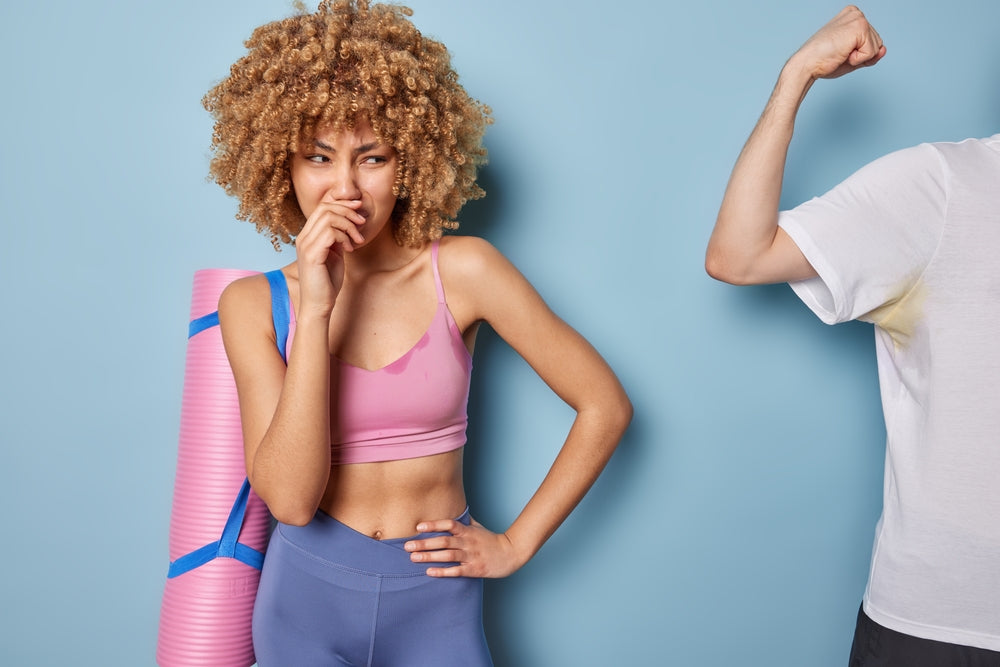
Credit: hercleon.com
How Often To Wash Gym Clothes
Some people try to wear gym clothes more than once. This saves time, but it’s not a good idea. Odor-causing bacteria stay in the fabric, even if the clothes look clean.
- Underwear, socks, sports bras: Wash after every use.
- Shirts and leggings: Wash after every use, especially if you sweat a lot.
- Jackets and outer layers: Wash after 2–3 wears if not heavily sweated in.
Important: The more you sweat, the more often you should wash. Even light activity can cause odor if clothes aren’t cleaned quickly. If you exercise outdoors, pollen and dust can also get trapped in your clothes, making washing even more important.
Pro Insight: For people with sensitive skin, frequent washing removes not just odors, but also bacteria that can cause breakouts or irritation.
Cleaning Your Washing Machine
A clean washing machine is key for odor-free clothes. Over time, soap, sweat, and bacteria can build up in your washer.
How To Clean
- Run an empty hot cycle with 2 cups of white vinegar.
- Wipe the door gasket and detergent drawer.
- Leave the door open between washes to let the drum dry.
Do this once a month or if you notice musty smells. For extra cleaning, add 1/4 cup of baking soda to the drum and run a second empty cycle. This helps remove detergent residue and keeps your machine running efficiently.
Non-Obvious Example: If you see black spots or slime around the door seal, clean it with a mix of water and vinegar using an old toothbrush.
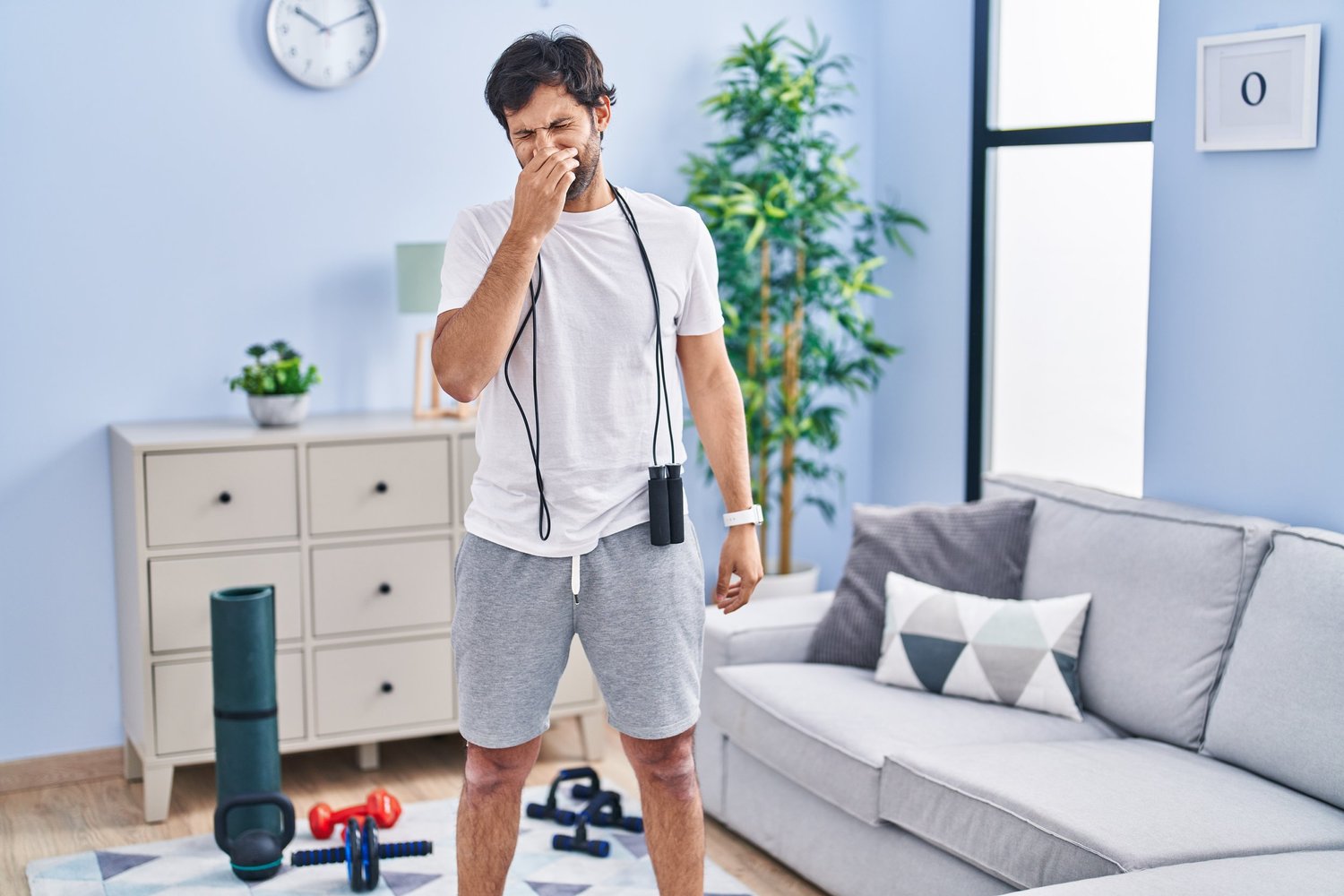
Credit: denverwashandfold.com
Table: Odor Removal Boosters
Not all odor-fighting boosters work the same. Here’s a comparison:
| Booster | Main Action | Pros | Cons |
|---|---|---|---|
| White Vinegar | Neutralizes odors, kills bacteria | Cheap, easy | Smell may linger |
| Baking Soda | Deodorizes, softens water | Gentle, natural | Not strong on tough odors |
| Borax | Boosts detergent power | Strong, effective | Can irritate skin |
| Oxygen Bleach | Deep cleans, brightens | Safe for whites, color-safe | Not for all fabrics |
Extra Tip: Always dissolve boosters like borax or baking soda in water before adding clothes for even distribution.
Extra Tips For Long-term Freshness
Rotate Your Gym Clothes
Don’t wear the same set every day. Owning a few sets lets you wash clothes quickly and prevents deep smells. This also gives fabric time to fully dry and recover its shape.
Store Clothes Properly
Keep clean gym clothes in a dry place. Avoid sealed plastic bags, which trap moisture. Open shelves or mesh bags let air circulate and reduce the risk of mildew.
Use Odor-absorbing Packs
Put baking soda or activated charcoal packs in your gym bag. They absorb moisture and reduce odors. Replace these packs every month for best results.
Wash With Similar Fabrics
Wash gym clothes together, not with towels or jeans. Heavy items can trap sweat and reduce cleaning power. Mixing synthetics and cotton can also lead to static and less effective cleaning.
Clean Shoes And Accessories
Shoes, hats, and pads also hold sweat. Clean or air them out regularly. Use shoe sprays or leave shoes in sunlight to kill bacteria.
Advanced Tip: If your laundry room is humid, use a dehumidifier. Lower humidity stops mold and bacteria from growing on clothes. Even a small portable unit can make a big difference.
When To Replace Gym Clothes
No matter how well you wash, gym clothes don’t last forever. Signs it’s time to buy new ones:
- Odors return immediately after washing.
- Fabric becomes thin or stretched out.
- Visible stains or discoloration remain.
Most activewear lasts for 1–2 years with regular use and care. If you notice your clothes aren’t drying as quickly as before, or the elastic feels loose, it’s time to replace them.
Hidden Insight: Old gym clothes can transfer odors to newer clothes in the same wash. Retire worn-out items to keep your whole workout wardrobe fresher.
The Science Behind Odor Removal
Understanding why some methods work helps you choose the right fix. Bacteria and fungi live in the fibers of your gym clothes. They feed on sweat and oil. Hot water, vinegar, and enzyme cleaners break down these substances and kill bacteria. Fabric softener creates a film that protects bacteria, so avoiding it is key.
Research shows that washing at higher temperatures and using enzyme detergents removes more odor-causing bacteria from synthetic fabrics. For more details on the science, see this medical research review.
Extra Example: The fibers in polyester have a rough surface at a microscopic level. This traps oil and sweat more than smoother fibers, so extra cleaning steps are sometimes needed.

Credit: tripulse.co
Frequently Asked Questions
Why Do My Gym Clothes Still Smell After Washing?
The main reason is that sweat, oil, and bacteria are trapped in the fibers. Regular detergent is not strong enough for synthetic fabrics. Try using sports detergent, washing in warm water, and adding vinegar or baking soda. If the smell is still there, try an enzyme soak or oxygen bleach (for whites).
Can I Use Bleach On All Gym Clothes?
No. Only use oxygen bleach on white gym clothes and check the label first. Chlorine bleach can damage elastic fibers and cause fading. For colored clothes, stick with vinegar or baking soda.
Is It Safe To Use Vinegar Every Wash?
Yes, adding 1/2 cup of white vinegar to the rinse cycle is safe for most gym clothes. It helps remove smells and kills bacteria. Always check your clothing label to be sure. If you notice any color fading, reduce the frequency.
How Do I Stop My Washer From Making Gym Clothes Smell Worse?
Clean your washing machine monthly with vinegar or a washer cleaner. Leave the door open after washing to let it dry. Remove clean clothes quickly, and avoid overloading the machine. Occasionally wipe the drum and rubber seal to remove trapped lint and moisture.
What If Nothing Works To Remove The Smell?
If all else fails, it may be time to replace your gym clothes. Persistent odors mean the fabric is worn out and cannot be fully cleaned. New clothes will resist odors better and feel more comfortable.
Keeping your gym clothes fresh is possible with the right habits and products. Small changes, like drying clothes quickly and using the right detergent, make a big difference. With these tips, you can feel confident and comfortable in your workout gear—smell-free, every time.
