

When Do You Wear Business Casual: Essential Style Guidelines
When Do You Wear Business Casual
Business casual is a dress code that confuses many people. Is it formal? Is it relaxed? When should you wear it? If you’ve ever stood in front of your closet wondering what’s appropriate, you’re not alone. Business casual sits between formal suits and everyday jeans, offering a balance that works for many situations—but only if you know how and when to use it.
Today, we’ll explore the perfect moments to wear business casual, what it really means, and how to avoid common mistakes.
What Is Business Casual?
Business casual is a blend of professional and comfortable clothing. It’s not as strict as traditional business attire, but it’s more polished than casual wear. For men, business casual often means dress slacks or chinos, a collared shirt, and closed-toe shoes. For women, it might include tailored pants or skirts, blouses, modest dresses, and low heels or flats. Jackets and sweaters are optional, but not required.
The main goal is to look neat, respectful, and ready for a professional environment, without appearing too stiff or too relaxed. Business casual is popular because it allows employees to feel comfortable while still maintaining a professional image.
When Is Business Casual Appropriate?
Knowing when to wear business casual is as important as knowing what to wear. Here are the key situations where business casual is the right choice:
1. Office Environments With Flexible Dress Codes
Many companies now prefer business casual over formal suits. If your workplace allows it, business casual is expected most days. Always check your employee handbook or ask HR if you’re unsure.
2. Job Interviews For Non-executive Roles
Unless the company asks for formal attire, business casual works well for interviews at tech firms, startups, and creative agencies. You’ll look polished without seeming overdressed.
3. Networking Events And Conferences
If the event is not strictly formal, business casual is safe. It helps you blend in and make connections without worrying about your outfit.
4. Client Meetings (when Not In A Formal Industry)
For meetings with clients in industries like marketing, education, or IT, business casual shows you’re professional but approachable.
5. Business Lunches And Dinners
When eating with colleagues or clients in a relaxed restaurant, business casual is comfortable and suitable.
6. Casual Fridays
Many offices allow more relaxed dress codes on Fridays. Business casual is a step down from formal, but still looks professional.
7. Company Training Sessions
Training days often mean long hours and interactive activities. Business casual lets you move freely but keeps you looking sharp.
8. Presentations To Internal Teams
You want to look credible, but not overly formal. Business casual works well here.
9. Office Parties (during Work Hours)
These events need a balance. Business casual is less formal than a suit, but more professional than jeans and T-shirts.
10. Remote Work Video Calls
If your company expects camera-on meetings, business casual tops (like shirts or blouses) are often enough.
Understanding Local And Cultural Differences
Business casual means different things in different places. In some countries, it’s closer to formal; in others, it’s relaxed. Even inside the US, city offices might expect more formal clothing than rural workplaces.
- Urban Offices: Tend to be stricter. You may need blazers, dress shoes, and tailored pants.
- Small Town Companies: Often accept khakis and polo shirts as business casual.
- International Firms: May follow local customs. Research before you attend meetings or interviews.
Always pay attention to your environment. If you’re new, observe what others wear. When in doubt, dress slightly more formally until you understand the culture.
Key Differences: Business Casual Vs Other Dress Codes
To help clarify where business casual stands, here’s a comparison table:
| Dress Code | Typical Clothing | Level of Formality | When Used |
|---|---|---|---|
| Formal Business | Suits, ties, dress shoes | Very high | Executive meetings, important interviews |
| Business Casual | Slacks, collared shirts, skirts, blouses | Medium | Most offices, casual Fridays, client meetings |
| Smart Casual | Chinos, sweaters, smart shoes | Low-medium | Social events, relaxed offices |
| Casual | Jeans, T-shirts, sneakers | Low | Weekends, informal gatherings |
Business casual is less formal than a suit, but still requires effort and attention to detail.
What To Wear: Essential Business Casual Pieces
Choosing the right pieces is important. Here are basics for men and women:
For Men
- Dress slacks or chinos
- Collared shirts (button-down or polo)
- Sweaters or cardigans
- Blazers (optional)
- Leather shoes or loafers
For Women
- Tailored pants or skirts (knee-length or longer)
- Blouses or tops (avoid low-cut)
- Cardigans or blazers
- Modest dresses
- Closed-toe shoes or flats
Avoid shorts, ripped jeans, sneakers, or flashy accessories. Neutral colors like navy, gray, black, and white work best.
Real-world Examples: When Business Casual Is Expected
Let’s look at some practical situations:
- Tech Startup Interview: A button-down shirt and chinos for men; a blouse and tailored pants for women.
- Marketing Team Meeting: Smart slacks, a simple sweater, and loafers.
- Office Lunch: Dress pants, a neat shirt, and comfortable shoes.
- Company Training: Comfortable, professional clothing for moving around.
These outfits help you fit in and feel confident.
Common Mistakes When Choosing Business Casual
Many people misunderstand business casual. Here are mistakes to avoid:
- Too Casual: Wearing jeans, sneakers, or T-shirts.
- Too Formal: Showing up in a suit when others wear chinos and polos.
- Ignoring Grooming: Clothes should be clean, ironed, and fit well.
- Inappropriate Accessories: Loud jewelry, flashy ties, or bright bags distract from a professional look.
- Ignoring Footwear: Shoes must be clean and match your outfit. Avoid open-toe sandals or athletic shoes.
One non-obvious mistake: wearing clothing with large logos or slogans. Even if the item is a polo or blouse, big logos make it too casual. Another overlooked error: wearing wrinkled or faded clothing, which gives a careless impression.
How Business Casual Helps Your Career
Wearing business casual shows you respect your workplace and colleagues. It helps you build trust and credibility. Studies show that first impressions are often based on appearance. Dressing well can lead to more opportunities and positive feedback.
For example, a survey by LinkedIn found that dress code confidence improves job performance and satisfaction. Employees who feel comfortable in their outfits are more likely to participate in meetings and share ideas.
Business casual also helps in networking. You appear professional but open, making it easier to connect with others.
Adjusting Your Outfit For Different Occasions
Business casual is flexible. You can adjust your outfit for various situations:
- Add a blazer for important meetings.
- Remove the jacket for casual days.
- Choose darker colors for formal events, lighter shades for relaxed occasions.
- Swap shoes for comfort after work hours.
This flexibility makes business casual a smart choice for busy professionals.
How To Know If Business Casual Is Expected
Sometimes it’s unclear if business casual is the right dress code. Here’s how to find out:
- Check Invitations: If an event says “business casual,” follow the guidelines above.
- Ask HR: For company events, HR can clarify the dress code.
- Look at Colleagues: What do others wear? Dress slightly better than average, especially if you’re new.
- Read Company Policies: Many companies list dress code rules in their handbook.
- Research Industry Standards: Some industries (like finance or law) expect formal business attire. Others (like tech or design) prefer business casual.
If you’re not sure, it’s always safer to dress a bit more formally than you think is needed.
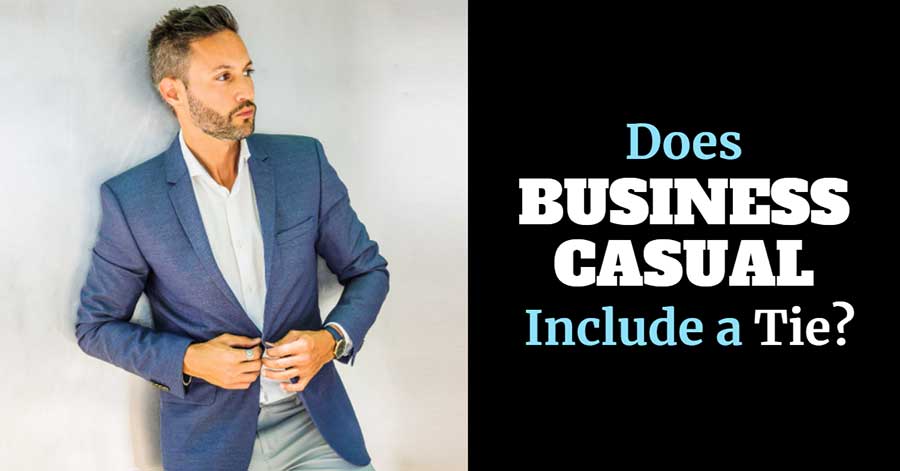
Credit: restartyourstyle.com
Business Casual For Different Seasons
Business casual changes with the weather. Here are tips for each season:
Spring
- Light sweaters, cotton shirts, and breathable fabrics.
- Avoid heavy layers.
Summer
- Short-sleeve button-downs or blouses.
- Lightweight pants or skirts.
- Closed-toe shoes (avoid sandals).
Fall
- Cardigans, heavier fabrics, dark colors.
- Layering is common.
Winter
- Wool pants, thick sweaters, dress boots.
- Scarves and gloves (if needed).
Always keep your outfit neat and professional, even when dressing for the weather.
Business Casual In Remote Work
With more people working from home, business casual has adapted. On video calls, your top half is most visible. Choose professional shirts, blouses, or sweaters. Pants can be more relaxed, but avoid pajamas or shorts.
Background matters too. Make sure your space is tidy—appearance affects how people see you, even online.
Accessories: How Much Is Too Much?
Accessories can add personality, but they should not distract. Here’s how to keep it balanced:
- Men: Simple watches, belts, and ties (optional).
- Women: Stud earrings, subtle necklaces, small bags.
Avoid loud patterns or large items. Remember, business casual aims for a professional image.
Business Casual: A Global View
Different countries and cultures have unique ideas about business casual. For example:
- Japan: Business casual is more formal—suits without ties.
- UK: Smart trousers, blazers, and closed-toe shoes.
- India: Modest clothing, often with local styles.
If you travel or work with international teams, learn about local norms. It shows respect and helps you fit in.

Credit: www.bows-n-ties.com
Comparing Business Casual With Smart Casual
Many confuse business casual and smart casual. Here’s a clear comparison:
| Aspect | Business Casual | Smart Casual |
|---|---|---|
| Formality | Medium | Low-medium |
| Typical Items | Slacks, blouses, button-downs | Chinos, sweaters, smart shoes |
| Accessories | Minimal, professional | Stylish, more personal |
| When Used | Offices, meetings, interviews | Social events, casual offices |
Smart casual allows more flexibility, but business casual is safer in professional settings.
Business Casual For Different Industries
Each industry has its own expectations. Here’s a comparison:
| Industry | Business Casual Example | Formality Level |
|---|---|---|
| Technology | Chinos, polo, loafers | Medium |
| Education | Dress pants, sweater, flats | Medium |
| Finance | Slacks, button-down, blazer | High |
| Marketing | Tailored pants, blouse, stylish shoes | Medium |
| Healthcare (Admin) | Dress pants, cardigan, low heels | Medium |
Finance and law tend to be stricter. Tech and creative fields are more relaxed. If you switch industries, adjust your business casual style.
How Business Casual Has Changed Over Time
Business casual has evolved. It used to mean “no tie,” but now it’s more about comfort and style. Companies want employees to feel good and work well. In recent surveys, over 60% of US offices allow business casual, and many even encourage it.
A non-obvious insight: Younger employees often wear more relaxed business casual, but managers may expect stricter standards. Always follow your company’s culture, not just your peers.
How To Build A Business Casual Wardrobe
You don’t need a huge closet. Start with these essentials:
- 2–3 pairs of dress pants or chinos
- 3–4 collared shirts or blouses
- 1–2 sweaters or cardigans
- 1 blazer
- 2 pairs of professional shoes
Mix and match for different looks. Add items as needed for your industry or climate.
Practical Tips To Avoid Business Casual Mistakes
Here’s how to stay safe with business casual:
- Keep it clean: Iron your clothes, remove stains, and check for missing buttons.
- Fit matters: Baggy or tight clothes look unprofessional.
- Stick to neutral colors: Navy, gray, black, and white are safe.
- Limit patterns: One pattern per outfit is enough.
- Grooming: Hair, nails, and skin should be neat.
- Ask for feedback: If you’re unsure, ask a trusted colleague or supervisor.
A hidden tip: Keep a spare shirt or blouse at work. Accidents happen, and you’ll always be prepared.
Business Casual In Hybrid Workplaces
Hybrid work means you split time between home and office. Plan your business casual outfits for both:
- At home: Focus on your top half (for video calls).
- At office: Dress fully professional—don’t forget shoes.
- Transition days: Choose comfortable, wrinkle-resistant clothing.
Being ready for both environments helps you feel confident and prepared.

Credit: www.hockerty.com
Why Business Casual Matters
Business casual is more than just clothing. It shapes how people see you. If you look professional, others trust you more. It also helps you feel confident, which improves performance.
Research shows that dress codes affect productivity. Employees who can dress comfortably are happier and more creative. But too much freedom can cause confusion. Business casual strikes a balance.
How To Communicate Business Casual Expectations
If you’re a manager or HR professional, set clear rules:
- Give examples of business casual clothing.
- Explain what’s not allowed (jeans, sneakers, shorts).
- Share photos or sample outfits.
- Update policies as needed.
Clear guidelines help everyone feel comfortable and avoid mistakes.
Business Casual And Sustainability
Many people now care about sustainable fashion. Choose clothing made from eco-friendly materials. Buy fewer, better items. Some brands offer professional clothing made from recycled fabrics.
A non-obvious insight: Neutral, classic styles last longer. You can wear them for years, saving money and reducing waste.
Frequently Asked Questions
What Is The Main Difference Between Business Casual And Casual?
Business casual means professional clothing, like slacks and blouses, without a suit or tie. Casual includes jeans, T-shirts, and sneakers. Business casual is suitable for work; casual is for weekends or informal events.
Can I Wear Jeans As Part Of Business Casual?
Usually, jeans are not part of business casual. Some modern offices allow dark, neat jeans, but traditional business casual excludes them. Always check your company’s rules.
Are Open-toe Shoes Acceptable For Business Casual?
In most workplaces, closed-toe shoes are required for business casual. Open-toe sandals are too informal. Some creative industries may allow them, but always ask first.
How Do I Know If My Outfit Is Business Casual?
Your outfit is business casual if it includes tailored pants or skirt, a neat shirt or blouse, and professional shoes. Avoid items like T-shirts, sneakers, or shorts. If you’re unsure, dress slightly more formally.
Is Business Casual Suitable For Job Interviews?
Yes, business casual is suitable for job interviews in many industries—especially tech, education, and creative fields. For finance or law jobs, formal business attire is safer.
Business casual is a smart, flexible dress code that works in many professional situations. It helps you look polished, feel comfortable, and build confidence. Always adjust your outfit for the occasion, industry, and culture. With these tips, you’ll never wonder “when do you wear business casual” again. For more guidance on professional dress, visit The Muse.
