

Best Business Casual Style Men: Modern Outfits for Success
Best Business Casual Style Men
Business casual is everywhere—from offices, meetings, networking events, to smart-casual Fridays. But what does “business casual” actually mean for men? Many people struggle to get it right. You want to look sharp, but not too formal. Stylish, but not overdone. This guide will help you master business casual style with confidence. You’ll learn what to wear, how to mix and match, common mistakes to avoid, and practical advice that goes beyond the basics. Whether you’re new to the office or want to refresh your wardrobe, you’ll find everything you need to dress well and feel comfortable.
What Is Business Casual For Men?
Business casual is a dress code that blends professional style with relaxed elements. It’s less formal than a suit and tie, but more polished than jeans and a t-shirt. The goal is to look smart, approachable, and ready for work. Think tailored clothes, clean lines, and neutral colors. You can express your personality, but avoid extremes.
Most business casual outfits include:
- Dress shirts (with or without a tie)
- Chinos or dress pants
- Blazers or sport coats
- Smart shoes (not sneakers)
- Optional accessories like belts and watches
Some workplaces allow dark jeans or knitwear, but always check the culture first. Business casual can change from one company to another.
Essential Elements Of Business Casual
Let’s break down the key pieces you need for a modern business casual wardrobe. Each item has its role, and together they make dressing easy.
Dress Shirts
A good dress shirt is the foundation of business casual. Choose shirts in solid colors or subtle patterns. White, light blue, pale pink, and gray are safe choices. Avoid loud prints or flashy colors.
- Go for cotton or cotton-blend fabrics. They are comfortable and breathable.
- Collared shirts are a must. Button-down collars add a relaxed touch.
- Fit matters. Make sure your shirt is not too tight or too loose.
Chinos And Dress Pants
Chinos are the perfect balance between jeans and formal trousers. They look sharp and are comfortable for all-day wear.
- Choose neutral colors like navy, beige, gray, or olive.
- Slim or straight fit works best for most men.
- Avoid pants with cargo pockets or visible branding.
Dress pants are also business casual. Wool or wool-blend pants in dark colors (navy, charcoal, black) are classic.
Blazers And Sport Coats
A blazer adds instant polish. It’s less formal than a suit jacket, but still professional.
- Navy or gray blazers are versatile.
- Unstructured jackets offer a relaxed fit and are great for business casual.
- Avoid shiny fabrics or bold colors.
Sport coats are similar to blazers, but often have more texture or pattern. They work well with chinos or dress pants.
Shoes
Shoes make or break your look. Stick with styles that are clean and classic.
- Loafers, brogues, or derby shoes are ideal.
- Leather or suede are both acceptable.
- Avoid athletic sneakers, flip-flops, or sandals.
Brown and black are safe shoe colors. Match your belt to your shoes for a cohesive look.
Accessories
Small details matter. A simple leather belt, a classic watch, and neat socks finish your outfit. Don’t overdo it. Skip flashy jewelry or oversized bags.
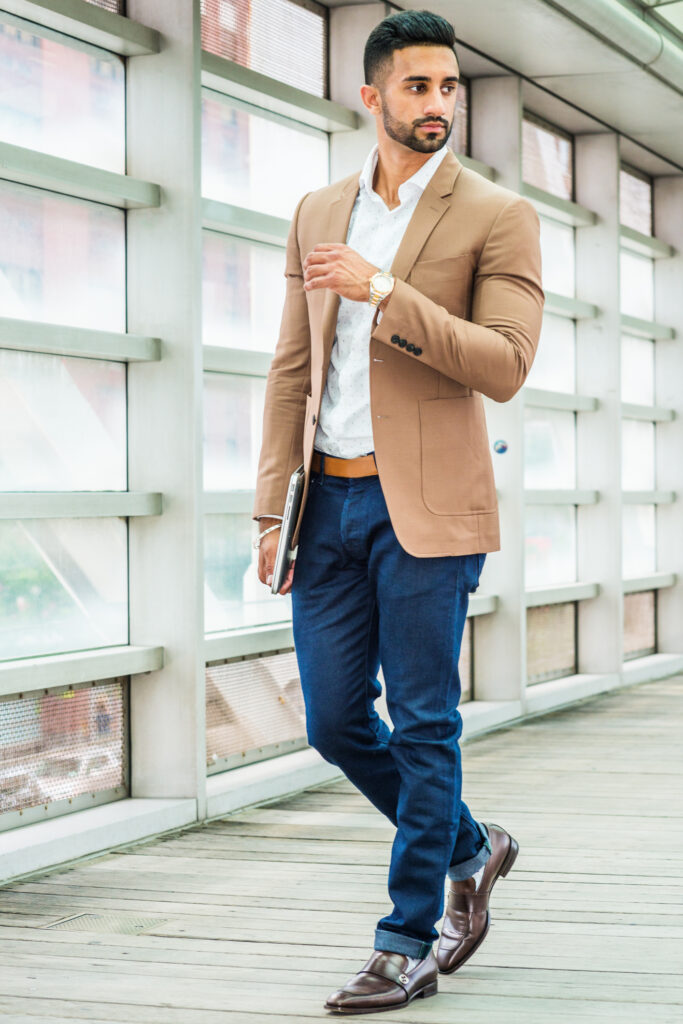
Credit: petersclothiers.com
Building A Business Casual Wardrobe
You don’t need hundreds of items. Start with a core group and mix them for different looks. Here’s a practical breakdown:
| Item | Recommended Quantity | Reason |
|---|---|---|
| Dress Shirts | 4-6 | Easy to rotate and layer |
| Chinos | 2-3 | Versatile, comfortable |
| Dress Pants | 2 | For more formal days |
| Blazers | 1-2 | Instant polish |
| Shoes | 2 pairs | Match with different outfits |
| Accessories | Belts, watch | Completes the look |
Most men can create 10+ outfits from these basics. Invest in quality—cheap clothes wear out quickly and look sloppy.
Mixing And Matching For Style
Business casual is flexible. You can mix different pieces to suit your mood or the occasion. Here are some combination ideas:
- Light blue shirt + navy chinos + brown loafers + gray blazer
- White shirt + gray dress pants + black belt + black shoes
- Pale pink shirt + beige chinos + navy sport coat + brown brogues
Don’t be afraid to try new color combinations. Just keep the overall look clean and balanced. Use one bold piece (like a patterned shirt) at a time.
Business Casual Vs. Other Dress Codes
Understanding the difference between dress codes is important. Here’s a comparison:
| Dress Code | Typical Items | Formality Level |
|---|---|---|
| Formal | Suit, tie, dress shoes | Highest |
| Business Casual | Dress shirt, chinos, blazer, loafers | Medium |
| Smart Casual | Polo shirt, dark jeans, knit sweater, sneakers | Lower |
| Casual | T-shirt, jeans, sneakers | Lowest |
Business casual sits between formal and smart casual. You look professional, but not stiff. If you’re unsure, dress up a little more—most workplaces prefer too formal over too casual.
Common Business Casual Mistakes
Even experienced men make mistakes with business casual. Here are some to avoid:
- Wearing wrinkled clothes. Always iron shirts and pants.
- Choosing loud colors. Stick with neutral tones for most pieces.
- Mixing athletic shoes with dress clothes. Only wear smart shoes.
- Ignoring fit. Baggy or tight clothes look unprofessional.
- Skipping grooming. Clean hair, nails, and shoes are essential.
One non-obvious mistake: Some men keep old, faded clothes for business casual. This can make you look careless. Replace worn items regularly.
Another insight: Many people wear short-sleeve shirts to look relaxed. But in most offices, long sleeves are expected for business casual—even in warm weather.

Credit: www.fondation-enovos.lu
Seasonal Business Casual Style
Adjust your business casual for the weather. You don’t have to suffer in the heat or freeze in winter.
Warm Weather
- Lightweight cotton shirts
- Linen-blend pants
- Unlined blazers
- Loafers or suede shoes
Stick to light colors—they reflect heat. Avoid heavy layers.
Cold Weather
- Wool or flannel dress pants
- Knit sweaters over shirts
- Structured blazers
- Leather shoes with thicker soles
Add a scarf or gloves for outdoor meetings. Layering keeps you warm and stylish.
Business Casual For Different Body Types
Business casual is not one-size-fits-all. Here’s how to make it work for your shape:
Slim Build
- Choose fitted shirts and pants.
- Avoid oversized jackets.
- Try layering to add dimension.
Athletic Build
- Look for stretch fabrics.
- Avoid tight sleeves or shoulders.
- Wear shirts that fit your chest but don’t billow at the waist.
Larger Build
- Go for straight-leg pants.
- Choose shirts with a bit of room.
- Avoid bold patterns or shiny fabrics.
Fit is always more important than brand. Tailoring can make affordable clothes look expensive.
Credit: www.businessinsider.com
Best Brands For Business Casual
Quality brands make dressing easier. Here are a few popular names known for good business casual options:
- Brooks Brothers: Classic shirts and pants, good for all ages.
- Banana Republic: Modern styles, easy to mix and match.
- J.Crew: Well-made chinos and blazers.
- Uniqlo: Affordable basics, simple designs.
- Bonobos: Great fit options for all body types.
These brands offer clothes that last and look sharp. If you’re shopping online, check size guides and reviews.
Business Casual Style On A Budget
You don’t need to spend a fortune. Here’s how to build a stylish wardrobe without breaking the bank:
- Buy fewer, better items. Quality over quantity.
- Shop sales and outlets. Many brands have seasonal discounts.
- Mix expensive and affordable pieces. A good blazer lifts basic shirts.
- Care for your clothes. Washing and ironing properly makes clothes last longer.
Secondhand stores can be a goldmine for blazers and dress pants. Many people overlook this option, but you can find high-quality items at low prices.
Business Casual Style For Remote Work
More people are working from home now. But business casual still matters—for video calls, virtual meetings, or occasional office visits.
- Choose comfortable, wrinkle-free shirts.
- Avoid shorts or sweatpants, even if they’re off camera.
- Keep a blazer or sweater nearby for quick upgrades.
One tip: Use good lighting and a clean background for video calls. It improves your appearance and professionalism.
Business Casual Style For Networking And Events
First impressions count at networking events. Business casual helps you look approachable but professional.
- Wear a clean, well-fitting outfit.
- Add a blazer for extra confidence.
- Choose comfortable shoes—you may stand for hours.
Avoid flashy ties or accessories. Focus on conversation, not your outfit.
Business Casual Style For Travel
Traveling for work? Business casual is your best friend. It’s easy to pack and works for most situations.
- Roll clothes to avoid wrinkles.
- Pack neutral colors—they mix well.
- Bring one blazer and two pairs of shoes.
Pick wrinkle-resistant fabrics if possible. Quick tip: Hang clothes in the bathroom while you shower—the steam helps remove creases.
Business Casual Style For Different Age Groups
Business casual works for all ages. Here’s how to adapt it:
Young Professionals
- Try modern fits and subtle patterns.
- Avoid oversized jackets or old-fashioned styles.
- Use accessories to show personality.
Mature Professionals
- Stick to classic colors and simple designs.
- Invest in quality fabrics.
- Choose timeless accessories.
The key is to look polished, not outdated. Avoid trends that don’t suit your age.
Business Casual Style For Different Industries
Business casual can mean different things in different fields. Here’s a quick guide:
| Industry | Business Casual Tips |
|---|---|
| Tech | Dark jeans allowed, simple shirts, casual blazers |
| Finance | Stick to dress pants, classic shirts, formal shoes |
| Creative | Experiment with colors and textures, smart sneakers |
| Law | Conservative colors, structured jackets, minimal accessories |
Always check your company’s dress policy. If you’re new, start formal and adjust later.
Non-obvious Business Casual Insights
Most guides stop at clothes. But real style includes confidence and habits.
- Posture matters. Stand tall, walk with purpose. Good posture makes any outfit look better.
- Cleanliness is key. Ironed clothes, polished shoes, and fresh breath matter as much as your jacket.
- Confidence. If you feel good in your clothes, others notice. Choose outfits that match your personality.
Another tip: Business casual is not just about mixing shirts and pants. It’s about knowing when to dress up or down. Reading the room and adapting is a skill.
Tips For Shopping Business Casual
Shopping can be stressful. Here’s how to make it easier:
- Try clothes on before buying, or check return policies online.
- Look for clothes with easy care instructions (machine washable).
- Choose pieces that mix well—avoid items that only match one outfit.
- Set a wardrobe budget and stick to it.
If possible, use a tailor for small adjustments. Even a simple hem or sleeve change improves your look.
Maintenance And Care
Good maintenance keeps your business casual style sharp.
- Wash clothes according to labels.
- Store shirts and pants neatly—avoid piles.
- Use shoe trees for leather shoes—they keep shape.
- Iron or steam clothes before wearing.
Many men forget shoe care. Clean and polish shoes regularly. This small step makes a big difference.
Business Casual For Tall, Short, And Plus-size Men
Business casual should fit everyone. Here are specific tips:
Tall Men
- Look for longer shirt lengths.
- Avoid short jackets.
- Try bold patterns to break up height.
Short Men
- Choose vertical stripes or patterns.
- Avoid overly long jackets or pants.
- Keep outfits simple and fitted.
Plus-size Men
- Stick to darker colors for pants.
- Choose shirts with room at the waist.
- Avoid tight or shiny fabrics.
Many brands now offer extended sizes. Don’t settle for poor fit—good clothes should make you feel confident.
Business Casual Style For Meetings And Presentations
When you’re in front of a group, business casual helps you look credible and approachable.
- Wear a blazer or sport coat for authority.
- Choose solid color shirts—they’re less distracting.
- Keep accessories minimal.
One insight: Avoid busy patterns or loud colors when presenting. They can distract the audience.
Business Casual Style For Date Nights
Business casual is great for a date. It’s stylish, but not too formal.
- Wear a crisp shirt and smart pants.
- Add a blazer or sweater for warmth.
- Choose comfortable shoes.
Avoid anything too flashy. Focus on clean, fitted clothes and a relaxed attitude.
Frequently Asked Questions
What Is The Difference Between Business Casual And Smart Casual?
Business casual is more professional. It usually includes dress shirts, chinos, blazers, and leather shoes. Smart casual allows for more relaxed items like polo shirts, dark jeans, and sneakers. Business casual is best for office settings, while smart casual works for social events.
Can I Wear Jeans In Business Casual?
Dark, clean jeans may be allowed in some workplaces, especially in tech or creative industries. But traditional business casual sticks to chinos and dress pants. Always check your company’s dress code before wearing jeans.
Are Sneakers Acceptable For Business Casual?
Classic leather or suede sneakers may work in creative fields, but most offices expect loafers, brogues, or derby shoes. Avoid athletic sneakers or anything with bright colors or logos.
How Do I Choose The Right Blazer For Business Casual?
Pick a blazer in neutral colors like navy or gray. Choose a relaxed fit (unstructured) for comfort. Avoid shiny fabrics or bold patterns. Make sure it fits your shoulders and isn’t too long or short.
Where Can I Find More Business Casual Style Inspiration?
You can check style blogs, Instagram, or magazines. One good resource is GQ Magazine, which often features business casual looks and advice.
Business casual is a practical, stylish way to dress for work and beyond. With the right pieces and a little confidence, you’ll look sharp and feel comfortable every day. Remember: fit, care, and attention to detail matter more than expensive brands. Start with basics, mix them well, and adapt to your workplace. Your business casual journey begins with one good outfit.
