

In Gym Clothes: Elevate Your Workout Style and Performance
Going to the gym is about more than just lifting weights or running on a treadmill. What you wear—your gym clothes—can impact your performance, comfort, and even your confidence. For some, gym clothes are a way to express style, while for others, they are about function and durability. No matter your motivation, the right workout attire can make a big difference in your fitness journey. Whether you are new to exercise or a seasoned athlete, understanding what to wear in the gym and why it matters is essential.
Why Gym Clothes Matter
The clothes you choose for working out are not just about looking good. They play a direct role in how you feel during exercise. The right gym clothing can help regulate body temperature, reduce the risk of injury, and boost your confidence. Many people overlook the impact of proper gym attire. For example, wearing the wrong shoes during a run can cause blisters or joint pain. Similarly, a heavy cotton shirt can trap sweat, making you uncomfortable.
Performance fabrics like polyester, nylon, or blends help wick moisture away from your skin. This keeps you dry and prevents chafing. Compression wear provides support to your muscles and can help with blood circulation. Shoes designed for specific activities, like running or weightlifting, offer the right support and cushioning. Even details like seamless stitching or flatlock seams can prevent irritation during intense movement.
Many people assume any old T-shirt and shorts will do, but these small choices can add up to better workouts and fewer injuries. The right outfit may even motivate you to push a little harder or stay a bit longer.
Essential Types Of Gym Clothes
There is a wide range of clothes made specifically for gym use. Each has its purpose, and wearing the right piece for the right activity can improve your experience.
Tops
You can choose from tank tops, T-shirts, or long-sleeve shirts. For intense workouts, go for tops made of moisture-wicking materials. These help sweat evaporate quickly, keeping you cool and comfortable. Loose-fit tops allow more airflow, while fitted ones are good for activities where you don't want fabric to get in your way, like cycling or yoga.
Bottoms
Shorts, leggings, joggers, and capris are the main choices. Shorts are popular for cardio or summer workouts. Leggings offer full coverage and flexibility, ideal for yoga, pilates, or strength training. Joggers and capris provide a balance between coverage and breathability.
Always look for stretchable fabrics to allow free movement.
Sports Bras
For women, a sports bra is non-negotiable. It offers support and reduces movement, preventing discomfort or injury during high-impact workouts. Choose based on your activity level—low support for yoga, high support for running or HIIT.
Socks
Surprisingly, socks matter a lot. Athletic socks are designed to wick moisture and provide extra cushioning in high-impact areas. This helps prevent blisters and keeps your feet dry.
Shoes
Your shoes are probably the most important part of your gym wardrobe. Running shoes, cross-trainers, and weightlifting shoes all serve different purposes. Running shoes offer cushioning, while cross-trainers provide lateral support. Weightlifting shoes have a stable, flat sole for balance.
Accessories
Items like sweatbands, gloves, and hats can make your workout more comfortable. Gloves help with grip and protect your hands during lifting. Sweatbands keep sweat out of your eyes, and hats or caps can be useful for outdoor workouts.
Choosing The Right Gym Clothes
Selecting gym clothes is not just about picking what looks good. There are several factors you should consider to ensure you get the most out of your workout attire.
Fit
Clothes should fit your body type and allow freedom of movement. Too tight, and they can restrict blood flow or cause discomfort. Too loose, and they may get in the way or cause chafing. Try on different styles to see what feels best during movement, not just when standing still.
Material
Cotton absorbs sweat but dries slowly, which can be uncomfortable. Synthetics like polyester, spandex, or blends wick moisture and dry quickly. Some materials also have antimicrobial properties to reduce odor.
Activity Type
Your clothing should match your workout. For example, running shorts for cardio, compression leggings for weightlifting, or loose tanks for yoga. Choosing the right gear for each activity helps prevent injury and boosts performance.
Durability
Gym clothes face a lot of wear and tear. Look for reinforced seams and high-quality materials that won’t fade or stretch out after a few washes. Investing in durable pieces may cost more upfront but saves money in the long run.
Breathability
Fabrics that allow air to circulate help regulate your temperature. Mesh panels or ventilated designs can keep you cool, especially during intense workouts.
Style
While function comes first, many people feel more confident when they like how they look. Today’s gym clothes come in a variety of colors, patterns, and fits. If you feel good in your outfit, you are more likely to stick with your fitness routine.
Popular Brands For Gym Clothes
Some brands have become well-known for their high-quality gym attire. Here’s a quick look at some favorites, along with what makes them stand out.
| Brand | Main Strength | Target User |
|---|---|---|
| Nike | Innovative fabrics and styles | All fitness levels |
| Adidas | Durability and comfort | Athletes and casual users |
| Lululemon | Premium stretch and fit | Yoga, pilates, style-focused |
| Under Armour | Moisture control | High-intensity training |
| Gymshark | Trendy designs | Young adults |
Each brand has its unique strengths. For example, Lululemon is famous for comfortable leggings that don’t slip. Under Armour offers clothes with excellent sweat management. Gymshark is popular for its modern, stylish designs.
Gym Clothes For Different Body Types
Everyone’s body is different, and gym clothes should help you feel comfortable and supported. Here are some practical tips for choosing gym clothing that flatters and fits different body shapes.
- If you have a pear-shaped body, high-waisted leggings can offer support and create a smooth silhouette. Pair with a fitted or slightly loose top.
- For athletic builds, look for clothes with strategic seams and panels that enhance your natural lines. Compression wear works well for muscle support.
- For those with a curvier figure, seek out tops with built-in bras and leggings with wider waistbands. These features add support and prevent rolling or pinching.
- If you are petite, cropped leggings and fitted tops can avoid excess fabric and make movements easier.
No matter your shape, comfort is key. Try different styles until you find what makes you feel best.
Gym Clothes For Men And Women
While many gym clothes are unisex, there are some differences in design and function for men and women.
Men
Men’s gym clothing often includes T-shirts, tank tops, shorts, joggers, and compression wear. Shorts with built-in liners are popular for cardio. Compression shirts and shorts provide muscle support during high-intensity workouts. Many men prefer sleeveless tops for upper body freedom.
Women
Women’s gym wear includes sports bras, leggings, shorts, tanks, and crop tops. Supportive sports bras are essential, especially for high-impact activities. High-waisted leggings are popular for comfort and coverage. Many women choose layered outfits, such as a tank over a sports bra, for flexibility in temperature control.
Both men and women can benefit from sweat-wicking materials and supportive footwear.

Credit: www.menshealth.com
Seasonal Considerations For Gym Clothes
The time of year can influence what you wear to the gym, especially if you exercise outdoors.
Warm Weather
Choose lightweight, breathable clothes. Sleeveless tops, shorts, and mesh panels help keep you cool. Light colors reflect the sun, reducing heat absorption. Don’t forget a hat or sweatband for sun protection.
Cold Weather
Layering is key. Start with a moisture-wicking base layer, add a thermal mid-layer, and finish with a windproof or water-resistant outer layer if needed. Full-length leggings and long-sleeve tops keep muscles warm and prevent stiffness. Gloves and hats can help retain body heat.
Rainy Or Humid Conditions
Water-resistant jackets and quick-drying fabrics are essential. Bring an extra pair of socks to avoid blisters caused by dampness.
Caring For Your Gym Clothes
Proper care extends the life of your gym wear and keeps it performing well.
- Wash after every use to remove sweat and bacteria.
- Use mild detergent—strong chemicals can break down performance fabrics.
- Air dry when possible. High heat from dryers can weaken elastic fibers.
- Avoid fabric softeners. They can clog the tiny holes in synthetic fabrics, reducing breathability and moisture-wicking.
- Turn clothes inside out before washing. This protects the outer surface and helps remove sweat and oils from the inside.
A non-obvious tip: If your gym clothes develop a persistent odor, soak them in a mixture of water and white vinegar before washing. This helps remove bacteria that regular washing may miss.
Common Mistakes When Choosing Gym Clothes
Many people make small errors when picking workout attire. Here are some mistakes to avoid:
- Wearing 100% cotton: While comfortable, it absorbs sweat and dries slowly, leading to discomfort.
- Ignoring proper footwear: Wearing casual sneakers instead of workout-specific shoes increases the risk of injury.
- Choosing clothes that are too tight: This can restrict movement and blood flow.
- Overlooking underwear: Seams, materials, and fit matter. Seamless, moisture-wicking underwear prevents chafing.
- Not replacing old gear: Worn-out shoes or stretched clothes lose their support and function.
An extra insight: Avoid clothes with large logos or thick prints in sweat-prone areas. These can trap heat and cause extra sweating.
Budgeting For Gym Clothes
Good gym clothes don’t have to break the bank. Here are tips for building a wardrobe without overspending.
- Invest in essentials first: Shoes, a few tops, and bottoms made of performance fabric.
- Look for sales: Many brands offer seasonal discounts.
- Buy multi-purpose items: Black leggings or shorts can work for many activities.
- Mix high and low: Spend more on shoes and sports bras, but save on basic tops.
- Check outlet stores: You can often find last season’s gear at a lower price.
It’s better to have a few high-quality pieces than many low-quality ones.
The Psychological Impact Of Gym Clothes
What you wear can affect how you feel. Many people find that putting on gym clothes helps them shift into a workout mindset. This is called “enclothed cognition”—the idea that clothes can influence behavior and confidence.
Wearing clothes you like and feel comfortable in can make you more likely to work out and push yourself. This is why brands offer so many colors, prints, and styles. Try on several outfits and see which makes you feel most ready to move.
Gym Clothes And Hygiene
Maintaining hygiene is critical in the gym, both for yourself and those around you. Sweat and bacteria can build up on clothes, so it’s important to:
- Change out of gym clothes soon after working out.
- Wash them promptly to prevent odors and bacteria growth.
- Bring a clean towel for wiping sweat during your workout.
- Use a gym bag with a ventilated compartment for dirty clothes.
Some people forget that gym bags can also collect bacteria. Clean your bag regularly to keep your gear and yourself healthy.

Credit: interprofitness.com
Special Gym Clothes For Different Activities
Not all workouts are the same, so consider activity-specific gear for the best experience.
Running
Choose lightweight, breathable tops and shorts or leggings with reflective details for safety. Running shoes with proper cushioning are essential.
Weightlifting
Opt for fitted clothes that won’t get caught on equipment. Compression gear offers muscle support. Weightlifting shoes with a flat sole help with balance.
Yoga And Pilates
Stretchy, form-fitting leggings and tops allow free movement. Avoid loose clothing that could ride up or shift during poses. Bare feet or grip socks are common.
Cycling
Padded shorts reduce pressure on your seat area. Fitted jerseys with back pockets are practical for longer rides.
Group Fitness Classes
Wear bright, comfortable outfits for motivation. Shoes should provide support for lateral movements.
Gym Clothes For Plus-size And Adaptive Needs
More brands now offer inclusive sizing and adaptive options for those with special needs.
- Plus-size gym wear: Look for brands that offer extended sizes and features like wider waistbands and extra support.
- Adaptive gym clothes: Some companies design clothes with easy-open fasteners, flat seams, or sensory-friendly fabrics for people with disabilities or sensitivities.
Everyone deserves to feel comfortable and confident while working out, and the market is slowly becoming more inclusive.
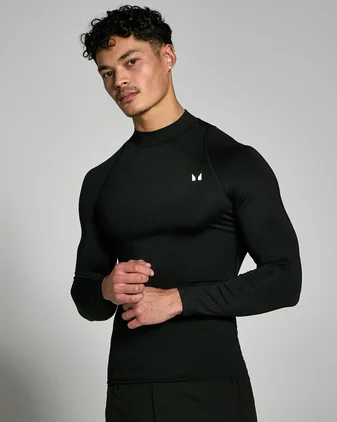
Credit: www.mp.com
Gym Clothes And Sustainability
With growing awareness of environmental issues, many people look for sustainable gym wear. Here’s what to consider:
- Eco-friendly fabrics: Materials like recycled polyester, organic cotton, or bamboo reduce environmental impact.
- Ethical manufacturing: Some brands use fair labor practices and environmentally friendly dyes.
- Durability: Well-made clothes last longer, reducing waste.
A bonus tip: Some brands offer “take-back” programs to recycle old gym clothes into new products.
Comparing Gym Clothes: Fabric, Fit, And Price
The right gym clothes depend on your priorities. Here’s a simple comparison of common fabric types:
| Fabric | Best For | Pros | Cons |
|---|---|---|---|
| Polyester | Cardio, strength | Wicks moisture, durable | Can hold odors |
| Spandex (Lycra) | Yoga, pilates | Stretchy, flexible | May stretch out over time |
| Cotton blend | Light activity | Soft, comfortable | Absorbs sweat, dries slowly |
| Bamboo | Sensitive skin | Soft, natural, antibacterial | Can be expensive |
As you shop, balance fit, durability, and cost. Many people find that a mix of fabrics gives the best results.
Gym Clothes Trends
The world of gym wear is always evolving. Here are some recent trends:
- Athleisure: Gym clothes that also look good outside the gym. Think leggings with stylish tops or joggers that double as casual wear.
- Bold prints and colors: Many brands now offer bright, unique patterns.
- High-tech fabrics: Materials that adapt to body temperature or use silver fibers to reduce odor.
- Minimal seams: Seamless construction prevents chafing.
These trends show that gym clothes are no longer just about function—they are part of everyday fashion for many people.
How To Build A Gym Wardrobe
If you are starting from scratch, here’s a simple way to build a versatile gym wardrobe:
- 2-3 tops: Mix short and long sleeves.
- 2 pairs of bottoms: Shorts and leggings or joggers.
- 1-2 sports bras (for women): Choose based on activity.
- 2 pairs of socks: Moisture-wicking, cushioned.
- 1 pair of shoes: Pick based on your main activity.
- Accessories: A towel, water bottle, and gym bag.
Rotate items and wash often. Over time, add new pieces based on your needs.
Real-world Examples: How Gym Clothes Affect Results
Many athletes and everyday gym-goers notice better performance with the right gear. For example, runners often report fewer injuries and better times when switching from old sneakers to proper running shoes. Yoga fans say that quality leggings help them focus on poses instead of adjusting clothes.
A less obvious example: People who switch from regular socks to performance socks often see a big drop in blisters and foot pain. These small changes add up over time.
Where To Learn More
If you want to explore more about gym clothes technology and trends, the Wikipedia Sportswear (Activewear) page is a helpful resource. It covers the history, fabric science, and industry changes in gym wear.
Frequently Asked Questions
What Are The Best Materials For Gym Clothes?
The best materials are moisture-wicking fabrics like polyester, nylon, and spandex blends. They keep you dry by pulling sweat away from your skin. Avoid 100% cotton for intense workouts, as it holds moisture.
How Often Should I Wash My Gym Clothes?
Wash gym clothes after every use to remove sweat and bacteria. This keeps them fresh and prevents odor buildup. Air dry when possible to protect the fabric.
How Do I Know If My Gym Clothes Fit Correctly?
Gym clothes should allow a full range of motion without being too tight or too loose. Try moving, stretching, and squatting in them. If they ride up, pinch, or restrict movement, try a different size or style.
Can I Wear Gym Clothes Outside The Gym?
Yes! Many gym clothes today are designed as athleisure, so they look good both in and out of the gym. Just be sure to wash them regularly and keep style in mind for different occasions.
How Can I Make My Gym Clothes Last Longer?
Proper care is key. Wash in cold water with mild detergent, avoid fabric softeners, and air dry when possible. Rotate between sets to prevent wear and tear on any single item.
Wearing the right gym clothes is about more than fashion—it’s about feeling comfortable, staying safe, and performing your best. With so many options available, you can find outfits that fit your body, your workout, and your personal style. Taking the time to choose wisely will help you stay motivated and make the most of every session.
