

How to Choose Gym Clothes: Expert Tips for Maximum Comfort
How To Choose Gym Clothes
Walking into a gym, your clothes say a lot before you even begin your workout. The right gym wear does more than just cover your body—it supports your movement, boosts confidence, and can even improve performance. But with endless options and technical fabrics, it’s easy to get lost.
Choosing gym clothes shouldn’t be confusing or stressful. With the right knowledge, you can pick gear that fits your body, your workout style, and your goals. This guide breaks down everything you need to know, from fabric science to style tips, so you can shop smart and train better.
Why The Right Gym Clothes Matter
Many believe any old T-shirt and shorts are enough for the gym. But gym clothes serve a bigger purpose. The right outfit helps regulate body temperature, prevents chafing, supports key muscles, and can reduce the chance of injury. Good gym wear also boosts confidence and motivation. When you feel comfortable and look good, it’s easier to stay focused and push harder. For some, investing in purpose-made clothing is a commitment to their health journey.
Understanding Different Types Of Gym Activities
Not every workout calls for the same clothing. To choose the best gym clothes, consider the main activities you do:
- Weightlifting – Requires freedom of movement, sweat management, and supportive shoes.
- Cardio (running, cycling, HIIT) – Needs moisture-wicking fabrics, breathability, and supportive sports bras or compression wear.
- Yoga/Pilates – Demands stretchy, non-restrictive, and smooth fabrics that move with your body.
- Team Sports (basketball, soccer) – Prioritizes durability and ventilation, along with flexible fit.
- CrossFit/Functional Training – Needs clothing that stays in place, resists abrasion, and handles varied movements.
Knowing your main workout style will help you pick the right materials, fits, and features.
Choosing The Right Fabrics
Fabric is the backbone of good gym wear. It affects comfort, performance, and maintenance. Here’s what you need to know about different materials:
Common Gym Wear Fabrics
| Fabric | Pros | Cons |
|---|---|---|
| Polyester | Wicks moisture, dries fast, durable | Can retain odor if not treated |
| Nylon | Soft, stretchy, resists abrasion | Can pill over time |
| Spandex (Lycra/Elastane) | Highly flexible, moves with you | Less durable on its own |
| Cotton | Soft, breathable, natural | Absorbs sweat, dries slowly |
| Bamboo | Eco-friendly, soft, antibacterial | Less common, can be pricey |
How To Pick The Best Fabric
- For high-sweat workouts like cardio, choose polyester or nylon blends for fast drying and sweat-wicking.
- For stretch-focused activities (yoga, Pilates), look for spandex or a high percentage of elastane.
- For low-impact days or casual wear, cotton or bamboo can be comfortable but aren’t great for heavy sweating.
Non-obvious insight: Some brands combine fabrics to balance benefits. For example, a shirt may blend polyester for wicking, spandex for stretch, and a small amount of cotton for softness.
Fit And Comfort: What Really Matters
Even the best fabric won’t help if the fit is wrong. Gym clothes should allow a full range of motion without riding up, sagging, or pinching.
Key Considerations For Fit
- Tops: Should be long enough to cover your torso during stretches. Avoid necklines that choke or sleeves that restrict shoulder movement.
- Bottoms: For leggings and shorts, check that waistbands stay in place. Avoid see-through fabrics by doing a squat test in the changing room.
- Compression Wear: These should feel snug but not cut off circulation. They support muscles but must not restrict blood flow.
- Shoes: Not all shoes suit every activity. Running shoes, lifting shoes, and cross-trainers all have different support and cushioning.
Practical tip: Move around in the store—do a few squats or lunges. If anything shifts, pinches, or feels rough, try a different size or style.
Breathability And Moisture Management
Staying cool and dry is critical for comfort and performance. Moisture-wicking and breathable fabrics pull sweat away from the skin and allow it to evaporate.
How To Spot Good Breathability
- Hold the fabric to the light. If you can see tiny holes or a loose weave, it’s probably breathable.
- Check for “mesh panels” in sweat-prone areas like the back or underarms.
- Look for “quick-dry” or “moisture management” labels.
Non-obvious insight: Some gym clothes use silver ions or anti-microbial treatments to reduce odor, but these wear off over time with washing.
Durability And Care
Gym clothes go through a lot—stretching, sweating, and washing. Durability matters for long-term value.
What To Look For
- Reinforced stitching (like flatlock seams) prevents tearing.
- High-denier fabrics last longer and resist pilling.
- Care instructions: Some gym wear needs gentle washing. If you don’t want to hand wash, look for machine-washable items.
Real-world Example
A pair of high-quality leggings might cost more upfront but last for hundreds of workouts. Cheap leggings can lose shape, pill, or tear after a few washes, costing more in the long run.
Style And Personal Expression
Gym clothes are also a way to express your personality. Bright colors, fun prints, and trendy cuts can make working out more enjoyable.
Balancing Style And Function
- Pick styles you feel good in, but don’t sacrifice comfort or performance for looks.
- For confidence, choose cuts that flatter your body type.
- Classic colors like black, navy, or gray are versatile and less likely to show sweat.
- If you want to try a bold trend, start with one piece (like printed leggings) and keep the rest simple.
Practical tip: Avoid overly loose clothes for activities like cycling or HIIT—these can catch on equipment or ride up.
Layering And Seasonal Considerations
Gym environments and outdoor workouts require smart layering.
Layering Basics
- Base layer: Wicks sweat and regulates body temperature.
- Mid layer: Provides warmth (like a light fleece or long-sleeve top).
- Outer layer: Protects from wind or rain.
Seasonal Adjustments
- In hot weather, pick light colors and sleeveless tops. Fabrics with UV protection are a bonus for outdoor workouts.
- In cold weather, avoid cotton (it stays wet) and use moisture-wicking base layers under warmer clothes.
Key Features In Gym Clothes
Sometimes, small details make a big difference. Here’s what to watch for:
- Pockets: Hidden or zippered pockets for keys, cards, or phones.
- Reflective details: For safety during early morning or night runs.
- Thumb holes: Keep sleeves in place during movement and add warmth.
- Gussets and panels: Extra fabric in high-movement areas for flexibility.
- Drawstrings: Adjustable waistbands for a perfect fit.
Sports Bras: The Essential For Women
A sports bra is one of the most important pieces for women. The right one prevents discomfort and long-term sagging.
How To Choose A Sports Bra
- Support Level: High-impact (running, HIIT), medium (cycling, strength), low (yoga, Pilates).
- Fit: Should be snug but not painful. Straps should stay in place but not dig in.
- Fabric: Look for moisture-wicking and quick-dry materials.
- Closure: Pullover styles are simple, but adjustable hook-and-eye closures can offer a more custom fit.
Non-obvious insight: Sports bras lose elasticity over time. If support drops or the band rides up, it’s time for a replacement.
Men’s Gym Tops: Tank, Tee, Or Compression?
Men’s workout tops aren’t just about style—they support performance.
- Tank tops: Best for hot environments and maximum arm movement.
- T-shirts: Universal, comfortable, and offer more coverage.
- Compression shirts: Support muscles and may speed recovery, but should feel snug, not restrictive.
Tip: For weight training, avoid tops with wide armholes that might catch on equipment.
Leggings, Shorts, Or Joggers?
Lower body wear affects comfort and range of motion.
- Leggings: Offer support, warmth, and coverage. Ideal for yoga, Pilates, and gym sessions.
- Shorts: Best for hot weather and cardio. Look for built-in liners for extra comfort.
- Joggers: Good for warming up, outdoor workouts, or those who prefer looser fits.
Squat test: Bend deeply in the mirror. If you see skin, underwear, or the fabric turns sheer, try a different pair.
Socks And Footwear
Don’t overlook what’s on your feet.
Socks
- Moisture-wicking: Keeps feet dry, reduces blisters.
- Cushioned: Adds comfort for running or jumping.
- Height: Ankle, crew, or no-show—choose what suits your shoes and activity.
Footwear
Different workouts need different shoes.
| Activity | Best Shoe Type | Key Features |
|---|---|---|
| Running | Running shoes | Shock absorption, flexible sole |
| Weightlifting | Lifting shoes | Flat, hard sole for stability |
| HIIT/CrossFit | Cross-trainers | Side support, versatile grip |
| Walking | Walking shoes | Soft cushioning, arch support |
Sizing And Trying On
Sizing can vary between brands. Don’t rely only on your usual size—try before you buy.
- Check size guides: Many brands have their own charts.
- Try on both tops and bottoms: Move around to test comfort.
- Order from brands with easy returns if shopping online.
Non-obvious insight: Some gym wear shrinks after the first wash. If an item feels slightly loose, it may fit perfectly after washing.
Price Vs. Value
It’s tempting to buy the cheapest option, but quality often pays off.
- Higher price can mean better fabric, fit, and durability.
- Brand reputation matters—read reviews.
- Value is about cost per use, not just price tag.
For example, a $70 pair of leggings that lasts 200 workouts is cheaper per use than a $25 pair that lasts 30.
Sustainability And Ethical Choices
Many brands now offer eco-friendly and fair-labor gym wear.
- Recycled materials: Some gym clothes use recycled polyester or nylon.
- Organic cotton: Better for the environment, but check for certifications.
- Ethical brands: Look for fair labor practices and transparent supply chains.
Choosing sustainable options helps protect the planet and often results in higher-quality gear.
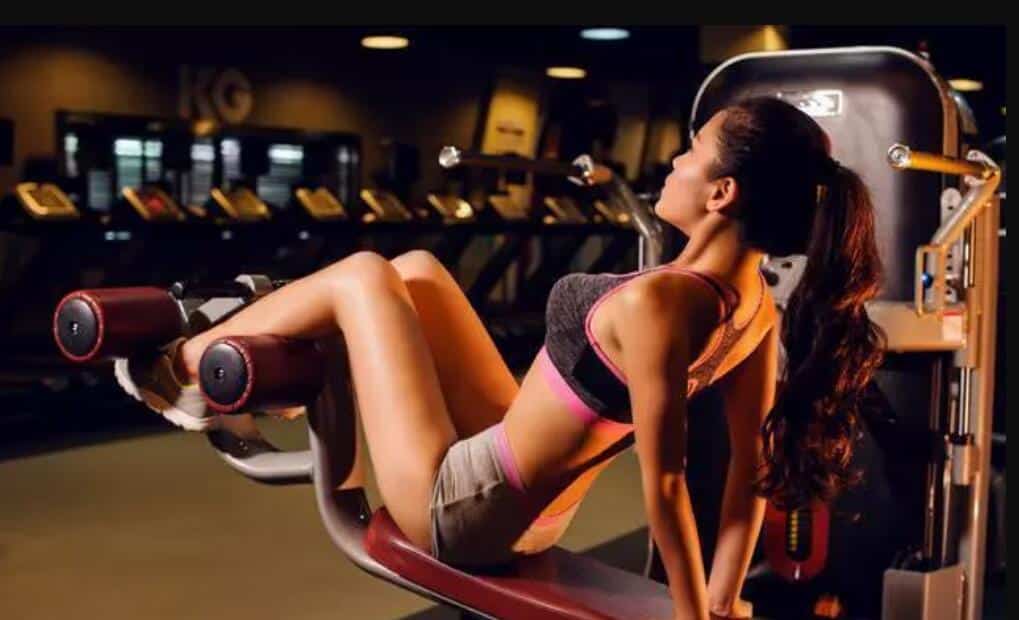
Credit: chinafitnessclothing.com
Common Mistakes When Choosing Gym Clothes
- Focusing only on looks: Style matters, but comfort and function come first.
- Ignoring fabric care: Buying gear that needs special washing, then ruining it in a hot dryer.
- Wrong fit: Choosing too-tight clothes for compression or too-loose for comfort.
- Not considering sweat management: Wearing cotton for heavy cardio (it gets heavy and stays wet).
- Neglecting shoes: Wearing running shoes for lifting or vice versa, risking injury.
- Skipping sports bras: Not realizing how much support matters for women.
- Forgetting about pockets: Realizing mid-workout you have nowhere for your locker key.
- Buying cheap, low-quality items: Saving money up front but needing to replace gear quickly.
Shopping Tips And Where To Buy
- Try before you buy when possible. Movement tests reveal a lot.
- Shop during sales for better prices on quality brands.
- Check return policies before buying online.
- Read reviews for real-world feedback on fit and durability.
- Visit specialty stores for expert advice and fitting.
- Don’t buy all at once—start with the essentials and add pieces as you learn what you like.

Credit: livefit.com
Caring For Your Gym Clothes
Good care extends the life of your workout gear.
- Wash after every use to remove sweat and bacteria.
- Use gentle detergent and avoid fabric softener (it can block moisture-wicking).
- Air dry when possible to preserve fabric stretch and shape.
- Store dry and avoid piling damp clothes in your bag.
Practical tip: Turn clothes inside out before washing to protect prints and color.
When To Replace Your Gym Clothes
Even the best gear wears out. Replace gym clothes when:
- Elasticity fades—waistbands or bras no longer stay in place.
- Fabric pills or thins, or seams split.
- Persistent odor stays after washing.
- Shoes lose grip or support.
Don’t wait for a wardrobe malfunction mid-workout. Fresh gear helps you stay motivated and safe.
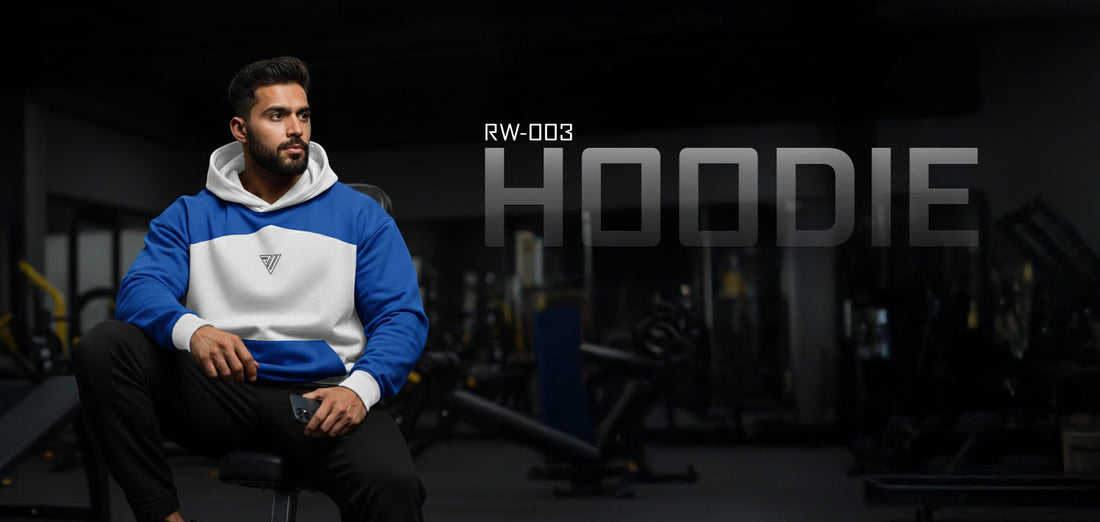
Credit: proultimatesports.com
Real-world Examples: Matching Gym Clothes To Activities
Let’s look at two gym-goers with different needs:
Example 1: Cardio Enthusiast
Maria runs and does HIIT classes. She chooses:
- Moisture-wicking leggings with a high-rise waist
- A medium-support sports bra
- A lightweight, mesh-panelled tank top
- Cushioned, moisture-wicking socks
- Running shoes with good shock absorption
This setup keeps her dry, supported, and free to move fast.
Example 2: Powerlifter
James lifts heavy three times a week. He wears:
- Compression shorts for muscle support
- A loose, breathable T-shirt
- Flat, hard-soled lifting shoes
- Crew socks for ankle coverage
- Wrist wraps for extra support
His clothes allow strong, stable movements and prevent slipping.
Making Gym Wear Work For Your Body Type
Everyone’s body is different, and the best gym clothes highlight your strengths.
- If you have a larger chest: Look for higher-neck sports bras and tops for coverage.
- If you carry more weight at the waist: Try high-rise leggings or shorts for support and shaping.
- If you’re tall: Seek out “tall” or “long” versions for proper coverage.
- If you’re petite: Cropped leggings and fitted tops prevent excess fabric.
Confidence insight: The right fit helps you focus on your workout, not your outfit.
Gender-specific Tips
For Women
- Avoid see-through leggings by choosing thicker, double-knit fabrics.
- High-waisted leggings offer more support and coverage for squats or yoga.
- Try different sports bra styles—racerback, cross-back, or adjustable straps—until you find your best fit.
For Men
- Compression shorts under regular shorts prevent chafing.
- Look for tops with raglan sleeves for better shoulder movement.
- Avoid ultra-baggy pants, which can catch on equipment.
Gym Clothes For Special Needs
Some athletes have unique requirements.
- Allergies: Seek hypoallergenic or organic fabrics.
- Disabilities: Adaptive gym wear offers easier closures, longer zippers, and extra grip.
- Post-surgery: High-compression wear or seamless fabrics reduce irritation.
Technology In Modern Gym Wear
Today’s gym clothes offer more than just basic function.
- Smart fabrics: Some regulate temperature or track heart rate.
- UV protection: Built into outdoor workout gear.
- Anti-microbial treatments: Help reduce odor between washes.
If you love gadgets, look for brands that offer these tech features.
Where To Learn More
For in-depth information on fabric technology and exercise clothing, check out the Wikipedia Sportswear page.
Frequently Asked Questions
What Is The Best Fabric For Gym Clothes?
Polyester and nylon blends are top choices because they wick moisture, dry quickly, and are durable. For stretch-heavy activities, look for spandex or elastane.
How Many Sets Of Gym Clothes Do I Need?
Aim for at least three to five sets. This allows for laundry days and different workouts. If you train daily, more sets reduce wear and tear.
How Should Gym Clothes Fit?
They should be snug but not tight—allowing full movement without riding up, pinching, or sagging. Compression wear is an exception and should feel firmly supportive.
Can I Wear Cotton For Workouts?
Cotton is comfortable for low-sweat activities but holds moisture during intense workouts. For heavy sweating, stick to synthetic blends.
How Often Should I Replace Gym Clothes?
Replace gym clothes when elasticity fades, fabric thins, or odors persist after washing. Shoes should be replaced once support or tread breaks down, usually after several hundred miles of use.
Choosing the right gym clothes is an investment in your health and confidence. With these tips, you’re ready to find gear that supports your goals, fits your body, and makes every workout better.
