

Gym Clothes Ideas Men: Top Outfits for Style and Performance
Gym Clothes Ideas Men
The right gym clothes do more than just cover your body. They boost your confidence, help you move better, and keep you comfortable while you work out. Many men still wear old cotton shirts and shorts to the gym, not realizing how much the right outfit can improve their performance.
Finding the best gym clothes is not about following every trend—it’s about matching your training style, body type, and comfort needs. If you want to feel better, look better, and get the most from each workout, this guide is for you.
This article gives you practical gym clothes ideas for men, covering the best tops, bottoms, shoes, accessories, and even laundry tips. You’ll learn what to wear for weightlifting, cardio, yoga, and outdoor workouts. You’ll also get advice on choosing the right fit, fabric, and style for your routine.
Whether you’re a beginner or a regular gym-goer, you’ll find ideas here that can make a real difference.
Why Gym Clothes Matter
Most people focus on exercises and forget about what they wear. But the right gym clothes can:
- Improve performance: Technical fabrics wick away sweat, keeping your body cool and dry.
- Prevent injuries: Well-designed shoes and compression wear give support where you need it most.
- Boost confidence: When you look good, you feel more motivated to push harder.
- Reduce distractions: No more adjusting baggy shorts or dealing with sweat-soaked shirts.
Still, many men think any old t-shirt will do. But once you try real gym wear, you notice the difference—less chafing, fewer distractions, and better workouts.
Choosing The Right Gym Tops
The top you wear is the first thing you (and others) notice. But choosing a gym top isn’t just about looks. It’s about breathability, movement, and temperature control.
T-shirts
The classic workout t-shirt is a staple. Avoid 100% cotton, which traps moisture and feels heavy. Instead, look for:
- Polyester or nylon blends: These wick sweat and dry quickly.
- Raglan sleeves: For better movement, especially during upper-body work.
- Slim but not tight fit: Too loose, and it catches on equipment; too tight, and it restricts movement.
Non-obvious tip: Try t-shirts with mesh panels under the arms or across the back. This improves airflow and helps prevent overheating.
Tank Tops
For hot gyms or intense workouts, tank tops offer maximum ventilation. They’re especially popular with men who want to show off their arms or shoulders. Look for:
- Wide shoulder straps: More comfort and less chance of slipping.
- Moisture-wicking fabrics: To avoid sweat stains.
Insider tip: If you’re new to tanks, wear them for solo sessions first. This helps you get comfortable before wearing them in a crowded gym.
Long-sleeve Shirts
Perfect for cooler gyms, outdoor runs, or anyone who wants sun protection. Choose:
- Compression styles: Offer light muscle support and warmth.
- Thumb holes: Keep sleeves in place during movement.
Beginner mistake: Many men avoid long sleeves, thinking they’re too hot. But lightweight, technical fabrics can actually keep you cooler by wicking sweat from the skin.
Hoodies And Sweatshirts
Great for warming up or cold-weather training. The best gym hoodies are:
- Lightweight and stretchy
- Zip-up or pullover depending on preference
Don’t wear heavy cotton sweatshirts—choose modern blends that won’t soak up sweat.
Best Bottoms For The Gym
What you wear below the waist has a huge impact on comfort and movement. There’s no single best option; the right choice depends on your workout.
Shorts
Gym shorts come in many styles. For most men, a length just above the knee is best—long enough for coverage, short enough for movement.
Key things to look for:
- Built-in liners: For support during running or HIIT.
- Stretch fabric: Allows squats and lunges without restriction.
- Zipper pockets: Keep keys or cards secure.
Pro tip: Avoid basketball shorts unless you’re actually playing basketball—they tend to be too long and baggy for most gym exercises.
Joggers
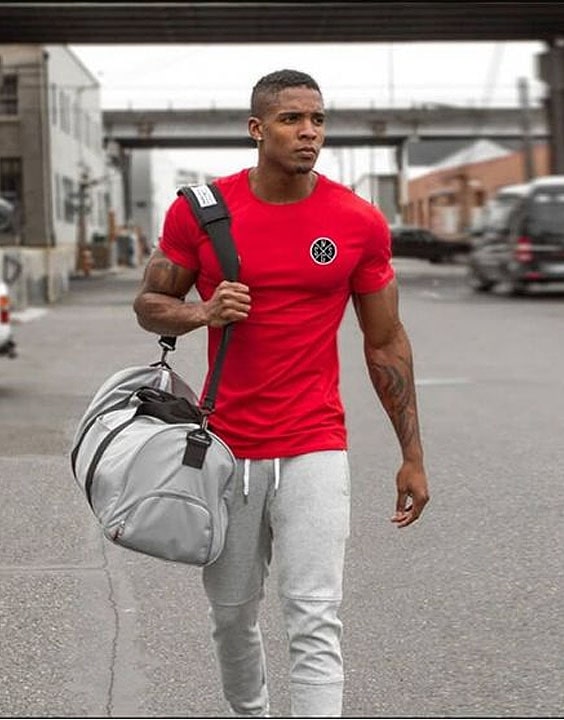
Joggers are close-fitting sweatpants, usually with elastic cuffs at the ankle. They’re perfect for weight training, warm-ups, or cool-downs.
Choose:
- Tapered legs: Prevents fabric from catching on equipment.
- Breathable material: Look for polyester or blends with spandex.
Common mistake: Wearing old cotton sweatpants. They soak up sweat and can restrict movement.
Compression Tights
More men are choosing compression tights for running, weightlifting, or recovery. They offer:
- Muscle support
- Improved blood flow
- Reduced soreness
You can wear them alone (if you’re confident) or under shorts.
Unexpected benefit: Compression tights can help you notice and correct form mistakes, since you see your muscle movement clearly.
Track Pants
For outdoor workouts or colder gyms, track pants are a good choice. Look for options with:
- Zippers at the ankles: Easy to take off over shoes.
- Water-resistant finish: If you’re training outside.
They’re also a good choice for men who prefer more coverage.
Underwear For The Gym
Many men ignore underwear when planning gym outfits, but the right underwear prevents chafing, supports your movements, and keeps you comfortable.
Boxer Briefs
The best all-rounder for most workouts. Choose:
- Moisture-wicking fabric: Keeps you dry.
- No seams in sensitive areas: Prevents rubbing.
Compression Shorts
These act like a base layer, giving muscle support and reducing friction. They’re great under shorts for running or HIIT.
Hidden insight: The right compression shorts can also help prevent ride-up, which is common with loose underwear.
Jockstraps And Athletic Supporters
For heavy lifting or high-impact sports, some men prefer jockstraps. They offer maximum support and prevent injury.
Caution: Not everyone finds jockstraps comfortable for regular gym sessions, but they can be useful for certain sports.
Gym Shoes: What To Wear On Your Feet
Wearing the wrong shoes is one of the fastest ways to get injured or ruin your session. The best gym shoes depend on your workout style.
Running Shoes
These are designed for forward movement and shock absorption. Perfect for treadmill sessions, HIIT, or cardio classes.
Look for:
- Cushioned midsole
- Breathable mesh upper
- Secure heel support
Mistake to avoid: Using running shoes for heavy squats or deadlifts—they can be too soft and unstable for lifting.
Training Shoes
Also called cross-trainers, these are made for side-to-side movement and mixed workouts. They have:
- Flat, stable sole
- Extra lateral support
Ideal for circuit training, classes, or gym machines.
Lifting Shoes
If you’re serious about weightlifting, consider lifting shoes. They have:
- Raised heel: Helps squat depth and form.
- Solid, non-compressible sole: For maximum power transfer.
Not needed for beginners, but a smart buy as you progress.
Minimalist/barefoot Shoes
Some men prefer shoes that let the foot move naturally. Minimalist shoes have a thin sole and little cushioning.
Tip: Start slow—your feet and calves need time to adjust.
Slides Or Slip-ons
For the locker room or post-workout. Never wear slides for actual exercise, but they’re handy for changing or quick showers.
Socks: The Overlooked Detail
Socks get little attention, but they’re essential for comfort and foot health.
Ankle Socks
The most popular choice—short enough to stay cool but high enough to prevent blisters.
Crew Socks
Some men prefer the look or extra ankle protection. Great for lifting or cooler weather.
Compression Socks
Used for recovery or long runs, these can reduce swelling and muscle soreness.
Advanced tip: Look for socks with arch support or cushioned soles if you’re prone to foot pain.

Credit: www.youtube.com
Accessories That Help Your Workout
The right accessories can make your gym session smoother and more enjoyable.
Gym Gloves
Protect your hands from blisters and improve grip. Popular for weightlifting.
Insider tip: Choose gloves with breathable mesh to avoid sweaty palms.
Headbands And Wristbands
Keep sweat out of your eyes and off your hands. Simple but effective.
Lifting Belts
Support your lower back during heavy lifts. Only use them for max-effort sets—not every exercise.
Arm Sleeves And Knee Sleeves
Provide light compression and warmth. Useful for joint support and injury prevention.
Water Bottles
Stay hydrated with a sturdy, reusable bottle. Some prefer bottles with built-in strainer for fruit or supplements.
Gym Bags
Keep your gear organized and separate sweaty clothes from clean items. Choose a bag with:
- Separate shoe compartment
- Waterproof lining
Choosing The Right Fabrics
The material you wear at the gym affects everything from comfort to odor control.
- Polyester and nylon: Lightweight, dries fast, and wicks moisture.
- Spandex/Lycra: Adds stretch, key for fitted clothes.
- Merino wool: Unusual but excellent for odor resistance and temperature control.
- Cotton: Soft but not recommended for intense workouts—holds sweat and gets heavy.
Lesser-known option: Some brands use bamboo or eucalyptus fibers. These are naturally anti-bacterial and feel silky smooth.
Credit: www.stadedembour.com
Outfits For Different Workouts
Not all workouts need the same gear. Here’s how to choose for each type:
Weightlifting
- Slim-fit t-shirt or tank
- Joggers or shorts with stretch
- Flat-soled shoes or lifting shoes
- Weightlifting belt (for heavy lifts)
- Wrist wraps or gloves (optional)
Cardio And Hiit
- Lightweight, sweat-wicking t-shirt
- Shorts with built-in liner
- Running or cross-training shoes
- Headband for sweat
Yoga And Stretching
- Fitted or compression t-shirt
- Stretchy joggers or tights
- Barefoot or grip socks
Useful insight: Avoid zippers or bulky pockets—they dig into your back during floor work.
Outdoor Training
- Layered tops (t-shirt plus light jacket)
- Weather-resistant joggers or track pants
- Hat or beanie for sun or cold
- Gloves for chilly mornings
Group Fitness Classes
- Bright, comfortable t-shirt (lets instructor see form)
- Shorts or joggers with zipper pocket
- Shoes suited to the class style
How To Choose Gym Clothes For Your Body Type
The best gym clothes fit well and make you feel good, no matter your build.
- Tall, slim men: Look for fitted tops and joggers to add shape.
- Muscular men: Choose stretch fabrics that show off your physique but aren’t skin-tight.
- Heavier men: Dark colors and structured cuts are flattering; avoid baggy clothes that hide your form.
- Shorter men: Shorts above the knee and slim-fit shirts give a longer look.
Not-so-obvious tip: Try on clothes and move around—squat, reach, twist. If anything pinches or rides up, skip it.
Color And Style Tips
You don’t have to stick to black or gray.
- Bright colors: Boost mood and motivation.
- Color blocking: Panels or stripes can highlight your favorite features.
- Patterns: Camo, geometric, or subtle prints add interest.
Style advice: Match your shoes or accessories with a color in your outfit for a pulled-together look.
Caring For Gym Clothes
Good gym clothes aren’t cheap. Take care of them so they last longer and stay fresh.
- Wash after every use. Sweat can cause bacteria and odor.
- Avoid fabric softener. It coats fibers and reduces sweat-wicking ability.
- Air dry when possible. Heat breaks down stretch fibers.
- Wash similar fabrics together. This prevents rough materials from damaging delicate ones.
- Use a sports wash or vinegar. Removes stubborn smells.
Pro tip: Turn clothes inside out before washing to protect prints and color.
Budgeting For Gym Clothes
You don’t need to spend a fortune to look and feel good at the gym.
- Invest in key pieces: Shoes, 2–3 tops, 2–3 bottoms, 1–2 pairs of good socks.
- Mix and match: Choose neutral colors that work together.
- Try outlet or online sales: You can often find high-quality brands at a discount.
Insider secret: Some brands offer “previous season” collections at big discounts, with nearly the same features as current models.
Top Brands For Men’s Gym Clothes
Here’s a quick look at some popular brands and what they’re known for:
| Brand | Strength | Price Level |
|---|---|---|
| Nike | Performance fabrics, wide range | Medium-High |
| Adidas | Classic style, durable | Medium |
| Under Armour | Compression gear, sweat-wicking | Medium |
| Reebok | Functional designs | Medium |
| Gymshark | Trendy, fitted styles | Medium |
| Decathlon | Value for money, good basics | Low |
Tip for beginners: Start with 2–3 pieces from a mid-range brand and build your collection as you learn what you like.
Seasonal Gym Clothes Advice
Your gym clothes might change with the season, especially for outdoor training.
Warm Weather
- Go for light colors, mesh panels, and tanks.
- Choose thin, breathable socks.
- Use sweatbands or hats for sun protection.
Cold Weather
- Layer: Start with a base layer, then a long-sleeve, add a hoodie or light jacket.
- Pick thermal or fleece-lined joggers.
- Don’t forget gloves or ear warmers.
Advanced tip: Some fabrics are “thermoregulating”—they keep you warm in winter and cool in summer. Worth trying if you train year-round.
Comparing Gym Clothes For Different Needs
Choosing the right outfit depends on your main activity. Here’s a side-by-side look:
| Activity | Best Top | Best Bottom | Best Shoes |
|---|---|---|---|
| Weightlifting | Fitted tee/tank | Joggers/Shorts | Flat-soled/Lifting |
| Cardio/HIIT | Sweat-wicking tee | Shorts with liner | Running/Trainers |
| Yoga | Fitted tee | Tights/Joggers | Barefoot/Grip socks |
| Outdoor | Layered tops | Track pants | Weatherproof |
Smart Tips For Buying Gym Clothes
- Check return policy: Fit matters. Make sure you can exchange if needed.
- Read reviews: Other users share if clothes shrink or stretch out.
- Test movement: Always move in new clothes before removing tags.
- Look for multipurpose items: A good pair of joggers can work for the gym, errands, or lounging.
- Avoid flashy logos: They go out of style quickly. Stick to simple designs.
Mistakes Men Make With Gym Clothes
Even experienced gym-goers get it wrong sometimes. Here are common mistakes to avoid:
- Wearing old cotton shirts that get heavy and smelly
- Choosing shoes with too much or too little support
- Ignoring the importance of fit—baggy isn’t always better
- Forgetting about underwear and socks
- Neglecting to wash gym clothes properly, leading to odor and fabric breakdown
Expert insight: The best gym outfit is one you don’t have to think about once you start your workout—it fits right, feels good, and lets you focus on your goals.
Gym Clothes For Special Needs
Men with certain needs (like sensitive skin, larger sizes, or allergies) should look for:
- Seamless designs: Prevent chafing
- Hypoallergenic fabrics: Like bamboo or merino wool
- Extended size ranges: Many brands now offer tall or big sizes
Not-so-obvious: Adaptive gym wear is available for men with limited mobility—look for magnetic closures or extra-stretchy panels.
Where To Find Inspiration
Many men get gym style ideas from:
- Fitness influencers on social media
- Pro athletes (look for their off-duty training gear)
- Gym brand lookbooks and websites
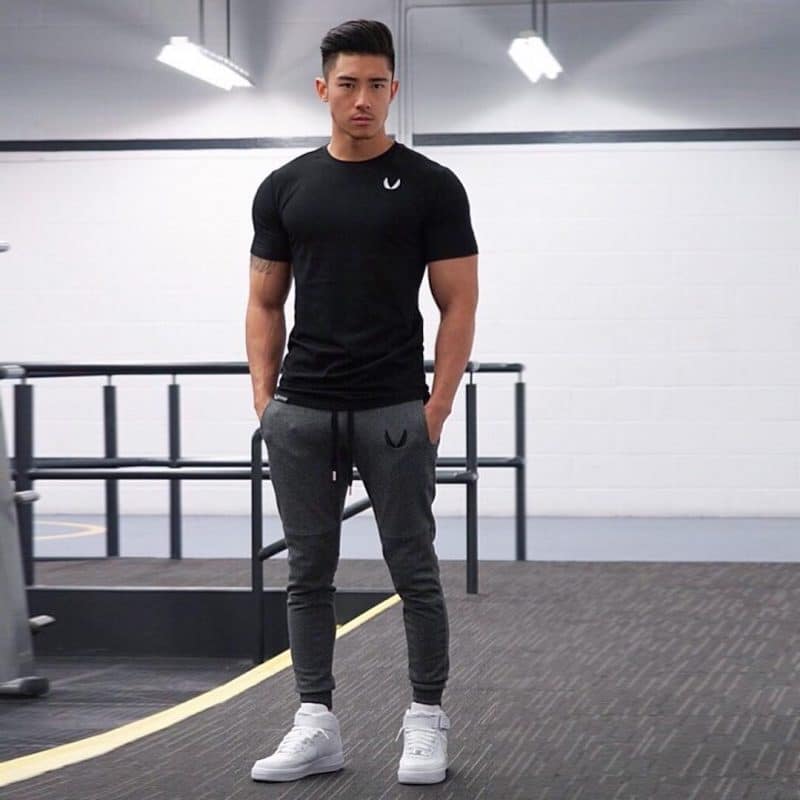
But remember, comfort and function should always come before copying someone else’s look.
For more in-depth advice on athletic wear technology and trends, visit Wikipedia’s Athletic Wear page.
Credit: www.stadedembour.com
Frequently Asked Questions
What Is The Best Fabric For Gym Clothes?
The best fabrics are polyester, nylon, and spandex blends. They wick sweat, dry quickly, and let you move freely. Avoid 100% cotton for intense workouts.
Should Gym Clothes Be Tight Or Loose?
Gym clothes should be fitted but not tight. You want enough support and shape without restricting your movement. Try different fits for tops and bottoms to see what feels best for your routine.
How Often Should I Replace Gym Clothes?
Replace gym clothes when they lose shape, stretch out, or stay smelly after washing. Most people need new shoes every 6–12 months if training regularly.
Can I Wear Gym Clothes Outside The Gym?
Yes, many gym clothes double as casual wear. Joggers, fitted tees, and hoodies are common for errands or lounging. Just make sure they’re clean and in good condition.
What’s The Most Important Gym Clothing Item To Invest In?
Shoes are the most important. The right pair prevents injuries and supports your training style. Second is a few high-quality tops and bottoms that fit well and last.
The right gym clothes can change how you feel and perform at the gym. By focusing on fit, fabric, and function, you can build a wardrobe that matches your workout and style. Don’t be afraid to experiment—try new materials, colors, and brands until you find what works for you.
Remember, the best gym outfit is the one that lets you focus on your training, not your clothes. With the ideas and tips in this guide, you’re ready to look and feel your best every time you step into the gym.
