

How to Buy Gym Clothes: Expert Tips for the Perfect Fit
How To Buy Gym Clothes
Finding the right gym clothes can be confusing, especially with so many options and brands. If you’re starting your fitness journey or want to upgrade your workout wardrobe, making the right choices is important. The right gym clothes help you feel confident, move better, and even improve performance.
But with all the marketing hype and flashy designs, how do you know what actually matters?
Buying gym clothes isn’t just about style. It’s about comfort, function, and even safety. The wrong outfit can restrict your movement, make you overheat, or simply not last. Many people make mistakes by focusing only on looks or buying whatever is cheapest.
In this guide, you’ll learn how to buy gym clothes that fit your needs, your body, and your goals. You’ll also see what features matter, how to compare options, and what to avoid. Let’s make shopping for gym clothes simple and smart.
Understanding Your Needs
Before you buy anything, it’s important to understand your personal needs. Gym clothes are not “one size fits all. ” The right choice depends on what activities you do, your body type, and your budget.
People who do weightlifting need different gear than those who run or do yoga. Weightlifters may want stretchy shorts and fitted tops for safety and range of motion. Runners need clothes that wick sweat and prevent chafing. For yoga, you want soft, flexible fabrics that move with you.
Your body shape also matters. If you have a larger chest, you need a supportive sports bra. If you sweat a lot, look for moisture-wicking fabrics. If you’re on a budget, focus on a few high-quality basics instead of buying many cheap items.
Think about your fitness goals and the climate you live in. If you train outdoors, you need weather-appropriate layers. If you work out indoors, breathability and comfort are key.
Key Factors When Buying Gym Clothes
Choosing gym clothes is more than picking a favorite color or the latest trend. Here are the most important factors to consider:
1. Fabric And Material
The fabric of your gym clothes affects how you feel and perform. The main types are:
- Cotton: Soft and breathable, but it absorbs sweat and gets heavy.
- Polyester: Lightweight, dries fast, and wicks moisture. Very common in sportswear.
- Nylon: Smooth, quick-drying, and durable. Good for tights and leggings.
- Spandex (Lycra/Elastane): Very stretchy. Often blended with other materials for flexibility.
- Bamboo: Soft and eco-friendly, but usually more expensive.
You want fabrics that are moisture-wicking, meaning they pull sweat away from your skin. This keeps you dry and comfortable. Avoid 100% cotton for intense workouts because it holds moisture.
2. Fit And Comfort
The fit of your gym clothes can change your workout. Clothes that are too tight can restrict movement and cause discomfort. Too loose, and they can get in the way or even catch on equipment.
Here’s what to look for:
- Tops: Should allow full arm movement. Some prefer fitted for support, others looser for comfort.
- Bottoms: Shorts for cardio, leggings for stretching, joggers for warmth. Try bending and squatting in them before buying.
- Sports bras: For women, support is crucial. Choose based on your activity’s impact level.
Try on clothes and move around. Raise your arms, squat, twist. Make sure nothing pinches or rides up.
3. Durability And Quality
Quality matters for gym clothes because they take a lot of wear and tear. Look for:
- Strong seams: Flatlock or reinforced seams last longer and prevent irritation.
- Thick fabrics: Thin or see-through fabrics wear out quickly, especially leggings.
- Colorfastness: Cheaper clothes fade in the wash or bleed color when you sweat.
Well-made gym clothes cost more but last longer. Over time, you save money by not having to replace items often.
4. Sweat And Odor Control
Some materials have antimicrobial properties to reduce odor. This is useful if you sweat heavily or can’t wash your clothes after every use.
Check for special treatments or fabrics like bamboo or polyester blends designed to fight bacteria and odor.
5. Style And Design
Style is personal, but it does matter. If you feel good in your gym clothes, you’re more likely to stick with your workouts.
Options include bright colors, patterns, or simple neutrals. Choose designs that make you feel confident. Some brands also offer features like hidden pockets or reflective stripes for safety.
6. Price And Value
Don’t buy the cheapest gear you find. It usually wears out fast or doesn’t perform well. But you also don’t need to buy the most expensive brands. Focus on value: well-made, functional clothes at a reasonable price.
Set a budget and buy a few essentials first. You can add more items later as you discover what you like best.
7. Brand Reputation
Some brands are known for quality gym clothes, but new or local brands can also be good. Read reviews and ask friends for recommendations. Well-known brands usually have better return policies and customer service.
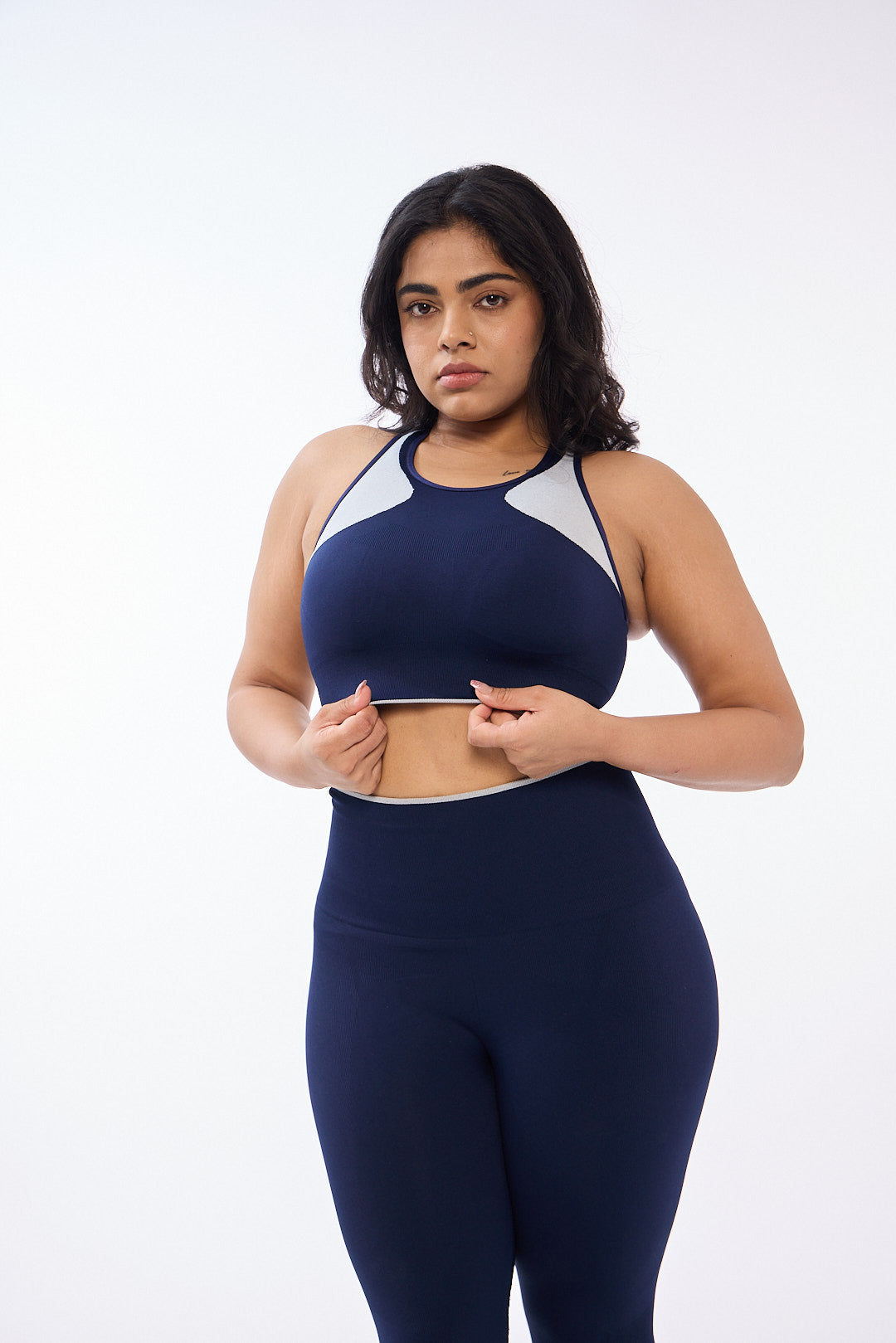
Credit: allurelakestorey.com
Essential Gym Clothes For Men And Women
Not every gym wardrobe is the same, but there are basics everyone needs. Here’s a breakdown for both men and women:
For Men
- Workout T-shirts or Tanks: Look for moisture-wicking and lightweight.
- Gym Shorts: Choose with enough stretch for squats or lunges.
- Compression Shorts: Worn under shorts for support and to prevent chafing.
- Track Pants or Joggers: For colder weather or warm-ups.
- Hoodie or Sweatshirt: Layer for warmth before or after workouts.
- Athletic Socks: Breathable, cushioned, and anti-blister.
- Supportive Underwear: Avoid cotton, which holds moisture.
For Women
- Sports Bras: Essential for support. Choose based on activity intensity.
- Workout Tanks or Tees: Moisture-wicking and comfortable.
- Leggings or Capris: High-waisted for coverage during movement.
- Gym Shorts: For cardio or hot weather.
- Long-Sleeve Top or Hoodie: For layering.
- Athletic Socks: As with men, look for moisture-wicking.
- Supportive Underwear: Seamless options to avoid lines.
Some items, like hats or gloves, may be useful for outdoor workouts.
Comparing Materials For Gym Clothes
To help you see the differences, here’s a simple comparison:
| Material | Pros | Cons | Best For |
|---|---|---|---|
| Cotton | Soft, breathable, affordable | Holds sweat, dries slowly | Light exercise, casual wear |
| Polyester | Dries fast, moisture-wicking, durable | Can hold odor, less soft | Cardio, HIIT, running |
| Nylon | Stretchy, smooth, quick-drying | Can pill over time, costlier | Yoga, strength training |
| Spandex | Very stretchy, flexible | Rarely used alone, can lose shape | Leggings, fitted tops |
| Bamboo | Soft, eco-friendly, odor-resistant | Expensive, less common | Yoga, pilates, low-impact |

Credit: allurelakestorey.com
Choosing The Right Fit
Fit is not just about size. It's about how the clothing works with your body and your movements. Here’s how to check:
- Tops: Should cover your torso even when you stretch or raise your arms.
- Bottoms: Bend, squat, and sit to check for comfort and coverage.
- Sports Bras: Try jumping or running in place to test support.
- Waistbands: Should stay in place but not dig into your skin.
- Leggings: Look for "squat-proof" — not see-through when you bend.
Trying on different brands and styles can help. Sizing can change between brands, so check their size charts and try on before buying if possible.
How To Build A Basic Gym Wardrobe
You don’t need a closet full of gym clothes. Start with a few essentials and add more as you learn what you like. Here’s a sample starter wardrobe:
- 2–3 tops (t-shirts or tanks)
- 2 bottoms (shorts, leggings, or joggers)
- 2 sports bras (for women)
- 3–4 pairs of athletic socks
- 1 hoodie or sweatshirt
- 1 pair of supportive shoes (not covered in detail here, but essential)
This allows you to wash and rotate your clothes. Over time, add items based on your favorite activities.

Credit: allurelakestorey.com
How To Shop For Gym Clothes
Shopping for gym clothes can be done in stores or online. Each has pros and cons.
Shopping In Stores
- Try on clothes: Check fit and comfort.
- Feel the fabric: See if it’s soft, stretchy, and the right thickness.
- Check returns: Make sure you can return or exchange if needed.
Shopping Online
- Read reviews: Learn from others’ experiences about fit and durability.
- Check size charts: Every brand is different.
- Look for return policies: Make sure you can return items if they don’t fit.
Online shopping usually has more options and better deals, but you can’t try on before buying. Many stores now offer free returns to make it easier.
Gym Clothes For Different Activities
Not all gym clothes work for every activity. Here’s what to focus on for popular types of exercise:
Weightlifting
- Fitted tops: Prevent barbell snags.
- Stretchy shorts or leggings: Allow deep squats.
- Wrist wraps or gloves: Optional for grip and wrist support.
Cardio (running, Hiit)
- Moisture-wicking tops and shorts: Keep you dry.
- Compression gear: Can help with muscle support.
- Reflective details: For outdoor safety.
Yoga Or Pilates
- Soft, stretchy leggings or pants: Allow full movement.
- Fitted tops: Don’t ride up in poses.
- Barefoot or grip socks: For mat work.
Group Classes
- Flexible clothes: For a wide range of movements.
- Layers: Easy to add or remove as you warm up.
Matching the right gear to your workout makes a big difference in comfort and performance.
Mistakes To Avoid When Buying Gym Clothes
Many people waste money or get frustrated by making these common mistakes:
- Buying only trendy items: Fashion fades, but function lasts. Focus on comfort and quality first.
- Ignoring fabric: Cheap cotton t-shirts soak up sweat and can cause rashes.
- Wrong size: Too small can chafe or restrict. Too big can get caught on equipment.
- Overlooking returns: Especially important when shopping online.
- Forgetting about layers: You need options for different temperatures.
- Ignoring care instructions: Some gym clothes need gentle washing or air drying. Ignoring this shortens their life.
- Not checking transparency: Thin leggings can be see-through when stretched.
A good tip: buy one item, try it for a few workouts, then buy more if you like it.
How To Care For Gym Clothes
Proper care helps your gym clothes last longer and perform better. Here’s how:
- Wash soon after wearing: Sweat can damage fabric and cause odor.
- Use cold water: Hot water can break down stretchy materials.
- Avoid fabric softener: It coats fibers and reduces moisture-wicking.
- Air dry: High heat can damage elastic and shrink clothes.
- Turn inside out: Protects color and fabric surface.
Some high-end gym clothes offer special care instructions. Always check the label.
Comparing Price Ranges And What You Get
Cost can vary a lot between brands. Here’s a general idea of what to expect:
| Price Range | What You Get | Typical Brands |
|---|---|---|
| Low ($10–$25) | Basic fabrics, may wear out quickly, limited features | Generic, department store |
| Mid ($25–$60) | Better fit, moisture-wicking, more styles | Old Navy, Adidas, Nike (basic lines) |
| High ($60+) | Advanced fabrics, special features, lasts longer | Lululemon, Gymshark, Under Armour |
Higher prices can mean better quality, but not always. Read reviews and check return policies to make smart choices.
Sustainable And Eco-friendly Options
More people are interested in sustainable gym clothes. These are made from recycled materials, organic cotton, or bamboo. Production may use less water or energy.
Eco-friendly brands often cost more, but they’re better for the planet. Look for certifications like Global Organic Textile Standard (GOTS) or OEKO-TEX. Some mainstream brands now offer green lines.
A non-obvious tip: Some recycled fabrics perform better for sweat and odor control than traditional materials.
Special Features To Consider
Some gym clothes offer special features that can make workouts easier:
- Hidden pockets: For keys, cards, or phones.
- Reflective details: For visibility when running at night.
- Mesh panels: For extra ventilation.
- Thumb holes: Keep sleeves in place and hands warm.
- Seamless construction: Reduces chafing.
Think about your needs and pick features that fit your routine. For example, runners might want zip pockets, while lifters might prefer thick waistbands.
Trying Clothes On: What To Check
If you’re in a store, don’t just stand in front of the mirror. Move around! Here’s what to try:
- Stretch arms overhead: Shirt should not ride up too much.
- Squat deeply: Leggings should stay in place and not become see-through.
- Jump or jog in place: Check if sports bras and tops give enough support.
- Check seams and tags: Look for anything scratchy or uncomfortable.
Some features, like pockets or drawstrings, are hard to test until you use them, so look for reviews online.
Signs Of Poor Quality
Even expensive clothes can be poorly made. Watch for:
- Loose threads or weak seams
- Thin, see-through fabric where it shouldn’t be
- Logos or prints that peel after one wash
- Uncomfortable tags or rough edges
If you see these issues in the store, it’s best to skip that item.
When To Replace Gym Clothes
No gym clothes last forever. Here’s when to replace them:
- Stretched out: Waistbands or bras lose support.
- Odor won’t wash out: Bacteria can build up over time.
- Holes or tears: Especially in high-movement areas.
- Fabric thins: When leggings or shirts become see-through.
Pay attention to how your clothes feel and look. Replace as needed for comfort and hygiene.
Common Beginner Questions
Beginners often wonder:
- How many outfits do I need? Start with 2–3, then add as you go.
- Do I need “matching” sets? Not necessary, but they can boost confidence.
- Is expensive always better? Not always. Focus on fit and features.
You’ll discover your own preferences over time.
Where To Find More Information
If you want to go deeper, check guides from fitness experts or sportswear companies. For scientific studies on fabrics and performance, the Wikipedia page on moisture-wicking fabric is a good place to start.
Frequently Asked Questions
What Are Moisture-wicking Fabrics, And Why Do They Matter?
Moisture-wicking fabrics pull sweat away from your skin and help it evaporate quickly. This keeps you dry and prevents chafing and irritation. Polyester and nylon blends are commonly used for this purpose in gym clothes.
How Should Gym Clothes Fit?
Gym clothes should allow you to move freely without being too loose or too tight. Tops should not ride up, bottoms should stay in place during movement, and sports bras should support without digging into your skin.
How Often Should I Wash Gym Clothes?
Wash gym clothes after every workout, especially if you sweat a lot. This prevents odor and bacteria buildup. Always follow the care instructions on the label to keep them in good condition.
Do I Need Special Gym Clothes For Different Activities?
Yes. Running, weightlifting, yoga, and other workouts have different needs. For example, runners need breathable, moisture-wicking clothes, while yoga needs soft, flexible fabrics. Choose clothes designed for your main activities for best comfort and performance.
Are Expensive Gym Clothes Worth It?
Not always. Expensive gym clothes often have better fit, durability, and features, but you can find good quality at mid-range prices. Focus on the features you need, check reviews, and compare options before deciding.
Finding the right gym clothes is about understanding your needs, choosing quality and comfort, and picking features that fit your workouts. With these tips, you’ll be ready to build a gym wardrobe that works for you—helping you feel good, perform better, and stay motivated every time you train.
