

Why Do Sports Clothes Smell? Causes and Easy Fixes
Why Do Sports Clothes Smell
Everyone who enjoys sports or goes to the gym knows the problem: after a good workout, sports clothes smell. Sometimes, the odor is so strong that even after washing, it comes back quickly. But why do these clothes smell so much, and why is it different from regular clothing? If you’ve ever wondered why your favorite workout shirt smells worse than your everyday T-shirt, you’re not alone. Understanding the reasons can help you deal with the problem better and keep your sportswear fresh.
This article will explore the science behind the smell, the materials used in sportswear, the role of sweat and bacteria, the impact of washing methods, and practical solutions. You’ll also learn about some common mistakes people make with sports clothes, and get answers to the most asked questions about this topic.
The Science Of Sweat And Odor
Sports clothes are exposed to more sweat and dirt than normal clothes. Sweat itself is mostly water and doesn’t smell much. The real reason for bad odor comes from what happens when sweat mixes with your skin and clothes.
What Is Sweat Made Of?
Sweat is a mix of water, salts, proteins, and oils. Your body uses sweat to cool down. When you exercise, your body temperature rises. To cool off, your sweat glands release this liquid onto your skin.
There are two main types of sweat glands:
- Eccrine glands: These are found all over your body and produce a watery, mostly odorless sweat.
- Apocrine glands: These are in areas like your armpits and groin. They make a thicker sweat that contains more proteins and fats.
How Bacteria Cause Smell
The real reason sports clothes smell is because of bacteria. The proteins and fats in sweat from apocrine glands are food for bacteria living on your skin. As bacteria break these down, they produce strong-smelling compounds.
Sports clothes absorb this sweaty mix, and the synthetic materials often used in sportswear can trap the bacteria and their smelly byproducts. This is why your workout shirt can still smell bad even after washing.
Example Of Odor-causing Compounds
Some of the main compounds responsible for the bad smell are:
- Isovaleric acid: Smells cheesy or sweaty
- Ammonia: Sharp, pungent scent
- Sulfur compounds: Rotten egg smell
These are produced as bacteria digest the sweat and skin cells.
The Role Of Sportswear Materials
The material your sportswear is made from has a big effect on how it smells after use. Most sports clothes are made from synthetic fibers like polyester, nylon, or spandex.
Why Synthetic Fibers Smell More
Synthetic fabrics are designed to be light, stretchy, and to wick moisture away from your body. But they have tiny holes (called micro-pores) where sweat and bacteria can get trapped.
Here’s how synthetic and natural fibers compare:
| Fabric Type | Moisture Wicking | Odor Retention | Comfort |
|---|---|---|---|
| Polyester | High | High | Medium |
| Cotton | Low | Low | High |
| Merino Wool | Medium | Low | High |
Polyester is one of the most used fabrics in sportswear because it dries quickly and is durable. However, it holds onto oil and bacteria, making it harder to clean fully. Cotton, on the other hand, absorbs sweat but dries slowly. It usually doesn’t hold as much odor because it releases bacteria more easily when washed.
Why Odor Lingers After Washing
Many people notice that even after washing, sports clothes still smell. The reason is that the bacteria and sweat molecules become trapped deep inside synthetic fibers. Regular washing may not reach these pockets, so the bacteria survive and keep producing odors.
This is why your gym shirt might smell fine when it’s dry, but once you start sweating again, the smell returns.
The Impact Of Exercise Intensity And Duration
How hard and long you exercise also affects how much your sports clothes smell. The more you sweat, the more “food” you give to bacteria. High-intensity workouts or long training sessions create the perfect environment for bacteria to multiply and create odors.
Different Activities, Different Smells
- Running or cycling: You sweat a lot, especially in synthetic clothes that trap heat.
- Yoga or stretching: Less sweating, so usually less odor.
- Team sports: Clothes might get dirty and sweaty, making the smell stronger.
People who wear compression clothes or tight sports bras may notice even more odor because these clothes are close to the skin, trapping sweat and bacteria.
The Role Of Laundry Habits
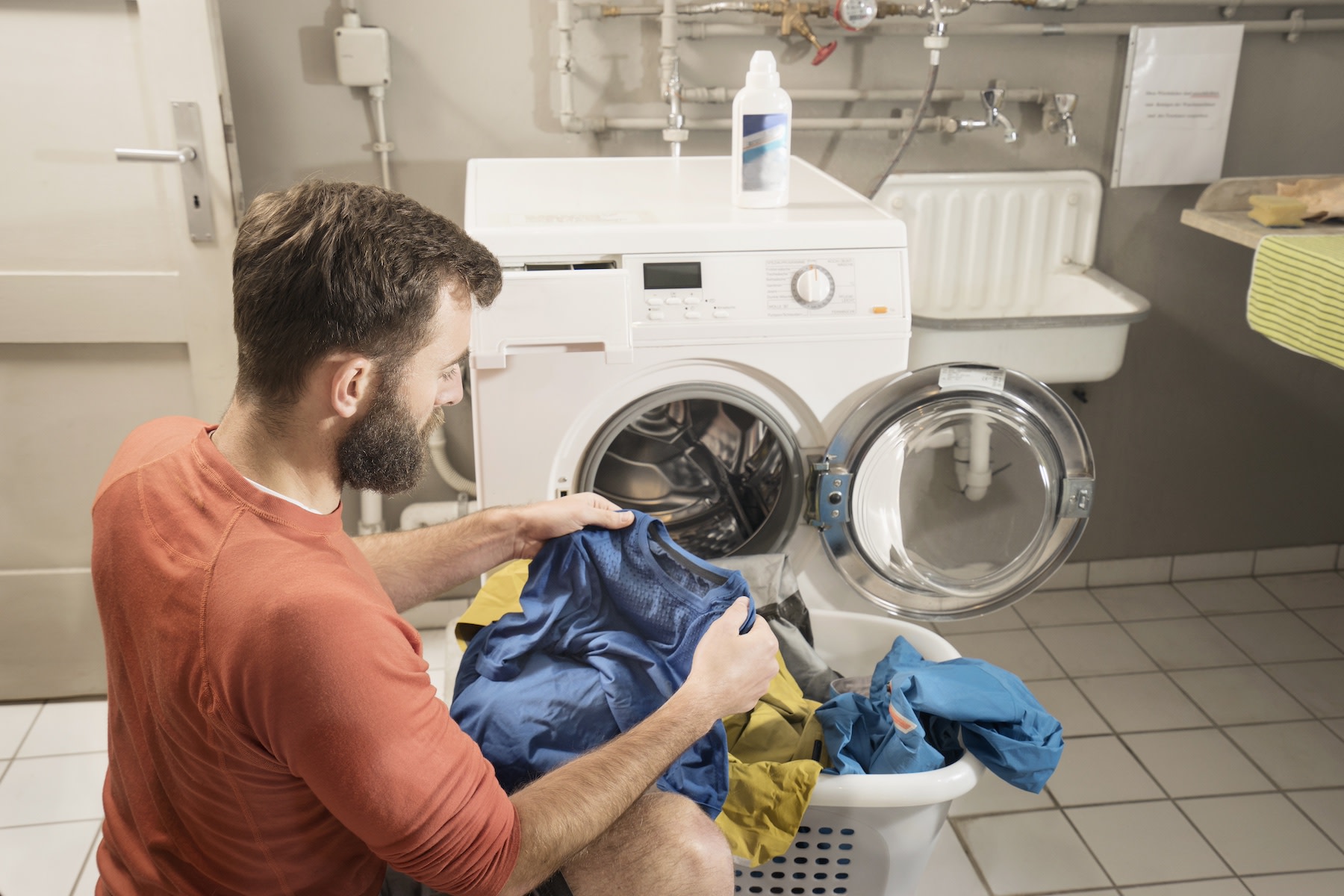
Many people think washing sports clothes is enough to remove bad smells, but that’s not always true. How you wash your sportswear can make a big difference.
Common Laundry Mistakes
- Washing with regular detergent only: Many detergents are made for cotton and don’t break down oils and proteins trapped in synthetics.
- Using fabric softener: This leaves a coating on clothes, trapping bacteria and making the smell worse.
- Not washing soon enough: Letting sweaty clothes sit in a bag or hamper gives bacteria more time to grow.
- Washing in cold water only: Cold water may not kill all the bacteria or dissolve oils.
Best Practices For Washing Sports Clothes
- Wash as soon as possible after wearing.
- Use a detergent designed for sportswear or one with enzyme cleaners.
- Avoid fabric softeners.
- Wash in warm water if the fabric allows.
- Dry clothes completely before storing.
Why Some People’s Sports Clothes Smell Worse
You might notice that some people’s gym clothes smell stronger than others. There are several reasons for this:
Body Chemistry
Each person has a unique skin microbiome—the mix of bacteria on the skin. Some bacteria produce more odor than others. Hormones, diet, and genetics also play a role in how much and what type of sweat you produce.
Diet And Hydration
Spicy foods, garlic, onions, and red meat can change the smell of your sweat. Drinking too little water can make your sweat more concentrated, increasing the smell.
Health And Medications
Certain health conditions (like diabetes or metabolic disorders) and some medicines can change sweat’s odor. Stress can also increase sweating.
Clothing Fit
Tighter clothes keep sweat close to your skin and give bacteria more time to act. Loose-fitting clothes allow more air and less odor buildup.
How Sports Clothes Are Designed (and Why That Matters)
Sports brands know about odor problems and try to solve them with special fabric technology. You might see terms like anti-odor, antimicrobial, or moisture-wicking on clothing labels.
What “antimicrobial” Fabrics Really Do
Some sportswear is treated with chemicals like silver ions or triclosan. These can stop bacteria from growing, reducing odor. However, these treatments can wear off after many washes, and they don’t always work on all types of bacteria.
Moisture-wicking Vs. Odor Control
Moisture-wicking fabrics move sweat away from your body to help you stay dry. This is good for comfort, but if the sweat stays trapped in the fabric, it can still smell. Odor control technology is different—it tries to stop bacteria from growing.
Example Of Sportswear Technology
- Silver thread: Woven into fabric to kill bacteria.
- Bamboo charcoal: Absorbs odor and moisture.
- Polyester blends: Designed to release bacteria more easily during washing.
Some products combine these features for better performance, but no sportswear is 100% odor-proof.
Environmental Factors That Make Odor Worse
The environment where you exercise can also affect how much your sports clothes smell.
Humidity And Temperature
Sweating is your body’s way to cool off. Hot and humid weather makes you sweat more, giving bacteria more to feed on. Dry climates might mean less sweat and less odor.
Storage Conditions
If you leave wet or sweaty clothes in a gym bag or locker, bacteria can multiply quickly. Storing sportswear in a well-ventilated area helps it dry and reduces smell.
Washing Water Quality
Hard water (with lots of minerals) can make detergent less effective, leaving sweat and bacteria behind. Soft water helps detergents work better.
Why Odor Is Hard To Remove From Sports Clothes
Many people find it hard to get rid of the smell from their sports clothes, even with strong washing. Here’s why:
Bacteria Hide Deep In Fibers
Synthetic fibers have tiny spaces where bacteria can hide. If you wash in cold water or use regular detergent, these bacteria survive.
Sweat And Body Oils Build Up
Over time, sweat, oil, and detergent residue form a layer inside the fabric. This makes it even harder to clean and allows bacteria to grow.
Drying Isn’t Always Enough
Hanging clothes to dry helps, but if they don’t dry quickly or completely, bacteria can still live and make smells.
Practical Solutions To Prevent Odor
If you want your sports clothes to smell fresh, you need more than just regular washing. Here are some effective tips:
1. Wash Immediately After Use
Don’t leave sweaty clothes in your bag or hamper. The longer bacteria sit, the more they grow.
2. Use Enzyme-based Detergents
Enzyme detergents break down proteins and oils better than regular ones. They help remove the root cause of the smell.
3. Avoid Fabric Softeners
Softeners coat fibers, trapping bacteria. Skip them for sportswear.
4. Wash In Warm Or Hot Water
If your clothes allow, use warmer water to kill more bacteria.
5. Add Vinegar Or Baking Soda
A cup of white vinegar or a scoop of baking soda in the wash can help neutralize odor.
6. Dry Thoroughly
Dry your clothes in sunlight if possible. Sunlight kills bacteria naturally.
7. Use Special Laundry Boosters
Products made for sportswear, like odor removers or laundry boosters, can help.
8. Don’t Overload The Washer
Give your sportswear space to move so water and detergent reach every part.
9. Turn Clothes Inside Out
Sweat and bacteria are on the inside, so turning clothes inside out helps clean them better.
10. Store Clothes Properly
Make sure sports clothes are 100% dry before storing. Use a ventilated bag for gym transport.
Common Mistakes That Make Odor Worse
Even with good intentions, some habits can make your sports clothes smellier.
Leaving Clothes Damp
A sweaty shirt left in a gym bag is the perfect place for bacteria to multiply. Always hang your clothes to dry as soon as possible.
Using Too Much Detergent
Extra detergent doesn’t clean better. It can build up in fibers, trapping dirt and bacteria.
Skipping Pre-soak
For very smelly clothes, a pre-soak in water with vinegar or enzyme cleaner can make a big difference.
Washing With Towels Or Jeans
Washing sportswear with heavy or linty items can reduce cleaning power. Wash sports clothes separately for best results.
The Psychological Side: Why Smell Matters
Odor isn’t just about cleanliness. It can affect your confidence and motivation to exercise. People often feel self-conscious if their gym clothes smell, which can make them avoid working out.
Smell And Social Interaction
Bad odor can make people uncomfortable in group exercise classes or team sports. It’s a common reason why people look for new sportswear brands or washing solutions.
Odor As A Sign Of Cleanliness
A fresh smell is linked with feeling clean and healthy. Persistent odor can make you question your hygiene—even if you shower regularly.
Advances In Odor-control Technology
Sportswear brands invest in new ways to fight odor. Some of these include:
Silver And Copper Threads
These metals have natural antimicrobial properties. Clothes made with these threads can reduce odor but may lose effectiveness over time.
Plant-based Treatments
Some brands use treatments made from bamboo, aloe vera, or coconut oil. These are more eco-friendly and can absorb odor naturally.
Odor-blocking Sprays
New sprays can be applied to sportswear to neutralize odors before or after exercise. They are a temporary solution and need to be reapplied.
Polyester Alternatives
Merino wool and bamboo fibers are gaining popularity because they smell less, even after heavy use.
The Future Of Sportswear And Odor
The sportswear industry continues to search for odor-proof solutions. Scientists are working on fabrics that resist bacteria and are easy to clean. Some research focuses on using probiotics (good bacteria) to outcompete odor-causing bacteria on clothes.
Sustainable Options
Eco-friendly sportswear made from recycled materials is also becoming more common. These may use new types of fibers that resist odor without harsh chemicals.
Smart Clothing
Some companies are testing clothes with built-in sensors that alert you when washing is needed. These technologies are new but show the growing interest in odor control.
Real-world Examples And Data
Let’s look at some numbers and real experiences:
- Studies show that polyester clothes can hold up to 10 times more odor-causing bacteria than cotton.
- In surveys, more than 70% of gym users report that sportswear odor is a major reason for buying new clothes.
- Tests found that adding a half-cup of white vinegar to the rinse cycle can cut odor by up to 80%.
A gym trainer shared that after switching to enzyme-based detergent and always air drying clothes, the lingering smell almost disappeared—even after intense daily workouts.
Credit: www.onepeloton.com
Comparing Odor Control Fabrics
To understand which fabrics work best, here’s a comparison of popular options:
| Fabric | Odor Resistance | Moisture Control | Cost |
|---|---|---|---|
| Polyester | Low | High | Low |
| Merino Wool | High | Medium | High |
| Bamboo | High | Medium | Medium |
| Cotton | Medium | Low | Low |
Tips For Keeping Sports Clothes Fresh
Here are some extra tips that go beyond just washing:
- Use a deodorizing spray right after wearing.
- Store gym clothes in a breathable bag, not plastic.
- Rotate your sports clothes so you’re not wearing the same item every day.
- Rinse sweaty clothes in cold water before putting them in the hamper.
How Often Should You Replace Sports Clothes?
No matter how well you care for your sportswear, there comes a time when it needs to be replaced. Here’s how to tell:
- If clothes still smell after a deep clean, the fibers may be too full of bacteria.
- If the fabric is stretched out, thin, or has visible stains, it’s time for new gear.
- Replacing sports clothes every few months (for heavy users) or at least once a year helps keep odor under control.
Non-obvious Insights Most People Miss
- Detergent residue can make odor worse. Less is more—use only as much as you need.
- Airflow matters: Drying clothes outdoors or with a fan helps more than just using a dryer.
- Shower timing: Showering right before exercise can reduce skin bacteria and the amount of odor transferred to your clothes.
When To Seek Professional Help
If your sports clothes smell very bad even after all these steps, check your washing machine. Sometimes, mold or bacteria in the machine can add odor to your clean clothes. Running an empty cycle with vinegar or a washing machine cleaner can solve this.
If you notice other symptoms like rashes or unusual body odor, it might be a health issue. In this case, talk to a doctor.
Frequently Asked Questions
What Makes Sports Clothes Smell Worse Than Regular Clothes?
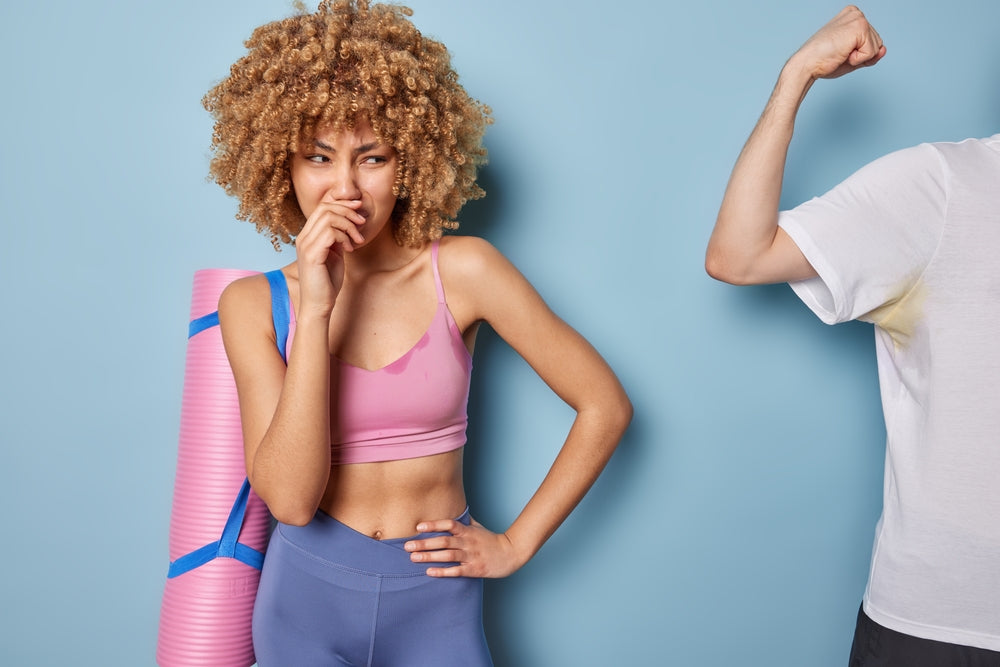
Sports clothes are often made from synthetic fabrics that trap sweat, bacteria, and oils. These materials hold onto odor-causing bacteria more than natural fibers like cotton. Also, the tight fit and heavy sweating during exercise make the smell stronger.
Can Sports Clothes Be Washed With Normal Detergent?
Normal detergent may not fully remove body oils and bacteria from sportswear. Special enzyme-based detergents or sports-specific formulas are better at breaking down the proteins and oils that cause odor.
Credit: hercleon.com
Is It Safe To Use Vinegar Or Baking Soda On Sports Clothes?
Yes, adding white vinegar or baking soda during washing is safe for most sportswear and helps neutralize odors. Always check the care label first to avoid damaging delicate fabrics.
How Can I Stop My Gym Bag From Smelling?
Clean your gym bag regularly, let it air out, and avoid storing wet clothes inside. Using a ventilated bag or adding a moisture-absorbing pouch can help keep smells away.

Credit: www.nytimes.com
Are There Sportswear Brands That Don’t Smell?
Some brands offer antimicrobial or odor-resistant sportswear, often using silver, bamboo, or merino wool. While these can help, no sportswear is completely odor-proof. Good laundry habits are still important for best results.
For more details on the science of sweat and odor, you can read this comprehensive guide on body odor.
Sports clothes will always face more odor challenges than regular clothes, but with the right care and understanding, you can keep your workout gear fresh and enjoyable to wear.
