

Gym Clothes Ideas: Trendy Outfits to Elevate Your Workout Style
Gym Clothes Ideas: Practical Tips For Every Workout
Choosing the right gym clothes is more important than many people think. The right outfit can make your workout more comfortable, help you move better, and even boost your confidence. Whether you are new to fitness or have been working out for years, knowing what to wear for different workouts can make a big difference. Many people struggle with finding the right gym outfit—some worry about sweat stains, some about clothes that ride up, and others about blending style with function. This guide will help you find gym clothes that fit your needs, your style, and your budget.
In this article, you will discover ideas for different workouts, practical tips for choosing gym clothes, common mistakes to avoid, and how to care for your activewear. There are also comparisons of popular fabrics and styles, plus answers to common questions.
This complete guide will help you make better choices every time you head to the gym.
Why Gym Clothes Matter
Wearing proper gym clothes is not just about looking good. The right clothing helps you stay cool, avoid injury, and perform your best. Clothes made for exercise are usually designed to handle sweat, allow your body to move freely, and reduce the risk of skin irritation. For example, moisture-wicking fabrics pull sweat away from your skin, so you feel dry and less likely to get rashes. Supportive sports bras can prevent discomfort, and the right shoes can protect your feet and joints.
Many people make the mistake of wearing old t-shirts or cotton shorts. While these might feel comfortable at home, they often get heavy and sticky with sweat. This can distract you during your workout. Choosing clothes made for exercise will help you focus on your movement, not your outfit.
Gym Clothes Ideas For Different Workouts
Not all workouts need the same clothes. What works for running may not be right for yoga or strength training. Here are ideas for different types of workouts:
Cardio Workouts
If you enjoy running, cycling, or using the treadmill, you need clothes that are lightweight and help with sweat.
- Moisture-wicking t-shirts or tank tops: These keep you dry and prevent chafing.
- Compression shorts or leggings: They support your muscles and reduce friction.
- Breathable socks: Good socks reduce blisters and keep your feet comfortable.
- Supportive sports bra: For women, this is essential for high-impact movements.
- Running shoes: Proper shoes protect your joints and improve performance.
Non-obvious tip: Avoid cotton socks. They hold moisture and can cause blisters. Instead, choose synthetic or wool-blend socks for better comfort.
Strength Training
Strength training involves weightlifting, bodyweight exercises, or using machines. You need clothes that stretch but do not get in the way.
- Fitted t-shirts or tanks: Loose clothes can catch on weights or equipment.
- Stretchy shorts or leggings: These allow you to squat, lunge, and lift without restriction.
- Flat-soled shoes: These help with balance and proper lifting technique.
- Sweatbands or wrist wraps: These can help with grip and sweat control.
Non-obvious tip: Avoid shoes with thick, squishy soles during heavy lifts. This can make you less stable. Minimal or flat shoes help you push against the floor.
Yoga And Pilates
These workouts need flexibility and comfort.
- Stretchy, high-waisted leggings: They stay in place during bends and stretches.
- Soft, fitted tops: Avoid tops that move around or fall over your face in inverted poses.
- Bare feet or yoga socks: Most people practice barefoot, but grip socks are useful for cold studios or extra grip.
- Light jacket or wrap: For warming up and cooling down.
Non-obvious tip: Test your clothes before class. Try a downward dog or deep squat at home to make sure nothing rides up or shifts uncomfortably.
Group Fitness Classes (zumba, Hiit, Dance)
These classes are fun and energetic. Your clothes need to move with you and handle lots of sweat.
- Bright, colorful tops: Many people enjoy fun colors and patterns in group classes.
- Breathable leggings or shorts: Make sure they stay put during fast movements.
- Supportive sports bra: Jumping and bouncing need extra support.
- Flexible shoes: Look for shoes with good grip and flexibility for quick moves.
Non-obvious tip: Avoid jewelry or accessories. They can catch or get lost during energetic movements.
Outdoor Workouts
Exercising outside adds more challenges like weather and terrain.
- Layered tops: Use a moisture-wicking base layer, an insulating layer, and a wind or rain jacket if needed.
- Sun protection: Wear a hat, sunglasses, and clothes with UPF (ultraviolet protection factor).
- Compression socks: These can help with circulation during long walks or runs.
- Trail shoes: If you run or hike, look for shoes with grip and protection.
Non-obvious tip: Always bring a spare shirt or lightweight jacket. Weather can change quickly, especially in outdoor workouts.
Swimming And Aquatic Fitness
Water workouts need special fabrics that resist chlorine and dry quickly.
- Racerback or cross-back swimsuits: These stay in place during movement.
- Swim shorts or jammers: For men, snug swim shorts reduce drag.
- Swim caps and goggles: Protect your hair and eyes.
- Quick-drying cover-up: For before and after your swim.
Non-obvious tip: Rinse your swim clothes in cold water after every use. This helps them last longer and removes chlorine.
Essential Gym Clothes For Men
Many men want gym clothes that are simple, durable, and comfortable. Here are some essentials:
- Moisture-wicking shirts: Polyester blends keep sweat away from your skin.
- Athletic shorts: Look for shorts with liners and zip pockets for keys.
- Compression shorts: Wear under regular shorts for support.
- Joggers or track pants: Good for cool weather or warm-up.
- Hoodie or zip-up jacket: For layering before and after workouts.
- Supportive underwear: Avoid cotton boxers, which can bunch up.
- Training shoes: Choose based on your main activity—running, lifting, or cross-training.
Essential Gym Clothes For Women
Women’s gym clothes focus on support, comfort, and style. Essentials include:
- Sports bras: Different impact levels for different workouts.
- High-waisted leggings: Stay in place and flatter the shape.
- Tank tops or fitted tees: Choose based on coverage and breathability.
- Shorts: With built-in liners for comfort.
- Pullover or zip-up jackets: Lightweight for layering.
- Headbands or hair ties: Keep hair out of your face.
- Training shoes: Match your main type of exercise.
Choosing The Right Fabrics
The fabric of your gym clothes affects your comfort and performance. Here is a comparison of popular fabrics used in activewear:
| Fabric | Benefits | Drawbacks |
|---|---|---|
| Polyester | Durable, lightweight, dries fast | Can hold odors if not washed well |
| Nylon | Soft, stretches, moisture-wicking | Can pill with heavy use |
| Spandex (Elastane/Lycra) | Great stretch, keeps shape | Can lose elasticity over time |
| Merino Wool | Warm, odor-resistant, breathes well | More expensive, needs gentle washing |
| Cotton | Soft, natural, affordable | Holds sweat, dries slowly |
Non-obvious tip: Blended fabrics often combine the best properties of each material. For example, polyester and spandex blends are both stretchy and sweat-resistant.
Layering For Changing Conditions
Sometimes, you need to adjust your clothes as you warm up or cool down. Layering lets you add or remove clothing as needed.
- Base layer: Wicks sweat away (polyester or merino wool).
- Middle layer: Adds warmth (light fleece or long-sleeve top).
- Outer layer: Protects against wind or rain (lightweight jacket).
For outdoor workouts, always check the weather and pack an extra layer. For indoor gyms, a light jacket or hoodie is usually enough.
Gym Shoes: What To Wear And Why
Shoes are a key part of your gym outfit. The wrong shoes can cause pain or injury. Here’s how to match shoes to your workout:
| Workout Type | Best Shoe Features | Example |
|---|---|---|
| Running | Cushioned, arch support, shock absorption | Running shoes |
| Strength Training | Flat sole, stable base, minimal heel | Lifting shoes or minimalist trainers |
| HIIT/Classes | Flexible, grip, light cushioning | Cross-trainers |
| Walking | Comfortable, support, shock absorption | Walking shoes |
| Yoga/Pilates | Usually barefoot or grippy socks | Yoga socks |
Non-obvious tip: Replace workout shoes every 300-500 miles or when you notice loss of support. Worn-out shoes can cause aches even if they look fine.
Budget-friendly Gym Clothes Ideas
Good gym clothes do not have to be expensive. Here are ways to save money and still get quality gear:
- Shop off-season: Buy summer gear in winter and vice versa for discounts.
- Look for multi-packs: Socks, shirts, and underwear are cheaper in sets.
- Choose neutral colors: Black, gray, and navy hide sweat and match everything.
- Use store brands: Many big stores offer affordable lines with good quality.
- Buy only what you need: Start with basics and add more as you go.
- Repurpose old activewear: Sometimes, older leggings or shorts are fine for light workouts.
Non-obvious tip: Quality over quantity. A few well-made items often last longer and feel better than a large number of cheap pieces.
Gym Clothes For Plus Size And All Body Types
Everyone deserves comfortable, functional gym clothes. Many brands now offer a wide range of sizes and shapes.
- High-rise leggings: Offer support and prevent rolling.
- Longline sports bras: Give more coverage and reduce digging straps.
- Loose-fit tops: Can be layered over fitted tanks for confidence and coverage.
- Stretch fabrics: Look for clothes with at least 10% spandex for good movement.
Non-obvious tip: Avoid clothes labeled only as “one size fits all.” They rarely fit all bodies well. Look for brands that show real customer photos and offer detailed size guides.
Stylish Gym Clothes Ideas
You can look good and feel good at the gym. Here are ways to add style to your workout wardrobe:
- Mix and match colors: Pair bright tops with neutral bottoms.
- Try patterns: Geometric, floral, or camo leggings add fun.
- Layer with vests or crop hoodies: Adds both style and function.
- Accessorize: Headbands, wristbands, or unique socks.
- Use matching sets: Coordinated sports bra and leggings sets look sharp.
- Pick bold shoes: Bright sneakers can be a statement piece.
Non-obvious tip: Buy a few statement pieces and mix them with basics. This keeps your gym look fresh without spending too much.
Gym Bags And Accessories
What you carry to the gym is part of your outfit, too. A good gym bag keeps your clothes and gear organized.
- Medium-sized duffle or backpack: Fits clothes, shoes, and accessories.
- Water bottle: Stay hydrated during workouts.
- Towel: For wiping sweat or showering.
- Lock: For gym lockers.
- Toiletries: Travel-size deodorant, wipes, shampoo.
Non-obvious tip: Bring a mesh bag for dirty clothes. It keeps them separate and allows airflow, so odors don’t build up.
Caring For Your Gym Clothes
Taking care of your gym clothes helps them last longer and work better.
- Wash after every workout: Sweat can damage fabrics if left too long.
- Avoid fabric softeners: They coat fabrics and reduce sweat-wicking ability.
- Air dry: Heat from dryers breaks down elastic fibers.
- Wash in cold water: Protects color and elasticity.
- Use gentle detergent: Some detergents are made for activewear.
Non-obvious tip: Turn clothes inside out before washing. This helps remove sweat and body oils from the fabric surface.

Credit: aurabio.com
Mistakes To Avoid When Choosing Gym Clothes
It’s easy to make mistakes when picking gym clothes, especially if you are new to working out. Here are some common errors:
- Wearing all-cotton: Cotton holds sweat and gets heavy.
- Ignoring fit: Too-tight clothes restrict movement; too-loose clothes can catch on equipment.
- Choosing the wrong shoes: Shoes designed for other sports can cause pain or injury.
- Not testing at home: Try moves like squats or stretches to check for comfort.
- Neglecting support: Skipping a good sports bra or supportive underwear can ruin a workout.
- Prioritizing looks over function: Stylish clothes are great, but not if they distract or fail during exercise.
- Forgetting about weather: Not having layers or sun protection can make outdoor workouts uncomfortable.
Non-obvious tip: Take a photo of your outfit in good light before heading out. It can reveal see-through spots or awkward fits that mirrors sometimes hide.
Gym Clothes Trends
Fitness fashion changes, but some trends have lasting value. Here are current and practical trends:
- Seamless leggings: No chafing and a smoother look.
- Sustainable fabrics: More brands use recycled or organic materials.
- Cut-outs and mesh: Add breathability and style.
- Athleisure: Clothes that work in and out of the gym.
- Bold prints and colors: Express personality and energy.
Non-obvious tip: Trends are fun, but basic, functional pieces never go out of style. Invest in good basics, then add trendy pieces for variety.
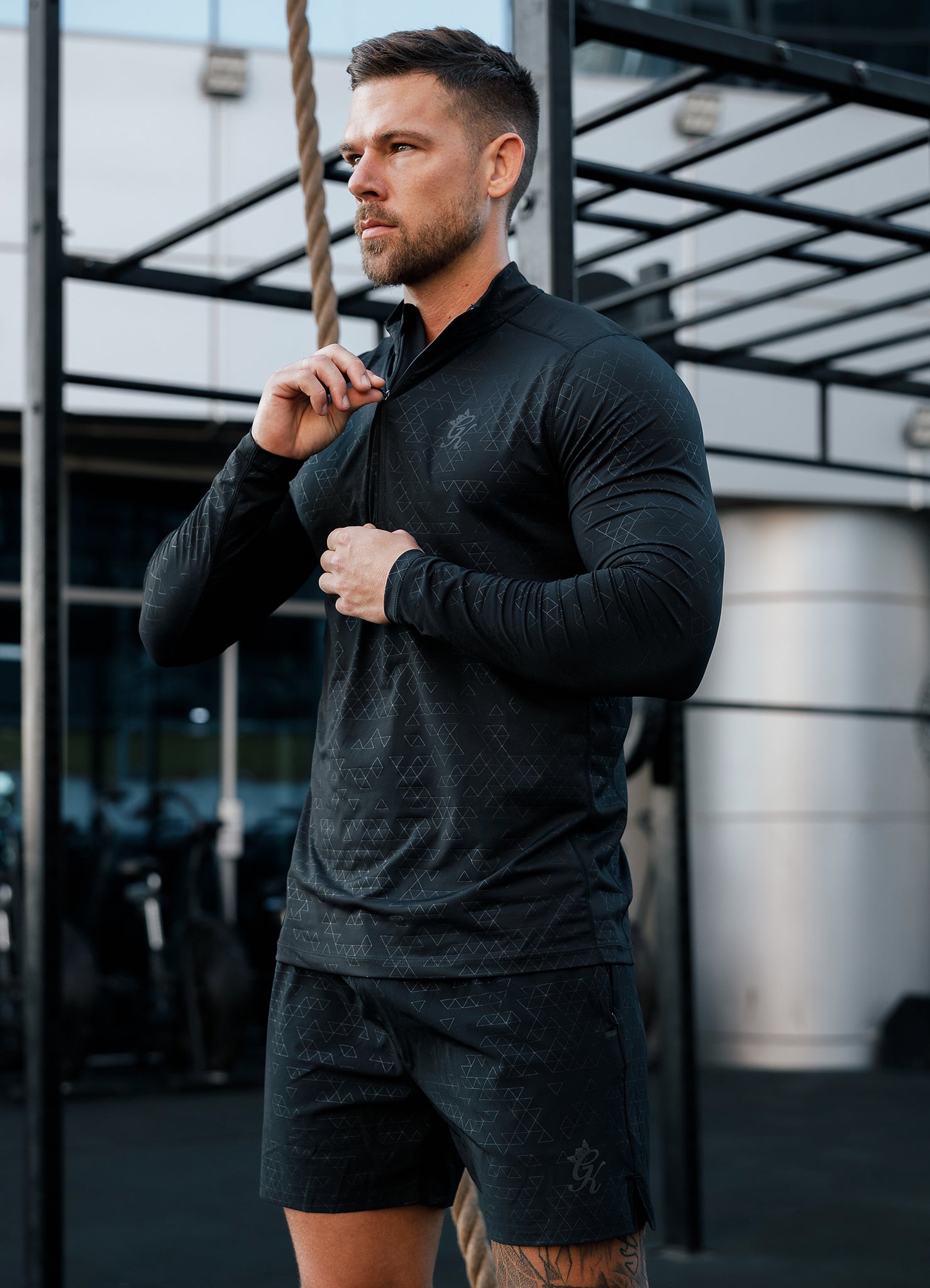
Credit: anniesdeli.com
Comparison: Brand Vs. Generic Gym Clothes
Some people prefer well-known brands, while others choose store brands or generic options. Here’s a quick comparison:
| Feature | Brand Name | Generic/Store Brand |
|---|---|---|
| Price | Higher | Lower |
| Style Options | Wide, trendy | Basic, limited |
| Material Quality | Usually high | Varies |
| Durability | Often better | Depends on brand |
| Availability | Sports stores, online | Supermarkets, online |
Non-obvious tip: Some store brands are made in the same factories as big brands. Read reviews and try different options to find what works for you.
Sustainability In Gym Clothes
Many people want to reduce their impact on the environment, even with gym clothes. Here’s how you can make eco-friendly choices:
- Choose recycled fabrics: Many brands use recycled polyester or nylon.
- Buy less, choose well: Fewer, high-quality pieces reduce waste.
- Repair or repurpose: Fix small holes or use old leggings for cleaning rags.
- Donate old clothes: If they’re still usable, give them to someone in need.
- Look for eco-friendly brands: Some companies focus on low-impact materials and fair labor.
Non-obvious tip: Sustainable clothes sometimes cost more upfront but often last longer and perform better.
For more information about sustainable fashion, visit the Fashion Revolution website.
Creating A Gym Clothes Capsule Wardrobe
A capsule wardrobe means having a small number of versatile pieces you can mix and match.
- 3-4 tops: Mix of short-sleeve and tank tops.
- 2-3 bottoms: Leggings, shorts, or joggers.
- 2 sports bras: Different support levels.
- 1 hoodie or jacket: For layering.
- 2 pairs of shoes: Match main workout types.
With this approach, you always have something to wear without overfilling your closet.
Non-obvious tip: Neutral colors like black, gray, and navy are easiest to mix and match. Add a few bright pieces for fun.
When To Replace Your Gym Clothes
Even quality gym clothes wear out. Here’s when to consider replacing them:
- Elasticity loss: Leggings or bras that slip or sag.
- Stubborn odors: If smells don’t wash out, bacteria may be trapped.
- Holes or tears: Small ones can be fixed, but larger ones need replacing.
- Faded color: Not a problem for function, but may affect motivation.
- Shoes: When cushioning is gone or soles are smooth.
Non-obvious tip: Keep one older set of gym clothes for outdoor, muddy, or messy workouts.

Credit: boandtee.com
Frequently Asked Questions
What Is The Best Fabric For Gym Clothes?
Polyester and nylon are top choices because they wick sweat and dry quickly. Look for blends with spandex for stretch. Merino wool is excellent for odor control, especially in colder weather.
How Should Gym Clothes Fit?
Gym clothes should be snug but not tight. You should be able to move freely, and nothing should pinch or restrict you. Try basic movements at home to test comfort and coverage.
Can I Wear Cotton To The Gym?
Cotton is comfortable but not ideal for intense workouts. It holds sweat and dries slowly, which can lead to chafing and discomfort. Use cotton for light stretching or rest days, not for heavy exercise.
How Many Gym Outfits Do I Need?
Most people do well with 3-5 complete outfits. This allows you to wash clothes between workouts without running out. If you exercise daily, you may need more.
How Do I Stop Gym Clothes From Smelling?
Wash clothes right after use, avoid fabric softeners, and air dry. Sometimes, adding a cup of white vinegar to the wash helps remove odors.
Finding the best gym clothes is personal, but these ideas and tips can help you build a functional, comfortable, and stylish workout wardrobe. The right outfit supports your goals, makes you feel confident, and lets you focus on what matters—your health and fitness.
