

Gym Clothes Ideas Men: Top Styles to Boost Your Workout Look
Finding the right gym clothes can feel confusing. There are so many choices, styles, and fabrics. For men, the search for gym clothes is about more than just looking good. The right outfit can boost your confidence, help your performance, and keep you comfortable from warm-up to cool-down.
But with so many options, how do you choose what to wear? Let’s dive into smart gym clothes ideas for men that work for every type of workout and personal style.
Why Gym Clothes Matter For Men
Wearing the right clothes is about more than fashion. Comfort and performance are key. Good gym clothes help control sweat, support your body, and let your skin breathe. They can also prevent injuries. For example, a fitted shirt won’t get caught on equipment, and flexible shorts help you move better.
Many men don’t realize that certain fabrics can trap heat or moisture. This can lead to skin problems or even affect your workout results. Choosing the right material and fit is a big step toward better performance and staying motivated.
It’s also important to remember that the right gym clothes can help you create a positive habit. When you feel comfortable and confident in your gear, you’re more likely to stick to your routine. Ill-fitting or uncomfortable clothes might seem like a small problem, but they can be a big distraction during exercise.
If you find yourself constantly adjusting your shirt or feeling overheated, it’s easy to lose focus and motivation.
Essential Pieces For Every Man’s Gym Wardrobe
Let’s break down the core items every man should consider for gym wear. These are the building blocks for any workout routine.
1. Performance T-shirts
A good performance t-shirt is lightweight, breathable, and wicks sweat away. Look for shirts made from polyester or blends that include elastane for stretch. Avoid heavy cotton—it soaks up sweat and becomes uncomfortable.
A performance t-shirt should also feel smooth on your skin. Some shirts have mesh panels in high-sweat areas like the back or underarms for extra ventilation. These features help keep you cool and dry, even during long sessions.
Pro Tip:
Choose a slim or regular fit. Too loose can get in the way. Too tight may restrict movement.
If you’re new to the gym, try on a few different brands and styles. Some people prefer shirts with subtle logos, while others like bold prints. Remember, it’s not just about looks—choose what helps you feel your best.
2. Tank Tops
Tank tops are perfect for weightlifting or high-intensity workouts. They give your arms full freedom to move and help you stay cool.
Some tank tops are made with special seams that reduce rubbing on your shoulders and neck. This can be helpful if you’re doing exercises like bench presses or pushups, where clothing can sometimes irritate your skin.
Non-obvious Insight:
Some tank tops are cut too deep on the sides. For modesty and better coverage, pick those with a medium cut at the sides.
Also, some gyms have dress codes that do not allow very open tanks, so check your gym’s policy before buying.
3. Workout Shorts
Training shorts are a must. They should be above the knee for most workouts. Look for options with built-in liners for extra support and comfort.
Some shorts come with split sides for extra mobility, which is great for running or lunges. Others have hidden pockets, perfect for holding a gym card or small items. If you do a lot of cardio, look for mesh panels for extra airflow.
Features to look for:
- Quick-drying fabric
- Pockets with zippers for keys or cards
- Stretchy waistband
A good pair of shorts should not ride up or slide down when you move. Try squatting or jumping in them when you try them on.
4. Compression Shorts
Compression gear is not just for pro athletes. Compression shorts can help with muscle support and reduce chafing. Many men wear them under regular shorts for extra comfort.
Compression shorts can also help prevent muscle fatigue. They improve blood flow and may reduce the risk of strains. Some people use them for faster recovery after a tough session. When shopping, look for flat seams to avoid skin irritation.
5. Joggers And Track Pants
When it’s cold or you want to cover up, joggers or track pants are ideal. Choose lightweight, breathable fabrics. Avoid baggy styles—they can snag on gym equipment.
Joggers with tapered legs and ankle cuffs stay in place during running or stretching. Some pants have zippered ankles, making them easy to take off over shoes. Look for pants with reflective details if you exercise outdoors in low light.
6. Hoodies And Sweatshirts
A lightweight hoodie or sweatshirt is great for warming up or cooling down. Look for moisture-wicking materials rather than heavy cotton.
Some sweatshirts come with thumbholes to keep sleeves in place, or pockets for your phone and keys. These can be useful if you’re on the go or want to keep your hands warm before starting your workout.
Non-obvious Insight:
Try a zip-up style for easy layering. You can remove it quickly when you get warm.
Zip-up hoodies are especially practical if you’re moving between indoor and outdoor spaces or want quick access to a pocketed shirt underneath.
7. Training Socks
Socks matter more than most think. The best training socks keep your feet dry and help prevent blisters. Go for ankle or crew-length socks with cushioned soles.
Look for socks with arch support and seamless toes. These features add comfort and reduce irritation during long workouts. Some socks have mesh tops for extra breathability, which helps keep your feet cool.
8. Supportive Underwear
Many men overlook workout underwear, but it’s essential. Supportive, moisture-wicking underwear prevents discomfort and chafing during intense movement.
Look for underwear with flat seams and a snug fit. Boxer briefs are a popular choice because they offer support and prevent rubbing. If you sweat a lot, consider underwear made from antimicrobial fabrics to control odor.
9. Athletic Shoes
The right athletic shoes support your feet and joints. Choose shoes based on your workout: running, lifting, or cross-training. Rotate your shoes regularly to avoid wear.
Some shoes have extra cushioning for running, while others have flat soles for lifting. Cross-trainers are a good all-around option if you mix different workouts. Make sure your shoes fit well—there should be a thumb’s width of space at the toe.
If you’re unsure about your foot type, many athletic stores offer gait analysis to help you choose the best shoe for your arch and stride.

Credit: www.youtube.com
Choosing The Right Fabric
Not all gym clothes are made the same. Fabric choice affects comfort and performance.
Best Fabrics For Gym Clothes
- Polyester: Lightweight, dries quickly, holds shape.
- Nylon: Soft, durable, good for moisture control.
- Spandex/Elastane: Adds stretch for flexibility.
- Merino Wool: Naturally wicks sweat, resists odor (ideal for socks).
Merino wool is surprisingly soft and is perfect for those who want natural options but still want moisture management and anti-odor properties.
Fabrics To Avoid
- 100% Cotton: Absorbs sweat, becomes heavy.
- Cheap Synthetics: Can trap odors, feel rough on skin.
Here is a comparison of common gym clothing fabrics:
| Fabric | Comfort | Breathability | Moisture Wicking | Best Use |
|---|---|---|---|---|
| Polyester | High | Medium | Excellent | Shirts, Shorts |
| Nylon | High | High | Very Good | Jackets, Pants |
| Spandex | Medium | Medium | Good | Compression Gear |
| Merino Wool | Very High | High | Very Good | Socks, Base Layers |
| Cotton | Medium | High | Poor | Casual Wear |
Fabric blends are common and often combine the best features of each material. For example, polyester blended with spandex gives both moisture control and stretch.
Gym Clothes Ideas For Different Workouts
Not every workout is the same. Your clothing choices should change depending on your activity.
Strength Training
- Fitted t-shirt or tank
- Flexible shorts or joggers
- Flat-soled shoes for stability
If you’re lifting heavy weights, avoid running shoes with thick heels. Flat soles give better balance and reduce risk of injury during squats or deadlifts.
Cardio (running, Hiit)
- Moisture-wicking shirt
- Lightweight shorts
- Running shoes with good cushioning
For high-intensity interval training (HIIT), choose clothes that stay in place during jumping or fast movements. Avoid anything too loose that might distract you.
Yoga And Stretching
- Stretchy tank or slim-fit t-shirt
- Soft, flexible joggers or shorts
- Barefoot or grippy socks
Yoga requires full range of motion. Choose fabrics with high stretch and avoid bulky seams that might press into your skin during floor work.
Group Fitness Classes
- Breathable top
- Secure shorts with zipper pockets
- Cross-training shoes
In classes where you move around the room, secure pockets keep your essentials safe. Breathable fabrics help during intense cardio bursts.
Outdoor Workouts
- Layered tops for changing weather
- Windproof jacket
- Thermal leggings or joggers in cold weather
If you train outdoors, consider clothes with UV protection or reflective elements for safety. Quick-dry layers help if you get caught in rain.
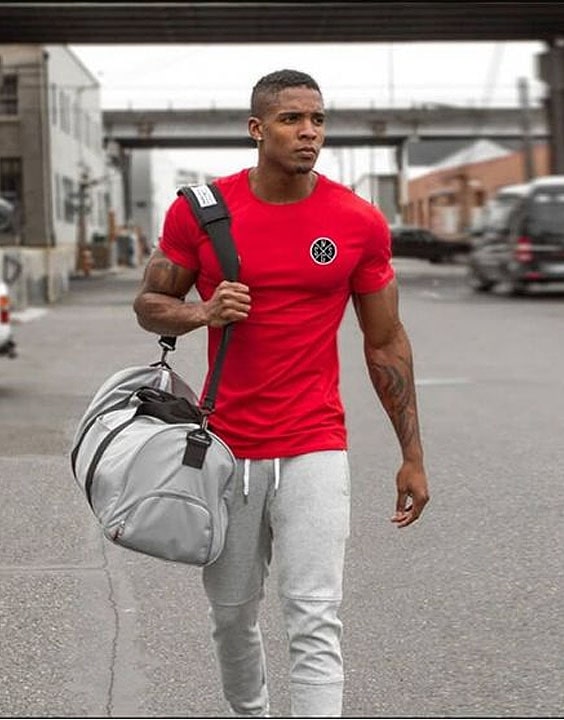
Credit: www.stadedembour.com
Matching Gym Clothes With Your Style
You don’t have to give up personal style at the gym. Here are some style ideas for inspiration.
Classic And Simple
Stick to neutral colors like black, grey, navy, and white. Pick clothes with minimal logos and clean lines.
Sporty And Bold
Choose bright colors or color-blocked designs. Look for brands with sporty stripes or bold patterns.
Wearing bold colors can actually help boost your motivation, especially if you associate certain colors with energy or focus.
Modern Minimalist
Pick monochrome outfits (all one color). Try fitted joggers with a matching top for a sleek look.
A minimalist look is easy to match and always looks put together, even if you’re just grabbing a quick workout.
Urban And Street Style
Layer a graphic tee over a long-sleeve shirt. Add a baseball cap and trendy sneakers.
Street style can make you feel more confident, especially if you like to go to the gym before or after work or school.
Performance-driven
Go for the latest in high-tech fabrics and smart details like mesh panels, reflective strips, or anti-odor technology.
Some brands now offer gym clothes with hidden phone sleeves, built-in earbuds, or even cooling technology for hot climates.
Layering For Different Seasons
Gym clothes change with the seasons. Layering is key for comfort.
Warm Weather
- Lightweight t-shirt or tank
- Shorts
- Thin socks
Look for mesh panels and light colors to reflect heat. Some shirts have UV protection for outdoor workouts.
Cold Weather
- Long-sleeve base layer
- Sweatshirt or hoodie
- Joggers or track pants
- Beanie or light hat
Consider adding gloves if you exercise outside. Base layers should be snug to trap warmth but not restrict movement.
Transitional Weather
- Zip-up hoodie
- Breathable jacket
- Convertible pants (with zippers at the knee)
Convertible pants are especially useful for early morning runs when it’s cold at first but warms up quickly.
Here’s a quick comparison of layering strategies for different weather:
| Weather | First Layer | Second Layer | Third Layer |
|---|---|---|---|
| Hot | Tank or Tee | None | None |
| Cool | Tee | Hoodie | None |
| Cold | Long Sleeve Base | Sweatshirt | Jacket |
Gym Clothes Mistakes Men Should Avoid
It’s easy to get gym clothes wrong. Here are some common mistakes and how to avoid them.
- Wearing cotton tops: Cotton holds sweat and can feel heavy and cold.
- Choosing baggy clothes: Loose clothes can get caught in equipment or restrict movement.
- Ignoring proper footwear: The wrong shoes can cause injury or reduce performance.
- Forgetting supportive underwear: Regular underwear can ride up or cause chafing.
- Not washing gym clothes properly: Sweat can cause odors and bacteria buildup.
- Using old, worn-out clothes: Over time, fabrics lose their stretch and support.
Another mistake is wearing the same gym outfit for every workout. Different activities need different features—what’s great for running might not work for lifting weights.
A small change in your gym wardrobe can make workouts safer and more enjoyable.
Caring For Your Gym Clothes
To get the most out of your gym gear, you need to take care of it. Here are some basic tips:
- Wash soon after use: Don’t let sweat sit in the fabric.
- Use cold water: Hot water can break down stretchy fibers.
- Skip fabric softener: It can block the sweat-wicking ability.
- Air dry when possible: High heat damages elastic fibers.
Store your clean gym clothes in a dry, cool place. Avoid leaving them in a gym bag for hours, as this can cause mold or odors. For stubborn smells, soak clothes in a mix of water and baking soda before washing.
Non-obvious Insight:
Turn gym clothes inside out before washing. This helps protect the outer fabric and removes sweat from the areas that need it most.
You can also add a small amount of white vinegar to the rinse cycle to help remove persistent odors and keep fabrics fresh.
How To Build A Budget-friendly Gym Wardrobe
You don’t need to spend a fortune on gym clothes. Here’s how to get the most for your money:
- Buy multi-purpose pieces: Choose clothes that work for different workouts.
- Shop off-season: Look for deals when stores change their stock.
- Start with essentials: Focus on a few quality items instead of many cheap ones.
- Try outlet stores or online sales for brand-name gear at lower prices.
Some people have great success buying second-hand or gently used gym clothes. Many items are lightly used and much more affordable. Just make sure to check for wear and tear before buying.
Invest in socks and underwear first, as these make a big difference in comfort, and then slowly add more pieces as your budget allows.
Must-have Accessories For The Gym
Clothes are important, but don’t forget these gym essentials:
- Sweat-wicking headband or cap
- Workout gloves for lifting
- Water bottle (preferably insulated)
- Gym bag with separate shoe compartment
- Towel (small and quick-dry)
- Fitness tracker or smart watch
A lock for your gym locker, spare deodorant, and portable hand sanitizer are also useful to keep in your gym bag. Many men also carry resistance bands or a jump rope for quick warm-ups.
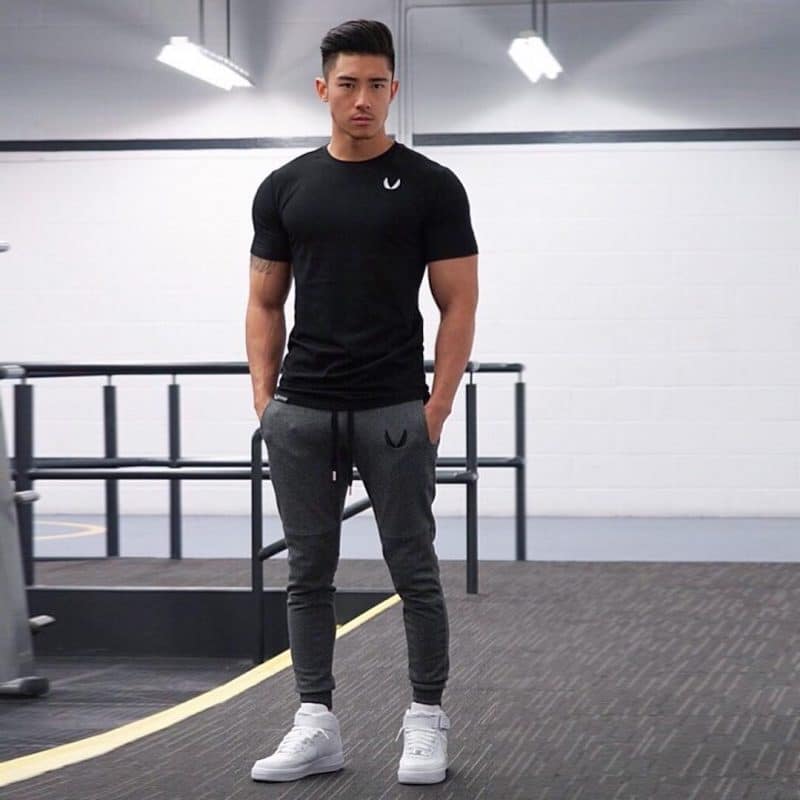
Credit: www.stadedembour.com
Understanding The Science: How Gym Clothes Affect Performance
Wearing the right gym clothes does more than make you look good. Studies show that moisture-wicking fabrics keep your body cooler during intense exercise. This helps you train longer without overheating. Compression gear can also reduce muscle soreness and improve recovery.
For example, one study found that athletes wearing compression shorts during exercise reported less muscle fatigue and faster recovery afterward. Another study showed that people who wore proper athletic shoes had fewer joint injuries.
Many athletes also notice that wearing clothes they feel good in can boost their mental focus. This is sometimes called “enclothed cognition”—the idea that what you wear affects how you perform. Even small details, like the color of your shirt or the style of your shoes, can have a subtle impact on confidence and motivation.
If you want to read more about how clothing impacts exercise, check out this Wikipedia article on athletic wear.
Gym Clothes Ideas For Travel And On-the-go Workouts
Sometimes you need to fit in a workout while traveling. Here’s how to pack smart:
- Choose wrinkle-resistant fabrics so your clothes look fresh.
- Pick neutral colors that mix and match.
- Pack lightweight layers for all weather.
- Bring one pair of multipurpose shoes for gym and casual wear.
A simple gym kit for travel:
- 2 performance t-shirts
- 1 pair of shorts
- 1 pair of joggers
- 2 pairs of socks
- 2 pairs of underwear
- 1 lightweight hoodie
This covers most workouts and fits easily in a small bag.
You can also pack a resistance band or collapsible water bottle. These items take up almost no space but are very useful. If you plan to swim or use a hotel gym, pack a quick-dry towel and a small bottle of detergent for hand washing your gear.
Simple Gym Outfits For Everyday Men
You don’t have to be a fitness model to look good at the gym. Here are a few outfit ideas for regular guys:
Outfit 1: Classic Strength Training
- Black performance t-shirt
- Grey training shorts with pockets
- Low-cut athletic shoes
This is a timeless look that works for almost everyone and suits most gyms.
Outfit 2: Cardio Day
- Blue moisture-wicking tank top
- Black running shorts with liner
- Cushioned running shoes
Keeps you cool and light while running or cycling. Add a sweat-wicking headband if you sweat a lot.
Outfit 3: Early Morning Warm-up
- Long-sleeve base layer
- Navy joggers
- Zip-up hoodie
- Lightweight trainers
Perfect for cool mornings or chilly gyms. Layering lets you remove clothing as you warm up.
Outfit 4: Yoga Or Stretching
- Fitted tank or t-shirt
- Soft joggers or shorts
- Barefoot or yoga socks
Allows full movement without distractions from loose or bulky clothes.
Outfit 5: Outdoor Bootcamp
- Light thermal shirt
- Windbreaker jacket
- Compression leggings under shorts
- Trail shoes
This combo keeps you warm, dry, and flexible during outdoor training, even if the weather changes.
How To Find Your Perfect Fit
Fit is as important as fabric. Here’s how to check your gym clothes fit:
- Shoulders: Seams should sit at the edge of your shoulders.
- Chest: Not too tight, but not loose enough to flap.
- Waist: Pants or shorts should stay up without a belt or constant adjusting.
- Length: Shorts should hit just above the knee; shirts should cover your waistband.
Try on different brands—sizes can vary. Move around: squat, stretch, jump. You should feel comfortable and confident.
Don’t be afraid to try on clothes in-store and move around in them. If you shop online, check return policies so you can exchange anything that doesn’t fit right.
Here’s a quick sizing comparison for popular men’s gym tops:
| Brand | Small (Chest) | Medium (Chest) | Large (Chest) |
|---|---|---|---|
| Brand A | 34-36 in | 38-40 in | 42-44 in |
| Brand B | 36-38 in | 40-42 in | 44-46 in |
| Brand C | 35-37 in | 39-41 in | 43-45 in |
Keep in mind that some brands run small or large, so always check the specific sizing guide.
Popular Gym Clothing Brands For Men
Many brands offer excellent gym wear for men. Here are some well-known and trusted names:
- Nike: Known for performance fabrics and modern styles.
- Adidas: Offers classic designs and great quality.
- Under Armour: Focuses on sweat-wicking and compression gear.
- Reebok: Good for classic and cross-training looks.
- Lululemon: Popular for yoga and flexible wear.
- Gymshark: Trendy, fitted styles for younger men.
- Puma: Sporty looks with bold colors.
Other brands like New Balance, ASICS, and Fabletics also offer specialized gym wear. Explore local brands as well—sometimes smaller companies offer better prices or unique styles.
Remember, expensive brands are not always better. Focus on fit, comfort, and function.
Upgrading Your Gym Wardrobe: When And Why
You may need to refresh your gym clothes if you notice:
- Loss of stretch or support
- Permanent odors
- Visible holes or thinning
- Shoes losing grip
On average, gym clothes last 6-12 months with regular use. Rotate your outfits to extend their life.
If you start a new type of training (like running or yoga), you might need to add a few specialized items. Always listen to your body—if you feel discomfort or notice changes in your performance, it could be time for new gear.
Frequently Asked Questions
What Is The Best Fabric For Gym Clothes?
Polyester and nylon are usually the best. They wick sweat, dry quickly, and hold their shape. For cold weather, merino wool is a great natural option.
How Many Gym Outfits Should I Own?
Most men do well with 3-5 complete outfits. This lets you rotate clothes and always have a clean set ready.
Should I Wear Compression Gear For Every Workout?
You don’t have to. Compression gear is helpful for high-intensity workouts and recovery, but it’s not needed for light exercise.
Can I Wear Regular T-shirts And Shorts To The Gym?
You can, but regular cotton clothes get heavy with sweat and may cause discomfort. Performance fabrics are usually better for workouts.
How Do I Get Rid Of Sweat Smells In Gym Clothes?
Wash clothes soon after use, use cold water, and skip fabric softener. For stubborn smells, add a bit of white vinegar to the wash.
Taking a little time to choose the right gym clothes can make a big difference. You’ll feel better, perform better, and even look forward to your workouts. Explore different styles, try new fabrics, and find the gear that suits you best.
Remember, confidence in the gym often starts with what you wear.
