

How Much Do Gym Clothes Cost: A Complete Price Breakdown
How Much Do Gym Clothes Cost
Choosing the right gym clothes can make your workouts more comfortable and enjoyable. But when you walk into a sports store or browse online, you may wonder, "How much do gym clothes really cost? " With so many brands and styles, prices can be confusing.
Some gym clothes are cheap, while others cost as much as a monthly gym membership. Understanding these price differences will help you buy wisely and avoid common mistakes.
This article explains everything you need to know about the cost of gym clothes. We’ll cover the average price for each type of item, the main factors that affect costs, and real examples from popular brands. You’ll also learn how to find quality gear at good prices and avoid wasting money on things you don’t need.
By the end, you’ll feel confident about what to expect and how to build your gym wardrobe—without breaking the bank.
What Are Gym Clothes?
Gym clothes are special clothing designed for exercise and physical activity. They help you move easily, manage sweat, and stay comfortable during workouts. Common gym clothes include T-shirts, tank tops, sports bras, shorts, leggings, track pants, hoodies, jackets, socks, and shoes. Each piece plays a different role and comes in many materials, designs, and price ranges.
Why Do People Buy Gym Clothes?
People buy gym clothes for several reasons:
- Comfort: Gym clothes stretch and move with your body.
- Performance: They wick away sweat, keeping you dry.
- Support: Items like sports bras and compression wear give extra support.
- Style: Many want to look good, even while working out.
- Hygiene: Good gym clothes can reduce odor and skin problems.
Not all gym clothes are expensive. Some basic items cost little, while high-end gear can be quite pricey.
Main Types Of Gym Clothes And Their Price Range
Let’s break down the main types of gym clothes and see how much you can expect to pay for each.
1. Gym T-shirts
Gym T-shirts are usually made from moisture-wicking materials like polyester or blends. They help you stay dry and comfortable during exercise.
- Budget Range: $8–$20 (basic polyester or cotton blends from generic or store brands)
- Mid-Range: $20–$45 (brand name, better sweat control, some style features)
- Premium: $45–$80+ (top brands, special technology, long-lasting material)
Example: You can find basic gym T-shirts at stores like Decathlon for around $12. A Nike Dri-FIT shirt costs about $30–$40, while luxury brands like Lululemon can charge $60 or more.
Insight: Many beginners think all gym T-shirts are the same. But higher-priced ones often last longer and handle sweat better, saving you money over time.
2. Tank Tops
Tank tops are sleeveless shirts, popular for weightlifting or hot weather.
- Budget: $7–$18 (simple cotton or polyester, few features)
- Mid-Range: $18–$35 (better fit, sweat-wicking, more styles)
- Premium: $35–$60+ (designer brands, technical fabrics, extra durability)
Example: You might get a basic tank at Walmart for $10, or a stylish, anti-odor tank from Gymshark for $30–$40.
Tip: Don’t pay extra just for a logo. Some mid-range tanks offer the same performance as premium ones.
3. Sports Bras
Sports bras are essential for women, providing support and comfort.
- Budget: $12–$25 (basic support, simple materials)
- Mid-Range: $25–$50 (better fit, moisture control, adjustable straps)
- Premium: $50–$85+ (high-impact support, top materials, stylish designs)
Example: Target sells basic sports bras for about $15, while Under Armour’s medium-support bras are around $35–$45. Lululemon’s high-impact models can cost over $70.
Insight: The right sports bra is worth investing in. Cheaper bras may lose support quickly, leading to discomfort.
4. Gym Shorts
Gym shorts allow easy movement and help with temperature control.
- Budget: $10–$22 (simple mesh or cotton, basic fit)
- Mid-Range: $22–$45 (moisture-wicking, better cut, pockets)
- Premium: $45–$80+ (compression tech, extra support, luxury brands)
Example: Old Navy offers basic gym shorts for $15, while Adidas and Nike mid-range shorts are $30–$40. High-end brands like Rhone or Lululemon charge $60+.
Tip: Beginners often forget to check the length and pocket design. These features can change your comfort during workouts.
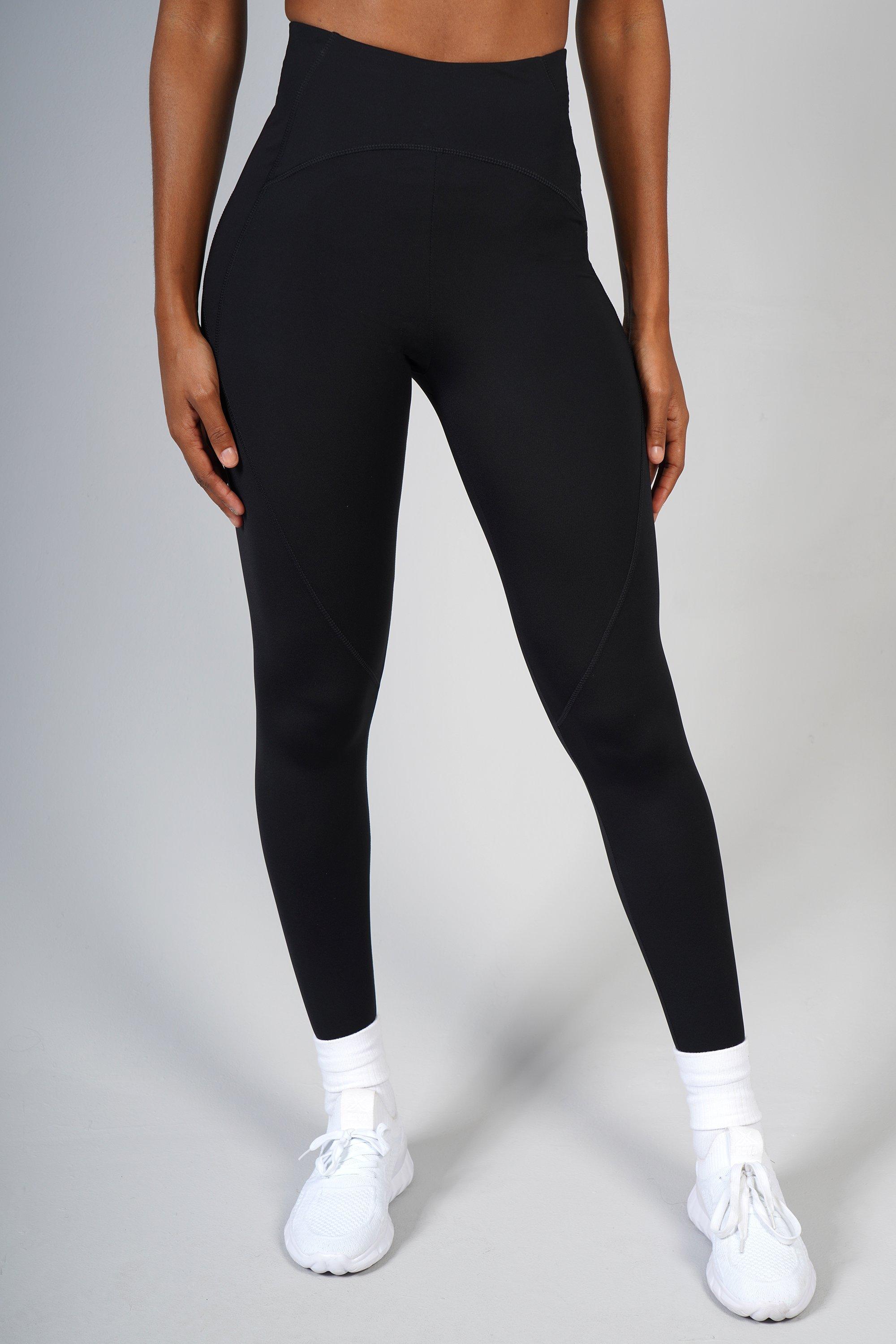
5. Leggings And Tights
Leggings are very popular, especially for women. They offer support and stretch for all types of workouts.
- Budget: $15–$30 (cotton blends, less durable)
- Mid-Range: $30–$65 (better fit, moisture-wicking, squat-proof)
- Premium: $65–$120+ (compression, seamless design, high-tech fabrics)
Example: Amazon Basics leggings start at $20, while Gymshark and Nike offer mid-range options for $40–$60. Lululemon’s Align leggings are over $90.
Insight: The “squat-proof” test checks if leggings become see-through when stretched. Cheaper leggings often fail this test.
6. Track Pants And Joggers
Track pants and joggers are great for warm-ups, cool-downs, and outdoor exercise.
- Budget: $18–$30 (simple polyester or cotton, basic fit)
- Mid-Range: $30–$60 (better shape, zip pockets, sweat-wicking)
- Premium: $60–$120+ (designer brands, tech features, stylish fit)
Example: You’ll find basic joggers at H&M for $25, while Adidas Tiro pants are around $45–$55. Premium joggers from brands like Vuori can cost $90+.
Tip: Look for zippers on pockets if you plan to carry keys or a phone.
7. Hoodies And Jackets
Hoodies and jackets keep you warm before and after workouts.
- Budget: $20–$35 (basic cotton/polyester, simple design)
- Mid-Range: $35–$70 (moisture-wicking, zip pockets, better fit)
- Premium: $70–$150+ (windproof, technical fabrics, high style)
Example: A simple hoodie from Uniqlo is $30, while a Nike Tech Fleece hoodie is $80–$100. Lululemon jackets often cost over $120.
Insight: Some jackets are made for running in rain or cold. These cost more but have extra value for outdoor athletes.
8. Socks
Socks are often overlooked, but good ones make a big difference.
- Budget: $2–$5 per pair (basic cotton, little cushioning)
- Mid-Range: $5–$12 per pair (moisture-wicking, arch support, reinforced toe/heel)
- Premium: $12–$25+ per pair (compression, anti-blister, technical fibers)
Example: Hanes sells basic gym socks for $3 a pair. Mid-range brands like Balega or Bombas cost $10–$14. Some running socks, like Feetures, are $18+.
Tip: Cheap socks may cause blisters. Mid-range socks are a good investment for comfort.
9. Gym Shoes
Gym shoes are often the most expensive part of your outfit. They protect your feet and improve performance.
- Budget: $25–$50 (basic trainers, limited support)
- Mid-Range: $50–$110 (cross-trainers, running shoes, better cushioning)
- Premium: $110–$200+ (top brands, special tech for specific sports)
Example: Decathlon offers basic trainers for $35. Nike or Adidas mid-range running shoes cost $75–$120. Premium shoes from Asics, Brooks, or Nike cost $130+.
Insight: The right shoes depend on your activity. Running shoes are not always good for weightlifting, and vice versa.
10. Accessories
Accessories include headbands, wristbands, gloves, caps, and gym bags.
- Budget: $3–$10 (simple headbands, basic bags)
- Mid-Range: $10–$30 (better materials, more features)
- Premium: $30–$80+ (brand name, technical features, extra durability)
Example: A basic gym bag from Amazon is $15. Nike or Under Armour bags are $25–$45. Premium duffel bags from Lululemon can cost $80+.
Tip: Don’t buy expensive accessories unless you have a specific need, like a padded lifting belt or waterproof bag.
Price Comparison Table: Common Gym Clothes
Here’s a simple comparison of the average price ranges for each gym clothing item:
| Gym Clothing Item | Budget ($) | Mid-Range ($) | Premium ($) |
|---|---|---|---|
| T-Shirts | 8–20 | 20–45 | 45–80+ |
| Tank Tops | 7–18 | 18–35 | 35–60+ |
| Sports Bras | 12–25 | 25–50 | 50–85+ |
| Shorts | 10–22 | 22–45 | 45–80+ |
| Leggings | 15–30 | 30–65 | 65–120+ |
| Track Pants/Joggers | 18–30 | 30–60 | 60–120+ |
| Hoodies/Jackets | 20–35 | 35–70 | 70–150+ |
| Socks (per pair) | 2–5 | 5–12 | 12–25+ |
| Shoes | 25–50 | 50–110 | 110–200+ |
| Accessories | 3–10 | 10–30 | 30–80+ |
What Factors Influence Gym Clothes Cost?
Prices change based on several key factors:
1. Brand Name
Brands like Nike, Adidas, and Lululemon often cost more. You pay partly for the logo and reputation. Lesser-known or store brands are usually cheaper.
2. Material Quality
High-quality materials like moisture-wicking polyester, spandex, or merino wool increase price. These last longer and feel better but cost more upfront.
3. Technology And Features
Some gym clothes have compression, anti-odor technology, or special stitching. These features add to cost but may improve performance and comfort.
4. Design And Style
Trendy designs or limited-edition colors can be expensive. Simple, classic styles are often less costly.
5. Sustainability
Brands using recycled materials or ethical production often charge more. For some buyers, this is worth the extra cost.
6. Where You Buy
Buying from a brand’s own store or website can be more expensive than shopping at outlets or discount retailers. Sales and online deals can lower your costs.
Example Price Comparison: Budget Vs. Premium Full Outfit
What’s the difference in total cost for a full gym outfit, from head to toe? Here’s a direct comparison:
| Item | Budget Outfit ($) | Premium Outfit ($) |
|---|---|---|
| T-Shirt | 15 | 60 |
| Shorts/Leggings | 18 | 90 |
| Socks | 3 | 20 |
| Shoes | 40 | 150 |
| Hoodie/Jacket | 30 | 120 |
| Sports Bra (if needed) | 20 | 75 |
| Accessories | 8 | 50 |
| Total (men) | 106 | 440 |
| Total (women) | 126 | 515 |
Insight: You can dress for the gym for just over $100 using budget brands, or spend over $500 on premium gear. Most people find a comfortable middle ground.
Are Expensive Gym Clothes Worth It?
This is a common question for anyone building a gym wardrobe. The answer depends on your needs and budget.
When Expensive Gym Clothes Make Sense
- You train often: Daily gym-goers benefit from durable, high-quality clothes.
- Special features matter: Runners need special shoes, and people with sensitive skin may need certain fabrics.
- Comfort and fit: Premium items often fit better and stay comfortable for longer workouts.
- You value style: If looking stylish motivates you, investing in premium items can help.
When Cheaper Options Are Enough
- You’re a beginner: No need to buy expensive gear until you know what you like.
- You work out occasionally: Budget items can last a long time with light use.
- You’re on a tight budget: Focus on good shoes, then buy basics for other items.
Non-obvious Insights
- Blend your purchases: It’s smart to invest in good shoes and a sports bra, but save money on T-shirts and shorts.
- High price doesn’t always mean better: Sometimes mid-range clothes offer the best mix of quality and value.
How To Find The Best Deals On Gym Clothes
You don’t have to pay full price for good gym clothes. Here are ways to save:
- Shop off-season: Buy winter clothes in summer and vice versa.
- Look for sales: Big brands have sales during holidays or clearance events.
- Check outlet stores: Outlets often sell last season’s styles at lower prices.
- Use discount retailers: Stores like TJ Maxx, Marshalls, or online sites have quality items for less.
- Try store brands: Brands like Decathlon, Old Navy, or Uniqlo offer quality basics at low prices.
- Buy multi-packs: Socks, shirts, or sports bras often cost less per item in packs.
- Sign up for newsletters: Some brands give discounts to new email subscribers.
- Consider gently used: Try secondhand options from trusted sites for premium brands.
Insight: Many people overlook the value of store brands and multi-packs. These often offer similar performance at much lower prices.
Common Mistakes When Buying Gym Clothes
Avoid these errors to save money and hassle:
- Buying all at once: Start with basics. Add specialty items as you learn what you need.
- Focusing only on style: Comfort and function matter more than looks.
- Ignoring fabric: Cotton is cheap but stays wet. Look for moisture-wicking materials.
- Skipping the right shoes: Poor shoes can lead to injuries.
- Not trying on clothes: Sizes vary by brand. Try before you buy, or check return policies.
Credit: everestkitchennc.com
Men’s Vs. Women’s Gym Clothes: Cost Differences
There are a few important differences:
- Sports bras: Only women need these, adding cost.
- Style options: Women’s gym clothes often have more color and style choices, which can increase price.
- Fit features: High-rise leggings or extra support in women’s items can mean higher prices.
- Unisex items: Some basics like T-shirts or hoodies are often similar in price for both.
Insight: Women may pay more for certain items, but basics are often close in cost.
How Many Gym Outfits Do You Need?
A common question is how many sets of gym clothes you should own. The answer depends on your schedule and washing habits.
- If you work out 2–3 times a week: 2–3 sets are enough.
- If you go daily: 4–5 sets help avoid constant laundry.
- Shoes: One good pair is usually enough unless you do different sports.
- Sports bras: Women may want at least 2–3 for regular workouts.
Tip: Start small, then add more as you figure out your routine.
Credit: modaknits.com
Gym Clothes For Special Activities
Some activities need special clothes, which can change the cost:
- Yoga: Soft, stretchy leggings and tops. Mid-range: $40–$90 per set.
- Running: Lightweight, sweat-wicking tops and shoes. Mid-range: $50–$120 per item.
- Weightlifting: Compression shorts, gloves, or a lifting belt. Prices vary—belts can cost $20–$80.
- Team sports: Jerseys, shorts, and special shoes. Prices depend on the sport and brand.
Insight: Specialized gear costs more, but only buy it if you do that activity regularly.
Kids’ Gym Clothes: Are They Cheaper?
Kids’ gym clothes are usually less expensive, but quality still matters.
- T-shirts: $6–$15
- Shorts: $8–$18
- Leggings: $12–$28
- Shoes: $20–$60
Tip: Kids outgrow clothes quickly, so don’t overspend on premium brands.
Are Designer Gym Clothes Worth It?
Designer brands like Lululemon, Alo Yoga, or Gymshark charge much more for style and status. Some people love the fit and feel, but you can often find similar performance for less from less-famous brands.
Insight: Unless style is very important to you, mid-range brands offer the best value.
Where To Buy Gym Clothes
Here are popular places to shop:
- Sports stores: Decathlon, Academy, Dick’s Sporting Goods
- Brand stores: Nike, Adidas, Under Armour
- Department stores: Macy’s, Kohl’s, Target
- Online: Amazon, Zappos, Gymshark, Lululemon
- Discount stores: TJ Maxx, Marshalls, Ross
Tip: Always check reviews and return policies when shopping online.
How Gym Clothes Prices Have Changed
Over time, gym clothes have become more technical, stylish, and available at all price points. Many brands now offer moisture-wicking and quick-dry features, which used to be rare. Store brands and fast fashion have made gym clothes more affordable. At the same time, luxury brands have created a market for high-priced, fashionable workout wear.
For more about the history of sportswear, see this article from the Wikipedia on sportswear.
Frequently Asked Questions
How Much Should I Spend On Gym Clothes As A Beginner?
Start with the basics. A simple set—T-shirt, shorts or leggings, socks, sports bra (if needed), and shoes—can cost $100–$150 if you choose budget options. Spend more on shoes for safety and comfort. Add more items as you learn your preferences.
Do I Need Expensive Gym Clothes To Get Results?
No. Results come from consistent exercise, not expensive clothes. Good gym clothes help you feel comfortable and confident, but basics are enough for most beginners.
How Often Should I Replace My Gym Clothes?
Replace shoes every 6–12 months or when they lose support. Other clothes last 1–2 years, depending on use and washing. Look for signs like stretched fabric, fading, or loss of support.
Are There Any Benefits To Premium Brands?
Premium brands often use better materials, have improved fit, and last longer. They may also offer unique features. However, many mid-range brands provide similar performance for less money.
Can I Use Regular Clothes For The Gym?
You can, but regular cotton T-shirts and shorts may get heavy and stay wet. Gym-specific clothes are designed to handle sweat and movement better, improving comfort and reducing skin problems.
Final Thoughts
Gym clothes come in a wide range of prices, from cheap basics to high-end designer pieces. The cost depends on the item, brand, materials, and where you shop. Most people do not need the most expensive options—especially beginners. Focus on what matters: comfort, fit, and safety (especially shoes and sports bras). Shop smart by mixing budget and mid-range items, watching for sales, and trying different brands. With the right approach, you can build a gym wardrobe that fits your budget and supports your fitness journey.

Credit: www.reddit.com
