

Can Business Casual Include Jeans? Style Tips You Need to Know
Can Business Casual Include Jeans?
Business casual is a dress code that sits between formal office wear and relaxed clothing. Many people find it confusing, especially when they try to decide if jeans are allowed. Offices are changing, and so are dress codes. Today, jeans are common in many workplaces, but they don’t always fit every business casual environment. If you want to look professional, but feel comfortable, you may wonder: can business casual include jeans? Let’s explore the real answer, the reasons behind it, and how you can make smart choices.
Understanding Business Casual
Business casual is a mix of smart and relaxed clothing. It’s less strict than traditional business attire. In most offices, it means you don’t need a suit and tie, but you should still look neat. Common items include dress shirts, blouses, slacks, and skirts. Shoes are usually closed-toe and simple. Accessories are minimal.
But business casual is not the same everywhere. Different companies, industries, and even cities have their own ideas. For example, a bank may expect more formal business casual than a tech company. In some places, jeans are never allowed. In others, they are welcome if styled right.
The main goal of business casual is to look professional and approachable. Clothes should fit well, be clean, and match the company’s culture. Many people struggle because there is no single definition. Jeans are often the center of this confusion.
One thing beginners often miss is that "business casual" is not just about individual pieces. It's about the overall look. For example, a pair of chinos with a wrinkled t-shirt is less business casual than dark, clean jeans paired with a pressed shirt and blazer.
The impression you give—tidy, put-together, and respectful of the environment—is what really matters.
Also, some offices may call for "smart casual," which is sometimes even more relaxed than business casual. In these places, even clean sneakers might be allowed. This further shows how important it is to understand your own workplace standards.
The History Of Jeans In The Workplace
Jeans started as workwear for miners and farmers. Over time, they became popular as casual clothing. For decades, jeans were not accepted in offices. They were seen as too informal.
In recent years, the workplace has changed. Many companies want employees to feel comfortable. Tech firms, creative agencies, and startups often allow jeans. Some even encourage them. But banks, law firms, and government offices still avoid jeans.
This shift is linked to changing attitudes about work. Companies want people to focus on results, not just appearance. But they also want to keep a professional image. This is why rules about jeans are often unclear.
Some companies have “jeans days” or “casual Fridays. ” On these days, jeans are allowed, but usually with rules. For example, no ripped or faded jeans. This shows that jeans can fit business casual, if styled correctly.
A less obvious detail is how the rise of remote work and hybrid schedules has also influenced dress codes. Many people got used to dressing casually while working from home, and as they return to the office, expectations around formal wear have become more flexible.
However, this flexibility doesn't always mean "anything goes"—even on jeans days, some companies will send people home if their jeans are too casual or have visible damage.

Credit: shopduer.com
Are Jeans Really Business Casual?
The short answer: sometimes. Jeans can be business casual, but only under certain conditions. It depends on the company, the industry, and how you wear them.
When Jeans Fit Business Casual
1. Company Culture
If your office is relaxed, jeans may be fine. Tech companies, marketing agencies, and startups often accept jeans. Always check the dress code.
2. Dress Code Policy
Some companies have clear rules about jeans. Others are less direct. If your company allows jeans, they are business casual. If not, avoid them.
3. Style And Fit
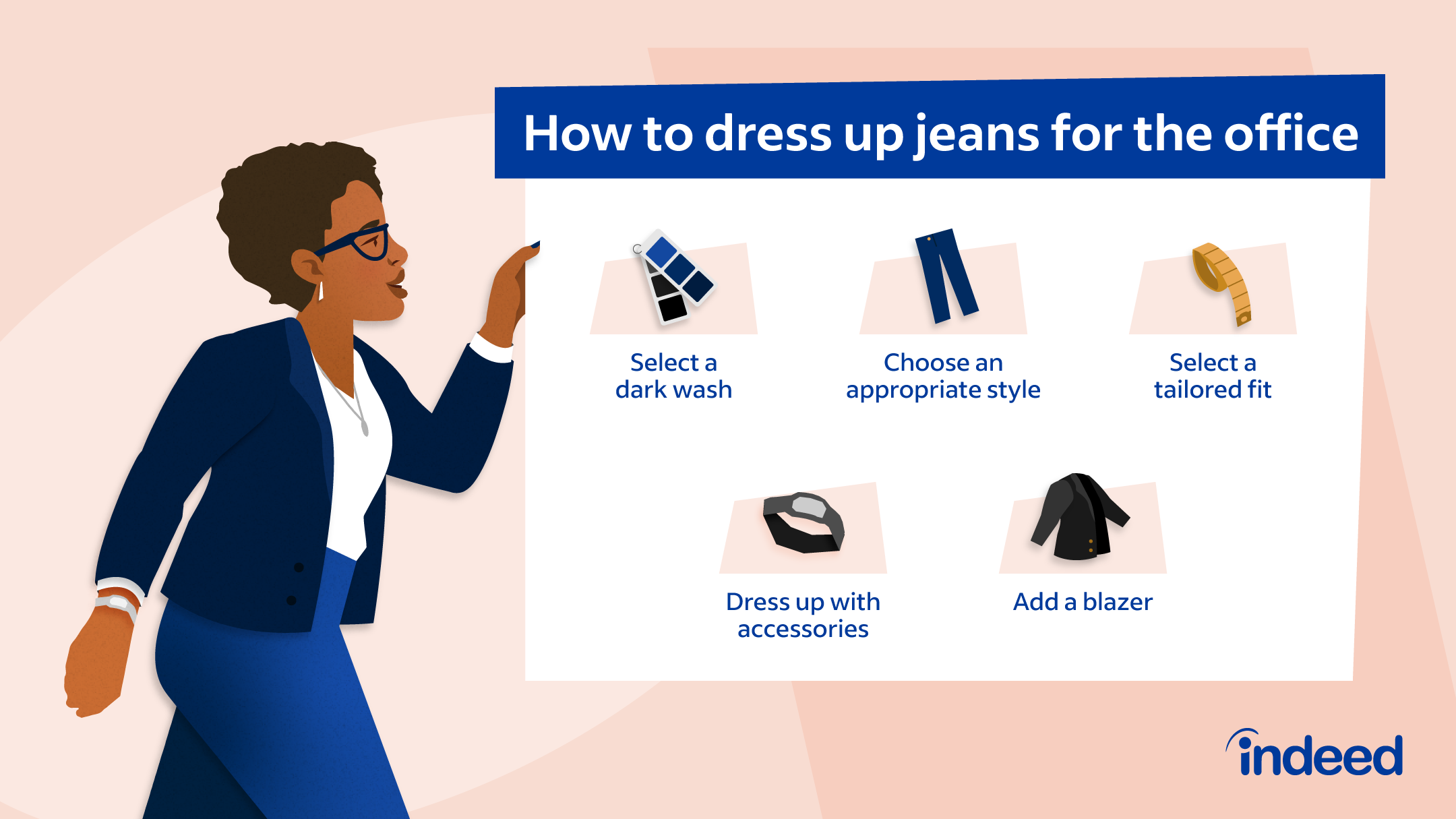
Jeans must be neat, clean, and free of holes. Avoid baggy or skinny styles. Choose dark wash jeans for a more professional look.
4. Pairing With Other Clothes
Jeans can look professional if you wear them with a smart shirt, blazer, or sweater. Avoid t-shirts and sneakers.
It's easy to overlook the impact of footwear and accessories. Even if your jeans look great, pairing them with running shoes or a backpack can make your outfit look too casual. Instead, choose dress shoes, loafers, or simple flats. A leather belt and watch add polish.
When Jeans Are Not Business Casual
1. Formal Workplaces
Banks, law firms, and government offices rarely allow jeans. Stick to slacks or dress pants.
2. Client Meetings
If you’re meeting clients, it’s safer to dress up. Jeans may look too casual.
3. Events And Presentations
For important events or presentations, wear more formal business casual.
Many beginners miss that jeans are not always business casual—even if most coworkers wear them. Always check your company’s dress code and observe what others wear.
Another overlooked point: even if jeans are allowed, the standard can change for important events. For example, during a visit from upper management or a company-wide meeting, many offices expect employees to dress more formally, even if jeans are usually okay.
What Makes Jeans Acceptable For Business Casual?
Not all jeans are equal. Some look smart, others look sloppy. Here’s what matters:
Color And Wash
- Dark wash jeans are best. They look more formal.
- Avoid light wash, faded, or distressed jeans.
- Black jeans can also fit business casual.
Dark colors hide fading and look more like dress pants from a distance. Light colors often show wear and can seem too relaxed.
Fit
- Choose straight leg or slim fit.
- Avoid baggy, skinny, or overly tight jeans.
- Jeans should not drag on the floor.
Try on jeans with the shoes you plan to wear at work. The length and shape can change depending on the shoes.
Condition
- Jeans must be clean and free of holes.
- No rips, patches, or heavy fading.
Even small holes or fraying at the hem can make your outfit look messy. Some companies check these details closely.
Details
- Simple designs are better.
- Avoid large logos or decorative stitching.
Flashy zippers, studs, or colorful embroidery can look too casual. Stick to classic, simple styles.
How You Style Them
- Pair jeans with a dress shirt, blouse, or smart top.
- Add a blazer or cardigan.
- Wear leather shoes or smart flats.
If you want to be extra safe, tuck in your shirt and add a belt. These small touches can make jeans look much more businesslike.
Many people think any jeans are fine if the office allows them. But only certain styles work. Choosing the wrong jeans can make you look unprofessional.
Credit: ca.indeed.com
Comparing Jeans To Other Business Casual Pants
To help understand where jeans fit, let’s compare them to other common business casual pants.
| Type | Look | Comfort | Professionalism | Best For |
|---|---|---|---|---|
| Jeans | Casual to semi-formal | High | Medium | Relaxed offices |
| Dress pants | Formal | Medium | High | All workplaces |
| Chinos | Semi-formal | High | High | Business casual |
| Khakis | Semi-formal | High | High | Business casual |
It’s worth noting that some companies now offer “dressy” jeans made with finer material and simple stitching. These often look closer to chinos than traditional jeans. If you want maximum flexibility, consider investing in a pair of these.
Examples Of Business Casual Outfits With Jeans
Seeing real examples helps understand how to style jeans for business casual. Here are some ideas for both men and women:
For Men
1. Dark Jeans + Dress Shirt + Brown Loafers
Add a leather belt and a simple watch. You can wear this on most office days when jeans are allowed.
- Dark jeans + blazer + white shirt + black shoes
This is a step up and works for presentations or casual meetings.
3. Black Jeans + Sweater + Dress Shoes
Good for cooler weather. A collared shirt under the sweater adds a layer of polish.
For Women
1. Dark Jeans + Blouse + Ballet Flats
Add a simple necklace or stud earrings for a finished look.
2. Black Jeans + Fitted Blazer + Heels
Works well for both regular office days and less formal meetings.
3. Dark Jeans + Cardigan + Simple Jewelry
You can add a silk scarf for extra style.
Another example: Pairing jeans with a tucked-in button-down shirt and a slim belt creates a clean line that looks intentional. Some companies allow open-collar shirts, but if you’re unsure, add a blazer to increase formality.
These combinations look professional, but feel comfortable. Never pair jeans with graphic t-shirts, hoodies, or sneakers if you want a business casual look.
Jeans In Different Industries
Not all industries have the same view of jeans. Here’s how jeans fit business casual in various fields:
Technology
Tech companies are famous for relaxed dress codes. Jeans are common, even for managers. Employees focus on comfort and creativity. Jeans are often business casual here.
Creative Agencies
Advertising, design, and media companies often allow jeans. Employees are expected to look trendy and creative. Jeans can be styled with smart tops for business casual.
Finance
Banks and financial firms are more formal. Jeans are usually not allowed. Employees wear dress pants, skirts, or suits.
Law
Law offices rarely accept jeans. Business casual means slacks, dress shirts, and blouses. Jeans are seen as too relaxed.
Retail
Retail companies vary. Some allow jeans if they are neat and paired with smart tops. Others expect more formal clothing.
Healthcare
Doctors and nurses may wear scrubs, but office staff may have business casual dress codes. Jeans are sometimes allowed, but only if styled professionally.
Education
Schools and universities often allow jeans, especially for teachers. But jeans should be neat and paired with smart tops.
Also, in some nonprofit organizations and startups, jeans are not only accepted—they’re part of the culture. In contrast, in traditional industries like insurance, government, or law, jeans may be seen as a sign you don’t take the job seriously.
Data: How Many Offices Allow Jeans?
Let’s look at some data about jeans in business casual dress codes:
- About 40% of US offices allow jeans as part of business casual.
- Tech companies: 80% allow jeans.
- Finance and law: Only 15% allow jeans.
- Creative industries: 65% allow jeans.
This shows jeans are common in some industries, but not all.
Another point to consider: even in offices that allow jeans, employees often report that they only wear them two or three days a week, not every day. This suggests that many people use jeans as a break from more formal pants, not as a daily uniform.
Common Mistakes When Wearing Jeans For Business Casual
Many people make mistakes when trying to fit jeans into business casual. Here are the most frequent errors:
1. Choosing Distressed Jeans
Ripped or faded jeans look too casual.
2. Wearing Baggy Or Skinny Styles
Extreme fits look unprofessional.
3. Pairing Jeans With Casual Tops
T-shirts, hoodies, and sneakers ruin the business casual look.
4. Ignoring Company Culture
Some offices never allow jeans, even if others do.
5. Overlooking Grooming
Wrinkled clothes, messy hair, or dirty shoes make jeans look worse.
Another mistake: not updating your jeans. If your jeans are several years old, they may be stretched, faded, or out of style. Invest in a new pair if you notice these issues.
Avoiding these mistakes helps you look professional and confident.
Tips For Styling Jeans In Business Casual
If you want to wear jeans for business casual, follow these tips:
- Choose dark wash jeans for a formal look.
- Pair with smart tops like blouses or dress shirts.
- Add a blazer or cardigan for extra polish.
- Wear leather shoes or smart flats.
- Keep accessories simple and professional.
- Avoid flashy designs or large logos.
- Check your company’s dress code before wearing jeans.
- Observe what managers wear; follow their lead.
- Have backup pants for important meetings or events.
- Keep jeans clean and pressed; avoid wrinkles.
Don’t forget about seasonal changes. In summer, lightweight dark jeans can work, but avoid shorts or capri jeans unless your company specifically allows them. In winter, layering with sweaters or scarves can keep your look both warm and professional.
Many beginners miss the importance of observing managers. Their choices show what is really accepted.
Table: Acceptable Vs. Unacceptable Jeans Styles
To help you spot the difference, here’s a table comparing acceptable and unacceptable jeans styles for business casual.
| Style | Acceptable? | Reason |
|---|---|---|
| Dark wash, straight leg | Yes | Looks neat and professional |
| Black, slim fit | Yes | Formal and stylish |
| Light wash, distressed | No | Too casual for business |
| Baggy, faded | No | Unprofessional appearance |
| Skinny, ripped | No | Not suitable for business casual |
Choosing the right style is key. Even if jeans are allowed, the wrong style can ruin your look.
How To Know If Jeans Are Right For Your Workplace
Sometimes, the dress code is unclear. Here’s how you can decide:
1. Read The Dress Code Policy
If the policy mentions jeans, follow the rules. If not, ask HR.
2. Observe Coworkers And Managers
If managers wear jeans, it’s safe. If not, avoid jeans.
3. Ask Your Supervisor
When unsure, a simple question can help.
4. Try Jeans On Casual Days First
If your office has casual Fridays, wear jeans then. See how others respond.
5. Use Jeans For Non-client Days
If you don’t have meetings, jeans may be fine.
Many people forget to ask HR or supervisors. Direct questions clear up confusion and prevent mistakes.
Another overlooked tip: Look for dress code updates. Companies sometimes change policies, especially after leadership changes or company events. Stay informed to avoid surprises.

Credit: www.hockerty.com
Dress Code Policy Example
Here is a sample dress code policy that includes jeans:
> “Business casual attire is required. Acceptable items include dress pants, khakis, blouses, and smart tops. Jeans are allowed if they are dark wash, free of holes, and paired with professional tops. Sneakers, t-shirts, and distressed jeans are not allowed.
”
This shows jeans can fit business casual, but only if styled properly.
Table: Business Casual With Jeans Across Cities
Dress codes change by city. Here’s a comparison:
| City | Jeans Allowed? | Typical Business Casual Style |
|---|---|---|
| San Francisco | Yes | Jeans, blazers, casual shoes |
| New York | Sometimes | Dress pants, shirts, smart jackets |
| Dallas | Yes | Dark jeans, button-downs |
| Chicago | Sometimes | Chinos, sweaters, dress shoes |
| Miami | Yes | Light pants, stylish tops |
Cities with more relaxed cultures allow jeans more often. Always check local norms.
In some international offices, the rules may be stricter. For example, offices in London, Tokyo, or Dubai might expect more traditional business attire than similar companies in California or Texas.
Non-obvious Insights For Beginners
1. Jeans Can Signal Your Attitude
Wearing jeans shows you are comfortable and relaxed, but also confident. However, it can signal that you don’t care about details if styled wrong.
2. Managers’ Choices Matter More Than Policy
If your manager wears jeans, it’s safe for you. If they don’t, even a relaxed policy can be stricter in practice.
3. Jeans Can Affect First Impressions
If you’re new at a company, dress more formally at first, then adjust after you see what’s normal. It’s easier to dress down later than to recover from a bad first impression.
4. Fit And Maintenance Matter More Than Brand
It doesn’t matter if your jeans are expensive. What matters is that they fit well, are clean, and look professional.
Should You Wear Jeans For Business Casual?
The answer depends on your workplace, your role, and your personal style. Jeans can make you feel comfortable and confident. But they can also make you look too casual if not styled carefully.
If your office accepts jeans, wear them with pride—but always look neat and professional. If not, stick to dress pants and other smart options.
Remember, your clothes affect how others see you. A good business casual outfit helps you feel ready for work, and shows respect for your company.
For more guidance on dress codes and workplace attire, visit SHRM.
Frequently Asked Questions
Can I Wear Jeans For A Job Interview?
For most job interviews, jeans are not recommended. Even if the company allows jeans for business casual, it’s safer to wear dress pants or a skirt. Employers expect you to dress up for interviews.
What Color Jeans Are Best For Business Casual?
Dark wash or black jeans are best. They look more formal and stylish. Avoid light wash, faded, or distressed jeans.
Are Ripped Jeans Ever Business Casual?
No. Ripped or distressed jeans are never business casual. They look too relaxed and unprofessional for most workplaces.
Can Women Wear Jeans For Business Casual?
Yes, but only if the jeans are neat, dark, and styled with smart tops. Avoid tight, ripped, or flashy jeans. Pair with blouses, blazers, or cardigans.
How Do I Know If Jeans Are Allowed In My Office?
Check your company’s dress code policy, observe what managers wear, and ask HR if you’re unsure. Policies and culture both matter.
Business casual is about balancing comfort and professionalism. Jeans can fit this balance if you choose the right style and follow your company’s rules. Always aim to look neat and confident, and you’ll make the best impression.
