

Does Business Casual Include a Tie? Your Complete Style Guide
Does Business Casual Include A Tie?
Business casual is one of the most misunderstood dress codes in the modern workplace. Many people wonder, “Does business casual include a tie? ” The answer is not as simple as yes or no. The world of business attire is changing, and what was once standard has become more flexible.
If you want to feel confident in any workplace, you need to understand the hidden rules of business casual.
Let’s take a closer look at whether a tie belongs in business casual, why there is confusion, and how you can make the best choice for your situation. This guide will help you avoid mistakes and dress with confidence every time.
Understanding Business Casual
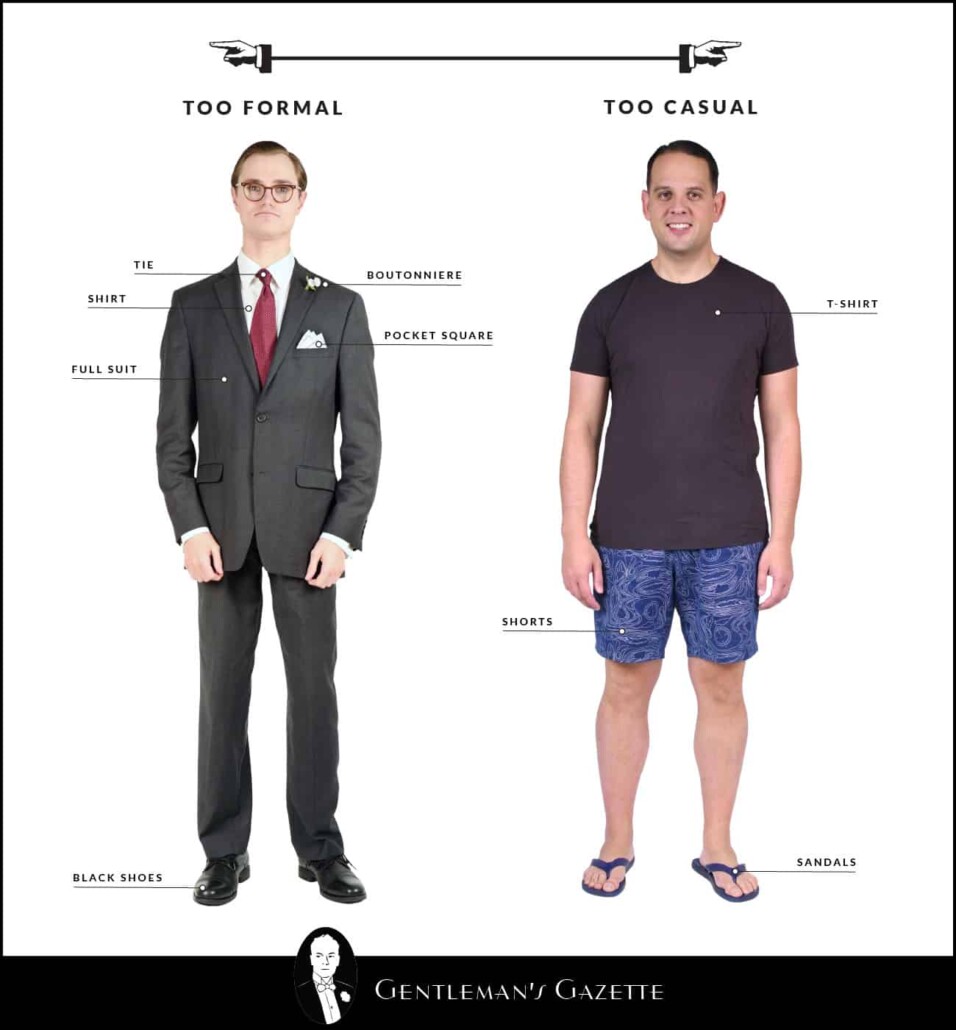
Business casual is a dress code that sits between formal business wear and casual clothing. It aims to be professional but not too formal. The challenge is that business casual means different things in different places.
In some offices, business casual means no jeans or sneakers, but ties are still expected. In others, a neat polo shirt and clean chinos are enough. This wide range leads to confusion, especially about the need for a tie.
Where Did Business Casual Come From?
The rise of business casual started as companies wanted a more relaxed office environment. Creative fields, tech companies, and startups led the way. Over time, even traditional companies adopted more relaxed rules. Today, business casual is common in many industries, but it is still less formal than the classic suit-and-tie look.
Key Elements Of Business Casual
To understand if a tie fits, you first need to know what business casual usually includes:
- Collared shirts: Button-down shirts, polos, or blouses
- Dress pants or chinos: Sometimes skirts or dresses for women
- Blazers or cardigans: Optional but often add polish
- Closed-toe shoes: Loafers, oxfords, or simple flats
- Minimal accessories: Simple belts, watches, or jewelry
Jeans, T-shirts, hoodies, and sneakers are usually not part of business casual. The tie is the one item people debate most.
The Role Of The Tie In Business Casual
The tie is a classic symbol of professional attire. But with business casual, its place is unclear. Some people think a tie makes you look overdressed, while others believe it shows you care. Let’s explore why the tie is in this gray area.
Why The Tie Became Optional
As workplaces shifted toward comfort, the tie became less common. Employees wanted to feel relaxed but still professional. Removing the tie often signals that the environment is less strict but still cares about appearance.
When A Tie Is Sometimes Worn
There are situations where a tie might appear in business casual:
- Client meetings: Some industries expect a tie for important meetings, even if the daily dress code is relaxed.
- First impressions: If you’re unsure about the dress code, wearing a tie can show respect. You can always remove it later.
- Personal style: Some people choose a tie as a signature look, even in a business casual office.
But in most modern offices, a tie is not required for business casual.
How Companies Define Business Casual
Every company has its own culture. The best way to know if a tie is part of business casual in your workplace is to observe and ask. Here’s how companies usually set their rules.
Corporate Offices
Large companies, banks, and law firms usually have stricter guidelines. Business casual may mean no jacket, but a tie might still be expected for men. In these settings, being slightly overdressed is better than too relaxed.
Tech And Creative Industries
Startups and creative agencies often have the most relaxed business casual rules. In these offices, a tie is rare and might even make you look out of place.
Professional Services
Consulting, accounting, and real estate firms often balance tradition and modern style. Ties may be optional except for client-facing days.
Retail And Customer-facing Roles
For jobs where you meet customers, the rules can change daily. If your manager wears a tie, it’s a hint that you might need one too.
Here’s a quick comparison of common business casual expectations:
| Industry | Business Casual With Tie? | Notes |
|---|---|---|
| Corporate/Finance | Sometimes | Tie may be expected for meetings |
| Tech/Startups | Rarely | Usually no tie, even for managers |
| Creative Agencies | Rarely | Tie can look out of place |
| Professional Services | Optional | Depends on client interaction |
| Retail/Customer Service | Sometimes | Check local standards |
Why There’s So Much Confusion
You may still feel uncertain about wearing a tie with business casual. That’s normal. Several factors create confusion:
No Universal Standard
Unlike a “black tie” event, business casual has no single definition. What works in one city or company may not fit another. Even HR guidelines can be vague.
Changing Fashion Trends
Workplace fashion changes over time. In the past, ties were almost always required. Now, dressing “one step up” is more about neatness and fit, not just accessories.
Regional Differences
Business casual in New York may look different from San Francisco or London. Climate, culture, and industry all play a role.
Generational Differences
Older managers might see a tie as a sign of respect. Younger leaders may value individuality and comfort more.
Pros And Cons Of Wearing A Tie With Business Casual
If you’re still unsure, weigh the benefits and risks of including a tie in your business casual outfit.
Benefits
- Shows extra effort: Wearing a tie can make you look prepared for any situation.
- Easy to remove: If you arrive and see no one else wearing a tie, you can take it off.
- Personal style: A tie can express your personality and attention to detail.
Risks
- May look overdressed: In a relaxed office, a tie can make you stand out in the wrong way.
- Comfort issues: Ties can feel restrictive, especially in warmer climates.
- Mismatch with culture: If no one wears a tie, you may seem like you don’t understand the office vibe.
Real-world Examples
Let’s look at some practical situations to see how the tie fits into business casual.
Job Interview At A Tech Company
Most tech companies want to see your skills, not your tie. Arriving in a neat shirt and pants is usually enough. If you wear a tie, pick a subtle color and pattern. If you see the interviewer is more casual, remove your tie before the meeting.
Networking Event At A Law Firm
Even if the event is “business casual,” a tie is a safe choice. Legal fields value tradition. You can always take off your tie if you see others without one, but starting with a tie shows respect.
First Day At A New Company
If you’re not sure, wear a tie on your first day. Observe your coworkers and adjust your style on day two. It’s easier to dress down than up.
Casual Friday In Finance
Some companies allow jeans on Fridays but still expect a neat shirt—no tie needed. However, some require business casual every day. Check the office policy.
How To Decide: Simple Questions To Ask
Before choosing to wear a tie with business casual, ask yourself:
- What do managers wear? Follow the lead of people above you.
- Is this a client-facing day? If yes, add a tie.
- What does HR say? Check the dress code policy for clues.
- What is the industry norm? Some fields are more formal.
- How do I feel most confident? Wear what helps you perform your best.
The Power Of Observation
One practical tip is to observe your workplace for a week. See what your manager and team wear. Pay attention to:
- How often ties appear
- The style of shirts and shoes
- Whether jackets or blazers are common
This research is more reliable than online advice. If you’re starting a new job, look for company photos on LinkedIn or the company website.
Alternatives To The Tie In Business Casual
If you want to dress up your business casual look without a tie, you have options.
The Unbuttoned Collar
Leaving your top shirt button open gives a relaxed, confident look. It works best with a well-fitting shirt.
Sweaters And Cardigans
Layering a sweater or cardigan over your shirt adds professionalism and warmth. It’s a good substitute for a tie.
Patterned Shirts
A shirt with a subtle pattern or color shows personality without needing a tie. Avoid loud prints—stick to classic stripes or checks.
Blazers
A blazer instantly raises the level of your outfit. You can skip the tie and still look sharp.
Here’s a comparison of business casual looks with and without a tie:
| Outfit Element | With Tie | Without Tie |
|---|---|---|
| Shirt | Button-down, closed collar | Button-down, open collar |
| Neckwear | Solid or subtle pattern tie | None |
| Blazer | Optional | Optional |
| Pants | Chinos or dress pants | Chinos or dress pants |
| Shoes | Dress shoes or loafers | Dress shoes or loafers |
Common Mistakes With Business Casual And Ties
Many people make errors when trying to interpret business casual. Here are some mistakes to avoid:
Overdressing
Wearing a tie in a laid-back office can make you look stiff or out of touch. Always check the office culture before adding a tie.
Mismatched Styles
Pairing a formal tie with casual pants or shoes can look awkward. Match your tie’s formality to your outfit.
Old Or Worn Ties
A tie that is faded or wrinkled takes away from your look. If you choose to wear a tie, make sure it’s in good condition.
Ignoring Fit
A well-fitted shirt and pants matter more than adding a tie. Baggy or tight clothes look unprofessional in any dress code.
Not Updating Your Wardrobe
Fashion changes. If your ties are wide, flashy, or outdated, consider updating to slimmer and more modern styles.
Gender And Business Casual
Business casual looks different for men and women, but the same rules about ties apply: rarely required, sometimes optional, and always about the setting.
Women’s Options
Women have more flexibility. Business casual for women can include:
- Blouses or tops (with or without collars)
- Dress pants or skirts
- Dresses
- Blazers or cardigans
Women’s ties or neck scarves are almost never required in business casual, but can be used as a stylish touch.
Non-binary And Gender-neutral Style
Many workplaces now support gender-neutral business casual. The focus is on neat, professional clothing, not gendered items like ties.
How Ties Affect Perception
It’s not just about rules—ties change how people see you. Here’s what research shows:
- People see tie-wearers as more serious and ambitious, but sometimes less approachable.
- In creative fields, not wearing a tie can signal you are modern and flexible.
- In traditional fields, a tie can show you respect the company culture.
But these effects are subtle. Being well-groomed and confident matters more.

Credit: www.bows-n-ties.com
The Tie In Global Business Casual
If you work with international teams, you might need to adjust your look. In some countries, a tie is still standard. In others, it is rarely seen.
Examples:
- Japan: Business casual often includes a tie, especially in large companies.
- Scandinavia: Very relaxed. Ties are rare except in formal meetings.
- Middle East: Ties are common in multinational offices.
When traveling or working with global teams, ask colleagues or check company photos to see what is expected.
How To Wear A Tie Casually
If you decide to include a tie in your business casual look, keep it simple:
- Choose slimmer, less shiny ties
- Avoid bold prints or cartoon patterns
- Match your tie to your shirt and pants
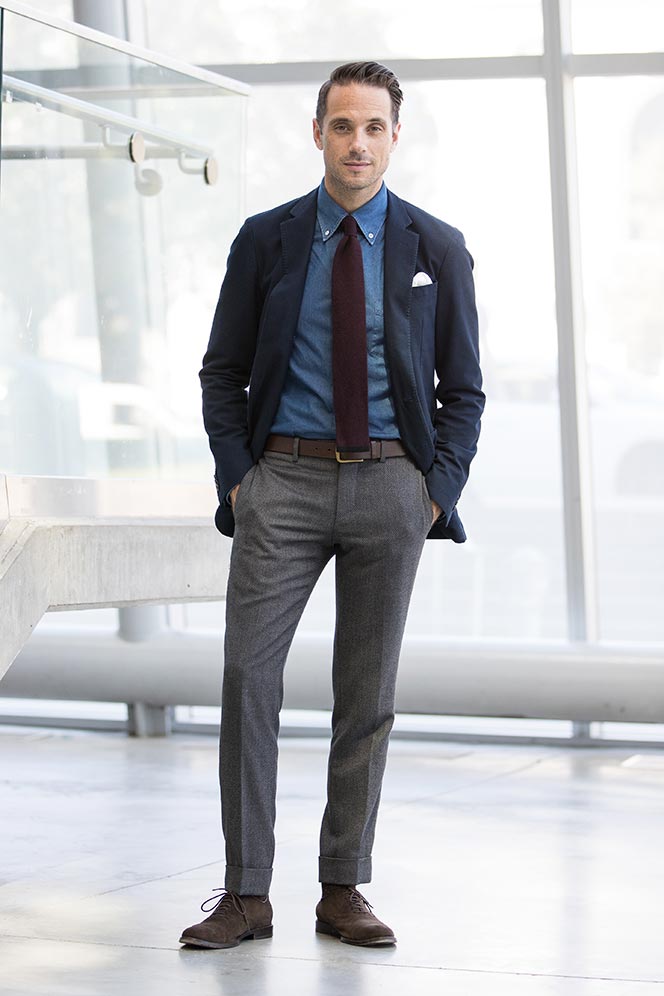
A cotton or knitted tie can look more relaxed than silk. You can also try a tie with a button-down collar shirt for a smart but approachable look.
Credit: www.gentlemansgazette.com
The Hidden Value Of Confidence
Here’s an insight many people miss: the real key to business casual is confidence. If you feel uncomfortable, it will show. If you walk in confidently—tie or no tie—people will notice your attitude more than your neckwear.
One way to feel more comfortable is to practice your look at home. Try both with and without a tie. See which one makes you feel more “yourself. ” Often, your comfort will tell you what is best.
What To Do If You’re Still Unsure
If you’re new to a company or industry, and you still don’t know if you should wear a tie, here’s a step-by-step approach:
- Start slightly formal: On your first day, wear a tie.
- Observe others: In meetings, see what others wear.
- Ask quietly: After a few days, ask your manager or HR what is best.
- Adapt: Adjust your style for comfort and culture.
This approach will help you avoid embarrassment and show that you care about fitting in.
Quick Visual Guide: Business Casual With And Without A Tie
Sometimes, a picture helps more than words. Here’s a quick chart to help you decide:
| Situation | Wear a Tie? | Why? |
|---|---|---|
| Job Interview (Traditional) | Yes | Shows respect, safe choice |
| Job Interview (Tech/Startup) | No/Optional | Follow company style, tie not expected |
| Daily Office (Corporate) | Optional | Depends on team, check managers |
| Client Meeting | Yes | Better to be overdressed |
| Casual Friday | No | Tie is rarely needed |
Two Insights Most People Miss
- A tie is not a shortcut to professionalism. People notice your fit, grooming, and confidence more than your tie. If you’re not sure, focus on neatness, not just accessories.
- You can always remove a tie, but you can’t add one you don’t have. If in doubt, bring a tie with you. Put it on or take it off as the day requires.
Practical Tips For Navigating Business Casual
- Keep a neutral tie at your desk or bag. If a meeting comes up, you’re ready in seconds.
- Update your wardrobe every few years. Styles change—modern fits look sharper.
- Iron your clothes. Wrinkles ruin even the best outfit.
- Check your company’s social media or website. Photos give real clues about the dress code.
- Err on the side of neatness. Clean, well-fitted clothes are always in style.
Frequently Asked Questions
What Exactly Is Business Casual?
Business casual is a dress code that blends traditional business wear with a more relaxed style. It usually means a collared shirt, dress pants or chinos, and closed-toe shoes. Ties and jackets are often optional.
Is A Tie Ever Required For Business Casual?
A tie is rarely required for business casual, but there are exceptions. If you work in a traditional field or have an important client meeting, a tie can be a smart choice. Always check your company’s policy or observe what others wear.
Can I Wear A Tie With A Polo Shirt In Business Casual?
Wearing a tie with a polo shirt is not recommended. Polo shirts are casual, and ties need a collared shirt with buttons. Stick to button-down shirts if you want to wear a tie.
How Do I Know If My Company Expects A Tie With Business Casual?
Check your employee handbook, ask HR, or observe your managers and team. Company photos on official websites or LinkedIn pages can also help. If in doubt, start with a tie and adjust as needed.
Where Can I Find More About Business Casual Standards?
For more on business casual and dress codes, you can visit Wikipedia’s page on business casual for a broad overview.
Dressing business casual can seem confusing, but with a little research and observation, you can always look your best. Remember: it’s not just about the tie—it’s about feeling comfortable, confident, and professional in any setting.
Credit: hespokestyle.com
