

Business Casual Clothes Men Nearby: Top Local Shopping Tips
Business Casual Clothes Men Nearby
Finding the right business casual clothes for men is not always simple. You might search local stores, try online options, or ask friends for advice. But what really matters is understanding what business casual means, how to build a wardrobe that fits your needs, and where to find quality clothes nearby. If you want to look sharp but also feel comfortable, this guide will help you discover everything you need to know—without confusion or guesswork.
Business casual is now the main style in many workplaces. It blends the comfort of casual wear with the neat look of professional clothes. But rules are not always clear. One office might allow jeans, another might ask for slacks.
Shopping nearby also means you need to know which stores to trust, what brands offer quality, and how to check fit and fabrics in person.
In this guide, you’ll learn how to build a business casual wardrobe, understand key pieces, discover shopping tips for local stores, and see real comparisons. You’ll get practical advice for beginners and seasoned professionals alike. If you’re tired of guessing or wearing the wrong outfits, keep reading.
Understanding Business Casual For Men
Business casual is not strict, but it’s not careless either. It’s a middle ground between formal suits and relaxed weekend wear. Let’s break down what it really means:
Key Principles
- Neatness: Clothes should look clean and pressed.
- Fit: Avoid baggy or tight clothes. Aim for a comfortable, tailored look.
- Flexibility: Pieces should work for both office and after-work events.
- Simplicity: Avoid loud patterns and flashy colors. Stick to classic shades.
Typical Business Casual Pieces
Business casual includes a mix of staple items:
- Dress shirts (solid, light patterns)
- Chinos or dress pants
- Blazers (optional, but useful)
- Sweaters (for cooler days)
- Leather shoes (loafers, brogues)
- Belts (matching the shoes)
Many offices allow dark jeans if they look smart and are paired with a nice shirt. Shorts, sandals, and athletic gear are almost never business casual.
What’s Not Business Casual
- Graphic tees
- Hoodies
- Athletic shoes
- Cargo pants
- Flip-flops
Knowing what to avoid is as important as knowing what to wear.
Building Your Business Casual Wardrobe
A strong wardrobe does not mean buying everything at once. It means picking pieces that mix well, last longer, and fit your style. Here’s how to get started:
Essential Items
- White dress shirt: Always looks sharp.
- Light blue dress shirt: Works with most pants.
- Navy chinos: Versatile and easy to match.
- Gray dress pants: For formal days.
- Brown leather belt: Matches most shoes.
- Black or brown loafers: Comfortable and classic.
- Crewneck sweater: Useful for layering.
- Blazer (navy or gray): Adds polish to any outfit.
These basics cover most situations. You can add more as needed.
How Many Pieces Do You Need?
A common mistake is overbuying. For most men, 8–12 pieces are enough to start. Try this plan:
- 3–4 shirts
- 2–3 pants
- 1–2 sweaters
- 1 blazer
- 2 pairs of shoes
This allows you to mix and match for different days.
Choosing The Right Fit
Fit makes the difference between looking sloppy and professional. Here’s how to check:
- Shoulders: The seam should sit at the edge of your shoulders.
- Sleeves: Should end at your wrist bone.
- Pants: Should not bunch at the ankles.
- Waist: Should sit comfortably, not tight.
If you’re unsure, ask staff in local stores for help. Many shops offer basic tailoring.
Fabrics Matter
Business casual is about comfort and style. Choose fabrics like:
- Cotton: Breathable and easy to care for.
- Wool: Good for cooler weather.
- Polyester blends: Resist wrinkles.
Avoid shiny materials or cheap synthetics—they can look out of place.
Where To Find Business Casual Clothes Nearby
Shopping locally has real benefits. You can try clothes, see fabrics, and check fit right away. But not all stores offer the same quality or range. Here’s how to find the best options in your area.
National Chains
Many chain stores offer business casual clothes. Here are popular choices:
- Men’s Wearhouse: Good for dress shirts, pants, and tailoring.
- J.Crew: Offers modern styles and quality fabrics.
- Banana Republic: Known for classic business casual.
- Nordstrom: Large selection, personal service.
These shops usually have stores in malls or city centers.
Local Boutiques
Small, local shops often offer unique brands and better service. Look for stores specializing in men’s wear or business attire. Staff can give advice and help with fit. Prices may be higher, but quality is often better.
Department Stores
Places like Macy’s, Dillard’s, and Kohl’s carry many brands. You can find deals during sales. The downside is less personal help and less focus on business casual.
Outlet Stores
Outlet malls offer lower prices for name brands. Check for fit and quality—sometimes items are from last season or have slight flaws.
Specialty Shops
Some stores focus only on business clothing. They may offer tailoring, advice, and wardrobe packages. These are ideal if you want a one-stop solution.
Comparing Local Shopping Options
To help you decide, here’s a comparison of common store types:
| Store Type | Selection | Price Range | Service |
|---|---|---|---|
| Chain Store | Wide | Medium-High | Moderate |
| Boutique | Unique | High | Personalized |
| Department Store | Varied | Low-Medium | Basic |
| Outlet Store | Limited | Low | Minimal |
Choose based on your budget, need for help, and style preference.
How To Shop For Business Casual Clothes Nearby
Shopping nearby is easier when you have a plan. Follow these practical steps:
Step 1: Check Store Locations
Use Google Maps, Yelp, or store websites to find men’s clothing shops within your area. Look for stores with good reviews and photos of business casual outfits.
Step 2: Make A List
Decide what you need before going. For example:
- 2 dress shirts
- 1 pair of chinos
- 1 sweater
- 1 pair of loafers
This keeps you focused and avoids impulse buying.
Step 3: Visit At Off-peak Hours
Stores are less busy on weekday mornings. You’ll get better service and can try clothes without waiting.
Step 4: Try Clothes On
Fit is key. Always try shirts, pants, and shoes. Move around—sit, stand, bend—to check comfort.
Step 5: Ask About Alterations
Many stores offer basic tailoring. Small adjustments can make clothes look custom-made.
Step 6: Compare Brands
Don’t settle for the first piece you find. Compare fit and fabric across brands. Use this sample comparison table to help:
| Brand | Shirt Quality | Pant Fit | Price |
|---|---|---|---|
| J.Crew | High | Modern Slim | $$$ |
| Banana Republic | Good | Classic | $$ |
| Men’s Wearhouse | Decent | Regular | $$ |
| Local Boutique | Excellent | Custom | $$$$ |
Step 7: Look For Deals
Many stores offer sales at the end of seasons. Ask staff about upcoming promotions.
Step 8: Check Return Policies
If you’re unsure about a piece, check if you can return or exchange it.
Step 9: Consider Accessories
Belts, socks, and watches can complete your look. Local shops often carry these items.
Step 10: Build Relationships
If you find a store you like, keep coming back. Staff will get to know your style and size, making future shopping easier.
Common Mistakes In Business Casual Shopping
Even experienced shoppers make mistakes. Avoid these to save money and look better.
Buying Too Many Trendy Items
Trends change quickly. Stick to classic pieces for your core wardrobe. You can add trendy items later if you want.
Ignoring Fit
A cheap shirt that fits well looks better than an expensive one that doesn’t. Always prioritize fit over price.
Forgetting About Shoes
Shoes matter as much as shirts or pants. Choose leather shoes that match your belt. Avoid sneakers, even if they look stylish.
Not Checking Fabric Care
Some fabrics need dry cleaning. If you want easy care, choose machine-washable materials.
Skipping Alterations
Many men avoid tailoring, thinking it’s expensive. But small changes can make a big difference. Ask about prices—they’re often lower than you expect.
Styles And Examples For Different Workplaces
Workplaces have different rules. Let’s look at business casual styles for offices, client meetings, and creative industries.
Office Settings
- Dress shirt
- Chinos
- Sweater or blazer
- Loafers
This is the safest option. Avoid jeans unless you know they’re allowed.
Client Meetings
- Dress shirt
- Gray dress pants
- Blazer
- Leather belt
- Dress shoes
Client meetings call for a polished look. Choose neutral colors.
Creative Industries
- Patterned shirts
- Dark jeans
- Casual blazer
- Minimal accessories
You can be more expressive but keep it neat.
Dress Code Policies
Always check your company’s policy. Some allow t-shirts under blazers, others want full dress shirts. If in doubt, ask HR or observe what managers wear.
How To Mix And Match Business Casual Pieces
Mixing pieces gives you more outfits with fewer clothes. Here are practical tips:
Create Combinations
- Pair navy chinos with a white shirt and brown loafers.
- Wear gray dress pants with a blue shirt and black belt.
- Add a sweater over a dress shirt for cooler days.
Layering
Layering adds style and comfort. Try a blazer over a sweater or a shirt under a v-neck sweater.
Color Coordination
Stick to neutral colors like navy, gray, white, and brown. Use light colors in shirts, darker colors in pants.
Accessories
Add a simple watch or leather belt. Avoid flashy jewelry.
Weekly Outfit Planner
Use this sample planner:
Monday: White Shirt, Navy Chinos, Brown Loafers
Tuesday: Blue Shirt, Gray Pants, Black Belt
Wednesday: Sweater, Dress Shirt, Chinos
Thursday: Blazer, Dress Pants, Loafers
Friday: Patterned Shirt, Dark Jeans, Casual Shoes (if Allowed)
This keeps your look fresh and professional.
Caring For Business Casual Clothes
Taking care of your clothes helps them last longer and look better. Here’s what to do:
Washing
Read care labels. Most cotton shirts can be machine washed. Use cold water to keep colors bright.
Drying
Avoid high heat. Air drying or low-heat dryer settings prevent shrinking.
Ironing
Iron shirts and pants for a crisp look. Use steam for stubborn wrinkles.
Storing
Hang shirts and pants to avoid creases. Use shoe trees for leather shoes to keep their shape.
Repairs
Fix small tears or loose buttons quickly. Many local shops offer repairs.

Credit: southerntide.com
Business Casual For Different Body Types
Everyone has a different shape. Finding clothes that fit well is key. Here are some tips:
Tall Men
- Look for longer shirt sleeves and pant legs.
- Try brands that offer “tall” sizes.
- Avoid short jackets.
Short Men
- Choose clothes with shorter cuts.
- Avoid baggy pants—they can make you look shorter.
- Pick vertical patterns to add height.
Athletic Build
- Look for slim-fit shirts.
- Avoid shirts that are too tight in the shoulders.
- Choose pants with stretch.
Larger Build
- Pick classic fit shirts and pants.
- Avoid skinny cuts.
- Choose darker colors—they slim the shape.
Online Vs. Local Shopping: Pros And Cons
Sometimes, local stores don’t have what you need. Online shopping offers more choices, but it comes with risks. Here’s a comparison:
| Shopping Method | Selection | Fit | Convenience | Returns |
|---|---|---|---|---|
| Local Store | Limited | Try On | Immediate | Easy |
| Online | Wide | Guess | Delayed | Varies |
If you buy online, check sizing charts, reviews, and return policies. Some online stores offer free returns, but not all.
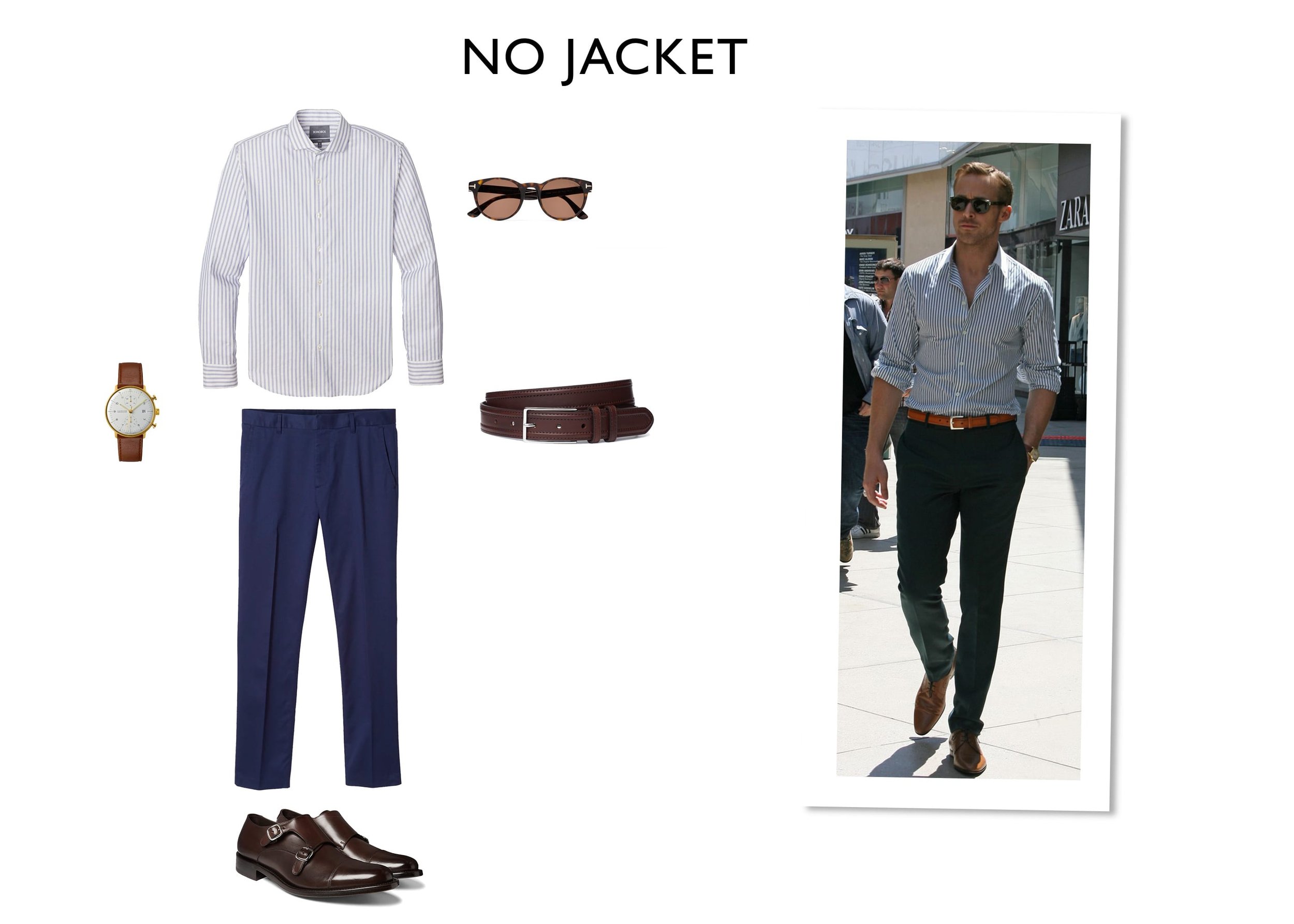
For more tips on finding the right fit, see advice from the Real Men Real Style site.
Credit: www.theessentialman.com
Budgeting For Business Casual Clothes
You don’t need to spend a lot to look good. Here’s how to budget:
Set Priorities
Spend more on shirts and pants—they’re the foundation. Save on accessories.
Average Prices
- Dress shirt: $30–$70
- Chinos: $40–$80
- Sweater: $35–$70
- Blazer: $80–$150
- Shoes: $70–$120
Shop Sales
Most stores have sales at the end of seasons. Plan purchases during these times.
Buy Quality, Not Quantity
One well-made shirt is better than three cheap ones. Quality clothes last longer and look better.
Second-hand Stores
Check thrift shops or consignment stores for deals on business casual items. You might find designer brands at low prices.
How Business Casual Impacts Your Image
Wearing business casual clothes that fit and look neat helps your confidence and reputation. People notice your style, even if they don’t comment. Here’s how your outfit makes a difference:
- First impressions: Clean, well-fitted clothes show you care about details.
- Professionalism: Business casual sets the right tone without being stiff.
- Comfort: You can move, sit, and work easily.
- Respect: Dressing well shows respect for your workplace and coworkers.
A small detail—like a polished belt or crisp shirt—can make you stand out.

Credit: www.freepik.com
Frequently Asked Questions
What Is The Difference Between Business Casual And Formal?
Business casual is less strict than formal. Formal usually means suits, ties, and dress shoes. Business casual skips the tie, allows chinos and sweaters, and can include loafers instead of oxfords.
Can I Wear Jeans For Business Casual?
Yes, in some offices. But choose dark, plain jeans with no rips or logos. Pair them with a dress shirt and blazer for a smart look.
How Do I Know If A Store Nearby Sells Business Casual Clothes?
Check store websites, call ahead, or visit in person. Look for sections labeled “men’s business wear” or “work attire. ” Staff can guide you to the right pieces.
Should I Buy Online Or In Local Stores?
Local stores let you try clothes and check fit. Online shopping offers more choices and sometimes better prices. If you are unsure about sizing, shop locally.
How Often Should I Update My Business Casual Wardrobe?
Update basic items every 1–2 years, or when they show wear. Trends change, but classic pieces last longer. Replace shoes and belts as needed.
Business casual clothes for men are easy to find nearby if you know what to look for and where to shop. Building a wardrobe is about choosing quality, mixing pieces, and finding your own style. Local stores offer the chance to try clothes, ask for advice, and get tailoring.
With these tips, you can dress well, feel confident, and make the right impression every day.
