

Business Casual Attire Men And Women: Style Guide for 2024
Business Casual Attire Men And Women
What does “business casual” really mean? Many people struggle to understand this dress code because it’s not as simple as “wear a suit” or “wear jeans. ” Business casual is about looking professional without feeling too formal. It is popular in offices, meetings, and networking events.
But what should men and women actually wear? This article will help you understand business casual attire, how to dress for different workplaces, and avoid common mistakes. You’ll find practical advice, real examples, and key differences between men’s and women’s business casual.
If you want to feel confident and comfortable at work, keep reading.
What Is Business Casual?
Business casual is a middle ground between formal business wear and casual clothing. It is less strict than traditional suits but more polished than jeans and T-shirts. The goal is to look neat, professional, and approachable. Business casual is popular in modern workplaces because it helps people feel comfortable while maintaining a professional image.
Key elements of business casual include:
- Clean, well-fitted clothes
- Neutral or subtle colors
- Simple accessories
- Closed-toe shoes
Different companies may have their own rules, but these basics are usually safe. Business casual is not the same everywhere. In some tech companies, it can be more relaxed. In law or finance, it may be closer to formal. Always check your company policy or observe what your coworkers wear.
Business Casual For Men
Men’s business casual is easier to define than women’s, but still has many choices. Let’s break down each part:
Shirts
Collared shirts are the foundation of men’s business casual. Popular options:
- Dress shirts: Plain or with subtle patterns. Avoid flashy colors.
- Polo shirts: Acceptable in many workplaces, but avoid logos.
- Sweaters: Fine over a collared shirt, especially in cooler months.
T-shirts are not business casual, even if they are plain.
Pants
Forget jeans and shorts. The best choices:
- Chinos: Comfortable and smart. Go for neutral colors like beige, navy, or gray.
- Dress pants: Classic and always safe.
- Corduroys: Suitable in some offices, but avoid bold colors.
Pants should fit well and be free from wrinkles.
Jackets And Blazers
A blazer adds a touch of formality. It’s not required, but it helps if you want to look sharper.
- Choose simple, single-breasted styles.
- Avoid loud patterns or shiny fabrics.
Suit jackets can work, but avoid matching them with formal suit pants—this will look too formal.
Shoes
Closed-toe shoes are a must. Best options:
- Loafers
- Derby shoes
- Oxfords
- Dress boots
Avoid sneakers, sandals, and athletic shoes. Shoes should be clean and polished.
Accessories
Keep accessories minimal:
- Belts: Match belt color to shoes.
- Watches: Simple styles are best.
- Ties: Not required, but can be worn with a dress shirt and blazer for a sharp look.
Avoid flashy jewelry and large bags.
Data Table: Men’s Business Casual Essentials
Here’s a quick comparison of popular men’s business casual items:
| Item | Business Casual | Not Business Casual |
|---|---|---|
| Shirt | Collared, Dress, Polo | T-shirt, Graphic |
| Pants | Chinos, Dress Pants | Jeans, Shorts |
| Shoes | Loafers, Oxfords | Sneakers, Sandals |
| Jacket | Blazer | Hoodie, Sports Jacket |
Credit: gardner-webb.edu
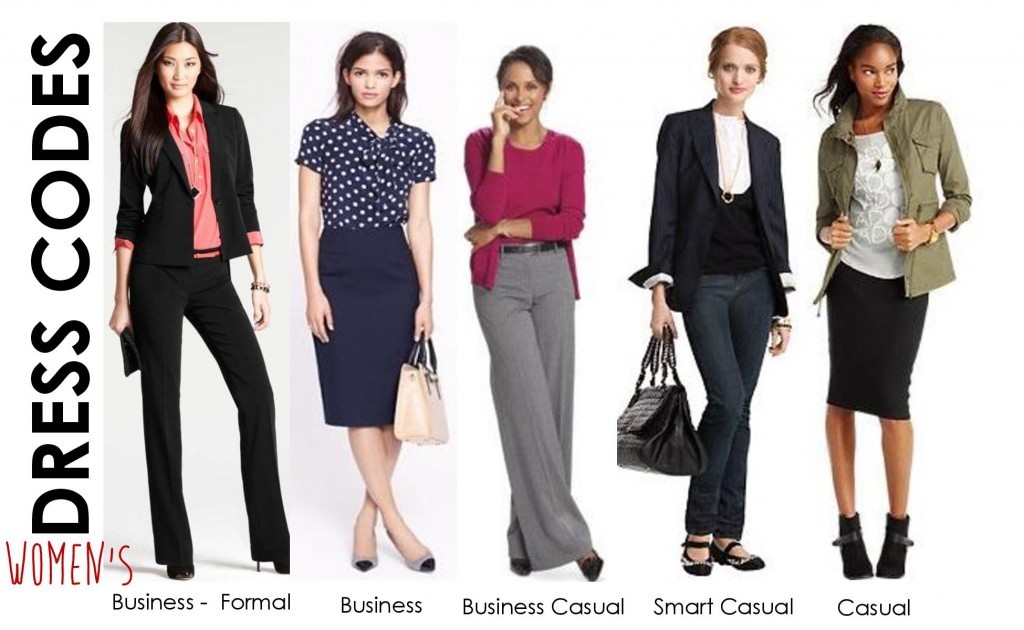
Business Casual For Women
Women have more options, but this can make business casual confusing. The best approach is to keep things simple and polished.
Tops
Women can wear:
- Blouses: Plain or with modest patterns. Avoid low-cut styles.
- Button-down shirts: Classic and professional.
- Sweaters: Fitted styles work well.
- Cardigans: Good for layering.
Tank tops and spaghetti straps are not business casual unless covered by a cardigan or blazer.
Bottoms
Choose pants, skirts, or dresses that look professional:
- Dress pants: Always safe. Go for dark or neutral colors.
- Chinos: Comfortable and stylish.
- Skirts: Knee-length or longer is best. Avoid mini skirts.
- Dresses: Simple styles, not too tight or revealing.
Jeans, leggings, and shorts are not business casual.
Jackets And Blazers
A blazer or tailored jacket adds structure. Cardigans are also good for a softer look.
- Choose single-color jackets.
- Patterns should be subtle.
Shoes
Closed-toe shoes are safest. Options include:
- Flats
- Low heels
- Loafers
- Dress boots
Avoid flip-flops, sandals, and high heels over 3 inches.
Accessories
Keep accessories simple and tasteful:
- Jewelry: Small earrings, a watch, or a delicate necklace.
- Bags: Structured bags in neutral colors.
- Scarves: Light, simple patterns.
Avoid large, flashy jewelry or oversized bags.
Comparison Table: Women’s Business Casual Essentials
Here’s a quick guide to what works and what doesn’t:
| Item | Business Casual | Not Business Casual |
|---|---|---|
| Top | Blouse, Sweater, Cardigan | Tank Top, Graphic Tee |
| Bottom | Dress Pants, Skirt | Jeans, Shorts, Leggings |
| Shoes | Flats, Loafers, Boots | Sandals, Flip-Flops, High Heels |
| Jacket | Blazer, Cardigan | Hoodie, Denim Jacket |
Colors And Patterns
Neutral colors are the safest choice for business casual. They look professional and are easy to mix and match. Good options include black, navy, gray, beige, and white. You can add a pop of color, but keep it subtle—a blue blouse or burgundy tie, for example.
Patterns should be simple:
- Small stripes
- Checks
- Polka dots
Avoid large or flashy patterns. Animal prints, neon colors, or busy designs can look unprofessional.
Fabric Choices
Choosing the right fabric helps you look polished and feel comfortable. Some fabrics wrinkle easily, while others stay neat all day.
Best fabrics:
- Cotton
- Wool blends
- Polyester blends
- Linen (only if ironed and not too casual)
Avoid fabrics that look shiny, see-through, or too casual, such as denim, spandex, or nylon.
Business Casual For Different Workplaces
Business casual is not the same everywhere. Some companies allow more freedom, while others expect a stricter look.
Tech Companies
Tech companies are famous for relaxed dress codes. You might see jeans paired with a button-down shirt, but it’s still safer to stick to chinos and a polo or sweater. Sneakers are sometimes accepted, but dress shoes look better.
Corporate Offices
In finance, law, or consulting, business casual is closer to formal. Dress pants, blazers, and collared shirts are common. Women often wear tailored dresses or skirts. Avoid anything too casual.
Creative Agencies
Creative jobs allow more color and personality. You can wear brighter tops, interesting patterns, or stylish accessories. Still, avoid shorts, flip-flops, or clothes with holes.
Startups
Startups often have flexible rules. Some days, jeans are fine; other days, you may need to dress up for a client meeting. Look for cues from managers and coworkers.
Data Table: Business Casual By Workplace
Let’s see how business casual looks in different companies:
| Workplace | Men’s Typical Attire | Women’s Typical Attire |
|---|---|---|
| Tech | Polo, Chinos, Sneakers | Blouse, Chinos, Flats |
| Corporate | Dress Shirt, Blazer, Dress Pants | Button-Down, Skirt, Low Heels |
| Creative | Sweater, Patterned Shirt, Loafers | Bright Top, Patterned Skirt, Boots |
| Startup | Button-Down, Jeans (sometimes) | Cardigan, Dark Jeans (sometimes) |

Credit: www.dreamstime.com
Common Mistakes In Business Casual
Many people make mistakes when trying to dress business casual. Here are some to watch for:
- Wearing jeans or shorts. Even if your office allows them, they rarely look professional.
- Choosing athletic shoes or sandals. These are never business casual.
- Wearing wrinkled or stained clothes. Always check your outfit before leaving home.
- Showing too much skin. Short skirts, low-cut tops, or sleeveless shirts should be avoided.
- Ignoring fit. Baggy or tight clothes look unprofessional.
- Wearing flashy accessories. Large jewelry or bright bags can distract from your professional image.
- Mixing formal and casual pieces. For example, a suit jacket with jeans doesn’t work.
One less obvious mistake is forgetting seasonal changes. In summer, you may want lighter fabrics, but don’t let your outfit become too casual. In winter, add layers, but keep the look neat.
Another mistake is ignoring company culture. Always check what your coworkers and managers wear. If you’re unsure, it’s better to dress up a little more.
How To Build A Business Casual Wardrobe
Building a business casual wardrobe takes time. Start with basics, then add pieces as you learn what works for your workplace.
Key Steps
- Buy a few neutral shirts and pants. These are easy to mix and match.
- Add a blazer or cardigan for layering.
- Choose comfortable, closed-toe shoes.
- Get simple accessories like a belt and watch.
- Add color or pattern with one or two pieces, like a scarf or tie.
Practical Tips
- Spend more on shoes and jackets. These last longer and look better.
- Try clothes on before buying. Fit matters more than brand.
- Check care labels. Some fabrics need ironing or dry cleaning.
- Keep spare clothes at work, like an extra shirt or shoes.
A beginner’s insight: Don’t buy everything at once. Start with a few safe pieces, then add as you see what fits your company culture.
Another tip: Quality matters more than quantity. A few well-fitting clothes look better than many cheap ones.
Business Casual For Interviews And Meetings
Business casual is often the right choice for interviews or meetings, especially if the company does not require full formal wear. Here’s how to look your best:
For Men
- Wear a collared shirt and chinos.
- Add a blazer if you want to look more polished.
- Choose clean, closed-toe shoes.
- Avoid flashy colors or patterns.
For Women
- Wear a blouse and dress pants or a knee-length skirt.
- Add a blazer or cardigan.
- Wear simple jewelry and structured bag.
- Choose closed-toe flats or low heels.
If you are unsure, dress slightly more formal than the average employee. It shows respect and professionalism.
Business Casual In Different Countries
Business casual varies by country and culture. In the US, it is usually relaxed, but in Japan or Germany, it can be stricter. In Europe, you may see more color and accessories, but the basics stay the same: neat, comfortable, and not too formal.
If you travel or work with people from other countries, check local standards. Ask HR or look for guidance online, like from Wikipedia.
Seasonal Business Casual
Your business casual wardrobe should change with the seasons. Here’s how to adjust:
Spring/summer
- Choose lighter fabrics like cotton or linen.
- Wear short-sleeve shirts, but avoid sleeveless tops.
- Add color, but stay professional.
Fall/winter
- Layer with sweaters, cardigans, and blazers.
- Wear dark colors for a warmer look.
- Use wool blends or thicker fabrics.
Always keep your outfit neat. Don’t let layers become bulky or sloppy.
Business Casual And Remote Work
With more people working from home, business casual has changed. Many companies expect employees to look professional during video meetings, even if working remotely.
Tips for remote business casual:
- Wear a collared shirt or blouse, even if you are not in the office.
- Keep your clothes clean and wrinkle-free.
- Avoid pajamas, T-shirts, or sportswear for video calls.
- Use simple backgrounds and good lighting.
You don’t need to wear dress pants if only your top half is visible, but don’t take risks—you never know when you’ll need to stand up or move.
Business Casual For Plus Size And Petite
Finding business casual clothes that fit well can be harder for plus size or petite individuals. Here are some tips:
- Look for brands that offer specialty sizes.
- Choose tailored pieces to flatter your body shape.
- Avoid baggy or overly tight clothes.
- Use belts or structured jackets to define your shape.
- Stick to simple patterns and colors.
A less obvious insight: Many plus size and petite brands now offer business casual lines. Try different stores and don’t settle for poor fit.
Business Casual For Different Ages
Business casual should work for all ages. Young employees sometimes try to add trendy pieces, while older workers stick to classics. Both approaches are fine if the result is neat and professional.
Tips for younger workers:
- Avoid clothes that look too casual, like hoodies or graphic tees.
- Use accessories to add personality, but don’t go overboard.
Tips for older workers:
- Update your wardrobe with modern fits and colors.
- Avoid outdated styles like pleated pants or oversized blazers.

Credit: northernvirginiamag.com
Business Casual And Gender Expression
Business casual can be flexible for people who want to express their gender identity. Many companies now allow more freedom in clothing choices.
- Choose clothes that make you comfortable.
- Stick to the basics: Neat, well-fitting, and professional.
- Ask HR about dress code policies if you have concerns.
A unique insight: Gender-neutral business casual is becoming more common. Neutral colors, simple jackets, and closed-toe shoes work for everyone.
Business Casual And Sustainability
Many people now care about sustainability in fashion. You can build a business casual wardrobe in an eco-friendly way.
- Choose quality clothes that last longer.
- Buy from brands with ethical practices.
- Look for recycled fabrics or second-hand options.
- Wash clothes carefully to keep them looking good.
A tip most beginners miss: You don’t need many clothes. A small, well-chosen wardrobe is better for the planet and your wallet.
Frequently Asked Questions
What Is The Difference Between Business Casual And Smart Casual?
Business casual is more formal and suitable for offices. It includes collared shirts, dress pants, and closed-toe shoes. Smart casual is more relaxed and can include nice jeans, stylish sneakers, and trendy accessories. Always check your workplace dress code.
Can I Wear Jeans For Business Casual?
Jeans are rarely acceptable for business casual. Only dark, well-fitted jeans might be allowed in some creative or tech companies, but it’s safer to wear chinos or dress pants.
Are Sneakers Allowed In Business Casual?
Sneakers are not business casual. Some modern workplaces accept them, but classic business casual means loafers, oxfords, or flats. Avoid athletic shoes.
How Do I Know If My Outfit Is Business Casual?
Check for these signs:
- Clothes are clean, neat, and fit well.
- You are wearing closed-toe shoes.
- Accessories are simple.
- No jeans, shorts, or T-shirts.
If you’re unsure, dress a bit more formally.
What Should I Avoid In Business Casual?
Avoid:
- Jeans, shorts, leggings
- Athletic shoes, sandals
- Flashy patterns and colors
- Baggy or tight clothes
- Too much skin showing
When in doubt, choose simple, classic pieces.
Business casual helps you look professional and comfortable. It is not about following strict rules, but about finding a balance. If you pay attention to fit, fabrics, and company culture, you’ll always look your best. With these tips, you can build a wardrobe that makes you feel confident at work and beyond.
