

Best Business Casual Dress Men: Top Styles for a Sharp Look
Choosing the right business casual dress for men can feel confusing. Dress codes are changing fast, and the line between formal and casual is getting thinner. Many workplaces want a look that is smart, but not too strict. If you dress too formally, you may stand out.
If you dress too casually, you risk looking unprofessional. The goal is to find a balance that feels comfortable, looks sharp, and fits the office culture.
This article is your complete guide to business casual dress for men. You will learn what business casual really means, which clothes work best, and how to mix and match them. We will cover must-have items, key styling tips, and mistakes to avoid.
You will see real examples, useful data, and practical advice that makes getting dressed simple. Whether you are new to the workplace or want to upgrade your wardrobe, this guide will help you look your best every day.
Understanding Business Casual
Business casual is a dress style that mixes professional and relaxed elements. It is less formal than a suit and tie, but more polished than jeans and a T-shirt. The main idea is to look tidy, confident, and ready for work, without feeling stiff.
Many companies use business casual because it encourages comfort and creativity. But the meaning can change depending on the place, industry, and country. For example, a tech startup may accept jeans and sneakers as business casual. A bank or law firm may expect dress pants and leather shoes.
Common Components
Business casual usually includes:
- Dress shirts (without a tie)
- Chinos or dress pants
- Blazers or sport coats (optional)
- Leather shoes or loafers
- Sweaters or cardigans
- Belts and simple accessories
Avoid athletic wear, shorts, graphic T-shirts, sandals, and anything too flashy. The goal is to look neat, not boring.
Why Business Casual Matters
Studies show that dress affects mood, confidence, and how others see you. According to a survey by LinkedIn, 60% of workers feel more productive when they dress well. Another study found that business casual boosts creativity and teamwork, compared to formal suits.
A non-obvious insight: The way you dress can even impact your salary. Research from Yale University showed that employees who dress smartly are more likely to be promoted, even if their work is the same as others.
Essential Business Casual Pieces
Building a business casual wardrobe starts with a few key items. You do not need many clothes—just the right ones that work together.
Dress Shirts
A good dress shirt is the foundation. Choose cotton or blends that feel comfortable and hold their shape. Solid colors like white, light blue, and pale pink are versatile. Subtle patterns (stripes, checks) add interest without being loud.
Tip: Avoid shirts with large logos or bold prints. They look less professional and are harder to match.
Chinos And Dress Pants
Chinos are popular because they are stylish and comfortable. They come in many colors, but navy, gray, beige, and olive are safest. Dress pants (also called slacks) are more formal, usually in darker shades.
The fit matters more than the brand. Pants should sit just above the hip, with a slim or straight cut. Too tight or too loose looks careless.
Blazers And Sport Coats
A blazer instantly makes any outfit look smarter. Choose one in navy, gray, or charcoal. It should fit snugly on the shoulders and chest, but not restrict movement. A sport coat is a bit more relaxed, often with textured fabrics.
Tip: You do not need to wear a blazer every day. Use it for meetings, presentations, or when you want extra confidence.
Sweaters And Cardigans
Sweaters and cardigans are perfect for cooler days or offices with strong air conditioning. Look for lightweight materials like cotton or merino wool. V-neck and crew neck styles are easiest to layer over a shirt.
Avoid bulky knits or loud colors. Stick to neutrals, which match with most pants and shirts.
Shoes
Shoes are often the first thing people notice. Leather shoes (like oxfords, derbies, or loafers) are ideal. Dress boots and minimal sneakers can work in creative industries.
Never wear running shoes, flip-flops, or sandals in a business casual setting. Shoes should be clean and polished.
Accessories
Accessories add personality without being distracting. A simple belt (matching your shoe color), a classic watch, and a neat briefcase or messenger bag are enough.
Skip flashy jewelry, large chains, or bright socks. The focus should be on your outfit, not the extras.
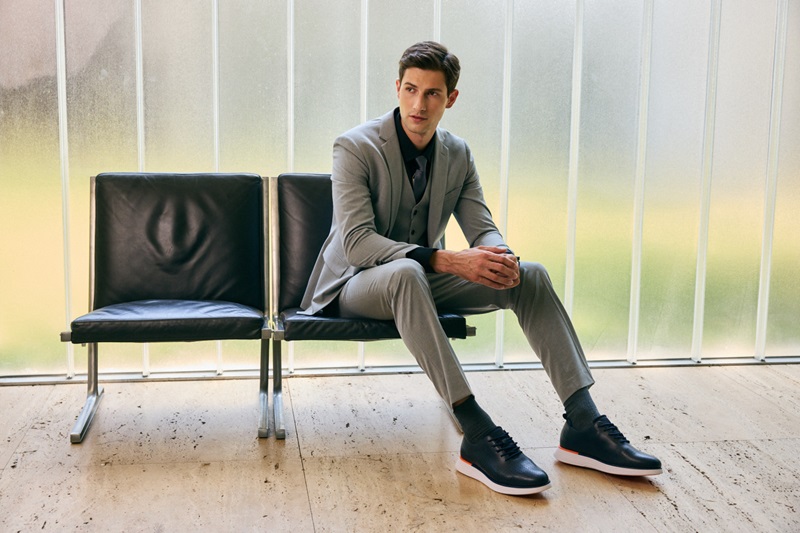
Credit: www.nilds.gov.ng
Mixing And Matching: Creating Outfits
The best business casual wardrobes use a few pieces in many ways. You can create different looks by mixing shirts, pants, and jackets.
Sample Outfits
- Light blue dress shirt + navy chinos + brown leather shoes
- White dress shirt + gray dress pants + black loafers + navy blazer
- Pale pink shirt + beige chinos + tan belt + dark brown loafers
- Crew neck sweater + checkered shirt + olive chinos + black shoes
A non-obvious insight: You can wear the same shirt twice a week, as long as you pair it with different pants or a jacket. This keeps your wardrobe fresh without needing many items.
Color Coordination
Simple color rules help you look sharp. Neutrals like navy, white, gray, and beige work with almost anything. For a pop of color, use one item (like a shirt or socks) and keep the rest calm.
Avoid wearing too many bright colors together. Two is the maximum for business casual.
Layering
Layering makes your outfit more interesting and adjusts for temperature. Try:
- Shirt + sweater + blazer
- Shirt + cardigan + chinos
- Shirt + light jacket + dress pants
Layering also helps you look more professional in meetings, then relax when you remove a jacket for desk work.
Choosing The Best Fabrics
Fabric choice affects comfort, appearance, and maintenance.
Cotton
Cotton is most common for shirts, pants, and sweaters. It is breathable, easy to wash, and soft.
Wool
Wool (especially merino) is great for sweaters and blazers. It keeps you warm without overheating.
Linen
Linen is light and cool for hot weather. It wrinkles easily, so use it for shirts or summer jackets.
Synthetic Blends
Synthetic blends (like polyester-cotton) last longer and resist wrinkles. They are good for travel or busy days.
A practical tip: Check the care label before buying. Some fabrics need dry cleaning, which adds cost and time.
Fit And Tailoring
Fit is more important than style or color. Clothes that fit well make you look confident and organized.
Shirt Fit
A shirt should sit close to the body without pulling at the buttons. Sleeves should end at your wrist, not over your hand. If you can fit two fingers between your neck and collar, the size is right.
Pant Fit
Pants should sit at the waist, not hips. The hem should touch the top of your shoe, with a slight break. Slim or straight cuts suit most body types.
Jacket Fit
A blazer should hug your shoulders and chest. The sleeves must end at the wrist bone. If the jacket pulls or bunches, it is too small.
A non-obvious insight: Most men wear pants too long or jackets too loose. Tailoring can fix these for a small cost and makes cheap clothes look expensive.
Business Casual Vs. Other Dress Codes
To understand business casual, it helps to compare it with other styles. Here is a simple comparison:
| Dress Code | Typical Outfit | Formality Level |
|---|---|---|
| Business Casual | Dress shirt, chinos, leather shoes, optional blazer | Medium |
| Formal Business | Suit, tie, dress shoes | High |
| Smart Casual | Polo shirt, jeans/chinos, loafers | Low-Medium |
| Casual | T-shirt, jeans, sneakers | Low |
The main difference is the balance of comfort and professionalism. Business casual is flexible, but always tidy.
Top Brands For Business Casual
Choosing the right brands can save time and money. Here are some trusted names for business casual clothes:
- Brooks Brothers – Classic dress shirts and pants, known for quality.
- Banana Republic – Modern styles, comfortable fits, good value.
- Uniqlo – Affordable basics, simple designs, easy to mix.
- J.Crew – Smart casual blazers, sweaters, chinos.
- Charles Tyrwhitt – Dress shirts with expert tailoring.
- Bonobos – Chinos and pants that fit many body types.
- Nordstrom – Wide range, from entry-level to high-end brands.
- Ralph Lauren – Polished shirts, quality fabrics.
- Tommy Hilfiger – Stylish shirts, simple sweaters.
- H&M – Budget-friendly basics, good for starters.
A tip: You do not need to buy all items from one brand. Mixing brands helps you find the best fit and price.
Business Casual For Different Body Types
One mistake is to copy outfits from magazines or models. Everyone’s body is different. Here are tips for common body shapes:
Athletic Build
Slim fit shirts and pants work best. Avoid baggy clothes, which hide your shape.
Broad Shoulders
Choose shirts with a slight taper. Blazers with soft shoulders balance your frame.
Tall And Thin
Layering adds volume. Try sweaters or jackets over shirts. Pants with a straight cut look better than skinny fits.
Short And Stocky
Use vertical stripes and lighter fabrics. Avoid heavy or thick materials, which make you look shorter.
A non-obvious insight: Most brands offer free alterations when you buy in-store. Ask for this service to improve fit.
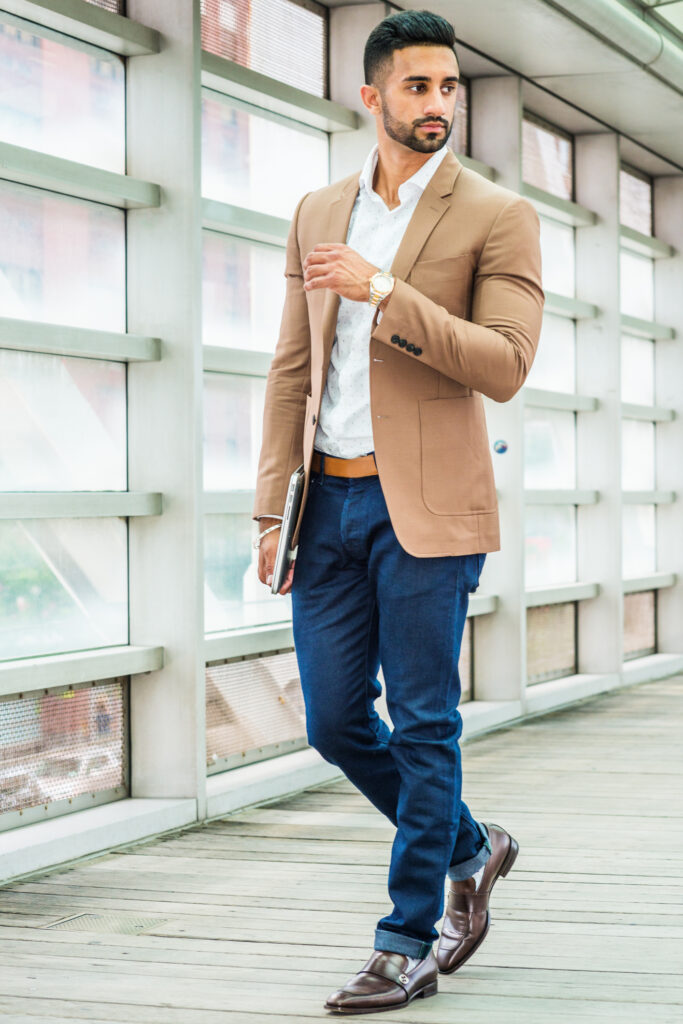
Credit: petersclothiers.com
Business Casual For Different Seasons
Your business casual wardrobe should adapt to the weather.
Spring
Light shirts, chinos, and cotton sweaters. Use pastel colors for a fresh look.
Summer
Short-sleeve shirts, linen pants, light blazers. Avoid dark colors, which absorb heat.
Fall
Layer with cardigans, wool sweaters, and darker chinos. Add scarves or light jackets.
Winter
Thicker fabrics like wool, layered shirts, and sweaters. Choose leather boots and heavy blazers.
Tip: Always check your office temperature. Some places are cold in summer and warm in winter.
Common Mistakes And How To Avoid Them
Many men make simple mistakes with business casual. Here is how to avoid them:
- Wearing wrinkled or dirty clothes. Always iron shirts and pants, and polish shoes.
- Choosing poor fit. Baggy or tight clothes look unprofessional.
- Mixing too many patterns or colors. Keep outfits simple and coordinated.
- Ignoring shoes. Old or dirty shoes ruin a smart look.
- Forgetting accessories. A belt and watch complete your outfit.
- Over-accessorizing. Too many extras distract from your outfit.
A practical tip: Take a photo of your outfit before leaving home. It helps you spot mistakes and improve your style.
How To Shop For Business Casual
Shopping can be stressful, but simple rules help.
Set A Budget
You do not need expensive clothes. Focus on quality basics. Spend more on items you wear most, like shirts and shoes.
Try Before You Buy
Always try clothes in-store. Move your arms and legs to check comfort. Online shopping is convenient, but fit is harder to judge.
Buy Versatile Pieces
Choose clothes that mix easily. Neutral colors, simple patterns, and classic styles last longer.
Check Return Policies
Some stores offer free returns or exchanges. Use these to find the right fit.
A non-obvious insight: Outlet stores often have business casual items at half price, especially during sales.
Caring For Business Casual Clothes
Proper care keeps your wardrobe looking new and saves money.
Washing
Follow the care label. Most shirts and chinos can be machine washed. Use cold water to prevent shrinking.
Ironing
Iron shirts and pants after washing. Steamers work faster and avoid damage.
Storing
Hang shirts, jackets, and pants to keep their shape. Fold sweaters and store shoes in a cool, dry place.
Cleaning Shoes
Wipe leather shoes with a damp cloth. Use shoe polish to restore shine. Rotate shoes to avoid wear.
A practical tip: Invest in wooden hangers and shoe trees. They help clothes and shoes last longer.
Business Casual For Remote Work
Remote work is changing office dress codes. Many people now attend virtual meetings and work from home. Business casual still matters, especially for video calls.
Video Call Tips
- Wear a clean shirt, even if you are in shorts below.
- Avoid bright or busy backgrounds. Simple outfits look better on camera.
- Use good lighting to show your face.
A non-obvious insight: Dressing well for remote work improves focus and productivity, even if nobody sees you.
How Business Casual Impacts Your Career
The way you dress can change your work life. Smart clothes help you look confident, trustworthy, and ready for new tasks.
First Impressions
Research shows people decide about you in the first seven seconds. Business casual helps you make a strong, positive impression.
Promotions And Raises
Managers often notice those who dress well. Surveys show that 53% of professionals believe dressing smartly leads to promotions.
Networking
Events, meetings, and conferences are easier when you look sharp. People are more likely to remember you and trust you.
A practical tip: Dress slightly better than the office average. It shows ambition without being arrogant.
Business Casual In Different Industries
Business casual is not the same everywhere. Here is how it changes by industry:
| Industry | Business Casual Example | Special Tips |
|---|---|---|
| Finance | Dress shirt, dark slacks, leather shoes, blazer | Stick to dark colors and classic styles |
| Tech | Polo shirt, chinos, minimal sneakers | More relaxed, but avoid jeans with holes |
| Creative | Patterned shirt, slim pants, loafers | Add color, but keep fit professional |
| Education | Sweater, dress shirt, khakis | Comfort matters; avoid flashy patterns |
| Sales | Blazer, shirt, chinos, dress shoes | Impress clients with polished looks |
A practical tip: Ask your manager or HR about the dress code if unsure. Better to ask than guess.
Real-life Examples And Data
Let’s look at practical examples and real data to see how business casual works.
Example 1: Office Worker
James works in a medium-sized company. He wears a light blue dress shirt, navy chinos, brown belt, and loafers. On meeting days, he adds a gray blazer. His outfit is simple, but he gets compliments for looking professional.
Example 2: Tech Startup
Alex works at a tech startup. He wears a polo shirt, olive chinos, and minimal sneakers. He keeps a blazer in his locker for investor meetings. His style is comfortable and fits the company culture.
Example 3: Creative Agency
Mark is a designer. He wears patterned shirts, slim pants, and suede loafers. He mixes colors, but keeps the fit sharp.
Data
- 47% of US companies use business casual as their main dress code.
- 75% of managers say dressing well helps with promotions.
- 80% of employees feel more confident in business casual clothes.
These examples show that business casual is flexible, but always neat.
Frequently Asked Questions
What Is The Difference Between Business Casual And Smart Casual?
Business casual is more professional, using dress shirts, chinos, and leather shoes. Smart casual allows jeans, polo shirts, and sneakers, but still aims for a tidy look.
Can I Wear Jeans For Business Casual?
Usually, jeans are not part of business casual. Some creative or tech companies accept dark, clean jeans. Always check your company’s policy.
Are Sneakers Acceptable In Business Casual?
Minimal, clean sneakers are sometimes allowed in creative or tech companies. Leather shoes or loafers are safer for most offices.
Do I Need To Wear A Blazer Every Day?
No. Blazers are optional. Use them for meetings, presentations, or when you want extra confidence. Shirts and sweaters are fine for regular days.
How Can I Build A Business Casual Wardrobe On A Budget?
Start with basics: 3–4 shirts, 2–3 pairs of pants, 1–2 sweaters, and one pair of leather shoes. Buy versatile colors and mix brands. Use outlet stores and sales to save money. For more tips, visit Real Men Real Style.
Final Thoughts
Business casual dress for men is not hard once you know the basics. The goal is to look tidy, confident, and comfortable. Focus on fit, simple colors, and quality fabrics. Mix and match pieces to create many outfits from a few items.
Avoid common mistakes, and ask about your office dress code if you are unsure. Dressing well helps you make a strong impression, get promoted, and feel good at work. With these tips, you can build a business casual wardrobe that works for any job or season.

Credit: nilds.gov.ng
