

You Can Affirmations: Transform Your Mindset for Success
You Can Affirmations: The Power Of Positive Self-talk
Life can feel overwhelming. Sometimes, doubts sneak in and make you question your abilities. But what if you could train your mind to focus on what you CAN do? That’s the heart of “You Can” affirmations. These simple, positive statements help you believe in yourself, build new habits, and unlock your true potential.
People everywhere—from students to business leaders—use affirmations to boost confidence and reach their goals. This article will guide you through the world of “You Can” affirmations, showing you how they work, why they matter, and how to use them to create real, lasting change in your life.
Understanding “you Can” Affirmations
“You Can” affirmations are short, positive sentences you repeat to yourself. They start with “You can…” and focus on your strengths, your power to change, or your ability to succeed. For example, saying “You can handle challenges” helps you remember your inner strength, especially in tough situations.
These affirmations are not magic. They do not instantly solve your problems. But they change the way you think about yourself. Over time, this new mindset can lead to new actions and better results. When your mind believes you are capable, you are more likely to try, to keep going, and to succeed.
Why “you Can” Affirmations Are So Powerful
Positive self-talk shapes your thoughts and actions every day. When you tell yourself “You can do it,” your brain begins to believe it. This belief creates a ripple effect:
- Reduces self-doubt: Negative thoughts lose their power.
- Builds resilience: You bounce back from setbacks more easily.
- Encourages action: You take steps toward your goals.
- Improves mood: Confidence brings more happiness and less stress.
Researchers have studied how affirmations work. One study found that people using positive self-talk were better at solving difficult problems and handling stress. The key is repetition—affirmations need to be said often, with real feeling, for your brain to accept them.
The Science Behind Affirmations
Your brain is always changing. Scientists call this neuroplasticity. When you repeat a positive message, your brain forms new connections. Over time, these connections become stronger, and negative thinking patterns fade.
Let’s look at how this works. Imagine you keep saying, “You can learn new things. ” Each time you repeat this, your brain gets more used to the idea. Soon, you find it easier to try new things because your mind expects success.
This is how “You Can” affirmations help you grow.
How To Create Effective “you Can” Affirmations
Not all affirmations work the same way. Some are too general or not believable. To make your affirmations powerful, follow these tips:
- Keep them simple: Use short, clear sentences.
- Be specific: Focus on real actions or qualities.
- Use present tense: Speak as if it’s true now.
- Make it personal: Choose words that fit your life.
- Add emotion: Say them with feeling and belief.
For example, instead of “You can be happy,” try “You can find joy in small moments today. ” The second is more direct and easier to believe.
Examples Of “you Can” Affirmations For Everyday Life
Here are some practical “You Can” affirmations for different parts of life:
- You can solve problems step by step.
- You can stay calm under pressure.
- You can learn from mistakes.
- You can speak with confidence.
- You can finish what you start.
Try saying these out loud or writing them in your journal each morning. The more you repeat them, the more natural they feel.
Using “you Can” Affirmations For Different Goals
For Confidence
Building self-confidence is one of the main benefits of “You Can” affirmations. When you believe in yourself, you are more willing to take risks and try new things.
- You can trust your decisions.
- You can handle whatever comes your way.
- You can show your true self to others.
For Motivation
Everyone feels lazy or unmotivated sometimes. Affirmations can give you the push you need.
- You can finish your tasks today.
- You can make progress, even if it’s small.
- You can get started, even if you don’t feel ready.
For Stress And Anxiety
When life feels stressful, positive self-talk helps calm your mind.
- You can breathe and relax right now.
- You can manage stress in healthy ways.
- You can find peace, even in chaos.
For Relationships
Affirmations are useful in building healthy connections with others.
- You can listen with care.
- You can forgive and move forward.
- You can express your feelings honestly.
For Personal Growth
Use “You Can” affirmations to support your journey of self-improvement.
- You can learn something new every day.
- You can become better, one step at a time.
- You can overcome old habits.
How To Practice “you Can” Affirmations
Success with affirmations comes from regular practice. Here’s how to make them part of your daily routine:
- Choose 3 to 5 affirmations that fit your goals.
- Say them out loud each morning and evening.
- Write them in a notebook or on sticky notes.
- Repeat them during tough moments—before a meeting, exam, or difficult conversation.
- Feel the words as you say them. Try to believe what you’re saying.
Some people like to record themselves saying the affirmations and listen throughout the day. Others prefer writing them by hand. Do what feels best for you.
“you Can” Affirmations Vs. Other Positive Affirmations
“You Can” affirmations are a special kind of positive self-talk. While many affirmations use “I am…” or “I will…”, the phrase “You can…” gives a gentle push. It feels like support from a kind friend or mentor. This small shift can make a big difference, especially for people who struggle to believe in themselves.
Consider this comparison:
| Type | Example Affirmation | How It Feels |
|---|---|---|
| "I am" Affirmation | I am strong and capable. | Direct, about your identity |
| "You can" Affirmation | You can handle this challenge. | Supportive, like advice |
| "I will" Affirmation | I will succeed today. | Future-focused, goal-setting |
“You Can” affirmations can feel less forced and more encouraging, especially when you are struggling with self-belief.
Common Mistakes To Avoid With Affirmations
Many beginners feel frustrated when affirmations don’t seem to work right away. Here are common mistakes to watch out for:
- Being too general: “You can do it” is nice, but “You can prepare well for your exam” is better.
- Lack of repetition: Without daily practice, affirmations lose their power.
- Not believing the words: If you say something you don’t believe at all, your mind will resist.
- Ignoring your feelings: Affirmations should fit your real emotions and needs.
- Expecting instant results: Change takes time. Give yourself patience and consistency.
If you notice these mistakes, don’t give up. Adjust your affirmations to make them more personal and meaningful.
Advanced Tips: Making Affirmations Work Faster
Once you are comfortable with the basics, try these advanced tips:
- Visualize the result: As you say your affirmation, picture yourself succeeding.
- Use your own voice: Record your affirmations and play them back. Hearing your voice boosts belief.
- Combine with actions: Pair your affirmation with a small action. For example, after saying “You can start new habits,” take one small step toward your goal.
- Share with a friend: Tell someone you trust about your affirmations. Support each other.
- Change them as you grow: Update your affirmations as your needs change.
Real-life Examples: How “you Can” Affirmations Change Lives
People from all walks of life use affirmations to overcome challenges. Here are a few stories:
- A student who struggled with public speaking started each day by saying, “You can share your ideas clearly.” Over time, she felt less nervous and spoke up more in class.
- An athlete recovering from injury repeated, “You can come back stronger.” This mindset helped him stay motivated through hard training.
- A parent dealing with stress used the affirmation, “You can be patient and kind.” This reminder made daily challenges feel easier.
These stories show that affirmations are not just words—they can lead to real change.
Customizing Affirmations For Your Unique Needs
Affirmations work best when they match your life. Here’s how to make them truly yours:
- Think about your biggest challenge right now.
- Write a “You Can” affirmation that targets this challenge.
- Test different versions until one feels right.
- Change your affirmation as your situation changes.
For example, if you feel anxious about a new job, try: “You can learn and grow in your new role.” If you’re trying to eat healthier, use: “You can make good choices today.”

Credit: www.walmart.com
“you Can” Affirmations For Different Life Stages
Your needs change as you move through life. Here are some affirmations for specific stages:
For Students
- You can understand new lessons.
- You can ask questions when confused.
- You can improve your grades with effort.
For Working Adults
- You can manage your time well.
- You can balance work and rest.
- You can handle difficult tasks.
For Parents
- You can be a patient guide for your children.
- You can support your family with love.
- You can find moments for yourself.
For Older Adults
- You can enjoy each day fully.
- You can share your wisdom with others.
- You can stay strong and active.
Affirmations For Health And Wellness
Physical and mental health are deeply connected to your mindset. Try these affirmations for better health:
- You can make healthy choices each day.
- You can listen to your body’s needs.
- You can recover and heal.
- You can take care of your mind and body.
For people with chronic illness or recovery needs, these affirmations can provide much-needed hope and strength.

Credit: www.amazon.com
“you Can” Affirmations For Achieving Goals
Goal-setting becomes easier with the right mindset. Use affirmations to support your journey:
- You can set clear goals.
- You can stay focused on your vision.
- You can learn from each setback.
- You can celebrate your progress.
Break big goals into small steps, and use affirmations for each part of the journey.
“you Can” Affirmations In The Workplace
The workplace is full of challenges—deadlines, teamwork, and change. Affirmations help you stay positive and productive.
- You can work well with others.
- You can find solutions, not just problems.
- You can adapt to new situations.
- You can lead with confidence.
Many top companies now use positive psychology in training, because it leads to happier, more successful teams.
Credit: www.oaklandfamilyservices.org
Combining Affirmations With Other Positive Habits
Affirmations are most powerful when combined with other healthy habits. For example:
- Exercise: Say an affirmation before or during your workout.
- Meditation: Add affirmations to your meditation routine.
- Journaling: Write affirmations each day and reflect on your progress.
- Gratitude: Pair affirmations with a gratitude list for even more positivity.
Here’s a simple comparison:
| Habit | How to Add Affirmations | Benefits |
|---|---|---|
| Exercise | Repeat “You can finish strong” during workout | Boosts energy, focus |
| Meditation | Focus on “You can find calm” while breathing | Reduces stress, improves clarity |
| Journaling | Write “You can learn from today” each night | Encourages reflection, growth |
Mixing affirmations with habits you already enjoy makes them easier to remember and more effective.
The Role Of Community And Support
Affirmations are powerful alone, but sharing them with others multiplies their effect. Here’s how community helps:
- Group support: Friends or groups can remind you of your affirmations.
- Family involvement: Saying affirmations together builds trust.
- Mentor guidance: A coach or mentor can help you create the best affirmations for your life.
In some cultures, families start the day with shared positive statements. This habit strengthens both individuals and relationships.
Measuring The Impact Of “you Can” Affirmations
Some people worry that affirmations are just wishful thinking. But their effects can be measured. Here are signs that your affirmations are working:
- You notice less negative self-talk.
- You feel more confident in daily tasks.
- You take action, even when afraid.
- You recover from setbacks more quickly.
- People around you notice your improved mood.
Keep a journal to track your changes. Write down how you feel before and after using affirmations for a few weeks.
When Affirmations Are Not Enough
Affirmations are a powerful tool, but they are not a cure-all. If you struggle with deep sadness, anxiety, or trauma, professional help is important. Affirmations can support therapy or counseling, but they do not replace it.
Sometimes, affirmations may bring up strong emotions. This is normal. It means your mind is working through old beliefs. Be gentle with yourself, and seek support if needed.
For more on mental health support, see resources like Mind.
Making “you Can” Affirmations A Lifelong Habit
The real power of affirmations comes from making them a regular, lifelong practice. Here are some ways to keep going:
- Set reminders on your phone to say your affirmations.
- Teach your children or friends about the power of positive self-talk.
- Change your affirmations as your life and goals change.
- Celebrate your growth—notice how your beliefs and actions improve over time.
Affirmations are like mental exercise: the more you practice, the stronger and healthier your mind becomes.
Frequently Asked Questions
What Are “you Can” Affirmations?
“You Can” affirmations are short, positive sentences that start with “You can…” They help you believe in your abilities, overcome challenges, and take positive action. These statements encourage you like a supportive friend, building confidence and motivation.
How Often Should I Use “you Can” Affirmations?
For best results, repeat your affirmations daily—morning and evening are good times. You can also use them whenever you face a challenge or need encouragement. Consistency is key to making them work.
What If I Don’t Believe My Affirmation At First?
It’s normal to doubt at first. Start with affirmations that feel believable, even if they are small. Over time, as you see small successes, your belief will grow. Adjust your affirmations until they feel right for you.
Can Children Use “you Can” Affirmations?
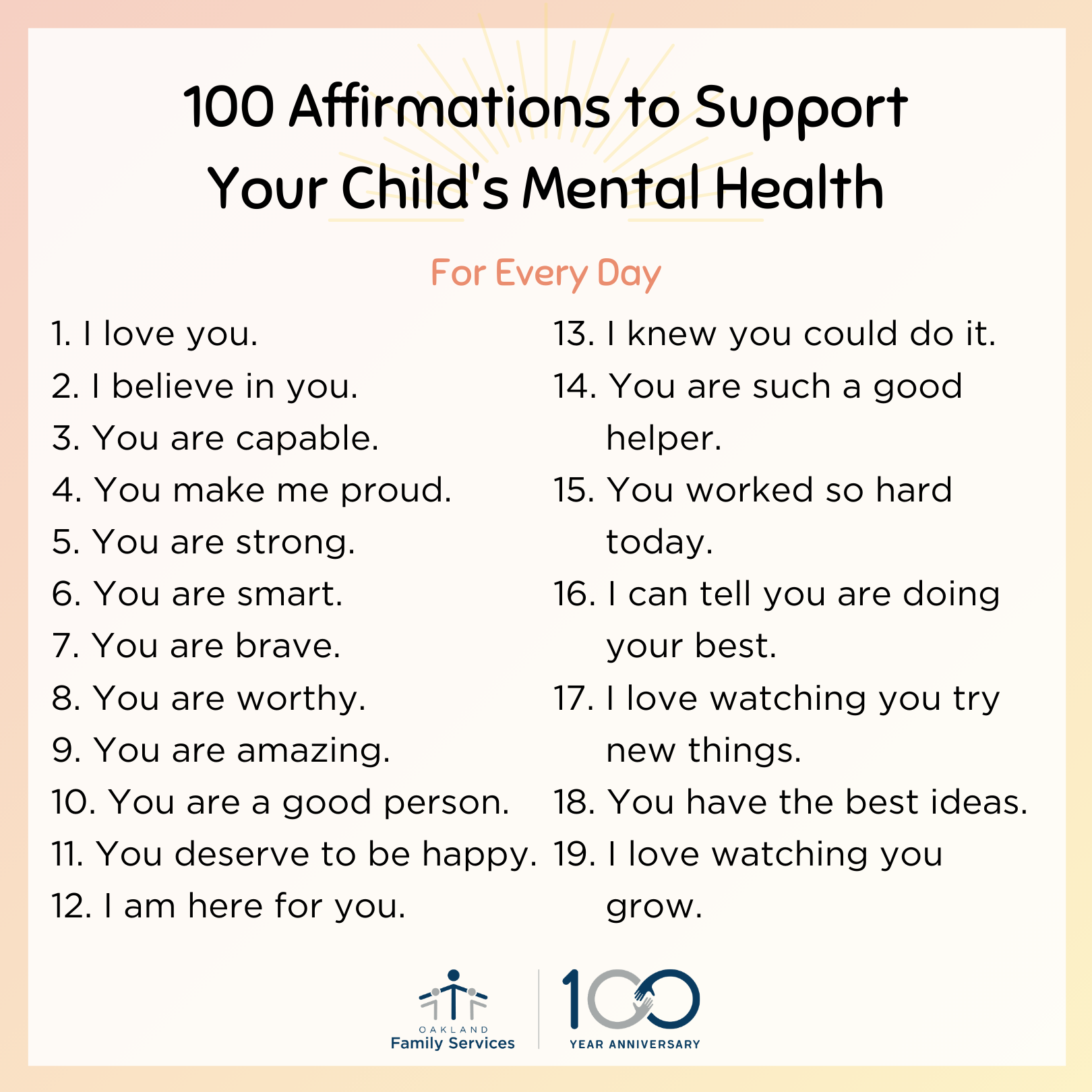
Absolutely! Children benefit from positive self-talk just like adults. Simple affirmations—like “You can try your best” or “You can make new friends”—help kids build confidence and resilience.
Do I Need To Say “you Can” Or Can I Use Other Words?
“You Can” is especially helpful for encouragement, but you can try “I am,” “I will,” or other positive phrases. The most important thing is that your affirmation feels supportive and fits your needs.
Focusing on what you CAN do is a simple yet powerful way to shift your mindset. “You Can” affirmations are a tool you can use at any stage of life, for any goal. With practice, patience, and belief, these small statements can help you unlock your potential and create lasting positive change.
