

Affirmation Vs Oath: Key Differences and Legal Implications
Affirmation Vs Oath: Understanding Their Meaning, Use, And Importance
When people speak in court, sign important documents, or take public office, they often need to confirm that they are telling the truth or making a promise. Two common ways to do this are an affirmation and an oath. Both are formal ways to promise honesty, but they are not the same thing. Many people confuse these terms or think they mean the same. In reality, they have different meanings, uses, and legal effects. Understanding the difference is important for anyone involved in legal, government, or official matters.
This article explains what an affirmation is, what an oath is, and why the difference matters. You will learn how they are used, what makes them unique, and the impact of choosing one over the other. We will also look at examples, rules in different countries, and answer common questions. By the end, you will have a clear and practical understanding of affirmation vs oath, so you can make the right choice when the situation comes.
What Is An Affirmation?
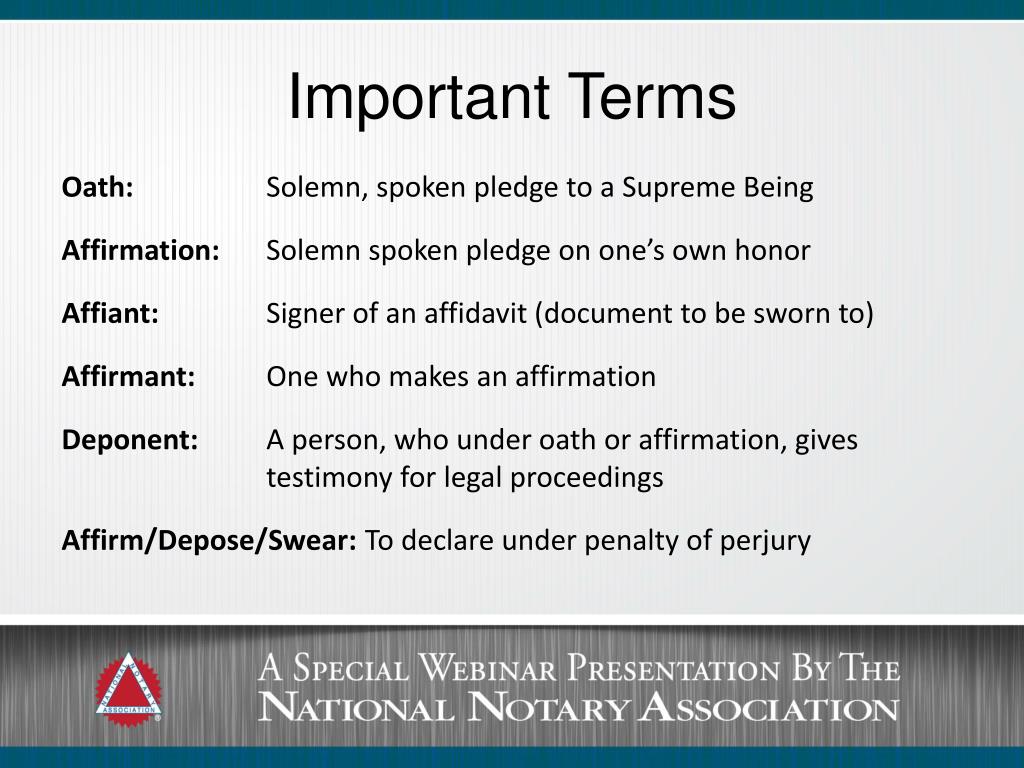
An affirmation is a formal declaration that a person makes to state they are telling the truth or will do a duty honestly. It is often used in legal situations, like when someone gives evidence in court or signs a legal document. The key point about an affirmation is that it does not mention God or anything religious. Instead, the person simply promises to speak or act truthfully, based on their own sense of honesty.
People who do not want to make a religious promise can choose an affirmation. This could be because of personal beliefs, religious reasons, or if they do not believe in any religion. For example, someone who is an atheist or who follows a religion that does not allow swearing oaths can use an affirmation instead.
The law respects this choice in many countries, so people can always use an affirmation if they prefer.
Typical Language Used In Affirmations
The exact words can change, but a common affirmation goes like this:
"I solemnly, sincerely, and truly declare and affirm that the evidence I shall give shall be the truth, the whole truth, and nothing but the truth. "
This statement is clear, direct, and does not mention God or any religious idea.
When Is An Affirmation Used?
Affirmations are mostly used in:
- Courts: When a witness, defendant, or expert gives evidence.
- Official documents: When signing legal papers, like affidavits or statutory declarations.
- Public office: Some people take affirmations when starting jobs in government or other official roles.
Choosing an affirmation does not make your promise weaker. In law, an affirmation is just as serious and binding as an oath.
What Is An Oath?
An oath is a formal promise where a person calls upon a higher power, usually God, to witness that what they are saying is true or that they will do a certain duty. It is a religious promise, and the person swears that they are telling the truth or will carry out their responsibility, asking for punishment or dishonor if they break their promise.
Oaths have a long history. Many legal systems and cultures use them as a way to make people feel the seriousness of their words. Swearing an oath is seen as a way to show honesty, and the religious element is meant to make the promise even stronger.
Typical Language Used In Oaths
Oaths often include religious words. A typical oath might go like this:
"I swear by Almighty God that the evidence I shall give shall be the truth, the whole truth, and nothing but the truth. "
Some oaths are taken on a holy book, like the Bible, Quran, or other scriptures, depending on the person's faith.
When Is An Oath Used?
Oaths are used in many of the same situations as affirmations, including:
- Courtrooms: Witnesses, defendants, or experts may swear an oath before giving evidence.
- Government roles: Officials often take an oath of office before starting their duties.
- Legal documents: Sometimes, people swear an oath in writing, for things like affidavits.
If a person does not want to swear a religious oath, they can choose an affirmation. This choice must be respected by law in many countries.
Key Differences Between Affirmation And Oath
The main difference between an affirmation and an oath is the religious part. An oath involves a religious promise. An affirmation does not. But there are other important differences that matter in legal and social situations. The table below compares the two:
| Aspect | Oath | Affirmation |
|---|---|---|
| Religious element | Yes, mentions God or a higher power | No religious mention |
| Common wording | "I swear by Almighty God..." | "I solemnly affirm..." |
| Used by | People comfortable with religious promises | People who prefer non-religious promises |
| Legal effect | Binding, can lead to perjury if broken | Binding, can lead to perjury if broken |
| Customs | Often with hand on a holy book | No book or religious symbol needed |
Legal Power
Both an affirmation and an oath are legally binding. If someone lies after making either, they can be punished for perjury. The law treats both with equal seriousness.
Choice
Most legal systems let people choose. No one can be forced to swear an oath if they do not wish to. Respect for personal beliefs is required.
Social View
In some cultures, swearing an oath is seen as more traditional or serious. In others, affirmations are more accepted, especially as societies become more diverse.
Why Does The Difference Matter?
Some people think the difference between an affirmation and an oath is small. But for many, the choice is important for personal or religious reasons. Here is why it matters:
- Respect for Belief: Forcing someone to make a religious promise they do not believe in is unfair and can make them uncomfortable.
- Legal Rights: Laws in many countries protect the right to choose between an affirmation and an oath.
- Seriousness: Both forms show that the person understands the importance of honesty, but let them express this in a way that matches their beliefs.
- Avoiding Invalid Promises: If someone is forced to swear an oath against their beliefs, they may feel the promise is not valid. This can create problems in court or official settings.
Credit: www.nationalnotary.org
How Oaths And Affirmations Work In Practice
In Court
When someone appears as a witness, the court officer will ask if the person wants to swear an oath or make an affirmation. The person can choose freely. If they choose an oath, they may be asked to place their hand on a holy book.
If they choose an affirmation, they simply read the affirmation statement.
If a person is not comfortable with any holy book, courts often provide a selection, or none at all for affirmations. Refusing to make either an oath or affirmation means the person cannot give evidence.
Signing Legal Documents
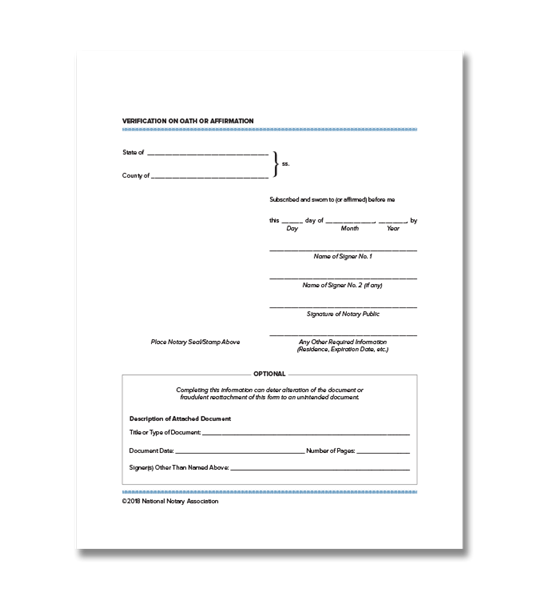
Documents like affidavits or statutory declarations often need a formal promise. At the start of the document, the person writes or chooses either an oath or an affirmation. Not choosing the right statement can make the document invalid.
Taking Public Office
Many public officials, like judges or politicians, must make a promise when starting their job. Most countries let them choose between an oath and an affirmation. This respects both religious and non-religious people.
Examples Of Oaths And Affirmations In Different Countries
United States
In the U. S. , witnesses in court can choose to "swear or affirm" to tell the truth. The Constitution also allows presidents and other officials to "swear or affirm" the oath of office. This means both religious and non-religious people are respected.
United Kingdom
The UK allows both oaths and affirmations in court and for public office. The law requires that a person can choose freely, and no one is forced to swear an oath.
India
In India, the law makes it clear that any person giving evidence or signing a declaration can choose an oath or affirmation. This is written in the Indian Evidence Act.
Other Countries
Most countries with a modern legal system allow both options. Some countries may have special rules for certain religions, but the general trend is to respect individual choice.
The Legal Effects Of Oath And Affirmation
Whether you make an oath or an affirmation, the legal result is the same. If you lie after promising, you can be punished for perjury. Perjury is a serious crime in most countries and can lead to jail or fines.
Judges and courts do not give more weight to evidence from someone who swears an oath compared to someone who makes an affirmation. The key is that the person understands they must be honest and that there are serious consequences for lying.
What Counts As Perjury?
Perjury is when someone knowingly lies after making an oath or affirmation. This includes:
- Giving false evidence in court
- Lying in a legal document that is affirmed or sworn
- Hiding important facts after making the promise
It does not matter if you made an oath or an affirmation; the punishment is the same.
Cultural And Religious Factors
Different people have different feelings about oaths and affirmations. For some, swearing an oath is a part of their faith and shows strong commitment. For others, especially non-religious people, affirmations are better.
Some religions, like Quakers, teach that oaths should not be made at all. They believe in always speaking the truth, so making a special promise is not needed. These groups often use affirmations instead.
In highly religious societies, refusing to take an oath might be seen as strange, but modern laws protect this choice.
Credit: www.slideserve.com
Real-life Scenarios: When To Use Affirmation Or Oath
Imagine you are called as a witness in court. The officer asks if you want to swear an oath or make an affirmation. If you are comfortable with a religious promise, you may choose an oath. If not, you pick an affirmation.
Suppose you are asked to sign an affidavit for a government process. You can choose the statement that matches your beliefs. It is important to pick honestly, because lying after either is a crime.
If you are starting a public job, you will be asked to take a promise. Again, the choice is yours.
Non-obvious Insight 1
Some beginners think that choosing an affirmation may make their promise seem less strong. In reality, courts and the law treat both with equal seriousness. Your choice does not affect how your words are trusted.
Non-obvious Insight 2
In some countries, choosing the wrong statement (oath or affirmation) on a legal document can cause paperwork to be rejected or delayed. Always check the requirements and pick the form that matches your real beliefs.
Typical Mistakes And How To Avoid Them
Mistake 1: Picking An Oath If You Are Not Religious
Some people feel pressured to take an oath even if they are not religious. This can make them uncomfortable or guilty. Remember, you have the right to choose an affirmation.
Mistake 2: Thinking An Affirmation Is Less Serious
Both are equally binding. Do not think that choosing an affirmation is a "weaker" promise.
Mistake 3: Not Speaking Up
If you want to use an affirmation but are not offered one, politely ask for it. The law supports your choice.
Mistake 4: Using The Wrong Statement In Documents
Legal documents must match your choice. Using an oath if you do not believe in it, or vice versa, can create problems later.
How To Decide: Affirmation Or Oath?
Choosing between an affirmation and an oath is a personal decision. Here are some tips to help you decide:
- Think about your beliefs. If you are religious and feel comfortable swearing an oath, choose it. If you are not, choose an affirmation.
- Know your rights. You cannot be forced to pick one over the other.
- Ask for help. If you are unsure, ask a lawyer, court officer, or official for advice.
- Be honest. Pick the option that feels right for you. This shows respect for both yourself and the legal process.
Oath And Affirmation In Other Contexts
Outside The Courtroom
Oaths and affirmations are used in many other parts of life, not just law:
- Doctors and nurses often take the Hippocratic Oath or a similar promise.
- Citizenship ceremonies ask new citizens to take an oath or affirmation.
- Clubs and organizations may have members promise to follow rules using an oath or affirmation.
In all these cases, the meaning is similar: a formal promise to be honest or do your duty.
Business And Workplace
Some jobs, especially in finance, government, or law, may require workers to sign an oath or affirmation to follow company rules and protect secrets.
Sample Texts Of Oath And Affirmation
Here are sample texts you might see:
Oath (general):
"I swear by Almighty God that I will speak the truth, the whole truth, and nothing but the truth. "
Affirmation (general):
"I solemnly, sincerely, and truly declare and affirm that I will speak the truth, the whole truth, and nothing but the truth. "
Oath of Office:
"I do swear by Almighty God that I will faithfully carry out the duties of my office. "
Affirmation of Office:
"I do solemnly affirm that I will faithfully carry out the duties of my office. "
Common Questions About Affirmation And Oath
Some questions come up often when people face the choice of affirmation vs oath. Here are practical answers:
Can I Be Forced To Take An Oath?
No. Laws in most countries say you cannot be forced to make a religious promise. If you do not want to swear an oath, you can always choose an affirmation.
Is One More Legally Powerful Than The Other?
No. Both have the same legal effect. Lying after either is considered perjury and is punished the same way.
What If I Make A Mistake During The Oath Or Affirmation?
Small mistakes in the words are usually not a problem, as long as it is clear you are making a serious promise. If you are unsure, ask the official to help you repeat the correct statement.
What If My Religion Forbids Oaths?
You can always choose an affirmation. The law protects your right to follow your beliefs.
Do I Need To Use A Holy Book?
Only if you choose an oath and want to use a holy book. For affirmations, no religious symbol or book is needed.
Data: How Many People Choose Affirmation Or Oath?
Here is a sample comparison of usage in a typical court system:
| Type of Promise | Percentage of People |
|---|---|
| Oath | 65% |
| Affirmation | 35% |
These numbers show that while oaths are still common, affirmations are widely accepted and used by many people.
Summary Table: Quick Reference
For a quick look at the differences, see below:
| Feature | Oath | Affirmation |
|---|---|---|
| Mentions God? | Yes | No |
| Legally Binding? | Yes | Yes |
| Used in Court? | Yes | Yes |
| Suitable for Non-Religious? | No | Yes |

Credit: www.dochub.com
Frequently Asked Questions
What Is The Main Difference Between An Affirmation And An Oath?
The main difference is that an oath includes a religious promise, asking God or a higher power to witness. An affirmation is a non-religious, personal promise to tell the truth or fulfill a duty.
Is It Legal To Choose An Affirmation Instead Of An Oath?
Yes. In most countries, you can choose an affirmation for any official or legal situation. The law protects this choice and gives both options equal status.
Are There Penalties For Lying After An Affirmation?
Yes. If you lie after making an affirmation, it is perjury and can be punished by the courts, just like lying after an oath.
Can I Use A Holy Book With An Affirmation?
No. Holy books are used only with oaths, not affirmations. Affirmations are non-religious and do not require any symbol.
Where Can I Read More About Oaths And Affirmations?
For more detailed legal background and examples, visit the Wikipedia page on Oaths.
Final Thoughts
Knowing the difference between an affirmation and an oath helps you make confident, informed choices in legal and official situations. Both are strong promises, but they respect different beliefs. Always choose the one that matches your values and comfort. Remember, the law supports your right to choose, and your honesty is what truly matters.
Whether you swear an oath or make an affirmation, your words have real power and responsibility.
