

Why Are Positive Affirmations Important for Personal Growth?
Why Are Positive Affirmations Important
Many people talk about positive affirmations as a simple way to change your life. But why are they important, and do they really work? Positive affirmations are short, powerful statements that you repeat to yourself to encourage positive thinking and self-confidence. They seem easy, but their true value goes much deeper. If you want to understand how positive affirmations can help you feel better, perform better, and change your mindset, this article will explain everything in clear, simple language.
You will learn how positive affirmations affect your thoughts, emotions, and actions. We’ll explore the science, look at practical examples, and share useful tips for making affirmations work for you. This guide will help you see both the obvious and hidden benefits of positive affirmations, so you can use them to improve your life.
The Power Of Positive Affirmations
Positive affirmations are more than just good words. They are tools for training your mind to focus on strengths instead of weaknesses. When used daily, affirmations can help you build self-esteem, reduce stress, and break negative habits.
Research shows that repeating positive statements changes the way your brain works. When you say “I am confident,” your brain starts to believe it. This process is called neuroplasticity, which means your brain can change and grow at any age. By repeating positive affirmations, you help your brain form new connections that support healthy beliefs and actions.
How Affirmations Influence Thoughts
Your thoughts shape your reality. If you often think negative things like “I can’t do this,” your actions will reflect those beliefs. Positive affirmations interrupt these negative patterns and replace them with healthier ones.
For example, imagine you are about to give a presentation. If you tell yourself “I am prepared and capable,” you are more likely to perform well. But if you think “I will mess up,” your fear may become true. Affirmations help you focus on possibilities, not problems.
Emotional Benefits
Positive affirmations also change how you feel. They can make you more hopeful, less anxious, and more motivated. Studies show that people who use affirmations regularly have lower levels of stress and depression. This happens because affirmations reduce self-criticism and encourage positive feelings.
When you use affirmations, you remind yourself of your strengths. This builds emotional resilience, which means you can handle challenges without giving up. Emotional resilience is important for mental health and happiness.
Behavior Change
Affirmations help you take action. If you believe you can reach your goals, you are more likely to try new things and keep going when life gets tough. Positive affirmations can motivate you to start healthy habits, quit bad ones, and improve relationships.
For example, if you want to exercise more, saying “I am committed to my health” can encourage you to stay active. The more you repeat this, the more your behavior matches your words.
Scientific Evidence Behind Positive Affirmations
Many people wonder if positive affirmations are just wishful thinking. But science shows they have real effects. Several studies prove that affirmations change brain activity, improve well-being, and help people perform better.
Brain Studies
Research using brain scans found that positive self-affirmation activates areas in the brain linked to reward and self-processing. These areas help you feel good about yourself and handle stress better. When you repeat positive statements, your brain becomes more open to new ideas and learning.
Psychological Research
One famous study showed that affirmations help people handle threatening information without becoming defensive. For example, if you hear bad news about your health, affirmations help you stay calm and think clearly.
Another study found that students who used positive affirmations before exams felt less anxious and performed better. Affirmations helped them focus on their abilities instead of their fears.
Data Table: Affirmations Vs. No Affirmations
Here’s a simple comparison of how people using positive affirmations differ from those who do not:
| Benefit | With Affirmations | Without Affirmations |
|---|---|---|
| Self-Esteem | Higher | Lower |
| Stress Levels | Reduced | Increased |
| Performance | Improved | Unchanged |
| Motivation | Greater | Less |
| Resilience | Stronger | Weaker |
This table shows that using positive affirmations regularly can lead to many benefits in daily life.
How Positive Affirmations Work
Positive affirmations work by changing your self-talk. Self-talk is the conversation you have with yourself in your mind. If your self-talk is mostly negative, you may feel unhappy or stuck. But if you fill your mind with positive statements, you start to think and act differently.
Affirmations work best when you:
- Repeat them daily – Consistency builds new habits.
- Use the present tense – Say “I am confident” instead of “I will be confident.”
- Believe in the words – Choose statements that feel true or possible.
- Say them aloud – Speaking makes them stronger.
- Write them down – This helps you remember and focus.
Real-life Example
Consider someone who struggles with public speaking. Every time they prepare to speak, they feel nervous and think, “I’m not good at this. ” If they start using the affirmation “I speak with confidence and clarity,” they slowly change their mindset.
After several weeks, their anxiety reduces, and their performance improves.
Table: Effective Vs. Ineffective Affirmations
Here’s a comparison between effective and ineffective affirmations:
| Type | Example | Reason |
|---|---|---|
| Effective | I am capable of learning new things. | Positive, believable, present tense |
| Ineffective | I will be rich tomorrow. | Unrealistic, future tense |
| Effective | I am worthy of love and respect. | Builds self-esteem, realistic |
| Ineffective | People like me no matter what. | Too general, lacks personal meaning |
Effective affirmations are believable and personal. They focus on strengths and possibilities, not false promises.
Common Myths About Positive Affirmations
Some people think positive affirmations are silly or useless. Let’s clear up some common myths:
- “Affirmations are just positive thinking.”
- Positive thinking is helpful, but affirmations are specific statements you repeat to change your mind and behavior.
- “You must believe every word for them to work.”
- It’s normal to feel doubtful at first. Over time, repeating affirmations helps you believe them.
- “Affirmations can fix everything.”
- Affirmations are powerful, but they work best alongside other healthy habits like exercise, good sleep, and self-care.
- “Only weak people need affirmations.”
- Everyone can benefit from affirmations. Even successful people use them to stay confident and focused.
- “Affirmations are magic.”
- Affirmations are not magic. They are tools for changing your mindset, which takes time and effort.
Credit: canyonvista.com
Why Positive Affirmations Are Important For Mental Health
Mental health is about how you think, feel, and act. Positive affirmations help you build a healthy mind by fighting negative thoughts and supporting self-esteem. They are especially helpful for people with anxiety, depression, or low confidence.
Reducing Negative Self-talk
Many people have a habit of criticizing themselves. This negative self-talk can hurt your mental health. Affirmations help you replace these thoughts with healthier ones. For example, instead of thinking “I’m not good enough,” you say “I am enough.”
Building Resilience
Resilience is the ability to bounce back from problems. Affirmations help you face challenges without giving up. When you remind yourself of your strengths, you feel more confident and hopeful. This is important for handling stress and setbacks.
Supporting Therapy And Healing
Therapists often use affirmations to help clients change their thinking patterns. If you are in therapy, affirmations can support your healing. They make it easier to accept yourself and move forward.
Positive Affirmations And Goal Setting
Setting goals is important for success. Positive affirmations help you reach your goals by keeping you motivated and focused. They remind you of your abilities and strengths.
Examples
If your goal is to get a new job, affirmations like “I am skilled and ready for new opportunities” can boost your confidence during interviews.
If you want to improve your health, saying “I make healthy choices every day” can help you stick to your plan.
Staying Motivated
Goals take time and effort. Sometimes you may feel tired or discouraged. Affirmations keep your motivation high by reminding you why you started. They help you stay positive, even when progress is slow.
Credit: www.twinkl.com.sg
Positive Affirmations In Everyday Life
Affirmations are not just for big goals or serious problems. They can help you in daily life, too.
Starting Your Day
Many people use affirmations in the morning to set a positive tone for the day. Saying “Today will be a good day” or “I handle challenges calmly” helps you feel ready for whatever comes.
Building Better Relationships
Affirmations can improve your relationships by helping you feel more confident and kind. For example, “I listen with patience” or “I am a caring friend” can remind you to act thoughtfully.
Handling Stress
When life gets stressful, affirmations help you stay calm and focused. Statements like “I am strong enough to handle this” or “I breathe deeply and relax” can reduce anxiety.
Dealing With Failure
Everyone fails sometimes. Affirmations help you learn from mistakes instead of giving up. Saying “I learn from every experience” or “I grow stronger every day” helps you keep moving forward.
Practical Tips For Using Positive Affirmations
If you want to use positive affirmations, here are some practical tips:
- Choose meaningful statements – Pick affirmations that matter to you.
- Keep them short and clear – Simple sentences work best.
- Use the present tense – Focus on now, not the future.
- Repeat them often – Say them daily, especially in the morning or before bed.
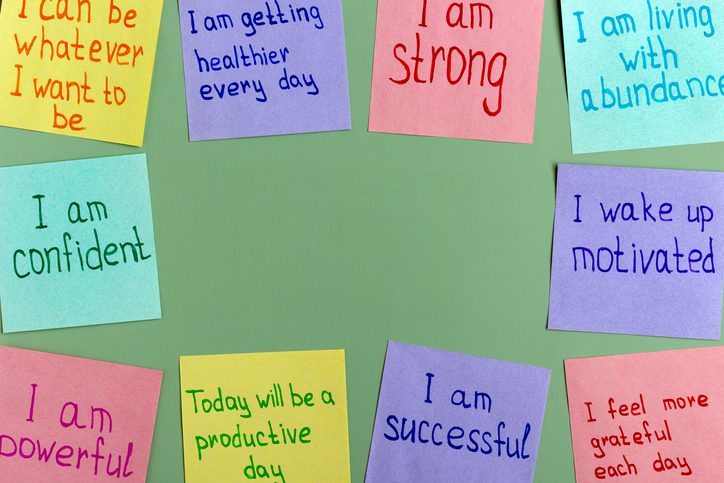
- Write them down – Keep a notebook or use sticky notes.
- Say them aloud – Hearing your voice makes them stronger.
- Visualize – Imagine the words becoming true.
- Combine with action – Take steps to match your words.
- Adjust as needed – Change affirmations if they stop working.
- Be patient – Results come over time.
Common Mistakes To Avoid
- Choosing statements that feel fake or impossible.
- Skipping days or only using affirmations once.
- Using negative words (like “not” or “never”).
- Expecting instant results.
- Ignoring your feelings.

Credit: ripplekindness.org
Examples Of Positive Affirmations
Here are some examples to get you started:
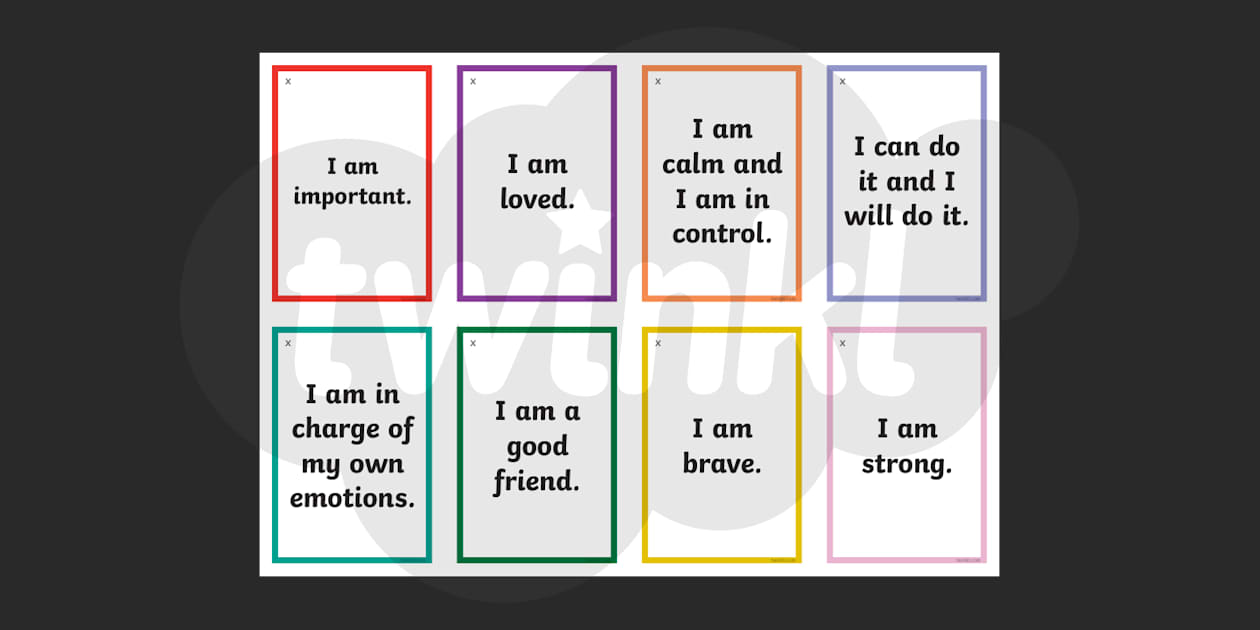
- I am strong and capable.
- I deserve love and respect.
- I handle challenges with grace.
- I am proud of who I am.
- I trust myself.
- I am a quick learner.
- I create my own happiness.
- I am grateful for today.
- I am calm and focused.
- I welcome new opportunities.
Try to make your own affirmations based on your needs and goals.
Who Should Use Positive Affirmations?
Positive affirmations are helpful for almost everyone. They are used by:
- Students – To build confidence and focus.
- Professionals – For motivation and stress relief.
- Athletes – To improve performance.
- Parents – To support self-esteem and patience.
- People with health challenges – For hope and healing.
Even children can use affirmations. Teaching kids to say “I am smart and kind” helps them grow with confidence.
Positive Affirmations And Self-image
Your self-image is how you see yourself. If you have a positive self-image, you feel good about your abilities and worth. Affirmations help you build a healthy self-image by focusing on your strengths.
Breaking Limiting Beliefs
Many people carry beliefs like “I’m not good enough” or “I don’t deserve success. ” Affirmations challenge these beliefs and replace them with healthier ones. This change makes it easier to try new things and reach your goals.
Table: Limiting Beliefs Vs. Empowering Affirmations
| Limiting Belief | Empowering Affirmation |
|---|---|
| I can’t do this. | I am capable of learning and growing. |
| I don’t deserve happiness. | I am worthy of happiness and success. |
| I always fail. | I learn from every experience. |
| No one cares about me. | I am loved and valued. |
| Change is too hard. | I embrace new challenges with courage. |
Replacing limiting beliefs with empowering affirmations builds confidence and opens doors to new opportunities.
The Role Of Positive Affirmations In Education
Teachers and students use affirmations to support learning and growth. Affirmations help students feel confident, reduce anxiety, and improve performance.
Helping Students
Students often face stress and self-doubt. Affirmations like “I am ready for this test” or “I enjoy learning” help them focus and succeed.
Supporting Teachers
Teachers use affirmations to stay positive and patient. Statements like “I inspire my students” or “I handle challenges calmly” keep teachers motivated.
Improving School Culture
Schools that use affirmations create a positive culture. Students and teachers feel valued, leading to better learning and cooperation.
Positive Affirmations In The Workplace
Workplaces can be stressful. Affirmations help employees stay focused, motivated, and positive.
Boosting Confidence
Affirmations like “I am skilled and prepared” help workers feel confident in their abilities.
Reducing Stress
Statements like “I handle deadlines with calm” or “I am a valuable team member” reduce stress and improve teamwork.
Supporting Leadership
Leaders use affirmations to stay focused and encourage their teams. For example, “I lead with integrity” or “I inspire others” are powerful for managers.
Positive Affirmations And Physical Health
Affirmations are not only for the mind. They can support physical health by encouraging healthy choices and reducing stress.
Encouraging Healthy Habits
Affirmations like “I choose healthy foods” or “I enjoy being active” motivate you to take care of your body.
Reducing Stress
Stress affects physical health. Affirmations like “I relax and breathe deeply” help you calm your body and mind.
Supporting Recovery
People facing illness or injury use affirmations to stay hopeful. Statements like “I am healing every day” or “I am strong” support recovery.
The Hidden Benefits Of Positive Affirmations
Besides obvious benefits like confidence and motivation, affirmations offer some hidden advantages:
- Improved focus – Affirmations help you concentrate on what matters.
- Better relationships – When you feel good about yourself, you treat others better.
- Increased creativity – Positive self-talk opens your mind to new ideas.
- Higher energy – Feeling positive gives you more energy.
- Greater self-control – Affirmations help you manage emotions and actions.
Many beginners miss these hidden benefits because they focus only on big goals. But daily use of affirmations can improve many small parts of your life.
What Makes An Affirmation Truly Effective?
Not all affirmations work equally well. Here are two insights most beginners miss:
- Personal Connection – The best affirmations are personal. Generic statements like “I am happy” may not feel true. Choose affirmations that match your real needs and goals.
- Action-Oriented Words – Affirmations that include action words (like “create,” “build,” “grow”) inspire you to do something, not just feel good. For example, “I create opportunities” is more powerful than “I am lucky.”
Also, affirmations should fit your current life stage. An affirmation that works for a student may not help a parent or manager. Adjust your statements as your life changes.
How To Measure Progress With Positive Affirmations
Many people use affirmations but don’t track their progress. Measuring progress helps you see what’s working and stay motivated.
Tracking Changes
Keep a journal and note any changes in your thoughts, feelings, or actions. For example, write down when you feel more confident or handle stress better.
Comparing Before And After
Check how you feel before starting affirmations and after a few weeks. Are you more positive? Do you take more action? This comparison shows your growth.
Adjusting As Needed
If some affirmations stop working, change them. Try new statements that match your current needs.
Frequently Asked Questions
What Are Positive Affirmations?
Positive affirmations are short, powerful statements you repeat to yourself to encourage positive thinking and confidence. They help you change negative self-talk and focus on your strengths.
How Often Should I Use Positive Affirmations?
It’s best to use affirmations daily. Many people say them in the morning and before bed. Consistent repetition builds new habits and mindset.
Can Positive Affirmations Help With Anxiety And Stress?
Yes. Affirmations can reduce anxiety and stress by shifting your focus from negative thoughts to positive ones. They help you stay calm and hopeful during difficult times.
What If I Don’t Believe My Affirmations?
It’s normal to feel doubtful at first. With regular practice, your mind starts to accept and believe the affirmations. Choose statements that feel possible and adjust as needed.
Where Can I Find More Information About Positive Affirmations?
You can learn more about positive affirmations from trusted sources like Wikipedia and mental health organizations.
Positive affirmations are important because they help you build confidence, reduce stress, and improve your life in many ways. They change your mindset, support mental and physical health, and make it easier to reach your goals. With daily practice and the right techniques, affirmations can be a powerful tool for personal growth and happiness.
Take small steps, be patient, and enjoy the positive changes in your life.
