

How to Make Good Affirmations
Many people talk about affirmations as a way to change their mindset and reach goals. But, making effective affirmations is not as simple as repeating positive words. If you want your affirmations to work, you need to create them carefully. The right wording, structure, and intention matter. This guide shows you how to make good affirmations, explains common mistakes, and shares practical examples. You’ll learn how affirmations can help you shift your thinking, improve confidence, and support real change. Whether you’re new to affirmations or have tried them before, you’ll find helpful insights to make your practice powerful and meaningful.
What Are Affirmations?
Affirmations are short, positive statements that you repeat to yourself. They describe your goals, beliefs, or qualities as if they are already true. For example, “I am confident speaking in public,” is an affirmation. The idea is that by repeating these statements, you start to believe them and act in ways that make them real.
How Do Affirmations Work?
The main purpose of affirmations is to change your thinking. When you repeat positive statements, your mind starts to accept them. This can help you:
- Build self-confidence
- Reduce negative thoughts
- Set clear intentions
- Motivate yourself to take action
Research shows that affirmations can help with stress, performance, and mental health. For example, a study published in the journal “Personality and Social Psychology Bulletin” found that self-affirmation can reduce stress and improve problem-solving under pressure.
Examples Of Common Affirmations
Some popular affirmations include:
- “I am worthy of love and respect.”
- “I believe in my abilities.”
- “I attract good things into my life.”
- “I am calm and focused.”
These statements are simple, but their power comes from regular repetition and belief.
Why Good Affirmations Matter
Not all affirmations are equally effective. If you make weak, unclear, or unrealistic statements, they may not help you. Good affirmations can create real change in your mindset and behavior. Here’s why they matter:
- Clarity: Clear affirmations help you focus on specific goals.
- Believability: If you believe your affirmation, it will feel more natural and powerful.
- Motivation: The right wording motivates you to take action.
- Consistency: Good affirmations are easy to remember and repeat.
A poorly made affirmation can cause confusion or even frustration. For example, saying “I am rich” when you feel broke may create doubt. But a well-made affirmation like “I am open to new opportunities for financial growth” feels honest and encouraging.
Key Elements Of Effective Affirmations
If you want your affirmations to work, you need to follow some important rules. These elements make your statements strong and believable.
1. Positive Language
Use positive words. Avoid negatives or words like “not” or “don’t.” For example:
- Good: “I am healthy and strong.”
- Weak: “I am not sick.”
2. Present Tense
Write affirmations in the present tense. This helps your mind believe the statement is true now.
- Good: “I am confident.”
- Weak: “I will be confident.”
3. Personalization
Start with “I” or “My. ” Make your affirmation about you.
- Good: “I love myself.”
- Weak: “People love me.”
4. Specificity
Focus on a clear goal or quality. Vague statements are less powerful.
- Good: “I am focused when I study.”
- Weak: “I am good.”
5. Believability
Choose affirmations that feel possible. If you don’t believe your affirmation, it may not work.
- Good: “I am improving my skills every day.”
- Weak: “I am perfect in every way.”
6. Emotional Impact
Pick words that make you feel inspired or excited.
- Good: “I am excited to learn new things.”
- Weak: “I am learning.”
Step-by-step Guide To Making Good Affirmations
Making good affirmations is a process. Follow these steps to craft powerful statements that fit your needs.
Step 1: Identify Your Goal Or Area To Improve
Think about what you want to change or achieve. It could be confidence, health, relationships, or work performance. Be honest with yourself. Write down one main goal.
Step 2: Notice Negative Thoughts
Pay attention to your inner voice. What negative thoughts do you have about your goal? For example, you may think, “I always mess up at work. ” Write these thoughts down. This helps you understand what needs changing.
Step 3: Reframe With Positive Words
Turn your negative thoughts into positive, present-tense statements. For example:
- Negative: “I am nervous speaking in public.”
- Affirmation: “I am calm and confident during presentations.”
Step 4: Make It Personal
Add “I” or “My” to your statement. This makes it about you.
- “I am calm and confident during presentations.”
Step 5: Check Believability
Ask yourself, “Do I believe this? ” If not, adjust the wording. Try “I am learning to be calm and confident during presentations. ” This feels more honest.
Step 6: Add Emotion
Choose words that inspire you. For example, “I am excited to share my ideas with others. ”
Step 7: Keep It Short
A good affirmation is easy to remember. Keep it under 10 words if possible.
- “I am strong and focused.”
Step 8: Repeat Daily
Say your affirmation every day. You can speak it aloud, write it, or think it silently. Repetition is key.
Practical Examples Of Good Affirmations
Here are some practical examples for different areas of life:
Confidence
- “I trust myself.”
- “I speak with clarity.”
- “I am comfortable in new situations.”
Health
- “I nourish my body with healthy food.”
- “I enjoy being active every day.”
- “I am grateful for my strong body.”
Relationships
- “I listen with patience.”
- “I am kind to others.”
- “I attract positive people.”
Success
- “I am focused on my goals.”
- “I learn from every challenge.”
- “I am open to growth.”
Stress
- “I am calm under pressure.”
- “I breathe deeply and relax.”
- “I let go of worries.”
Comparison: Good Vs. Weak Affirmations
To help you see the difference, here’s a simple comparison.
| Goal | Good Affirmation | Weak Affirmation |
|---|---|---|
| Confidence | I am confident speaking in public. | I am not shy. |
| Health | I enjoy healthy food. | I will stop eating junk food. |
| Success | I am focused and motivated. | I wish I had more motivation. |
| Stress | I am calm and relaxed. | I don’t feel stressed. |
Notice how good affirmations use positive, present tense, and personal language.

Credit: janejacksoncoach.com
Mistakes To Avoid When Making Affirmations
Many beginners make mistakes that reduce the power of their affirmations. Here are some common errors:
1. Using Negative Words
Avoid words like “not,” “don’t,” or “never. ” Your mind focuses on the main idea, so “I am not anxious” can make you feel more anxious.
2. Making Unrealistic Statements
Don’t use statements that feel too far from your reality. For example, “I am a millionaire” may cause doubt if you struggle financially.
3. Being Too Vague
Avoid general statements like “I am happy.” Instead, be specific: “I find joy in small moments every day.”
4. Ignoring Belief
If you don’t believe your affirmation, it won’t work. Adjust the wording to match your current belief level.
5. Forgetting Repetition
You need to repeat your affirmation regularly. Once a week is not enough. Aim for daily practice.
How To Use Affirmations Effectively
The way you use your affirmations matters as much as the wording. Here’s how to get the best results.
1. Repeat Regularly
Choose a time to repeat your affirmation each day. Morning, before bed, or during a break are good choices.
2. Speak Out Loud
Speaking your affirmation out loud makes it more powerful. It activates more senses and helps you focus.
3. Write Them Down
Writing your affirmation in a journal or notebook can help reinforce it. Some people write their affirmation on sticky notes and place them where they’ll see them.
4. Visualize Success
As you say your affirmation, imagine yourself achieving your goal. Picture the feeling and outcome.
5. Use Emotional Energy
Say your affirmation with feeling. Believe the words as you say them. This helps your mind accept them.
6. Start Small
If you struggle with belief, start with simple affirmations. For example, “I am learning new skills” is easier than “I am an expert. ”

Credit: sproutingzen.com
Science Behind Affirmations
Affirmations are not just positive thinking. They have a real psychological impact. Researchers have studied the effects of affirmations and found several benefits.
Self-affirmation Theory
The self-affirmation theory suggests that people can keep their sense of self-worth by focusing on positive values. When you repeat affirmations, you remind yourself of your strengths.
Impact On Stress
Studies show that affirmations can lower stress. For example, a research article in “Social Cognitive and Affective Neuroscience” found that affirmations reduce activity in the brain’s threat response areas.
Performance And Achievement
Athletes and students use affirmations to improve performance. A meta-analysis of studies showed that self-affirmation improves motivation and achievement.
Real-life Data
According to a survey by the American Psychological Association, 47% of people who use affirmations report improved mood and motivation. However, only 16% of people use affirmations daily, which suggests most do not get the full benefit.
Choosing The Right Affirmation For Your Goal
Picking the right affirmation depends on your goal. Here are some tips for different situations:
Personal Growth
If you want to grow personally, use affirmations like:
- “I am always learning.”
- “I embrace new experiences.”
Career And Success
For work or business goals:
- “I am productive and focused.”
- “I make smart decisions.”
Health And Fitness
For health goals:
- “I enjoy moving my body.”
- “I choose healthy foods.”
Relationships
For relationship improvement:
- “I communicate clearly.”
- “I show kindness.”
Advanced Tips For Powerful Affirmations
Many people stop after making simple affirmations. But you can make them even more effective with these advanced tips.
1. Combine Affirmations With Visualization
Imagine yourself living your affirmation. For example, if your affirmation is “I am confident,” picture yourself speaking confidently in a meeting.
2. Use Action Words
Choose verbs that show movement. For example, “I create new opportunities” is stronger than “I have opportunities. ”
3. Match Affirmations With Your Values
Pick statements that reflect your core values. For example, “I act with honesty and respect. ”
4. Make Affirmations A Habit
Connect your affirmation practice with daily habits. For example, repeat your affirmation while brushing your teeth.
5. Review And Update Regularly
As you grow, your goals change. Review your affirmations every month and adjust as needed.
How Affirmations Compare To Other Mindset Tools
Affirmations are not the only tool for changing your mindset. Here’s how they compare with other methods.
| Tool | Main Purpose | How It Works | Best Use |
|---|---|---|---|
| Affirmations | Change beliefs | Repeat positive statements | Daily mindset boost |
| Visualization | Imagine goals | Picture success | Motivation, focus |
| Journaling | Reflect, plan | Write thoughts | Self-awareness |
| Meditation | Calm mind | Focus attention | Stress relief |
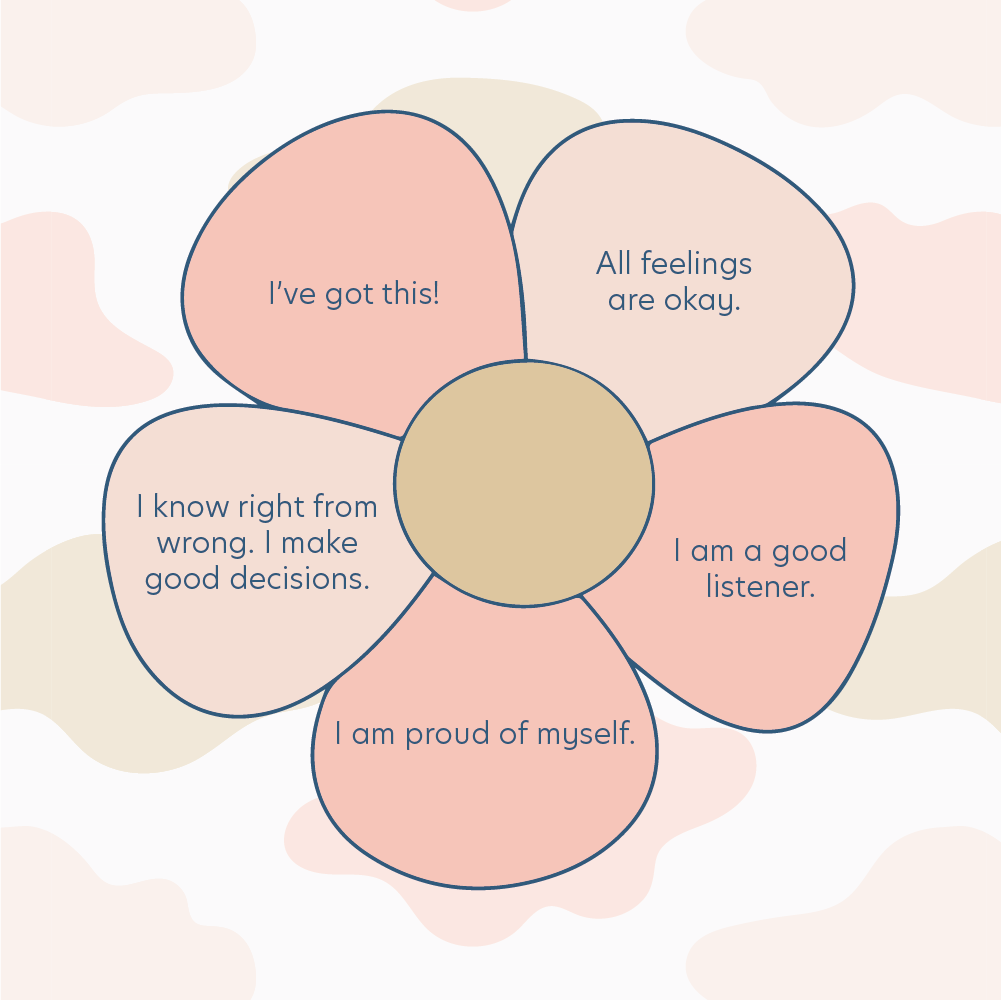
Affirmations work best when combined with other tools. For example, you can use affirmations before meditation or after journaling.
Credit: brightpathkids.com
Measuring The Impact Of Affirmations
Many people wonder if affirmations really work. The truth is, their impact depends on your consistency and belief. Here are some ways to measure progress:
1. Mood Changes
Notice if you feel more positive after repeating your affirmation.
2. Behavior Shifts
Are you acting differently? For example, do you speak more confidently after using confidence affirmations?
3. Goal Progress
Track Your Goals. Are You Moving Closer To Them?
4. Feedback From Others
Sometimes, friends or coworkers notice changes before you do.
Common Questions About Affirmations
Some questions come up often. Here are clear answers to help you understand affirmations better.
1. Can I Use More Than One Affirmation At A Time?
Yes, you can use several affirmations. But don’t overwhelm yourself. Start with 1-3 statements that matter most to you.
2. How Long Does It Take For Affirmations To Work?
It depends on your goal and consistency. Most people notice changes in mood or mindset within a few weeks. For bigger goals, it may take longer.
3. Can Affirmations Help With Anxiety Or Depression?
Affirmations can support mental health, but they are not a cure. They work best as part of a bigger plan, like therapy or counseling. If you struggle with anxiety or depression, talk to a professional.
4. Do I Need To Believe My Affirmation For It To Work?
Belief helps, but it’s not required at first. If you don’t believe your affirmation, adjust the wording. For example, use “I am learning” instead of “I am an expert. ”
5. Is There Scientific Proof That Affirmations Work?
Yes, studies show that affirmations can reduce stress, improve performance, and boost self-esteem. For more research, visit Wikipedia.
Comparison Of Affirmation Methods
Different methods can help you use affirmations. Here’s a quick overview.
| Method | How to Use | Effectiveness | Best For |
|---|---|---|---|
| Speaking | Say aloud daily | High | Building confidence |
| Writing | Journal or notes | Medium | Self-reflection |
| Thinking | Silent repetition | Medium | Quick reminders |
| Listening | Audio affirmations | Varies | Relaxation |
Try different methods to see what works best for you.
Frequently Asked Questions
What Makes An Affirmation Powerful?
A powerful affirmation uses positive language, present tense, and is personal. It inspires you and is believable. Add emotion and keep it short for best results.
How Many Affirmations Should I Use Daily?
Start with 1-3 affirmations. This helps you focus and remember them easily. Too many can dilute their impact.
Can I Change My Affirmations If My Goals Change?
Yes, adjust your affirmations as your goals evolve. Review them monthly and create new ones as needed.
Should I Say My Affirmations Aloud Or Silently?
Both ways work, but saying affirmations aloud engages more senses and can be more effective. If you’re shy, start silently and build confidence.
Are Affirmations The Same As Positive Thinking?
No, affirmations are specific statements you repeat, while positive thinking is a general attitude. Affirmations help you focus on clear goals and beliefs.
Creating good affirmations takes practice, but the rewards are real. With the right wording, clear intention, and daily repetition, you can shift your mindset and move closer to your goals. Start small, adjust as you grow, and use affirmations alongside other tools like visualization and journaling.
Over time, you’ll notice positive changes in your thoughts, actions, and results.
