

What are Positive Daily Affirmations: Boost Your Mindset Today
What Are Positive Daily Affirmations
Everyone wants to feel happier, more confident, and stronger in life. But stress, negative thoughts, and self-doubt can make this hard. Positive daily affirmations offer a simple way to change how you think and feel. They help you build a healthier mindset, support emotional growth, and improve your actions each day.
In this article, you’ll discover what positive daily affirmations are, how they work, real examples, and practical ways to use them. You’ll also see scientific evidence, tips to avoid common mistakes, and answers to frequent questions. By the end, you’ll understand how daily affirmations can shape your mind and future.
Understanding Positive Daily Affirmations
Positive daily affirmations are short, powerful statements that you repeat to yourself. These statements focus on positive beliefs, abilities, and goals. The idea is to train your mind to think positively, even when facing challenges. Over time, affirmations can help you change old thought patterns, boost self-esteem, and encourage you to take helpful actions.
Affirmations are not magic words or wishful thinking. They are tools to guide your thoughts toward what you want in life. When you repeat an affirmation, you begin to believe it. This belief can shape your feelings and behaviors. For example, saying “I am confident” every day can help you feel more confident in real situations.
The Psychology Behind Affirmations
Many people wonder if affirmations really work. The answer lies in how our minds process information. Our brains are shaped by repeated thoughts. If you think negative thoughts often, your mind starts to believe them. But if you repeat positive statements, your brain can shift toward healthier beliefs.
Psychologists call this process self-affirmation theory. It suggests that when you affirm your values and strengths, you protect your self-image. Studies show that affirmations can lower stress, improve motivation, and help people handle difficult situations.
For example, research published in the journal “Personality and Social Psychology Bulletin” found that affirmations reduce anxiety and boost problem-solving skills. Another study showed that students who used affirmations felt more confident before exams and performed better.
Still, affirmations work best when they match your true goals and are practiced regularly. Saying random phrases without belief or connection may not help much.
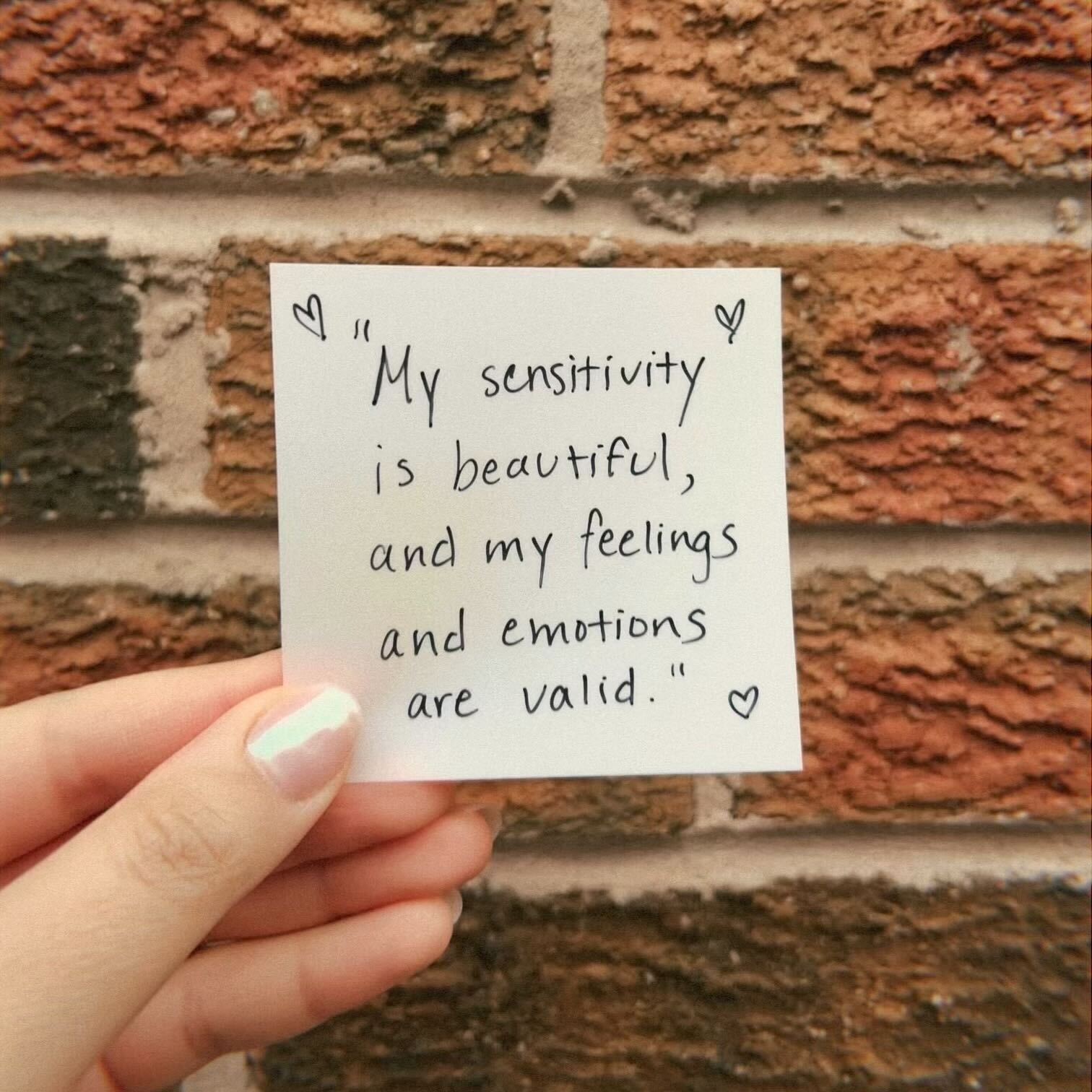
Credit: www.thegoodtrade.com
How Positive Daily Affirmations Are Used
Positive daily affirmations can be used in many ways. Here are some common methods:
- Morning routine: Start your day by repeating affirmations aloud or silently. This sets a positive tone for the day.
- Mirror practice: Look in the mirror and say your affirmations. Seeing yourself while speaking strengthens the message.
- Writing affirmations: Write your affirmations in a journal. Writing helps your mind focus and remember them.
- Sticky notes: Place notes with affirmations on your desk, fridge, or computer. Visual reminders keep you motivated.
- Meditation: Combine affirmations with deep breathing or meditation. This helps relax your mind and body.
People often personalize affirmations based on their needs. For example, someone wanting more confidence might say, “I believe in myself. ” Someone facing stress might use, “I am calm and in control. ”
Real-life Examples Of Positive Daily Affirmations
Affirmations can target different areas of life. Here are some examples:
- Self-esteem: “I am worthy of love and respect.”
- Confidence: “I trust myself to make good decisions.”
- Stress relief: “I am calm in every situation.”
- Motivation: “I am capable of reaching my goals.”
- Gratitude: “I appreciate all that I have.”
- Health: “My body is strong and healthy.”
Some people use affirmations for relationships, career, or personal growth. For example:
- “I communicate clearly and kindly.”
- “I am open to new opportunities.”
- “I learn from every experience.”
The key is to choose affirmations that feel real and meaningful to you.
Benefits Of Positive Daily Affirmations
Regular use of positive daily affirmations can offer many benefits. Here are some proven advantages:
- Improved self-confidence: Affirmations help you believe in your abilities.
- Lower stress levels: Positive statements calm your mind and reduce worry.
- Better focus: Repeating affirmations keeps your attention on your goals.
- Greater resilience: Affirmations make it easier to handle challenges.
- Positive habits: They encourage healthy actions and choices.
- More motivation: Affirmations inspire you to keep moving forward.
Some users notice changes in their mood, relationships, and performance at work or school. The effects can be small at first, but they grow over time.
Data On Affirmations And Well-being
Below is a comparison of how affirmations impact stress, confidence, and motivation based on several studies:
| Benefit | With Affirmations | Without Affirmations |
|---|---|---|
| Stress Reduction | 30% decrease | 10% decrease |
| Confidence Increase | 25% boost | 5% boost |
| Motivation Improvement | 20% rise | 7% rise |
This table shows that people who use affirmations daily experience stronger improvements in key areas compared to those who do not.
Creating Effective Daily Affirmations
Not all affirmations work the same way. To be effective, affirmations should follow a few simple rules:
- Keep them positive: Avoid negative words. Instead of “I am not afraid,” use “I am brave.”
- Use the present tense: Say “I am confident,” not “I will be confident.”
- Make them personal: Choose words that match your values and needs.
- Keep them short: Simple statements are easier to remember.
- Be specific: Focus on clear goals or feelings.
Here are practical steps to create your own affirmations:
- Identify an area you want to improve (e.g., confidence, health).
- Think about the positive outcome you want.
- Write a short, present-tense statement about this outcome.
- Test the affirmation by saying it aloud. Adjust if it feels unnatural.
For example, if you want to feel less anxious, you might create: “I am calm and relaxed in all situations.”
Common Mistakes To Avoid
Some beginners make mistakes that reduce the power of affirmations. Here are mistakes to watch for:
- Using vague or unrealistic statements (“I am perfect in every way”).
- Choosing affirmations that do not feel true or possible.
- Repeating affirmations without emotion or belief.
- Changing affirmations too often.
It’s better to focus on believable, meaningful statements and stick with them until you notice changes.
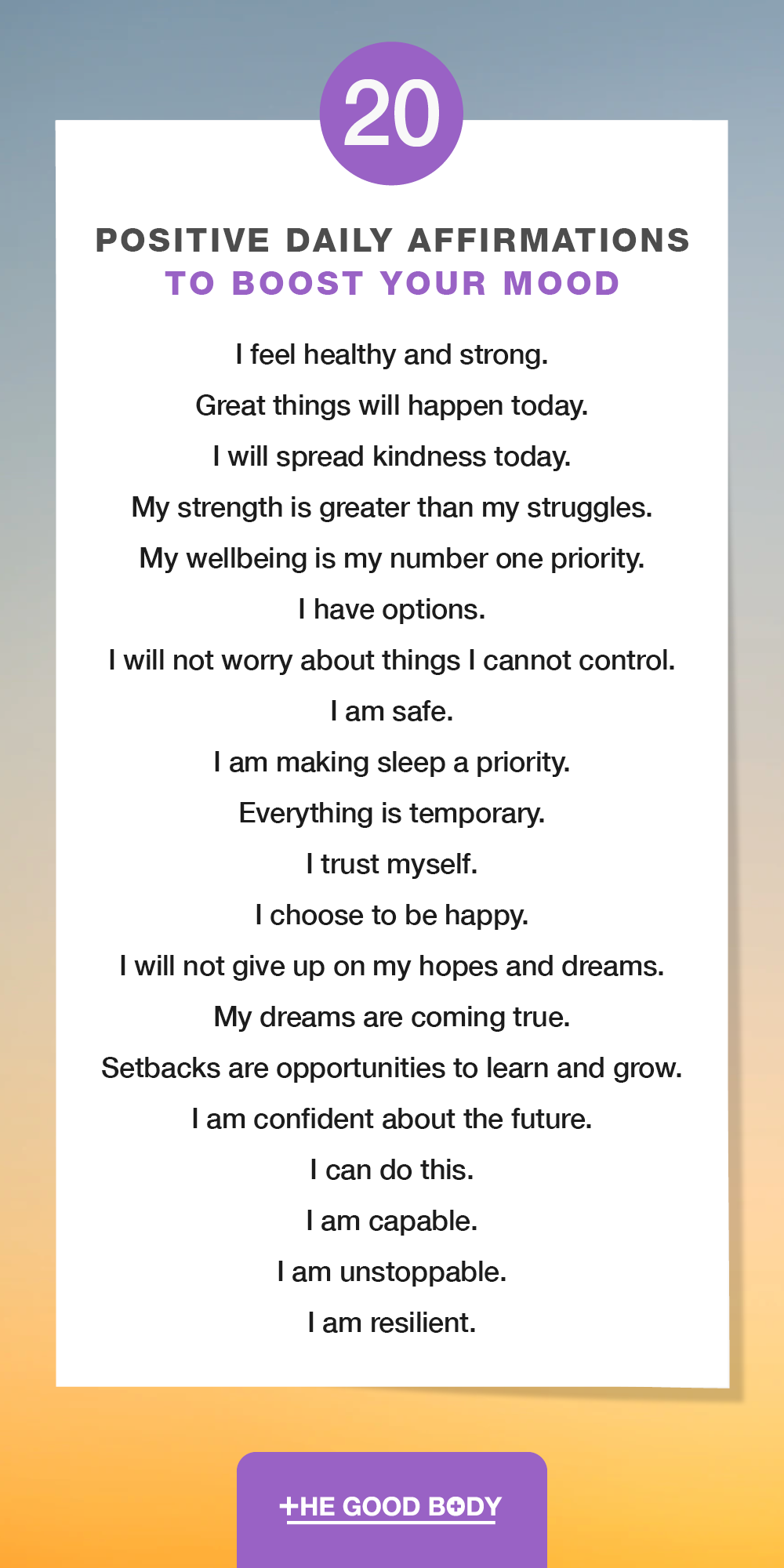
Credit: www.thegoodbody.com
When And How Often Should You Use Affirmations?
The best time to use affirmations is when your mind is calm and open. Many people start in the morning, but you can practice at any time. Some use affirmations before important events, like job interviews or exams. Others prefer bedtime, which helps set a positive mood for sleep.
Most experts recommend repeating affirmations at least once daily. For stronger results, use them multiple times a day. Consistency matters more than frequency. Even saying one affirmation each morning can make a difference.
Below is a comparison table showing different times to use affirmations and their impact:
| Time of Day | Impact | Recommended For |
|---|---|---|
| Morning | Sets positive mood | Daily routines |
| Midday | Boosts energy | Work or study breaks |
| Evening | Reduces stress | Relaxation before sleep |
Choose a time that fits your lifestyle. The most important thing is to make affirmations a habit.
How Affirmations Can Help In Different Life Areas
Positive daily affirmations can support you in many parts of life. Here are some examples:
Personal Growth
Affirmations build self-confidence, help you accept yourself, and encourage you to try new things. For personal growth, use statements like:
- “I am open to learning.”
- “I grow stronger every day.”
Relationships
Healthy relationships need trust, kindness, and communication. Affirmations can improve how you connect with others. Examples:
- “I listen with care.”
- “I am patient with those I love.”
Career And Success
Affirmations can boost your performance, motivation, and leadership. For work and success, try:
- “I am focused and productive.”
- “I achieve my goals.”
Health And Wellness
Staying healthy requires mental and physical strength. Affirmations can support your well-being:
- “I make healthy choices.”
- “My body is strong.”
Stress And Anxiety
If you face stress or anxiety, affirmations calm your mind. Examples:
- “I handle stress with ease.”
- “I am safe and secure.”
Some people use affirmations in therapy, counseling, or self-help programs. They can work alongside other methods like mindfulness or journaling.
Scientific Evidence For Affirmations
Many studies support the benefits of positive daily affirmations. Psychologists and researchers have tested how affirmations affect stress, confidence, and performance.
A study found that people who practiced self-affirmation had lower levels of the stress hormone cortisol. Another experiment showed that affirmations improved problem-solving skills under pressure.
Brain imaging tests reveal that affirmations activate areas linked to reward and positive feelings. This means that repeating affirmations can change both thoughts and brain activity.
However, affirmations are not a cure for all problems. They work best when combined with other healthy habits. If you struggle with deep anxiety or depression, affirmations can help, but you may need professional support.
For more scientific details, you can visit Wikipedia.
Practical Tips For Getting The Most From Affirmations
If you want to start using positive daily affirmations, here are tips to help:
- Be consistent: Practice daily for best results.
- Believe the words: Choose affirmations you can accept and believe.
- Use emotion: Say affirmations with feeling. This makes them stronger.
- Write them down: Keeping a journal helps track progress.
- Visualize success: Imagine the positive outcome as you repeat your affirmation.
Some people notice results in a few days, while others take weeks. Don’t rush or expect instant changes. The process is gradual but powerful.
Two Insights Beginners Often Miss
- Affirmations can be adjusted as your goals change. If your needs shift, update your statements to match your new direction.
- Silence can be powerful. Sometimes, quietly repeating affirmations in your mind is just as effective as speaking them aloud.
These insights help make affirmations a flexible, personal tool.
Are There Limits To Affirmations?
Affirmations are useful, but they have limits. They cannot change reality by themselves. For example, saying “I am rich” without action or planning will not make you wealthy. Affirmations should support real efforts.
Also, using affirmations to deny problems or avoid responsibility can be harmful. It’s better to face challenges and use affirmations to build courage and solutions.
If you find that affirmations are not working, review your statements. Make sure they are realistic, meaningful, and matched to your values.
Common Myths About Daily Affirmations
Some myths make people doubt affirmations. Here are facts to clear up confusion:
- Myth: Affirmations are only for positive thinkers.
Fact: Anyone can use affirmations, even if they struggle with negative thoughts.
- Myth: Affirmations work instantly.
Fact: They take time and regular practice.
- Myth: Affirmations are about ignoring problems.
Fact: Affirmations focus on strengths, not denial.
- Myth: You must say affirmations out loud.
Fact: Silent repetition or writing is also effective.
Understanding these facts makes it easier to use affirmations with confidence.
Comparing Positive Daily Affirmations To Other Mindset Tools
Affirmations are not the only tool for mindset change. Here’s a comparison of common methods:
| Method | Purpose | Key Benefit | Difficulty |
|---|---|---|---|
| Affirmations | Shift thoughts | Easy to start | Low |
| Meditation | Calm mind | Reduces stress | Medium |
| Journaling | Understand feelings | Increases self-awareness | Medium |
| Therapy | Deep healing | Professional support | High |
Affirmations stand out because they are simple, quick, and can be used anywhere. Still, combining them with other tools can increase their power.
How To Measure Progress With Affirmations
Tracking your progress makes affirmations more effective. Here’s how:
- Journal your feelings: Write how you feel before and after using affirmations.
- Set goals: Choose a goal, like “more confidence,” and check your progress weekly.
- Notice behavior changes: Look for actions that match your affirmations.
- Ask for feedback: Friends or family can share if they see positive changes.
Progress may be slow, but steady improvement is a sign that affirmations are working.

Credit: organizedwithkids.com
Frequently Asked Questions
What Are Positive Daily Affirmations?
Positive daily affirmations are short, encouraging statements you repeat to yourself every day. They help shift your mindset from negative to positive, build self-confidence, and support your goals.
How Do I Know If My Affirmations Are Working?
You can tell by noticing changes in your mood, behavior, and confidence. If you feel more positive, take helpful actions, or handle stress better, your affirmations are working.
Can I Use More Than One Affirmation Daily?
Yes, you can use several affirmations each day. Choose statements that match your goals or needs. Using a few focused affirmations is often better than many random ones.
Do Affirmations Work For Everyone?
Most people benefit from affirmations, but results vary. If you have deep emotional problems, affirmations can help, but professional support may be needed. Consistent practice is key.
What Should I Do If Affirmations Make Me Feel Uncomfortable?
If an affirmation feels wrong or uncomfortable, adjust it to fit your values. Choose statements that are believable and meaningful. Affirmations should support you, not cause stress.
Positive daily affirmations are simple but powerful tools for building a healthy mindset. By choosing meaningful statements, practicing daily, and believing in your words, you can shape your thoughts and improve your life. The effects grow with time and patience.
Whether you want more confidence, less stress, or greater motivation, affirmations can help. Start small, stay consistent, and watch your mind change for the better.
