

Positive Affirmations Vs Negative: How Your Words Shape Reality
Positive Affirmations Vs Negative: How Words Shape Your Mind and Life
Words are powerful. They can lift you up or pull you down. The way you talk to yourself—inside your mind—has a huge impact on your feelings, decisions, and even your health. Many people use positive affirmations to build confidence and stay motivated. Others, often without realizing, let negative self-talk take over. Understanding the difference between positive and negative affirmations can help you take control of your thoughts and improve your life. This article explores how both types work, why they matter, and how you can use positive affirmations to beat negativity. Whether you are new to this idea or want deeper insights, you’ll find practical advice, science, and real examples here.
What Are Affirmations?
Affirmations are short statements you repeat to yourself. They can be spoken, written, or just thought quietly. Their goal is to shape your beliefs, habits, and feelings. For example, saying “I am capable” every morning is a positive affirmation. Saying “I always fail” is a negative one.
Affirmations work by influencing your subconscious mind. Your brain listens to what you say and starts to believe it. This affects your emotions, confidence, and actions.
Positive Affirmations
Positive affirmations focus on strengths, hope, and self-worth. Examples include:
- “I am confident.”
- “I learn from my mistakes.”
- “I deserve happiness.”
Positive affirmations aim to improve your mood, build self-esteem, and encourage growth.
Negative Affirmations
Negative affirmations are statements that focus on weakness, fear, or failure. Examples:
- “I can’t do anything right.”
- “Nobody likes me.”
- “I’m not smart enough.”
Negative affirmations feed doubt and insecurity. They make it harder to try new things or recover from setbacks.
How Affirmations Affect The Brain
Your brain is shaped by the words you use. Science shows that repeating positive affirmations can create new neural pathways. These are connections in the brain that help you think, feel, and act in certain ways.
A study from the University of Pennsylvania found that self-affirmation activates parts of the brain linked to reward and self-processing. This means positive affirmations can actually make you feel good and help you focus on your goals.
On the other hand, negative affirmations light up areas linked to pain and stress. This can lead to anxiety, depression, and low self-esteem.
Data: Effects Of Positive And Negative Self-talk
Here’s a comparison of how positive and negative affirmations affect mood and behavior:
| Type of Affirmation | Impact on Mood | Impact on Behavior |
|---|---|---|
| Positive | Boosts confidence, reduces stress | Encourages action, builds resilience |
| Negative | Increases worry, lowers self-esteem | Causes avoidance, increases giving up |
The Science Behind Positive Affirmations
Positive affirmations are not just wishful thinking. Research shows they can change your brain and habits. One study found that people who used positive affirmations before stressful events felt less nervous and performed better.
Another interesting insight is that positive affirmations can help you make healthier choices. For example, people who repeat statements like “I care about my health” are more likely to eat well and exercise.
Why Positive Affirmations Work
- Repetition builds belief: The more you say something, the more you believe it.
- Focus on strengths: Positive affirmations help you see what you are good at.
- Reduce negative self-talk: When you use positive affirmations, you have less room for negative thoughts.
Example: Positive Affirmations In Action
Imagine you are nervous before a job interview. If you repeat, “I am prepared and confident,” your brain starts to believe it. You stand taller, speak clearer, and make a better impression.
Negative Affirmations: The Hidden Danger
Negative affirmations are easy to slip into. Many people don’t realize how often they use them. Saying “I’m so stupid” after a mistake, or “I will never succeed” when things go wrong, can slowly damage your self-image.
How Negative Affirmations Harm You
- Lower motivation: You stop trying new things because you expect to fail.
- Increase stress: Negative self-talk makes problems feel bigger.
- Spread to others: If you speak negatively about yourself, you may treat others the same way.
Common Triggers For Negative Self-talk
- Perfectionism: Wanting everything to be perfect leads to harsh self-criticism.
- Comparison: Comparing yourself to others can make you feel less worthy.
- Past failures: Remembering mistakes can fuel negative affirmations.
Real-life Example
A student who failed a test says, “I’ll never understand this. ” Over time, this thought becomes a belief, making it harder to learn or try again.

Credit: www.reddit.com
Positive Vs Negative Affirmations: Key Differences
To understand how positive and negative affirmations affect you, let’s compare them side by side.
| Aspect | Positive Affirmations | Negative Affirmations |
|---|---|---|
| Focus | Strengths, growth, hope | Weakness, failure, fear |
| Emotion | Calm, happy, inspired | Worried, sad, discouraged |
| Long-term effect | Builds confidence, resilience | Creates doubt, low self-esteem |
| Motivation | Encourages action | Leads to avoidance |
How To Use Positive Affirmations Effectively
Positive affirmations only work if you use them correctly. Here are practical steps to make affirmations part of your daily life:
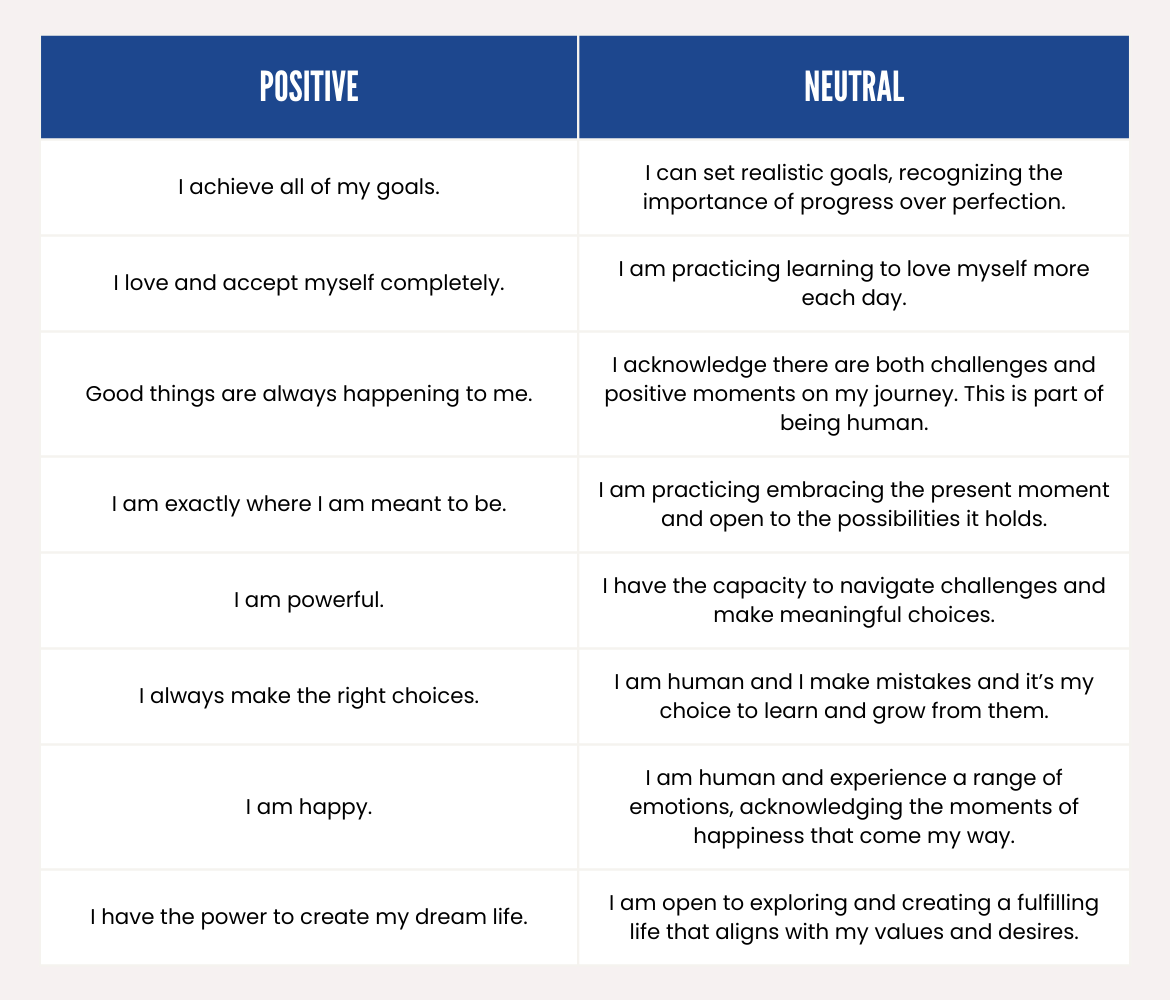
- Choose statements that feel real: Avoid phrases that feel too far from the truth. For example, instead of “I am perfect,” try “I am improving every day.”
- Repeat regularly: Say your affirmations every morning and night, or whenever you need a boost.
- Write them down: Putting affirmations on paper makes them stronger.
- Speak with emotion: Say them with feeling, not just as empty words.
- Use present tense: “I am strong” is more powerful than “I will be strong.”
- Focus on your goals: Tie your affirmations to what you want to achieve.
Example: Creating Your Own Affirmations
If you want more confidence, you might use:
- “I am confident in my abilities.”
- “I learn and grow every day.”
- “I handle challenges with strength.”
If you want better health, try:
- “I make healthy choices.”
- “My body is strong and energetic.”
- “I enjoy taking care of myself.”
Mistakes People Make With Affirmations
Many beginners use affirmations incorrectly. Here are common mistakes and how to avoid them:
1. Using Unrealistic Statements
If your affirmation feels fake, your mind will reject it. For example, saying “I am rich” when you are struggling financially can create frustration. Choose statements that match your current reality and goals.
2. Ignoring Negative Self-talk
Just repeating positive affirmations is not enough. You must notice and challenge your negative affirmations. When you catch yourself thinking “I can’t do this,” replace it with “I am learning every day. ”
3. Lack Of Consistency
Affirmations work best when used every day. Skipping days makes it harder to build new habits. Set reminders or add affirmations to your daily routine.
4. Not Using Emotion
Affirmations are powerful when you feel them. Say your statements with energy and belief, not as a chore.
5. Forgetting Personalization
Copying affirmations from others can help, but the most effective statements are personal. Use words that matter to you.
How Negative Affirmations Spread
Negative affirmations don’t just stay in your mind. They can affect your actions and relationships. Here’s how negativity spreads:
- Body language: You slouch, avoid eye contact, and look unhappy.
- Words to others: You use negative phrases like “You’ll never get it right.”
- Behavior: You avoid challenges or stop trying.
Example: Workplace Impact
Imagine a manager who often says, “I’m not good at leading. ” This belief affects how they speak to the team, make decisions, and handle problems. The team may also start doubting themselves.
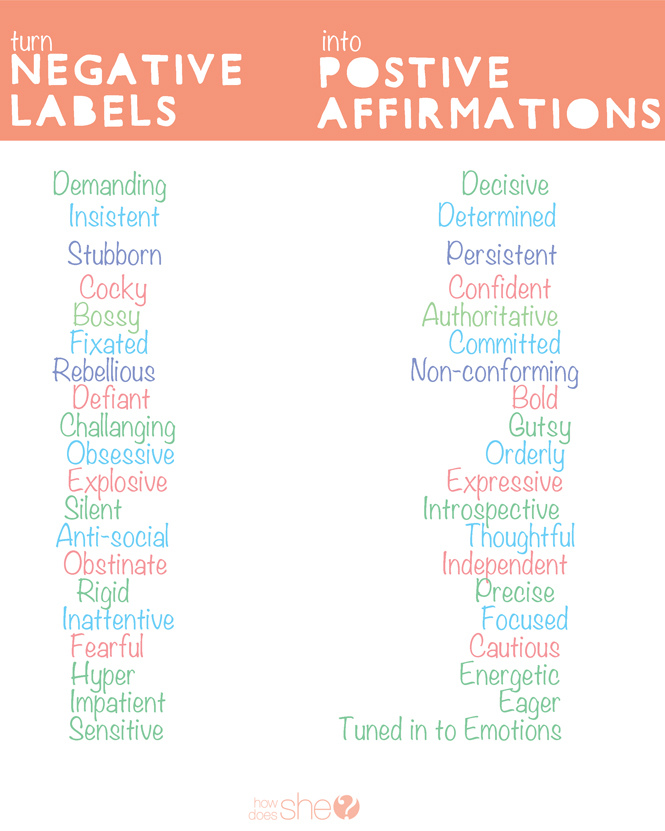
Turning Negative Affirmations Into Positive
You can change negative self-talk into positive affirmations. Here’s how:
- Identify negative statements: Notice when you use phrases like “I can’t” or “I’m bad at.”
- Challenge the belief: Ask, “Is this really true? What evidence do I have?”
- Rewrite the statement: Change “I always fail” to “I learn from setbacks.”
- Practice the new affirmation: Repeat it often until it feels natural.
Example: Rewriting Affirmations
Negative: “i’m Terrible At Speaking In Public.”
Positive: “I am improving my public speaking skills every time I practice.”
Affirmations And Mental Health
Affirmations are not a magic cure, but they support mental health. Positive self-talk can:
- Reduce anxiety and stress
- Improve mood
- Boost self-esteem
- Help recovery from setbacks
Studies show that positive affirmations can even help people with depression and anxiety. They are often used in therapy as part of cognitive behavioral techniques.
When Affirmations Are Not Enough
Sometimes, negative thoughts are too strong to handle alone. If affirmations don’t help, or if you feel very low, it’s important to seek support from a counselor or therapist.
Affirmations In Daily Life
You can use affirmations in many situations:
- Morning routine: Start your day with positive statements.
- Facing challenges: Use affirmations before exams, interviews, or big decisions.
- Building habits: Affirmations help you stick to new routines.
- Improving relationships: Use positive self-talk to communicate better.
Quick Tips For Daily Affirmation Practice
- Pick three affirmations each morning.
- Repeat them out loud with conviction.
- Write them in a journal every evening.
- Notice how you feel after a week.
The Role Of Environment And Culture
Your environment shapes your self-talk. In some cultures, people are encouraged to speak positively. In others, modesty or criticism is common.
If you grow up hearing negative phrases, you may use them yourself. Changing your environment—spending time with positive people or reading motivational books—can help shift your affirmations.
Data Table: Environment And Self-talk
| Environment | Common Self-Talk | Impact on Self-Esteem |
|---|---|---|
| Supportive family | Encouraging, positive | High self-esteem |
| Critical workplace | Negative, doubtful | Low self-esteem |
| Motivational community | Optimistic, hopeful | Resilience |
Advanced Insights: Why Affirmations Sometimes Fail
Even with positive affirmations, some people don’t see changes. Here are two non-obvious reasons:
- Underlying beliefs block progress: If you have deep-rooted beliefs (“I am not worthy”), affirmations may not work until you address these beliefs.
- Social influence: If people around you are negative, it’s harder to keep a positive mindset. Group habits can override personal affirmations.
How To Overcome These Barriers
- Combine affirmations with other tools, like meditation or therapy.
- Spend time with positive people.
- Use affirmations that challenge your deepest doubts.
Real Success Stories
Many people have changed their lives with positive affirmations. Here are a few examples:
- Athletes: Top athletes use affirmations to stay focused and overcome setbacks. A runner who repeats “I am strong” before a race feels more confident and performs better.
- Students: Students who use positive self-talk (“I can learn this”) score higher on tests and feel less stressed.
- Entrepreneurs: Business owners often use affirmations to push through fear and take risks.
Insight: Success Takes Practice
Success with affirmations doesn’t happen overnight. It takes regular practice, patience, and willingness to change old habits.
Credit: howdoesshe.com
How To Start: Step-by-step Guide
If you are new to affirmations, follow these steps:
- Write down your main goal: What do you want to improve?
- List negative beliefs: What negative statements do you often use?
- Create positive affirmations: Rewrite negative beliefs into positive statements.
- Practice daily: Repeat your affirmations each morning and evening.
- Track progress: Notice changes in mood, confidence, and actions.
Example: Starting With Affirmations
Goal: Improve Self-confidence
Negative Belief: “i Can’t Do Anything Right.”
Positive Affirmation: “i Am Learning And Growing Every Day.”
Repeat this affirmation every morning. Write it in your journal. After a week, notice if your feelings or behavior have changed.
Comparing Affirmations To Other Self-help Methods
Affirmations are just one tool. Here’s how they compare to other self-help methods:
| Method | How It Works | Strengths | Weaknesses |
|---|---|---|---|
| Affirmations | Repeat positive statements | Easy to use, builds confidence | May not work for deep issues |
| Meditation | Focus on breathing, calm mind | Reduces stress, improves focus | Needs practice, time-consuming |
| Therapy | Talk with a professional | Addresses deep problems | Can be costly, needs commitment |
| Journaling | Write thoughts and feelings | Helps self-awareness | May lack guidance |
Practical Tips For Sticking With Positive Affirmations
Staying consistent with affirmations can be tough. Here are expert tips:
- Set reminders on your phone.
- Place sticky notes on your mirror or desk.
- Share your affirmations with a friend for support.
- Record your voice saying affirmations and play it back.
- Celebrate small wins—notice when your mood improves.
Non-obvious Insight
Your affirmations are more powerful when combined with visualization. Picture yourself succeeding while repeating your positive statements.
Why Negative Affirmations Are Hard To Break
Breaking negative self-talk is challenging because it often feels true. Your mind may accept negative beliefs faster than positive ones. This is called negativity bias. Humans are wired to notice problems more than solutions.
Overcoming Negativity Bias
- Use positive affirmations to balance negative thoughts.
- Practice gratitude—list things you are thankful for.
- Replace negative phrases with neutral ones if positivity feels too hard.
Credit: counselingwellnesspgh.com
Affirmations For Different Life Stages
Affirmations work for everyone but can be tailored to age or situation.
For Children
- “I am smart.”
- “I am loved.”
- “I try my best.”
For Teens
- “I can handle challenges.”
- “I am unique and valuable.”
- “I make good choices.”
For Adults
- “I am capable and strong.”
- “I create my own success.”
- “I trust myself.”
For Seniors
- “I am wise.”
- “I have much to offer.”
- “I enjoy life every day.”
Frequently Asked Questions
What Is The Difference Between Positive And Negative Affirmations?
Positive affirmations are statements that focus on strengths and hope. They build confidence and encourage action. Negative affirmations focus on weakness and fear, making you doubt yourself and avoid challenges. The main difference is the impact: positive affirmations lift you up, negative ones bring you down.
How Often Should I Use Positive Affirmations?
For best results, use positive affirmations daily. Many people repeat them in the morning and evening. Consistency is key. It takes time to build new habits, so stick with it even if you don’t see changes right away.
Can Negative Affirmations Be Changed To Positive?
Yes. You can turn negative self-talk into positive affirmations. First, notice your negative statements. Then, rewrite them in a positive way. For example, “I can’t do this” becomes “I am learning and improving every day. ” Practice the new affirmation until it feels natural.
Are Affirmations Supported By Science?
Research shows affirmations can change your brain and help you feel better. Studies found that positive affirmations reduce stress, build confidence, and improve performance. They are also used in therapy as part of cognitive behavioral techniques. You can find more research at Wikipedia.
What If Affirmations Don’t Work For Me?
If you don’t see results, try changing your statements or combining affirmations with other tools, like meditation or therapy. Sometimes, deep beliefs block progress. If negative thoughts are strong or if you feel very low, consider seeking help from a professional.
Words shape your world. Positive affirmations can build confidence, happiness, and success, while negative ones feed doubt and fear. By understanding the difference and using positive affirmations daily, you can change your mindset and improve your life. The journey takes effort, but the rewards are real.
Start today and notice how your words transform your mind and actions.
