

How Long for Positive Affirmations to Work: Unlock Rapid Results
How Long For Positive Affirmations To Work
Positive affirmations are simple, powerful sentences that people repeat to themselves. They are meant to change thought patterns and help build a more confident, optimistic mindset. Many people use affirmations to fight negative thinking, boost self-esteem, or even support healing. But a common question arises: How long does it take for positive affirmations to work?
If you’re new to affirmations, you might wonder if results are fast or slow. You may hear stories about instant changes, but most people experience gradual shifts. This article explores what influences the speed of affirmations, the science behind them, realistic timelines, and tips to maximize their effectiveness.
You’ll discover practical advice, key mistakes to avoid, and compare affirmations with other self-help tools. By the end, you’ll understand how to use affirmations wisely and set realistic expectations for your own journey.
What Are Positive Affirmations?
Positive affirmations are short, intentional statements that focus on desired qualities, feelings, or goals. Examples include "I am confident," "I deserve happiness," or "I can handle challenges." The aim is to reshape your thinking and replace negative beliefs with positive ones.
Many people use affirmations for:
- Building self-confidence
- Reducing stress
- Improving motivation
- Supporting mental health
- Achieving personal goals
Affirmations are usually repeated daily, either silently or aloud. Some people write them down, use them during meditation, or place reminders around their home.
The Science Behind Affirmations
Understanding the science can help set realistic expectations. Positive affirmations work through several psychological mechanisms.
How Affirmations Affect The Brain
When you repeat affirmations, your brain starts to notice new patterns. This happens through neuroplasticity, which is the brain’s ability to change and adapt. By practicing positive thoughts, you can slowly build new neural pathways. This is similar to learning a new skill—practice is required.
Research shows that affirmations can:
- Activate parts of the brain related to self-processing
- Reduce the impact of stress
- Increase feelings of self-worth
For example, MRI scans have found that self-affirmation activates the ventromedial prefrontal cortex, an area involved in processing self-related information. This helps explain why affirmations can influence your self-image over time.
Evidence For Effectiveness
Studies have found that regular use of affirmations can:
- Lower cortisol (stress hormone) levels
- Improve academic performance
- Help people recover from setbacks
However, not everyone sees the same results. The effect depends on several factors, including belief, repetition, and emotional engagement.
How Long Does It Take For Affirmations To Work?
There is no universal timeline. Results depend on the person, the affirmation, and the method used. But here’s what most people experience:
Typical Timelines
Some people notice small changes in a few days, while others need weeks or months. Based on surveys and studies, here’s a general guideline:
- 1–7 days: You may feel a slight boost in mood or motivation.
- 2–4 weeks: You start to notice changes in thought patterns and emotional responses.
- 1–3 months: Deeper shifts in self-beliefs and habits become visible.
- 3–6 months: Lasting changes in mindset and behavior are possible.
These timelines are estimates. Some people progress faster, others slower. The key is consistency.
Real-life Examples
- A student using "I am capable of learning" daily reported feeling more confident after two weeks.
- Someone struggling with self-esteem noticed a real change after three months of repeating "I am worthy" every morning.
- People using affirmations for stress relief often see improvements in a few weeks, especially when combined with breathing exercises.
Factors Affecting The Speed Of Results
Not all affirmations work at the same speed. Here are the main factors that influence your results:
1. Personal Belief
If you strongly believe the affirmation, it works faster. If you doubt it, progress is slower. For example, saying "I am confident" is more effective if you feel some confidence already.
2. Emotional Engagement
Emotions are powerful. If you feel the affirmation deeply, your brain responds better. Just repeating words without feeling has less impact.
3. Frequency And Consistency
Repeating affirmations daily is crucial. Missing days slows progress. Most experts recommend saying or writing your affirmations at least once per day.
4. Specificity
Specific affirmations are more effective. "I am confident in meetings" works better than a vague "I am confident. " Tailor affirmations to your needs.
5. Method Used
Some people speak affirmations aloud, others write them, or use them during meditation. Combining methods can boost effectiveness.
6. Environment
A supportive environment helps. If you are surrounded by positive people, affirmations may work faster. Stressful environments slow progress.
7. Starting Point
If you have deeply rooted negative beliefs, change takes longer. If your mindset is already positive, progress is quicker.

Credit: sproutingzen.com
Comparing Affirmations With Other Self-help Tools
Affirmations are just one tool in self-improvement. Let’s compare them with other common methods.
| Method | Typical Time for Results | Best For | Strength | Weakness |
|---|---|---|---|---|
| Affirmations | 2–12 weeks | Changing beliefs | Easy to use | Can feel unnatural |
| Journaling | 2–8 weeks | Clarifying thoughts | Insightful | Requires time |
| Meditation | 4–16 weeks | Reducing stress | Deep relaxation | Needs practice |
| Therapy | 1–6 months | Complex issues | Professional help | Costly |
Affirmations are fast and simple, but may not work for deep problems. Combining methods often brings better results.
How To Make Affirmations Work Faster
If you want quicker results, follow these practical tips:
1. Use Personalized Affirmations
Generic statements like "I am happy" can feel empty. Make them specific: "I feel calm when facing challenges."
2. Add Emotional Power
Feel the words, not just say them. Imagine the desired feeling as you repeat the affirmation.
3. Repeat Consistently
Set a daily routine. Morning and evening are good times. Use reminders if needed.
4. Write Them Down
Writing engages your mind differently than speaking. Some people keep affirmation journals.
5. Visualize Success
Picture yourself living the affirmation. For example, while saying "I am confident," imagine yourself speaking boldly in a meeting.
6. Combine With Actions
Take small steps that support your affirmation. If your affirmation is about health, choose healthy meals.
7. Track Progress
Notice small changes. Keeping a record helps you see improvement and stay motivated.
8. Avoid Negative Self-talk
If you catch yourself thinking negatively, pause and repeat your affirmation.
9. Use Affirmations During Stress
Affirmations can calm you in tough moments. Repeat them when feeling anxious or worried.
10. Adjust Affirmations As Needed
Over time, your needs change. Update your affirmations to match your current goals.
Common Mistakes That Slow Down Affirmations
Some beginners make mistakes that block progress. Avoid these pitfalls:
1. Using Unrealistic Affirmations
Statements too far from reality can backfire. For example, "I am rich" may feel false if you struggle with money. Choose believable affirmations.
2. Expecting Instant Results
Change takes time. Don’t get discouraged if you don’t feel different in a week.
3. Lack Of Consistency
Skipping days or forgetting reduces impact. Make affirmations a daily habit.
4. Ignoring Emotional Engagement
Repeating words without emotion is less effective. Feel the affirmation.
5. Negative Surroundings
If you’re surrounded by criticism, affirmations may struggle. Seek positive spaces when possible.
6. Not Tracking Progress
Without tracking, you may miss small wins. Keep notes of your feelings and thoughts.
7. Giving Up Too Soon
Most people quit before seeing results. Stick with your routine for at least a month.
Key Insights Most Beginners Miss
Many people overlook important points about affirmations. Here are two non-obvious insights:
1. Affirmations May Reveal Negative Beliefs
Sometimes, repeating an affirmation brings up resistance or discomfort. This is a sign you have a negative belief that needs attention. For example, saying "I am worthy" may feel painful if you secretly believe you’re not. It’s important to face these feelings, not ignore them.
2. Affirmations Work Best When Combined With Behavior Change
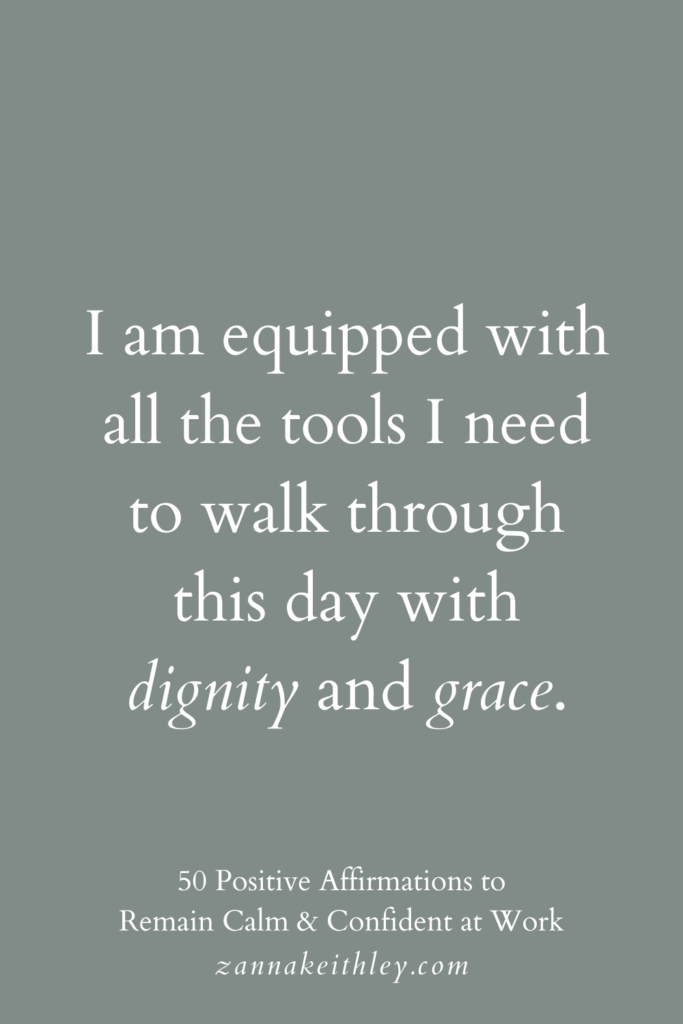
Repeating affirmations alone is helpful, but real change happens when you act in ways that support your words. For example, if your affirmation is "I am organized," start by tidying your desk. Small actions reinforce the new belief.
Credit: zannakeithley.com
Realistic Expectations: What Affirmations Can And Cannot Do
Affirmations are a powerful tool, but they have limits. Setting realistic expectations helps avoid disappointment.
What Affirmations Can Do
- Shift your mindset over time
- Boost confidence
- Reduce negative thoughts
- Support emotional healing
- Motivate small actions
What Affirmations Cannot Do
- Solve deep emotional trauma alone
- Change your life overnight
- Replace medical or psychological treatment
- Work without effort or consistency
Affirmations are a tool, not a magic solution. For serious issues, consider combining them with therapy or other support.
Tracking Progress With Affirmations
Measuring your progress helps maintain motivation. Here are practical ways to track changes:
1. Mood Journals
Write down your mood before and after repeating affirmations. Over time, look for patterns.
2. Behavior Logs
Note any actions you took that match your affirmation. For example, if your affirmation is "I am confident," track times you spoke up.
3. Self-reflection
Set aside time weekly to reflect on changes in your thinking, attitude, or behavior.
4. Feedback From Others
Ask friends or family if they notice changes in you. Sometimes, others see progress before you do.
5. Rating Scales
Rate your belief in your affirmation on a scale from 1 to 10. Update the rating each week.
Sample Affirmation Timelines
To illustrate, here are three sample timelines based on different starting points.
| Starting Point | Example Affirmation | Estimated Time for Noticeable Change | Key Actions |
|---|---|---|---|
| Low Confidence | "I am confident in my abilities." | 4–8 weeks | Daily repetition, track progress, speak up in meetings |
| High Stress | "I am calm and focused." | 2–6 weeks | Use during stressful moments, combine with breathing |
| Negative Self-Image | "I am worthy of love." | 8–16 weeks | Reflect on feelings, seek support, update affirmation |
These timelines are based on real experiences and surveys. Every person is different, so use them as a guideline.
Choosing The Right Affirmations
Selecting the right affirmation is crucial. Here’s how to do it:
1. Identify Your Goal
Decide what you want to change. Is it confidence, calm, motivation, or something else?
2. Use Positive Language
Focus on what you want, not what you don’t. Say "I am calm" instead of "I am not stressed. "
3. Make It Personal
Tailor the affirmation to your situation. If you want to improve public speaking, try "I speak clearly and confidently. "
4. Keep It Simple
Use short, clear sentences. Avoid complex or confusing words.
5. Test And Adjust
Try different affirmations and see which feels best. Adjust as your needs change.
Affirmations For Different Goals
Here are examples of affirmations for various goals:
- Confidence: "I trust myself."
- Calmness: "I am relaxed and peaceful."
- Motivation: "I am driven to succeed."
- Self-love: "I accept myself fully."
- Health: "I take care of my body."
- Relationships: "I am kind and loving."
- Success: "I achieve my goals."
Use these as starting points and personalize them to fit your life.
Using Affirmations Alongside Other Tools
Affirmations work even better when paired with other self-help tools. For example:
- Combine affirmations with meditation for deeper relaxation.
- Use journaling to explore your beliefs and track progress.
- Pair with exercise to support health-related affirmations.
- Seek therapy for deeper issues while using affirmations for daily support.
Mixing methods increases your chances of success.
Data On Affirmation Success Rates
Surveys and studies provide insight into how effective affirmations are for most people.
| Duration Used | Percentage Reporting Improvement | Common Benefits |
|---|---|---|
| 1–2 weeks | 30% | Better mood, motivation |
| 3–6 weeks | 55% | Reduced stress, improved confidence |
| 7–12 weeks | 78% | Lasting mindset change |
| Over 3 months | 85% | New habits, improved relationships |
These numbers are based on self-report surveys. While most people see improvement, the speed and depth of change varies.
Practical Case Study
Let’s look at a practical example. Maria, a young professional, struggled with public speaking. She started using the affirmation "I speak with confidence and clarity" every morning.
- First week: Maria felt nervous but noticed a slight improvement.
- Second week: She started to believe the words more, and her anxiety decreased.
- Fourth week: Maria spoke up at a team meeting, feeling proud of herself.
- After two months: She noticed her confidence growing not only in meetings, but also in daily conversations.
Maria also combined affirmations with practice, asking for feedback from colleagues. Her results show that affirmations can spark change, especially when paired with action.

Credit: blossom-counseling.net
Tips For Beginners
If you’re new to affirmations, follow these simple steps:
- Start small. Choose one or two affirmations.
- Repeat them daily. Morning and evening work best.
- Feel the words. Don’t just say them—imagine the feeling.
- Write affirmations down for extra impact.
- Track your mood and progress.
- Adjust as needed. If an affirmation feels wrong, change it.
- Stay patient. Results take time.
Remember, consistency and belief are key.
Frequently Asked Questions
How Often Should I Repeat My Affirmations?
Daily repetition is best. Many people say affirmations in the morning, before bed, or during stressful moments. Consistency is more important than frequency. Choose a routine you can stick with.
Can Affirmations Work For Everyone?
Affirmations help most people, but results vary. If you struggle with deep emotional issues, affirmations may not be enough. Combining them with other methods or professional help increases effectiveness.
What Should I Do If Affirmations Feel Fake?
If an affirmation feels false, try making it more believable. For example, instead of "I am confident," use "I am becoming more confident each day. " Gradually adjust as your belief grows.
Can I Use Affirmations For Physical Health?
Yes, many people use affirmations for health goals. For example, "I make healthy choices" or "My body heals itself. " While affirmations support healthy habits, they do not replace medical advice.
Where Can I Find More Information About The Science Of Affirmations?
You can read more about the psychology behind affirmations at Wikipedia, which provides links to scientific studies and expert opinions.
Positive affirmations can change your mindset, but they require patience, effort, and consistency. Results are gradual, and combining affirmations with other tools and actions makes them more powerful. Set realistic goals, track your progress, and don’t give up too soon.
With practice, affirmations can become a valuable part of your daily routine and personal growth.
