

Is Affirmation Really Work? Discover the Truth Behind the Hype
Is Affirmation Really Work
Everyone wants to feel more confident, positive, and in control of their lives. You may have heard people talk about using affirmations—short, positive statements you repeat to yourself—to help build a better mindset. But you might wonder, “Is affirmation really work?” Does repeating good things about yourself actually change anything? Or is it just wishful thinking? This article explores what affirmations are, why people use them, what science says, common mistakes, and practical ways to make them effective. By the end, you’ll have a clear answer and know how to use affirmations in a way that fits your life.
What Are Affirmations?
Affirmations are simple, positive phrases that people say to themselves, often daily. The goal is to encourage a positive mental attitude and, over time, to change negative beliefs. For example, someone might say, “I am confident in my abilities,” or “I am worthy of love.
” These statements can be spoken out loud, written down, or even repeated silently in your mind.
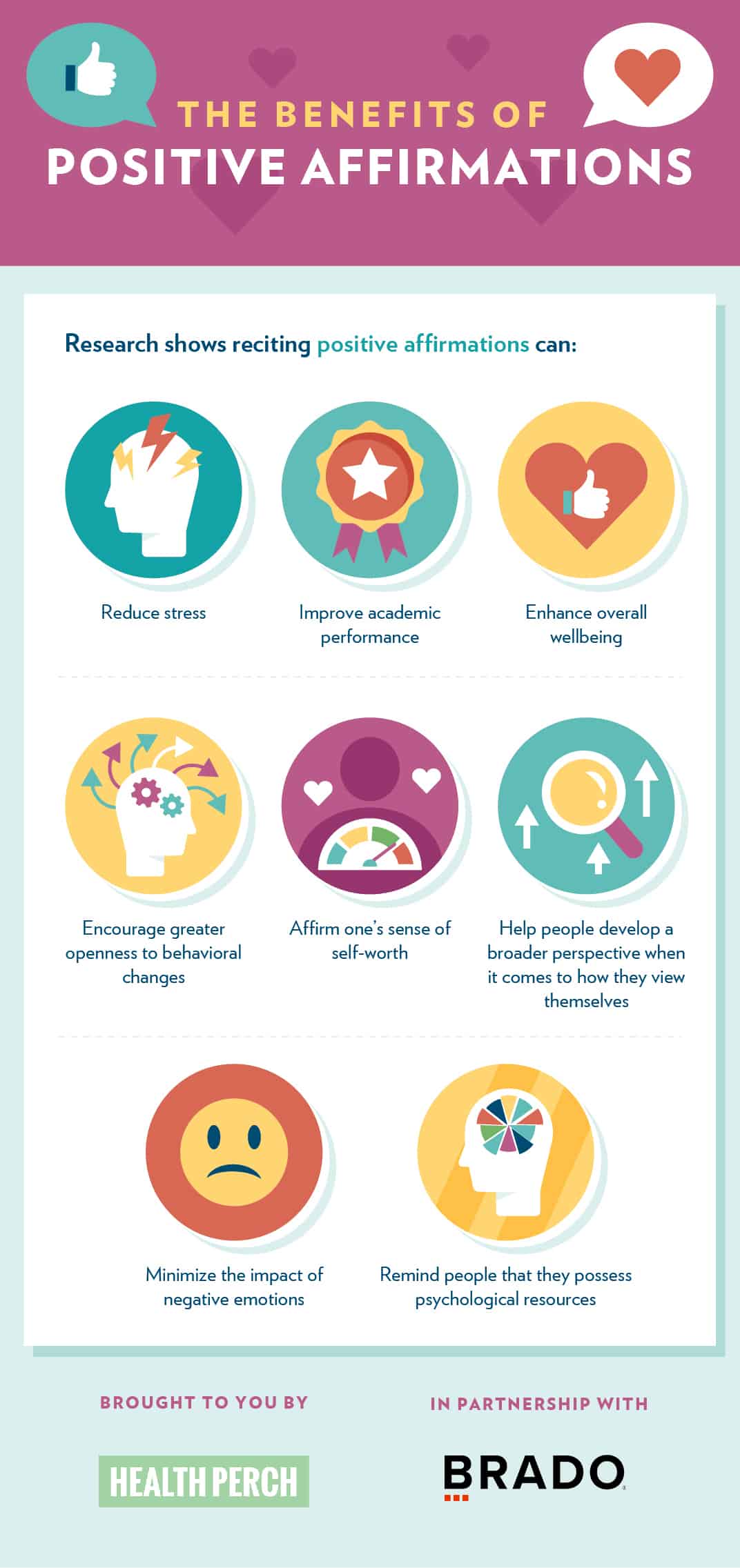
Affirmations are not new. Many cultures have used similar practices for centuries. Today, you find affirmations in self-help books, therapy, and motivational talks. They are easy to try, require no special tools, and can be adapted for many situations. People use them for building self-esteem, reducing stress, improving performance, or simply staying focused on goals.
Why Do People Use Affirmations?
There are several reasons why affirmations are popular:
- Changing negative thoughts: Many people struggle with negative self-talk. Affirmations give you something positive to focus on instead.
- Boosting confidence: By repeating positive statements, you may start to feel more confident over time.
- Goal setting: Affirmations can remind you of your goals and keep you motivated.
- Reducing anxiety: Some find that affirmations help calm nerves, especially before stressful events like public speaking or exams.
- Developing new habits: Positive statements can support changes in behavior, such as eating healthier or being more productive.
Most people use affirmations because they are simple, take very little time, and do not require any money or special equipment. For many, affirmations are a small daily practice that fits easily into their lives.

Credit: giveyourselfkindness.com
How Do Affirmations Work?
The basic idea behind affirmations is this: your thoughts influence your feelings and actions. If you think negative thoughts (“I can’t do this,” “I’m not good enough”), you may feel sad or anxious, and you may avoid challenges. But if you regularly tell yourself positive things, you might start to believe them. This is called self-affirmation theory.
When you repeat a positive statement, your brain may start to accept it as true. Over time, this can help you act in ways that match the statement. For example, if you say, “I am capable of learning new things,” you might be more willing to try new skills.
Still, the process is not magic. Affirmations do not change reality on their own. They are part of a bigger picture. Your actions, environment, and support from others also matter.
Science And Research: What Do Studies Say?
Many people want to know if affirmations are just wishful thinking or if there is real evidence behind them. Research gives a mixed but interesting picture.
Positive Findings
Some studies show that self-affirmation can reduce stress, improve academic performance, and even support better health choices. For example, research has found that students who practiced affirmations felt less stressed during exams and sometimes got better grades. Other studies suggest that affirmations can help people handle negative feedback and criticism better.
Researchers believe that affirmations work by helping people focus on their values and strengths. This can protect self-worth during difficult times.
Limits And Criticisms
However, affirmations are not always effective for everyone. Some studies show that if you have very low self-esteem, repeating positive statements can actually make you feel worse. If you do not believe the affirmation at all (“I am successful” when you feel like a failure), it can create a mental conflict.
This may lead to more negative feelings.
Also, affirmations alone are rarely enough to solve big problems. They can be a helpful tool, but they do not replace hard work, therapy, or support from others.
Summary Table: Research Findings
Here’s a comparison of what research generally shows about affirmations:
| Positive Results | Negative/Neutral Results |
|---|---|
| Reduces stress for some people | May not help those with low self-esteem |
| Can improve performance in studies | Less effective without other support or action |
| Helps manage negative feedback | Can create mental conflict if not believed |
Different Types Of Affirmations
Affirmations come in many forms. People use them for different goals and situations. Here are some common types:
Self-esteem Affirmations
These focus on building confidence and a positive self-image, such as:
- “I am enough.”
- “I accept myself as I am.”
Success And Motivation Affirmations
These are used for reaching goals and staying motivated:
- “I can achieve my goals.”
- “Every day, I am getting better.”
Health And Wellness Affirmations
People use these to support healthy habits:
- “I make healthy choices every day.”
- “My body is strong and healthy.”
Relationship Affirmations
These focus on building trust and love:
- “I attract positive, loving people into my life.”
- “I communicate with kindness and honesty.”
Stress Relief Affirmations
Some use affirmations to calm the mind:
- “I am calm and relaxed.”
- “I handle challenges with grace.”
There is no single “right” type of affirmation. The best affirmation is one that fits your needs and feels true to you.
How To Create Effective Affirmations
Not all affirmations are created equal. Some work better than others. Here are tips for making affirmations that actually help:
1. Keep It Positive
Focus on what you want, not what you want to avoid. Instead of “I am not anxious,” say “I am calm and in control. ” The brain responds better to positive language.
2. Make It Present Tense
Affirmations are more powerful when they use present tense. For example, say “I am confident” rather than “I will be confident. ” This helps your brain act as if the change is happening now.
3. Be Specific
General statements are less effective. Instead of “I am successful,” try “I am improving my skills at work every day. ” Specific affirmations are more believable and actionable.
4. Keep It Short
A simple sentence is easier to remember and repeat. Long statements are harder to use, especially when you need them most.
5. Make It Personal
Use “I” statements. Affirmations should be about you and your own actions or feelings.
6. Choose What Feels Right
If an affirmation feels fake or forced, change it until it fits you. For example, if “I love myself” feels too strong, try “I am learning to accept myself. ”
Example Table: Good Vs. Weak Affirmations
Here is a quick comparison of effective and less-effective affirmations:
| Effective Affirmation | Weak Affirmation |
|---|---|
| I am becoming more confident each day. | I will not be nervous. |
| I make healthy choices every morning. | I want to eat better. |
| I handle change with calm and strength. | Change does not bother me anymore. |
Common Mistakes When Using Affirmations
Many people try affirmations but give up when they do not see results. Here are mistakes to avoid:
Repeating Without Belief
If you say an affirmation that feels completely untrue, your mind may reject it. For example, saying “I am rich” when you are struggling financially can make you feel worse. Start with statements you can believe, even a little. For example, “I am learning to manage my money.
”
Using Only Affirmations
Affirmations alone cannot replace action. For example, repeating “I am healthy” but not eating well or exercising will not help much. Use affirmations as support, not a substitute for real steps.
Expecting Fast Results
Change takes time. Affirmations usually need weeks or months before you notice a difference. Be patient and keep going.
Being Too Vague
Vague statements like “I am happy” are less effective. Add details that matter to you, such as “I find small joys in my day. ”
Ignoring Negative Feelings
Sometimes, positive statements can hide real problems. It is okay to feel sad, angry, or afraid. Use affirmations as one tool, but also talk to someone or seek help if you need it.
Insight: Beginners often repeat affirmations robotically. Speaking with emotion—even a little—helps your mind pay attention. Also, writing affirmations by hand can make them feel more real.
Practical Ways To Use Affirmations
If you want to try affirmations, here are some practical steps:
1. Choose 1–3 Affirmations
Start small. Pick a few statements that matter most to you right now.
2. Repeat Them Daily
Say them in the morning, before sleep, or any time you need a boost. You can say them out loud, write them in a journal, or even think them quietly.
3. Add To Your Routine
Link affirmations to daily habits. For example, say them while brushing your teeth, during a walk, or before a meeting.
4. Visualize Success
While repeating the affirmation, imagine yourself acting in line with the statement. If your affirmation is “I am confident speaking to others,” picture yourself doing exactly that.
5. Track Your Progress
Notice changes in your thoughts, feelings, or actions. You might keep a simple log of how you feel before and after affirmations.
6. Adjust As Needed
If an affirmation stops working, change it or pick a new one. Your needs will change over time.
Credit: www.northwestpharmacy.com
Real-life Examples: How Affirmations Have Helped People
Hearing real stories can make the idea of affirmations more believable. Here are a few examples:
Sarah’s Story
Sarah struggled with public speaking. She felt nervous and believed she would make mistakes. She started using the affirmation, “I am prepared and calm when I speak. ” She repeated it every morning and before meetings. Over time, she noticed less anxiety and began to enjoy sharing her ideas.
Mark’s Experience
Mark wanted to eat healthier but often gave in to junk food. He used the affirmation, “I choose foods that make my body strong. ” This simple phrase helped him pause before making food choices. After a few months, he found it easier to stick to his goals.
Priya’s Journey
Priya felt lonely after moving to a new city. She started saying, “I am open to new friendships. ” By repeating this daily, she felt less afraid to start conversations. She joined a local club and made new friends.
These stories show that affirmations can support change, but they work best when combined with small actions and patience.
When Affirmations Might Not Be Enough
Affirmations are helpful, but they are not a solution for everything. If you are dealing with depression, anxiety, or trauma, affirmations alone are not enough. Professional help, therapy, or support from loved ones is important.
Also, if you notice that affirmations are making you feel worse, it is okay to stop. Not every tool works for everyone. Listen to yourself and choose what helps you most.
Insight: Sometimes, it is more powerful to use “self-compassion” statements, like “It’s okay to struggle,” instead of forcing only positive statements. This can feel more honest and supportive, especially during hard times.
Affirmations In Different Cultures And Traditions
Affirmations are not just a modern self-help trend. Many cultures have used similar ideas for centuries. In some religions, repeating positive phrases is part of prayer or meditation. For example, mantras in Hinduism and Buddhism are repeated to focus the mind and bring peace.
In Western psychology, positive self-talk is used in therapy to change negative thinking. While the words and styles differ, the goal is often the same: to create a more positive, helpful mindset.
This shows that the basic idea of affirmations—using words to shape thoughts—is a universal human practice.
Can Affirmations Change Your Brain?
Recent research in neuroscience suggests that repeating positive statements may change how your brain works. This is called neuroplasticity, which means the brain can form new connections over time.
When you repeat an affirmation, you activate certain brain pathways. If you do this often, these pathways can become stronger. This is why habits (including thought habits) become automatic. Affirmations might help create new, more positive thought patterns, especially when used with other tools like visualization or mindfulness.
However, these changes are usually small and slow. Affirmations are not a shortcut, but they can be part of building a healthier mind.
Situations Where Affirmations Work Best
Affirmations are not equally effective in every situation. Here are cases where they often help:
Before Challenges
Repeating affirmations before an exam, job interview, or difficult conversation can help calm nerves and focus your mind.
Building New Habits
If you want to start exercising, eating better, or learning a skill, affirmations can remind you of your goal.
Managing Stress
During stressful periods, affirmations like “I can handle this” or “I am stronger than I think” can offer comfort.
Recovering From Setbacks
When you fail or make mistakes, affirmations can help you avoid negative self-talk and encourage you to try again.
Supporting Mental Health
In therapy, affirmations are sometimes used to challenge negative beliefs and build self-esteem.
Common Myths About Affirmations
Many people have misunderstandings about affirmations. Here are some myths and the truth behind them:
“affirmations Are Just Positive Thinking”
Affirmations are not simply thinking happy thoughts. They are focused, intentional statements meant to change deep beliefs over time.
“you Must Believe Every Affirmation Fully”
It is normal to doubt affirmations at first. The key is to find statements you can believe even a little, and build from there.
“affirmations Work Instantly”
Like any habit, affirmations take time. Change is usually slow and subtle.
“affirmations Replace Action”
Affirmations support change but do not replace real steps. Action is always needed.
“affirmations Are For Weak People”
Using affirmations takes courage. It means you are willing to challenge old beliefs and try something new.
Who Should Use Affirmations?
Almost anyone can try affirmations, but they can be especially helpful for:
- People who struggle with negative self-talk
- Those facing stress or big changes
- People wanting to build new habits or reach goals
- Students, athletes, or professionals under pressure
- Anyone interested in improving self-awareness
Children and teenagers can also benefit from affirmations, especially when taught in a gentle, supportive way.
Advanced Tips For Using Affirmations
If you have tried affirmations before and want to get more from them, consider these advanced strategies:
Pair With Visualization
Imagine yourself living the affirmation as you say it. This makes the statement more powerful.
Write Them Down
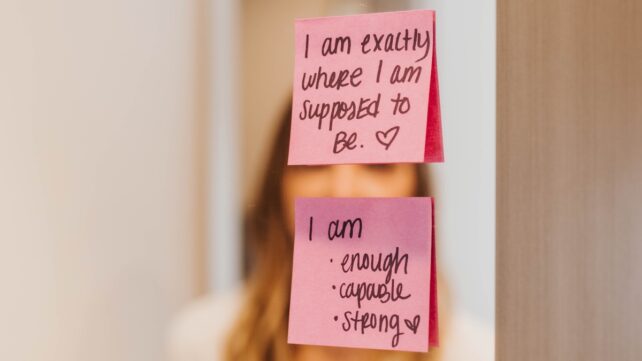
Writing affirmations by hand can make them feel more real. You can keep a special notebook or write them on sticky notes around your home.
Record And Listen
Record yourself saying affirmations and listen during your day. Hearing your own voice can be motivating.
Use “if-then” Statements
Combine affirmations with plans, such as “If I feel nervous, then I will remind myself I am prepared. ”
Share With Others
Saying affirmations with a friend or group can build motivation and make the practice more fun.
Credit: www.sciencealert.com
How Affirmations Compare To Other Self-help Tools
Affirmations are just one tool for personal growth. Here’s how they compare to other common methods:
| Method | How It Works | Best For | Limitations |
|---|---|---|---|
| Affirmations | Repeating positive statements | Changing mindset, building confidence | Less effective if not believed |
| Visualization | Imagining success in detail | Reaching goals, motivation | Needs regular practice |
| Journaling | Writing thoughts and feelings | Self-awareness, stress relief | Can take more time |
| Meditation | Focusing mind, often on breath or a phrase | Reducing stress, clarity | Hard for beginners to focus |
Using affirmations with other methods can make them stronger. For example, journaling about your affirmations or combining them with visualization can help you see faster progress.
Should You Try Affirmations?
Affirmations are not magic, but they are a simple and free way to support a positive mindset. For many people, they bring more awareness to daily thoughts and help build new habits. The most important thing is to use affirmations that feel honest and helpful to you.
If you are curious, try using affirmations for a few weeks. Notice how you feel. If they help, keep going. If not, try another tool. There is no one-size-fits-all answer.
If you want more detail on how affirmations work in psychology, you can read this Wikipedia entry on affirmations.
Frequently Asked Questions
What Is The Main Purpose Of Affirmations?
The main purpose of affirmations is to create positive change in your thoughts and beliefs. By repeating helpful statements, you encourage your mind to focus on strengths and goals, rather than doubts and fears.
How Long Does It Take For Affirmations To Work?
There is no fixed time. Some people notice small changes in a few weeks, while others need months. Consistency is important—use affirmations daily and be patient with yourself.
Can Affirmations Be Harmful?
Affirmations are safe for most people. However, if you use statements you do not believe at all, or if you use them instead of facing real problems, they can make you feel worse. If you notice negative feelings, adjust your approach or seek support.
Do I Have To Say Affirmations Out Loud?
No, you can say affirmations silently, write them, or even listen to recordings. Choose the method that feels most comfortable for you.
Are Affirmations Based On Science?
Some research supports the use of affirmations for stress, confidence, and performance. However, they work best with other actions, not alone. They are not magic, but they can be a helpful tool for many people.
Affirmations are simple but powerful when used with care and honesty. Try them, stay flexible, and remember—real change comes from a mix of positive words, actions, and support.
