

Affirmation Vs Mantra: Key Differences for Daily Success
Affirmation Vs Mantra: Understanding the Differences, Benefits, and How to Use Each
Words have power. The phrases and sounds we repeat—whether to motivate ourselves, seek calm, or connect with something deeper—can shape our mind and even our life. Two terms you may often hear in this context are affirmation and mantra. People sometimes use these words as if they mean the same thing. But are they really the same? Or is there a difference that matters?
If you have ever wondered how affirmations and mantras work, when to use each, and which is best for your goals, this guide is for you. By the end, you will understand the unique qualities of both, how to practice them, and how to choose the right tool for your personal growth.
Let’s explore these powerful practices in detail.
What Is An Affirmation?
An affirmation is a positive statement that you say to yourself, often out loud or in your mind. The purpose is to encourage, motivate, or reinforce a belief about yourself or your life. People use affirmations to change negative thinking, build confidence, and set a positive tone for their day.
For example, common affirmations include:
- “I am confident and strong.”
- “I attract opportunities for growth.”
- “I am calm and in control.”
Affirmations are usually short, simple, and stated in the present tense. The idea is to speak as if the quality or outcome you want is already real.
How Affirmations Work
Affirmations are based on the idea that our thoughts shape our reality. If you repeat positive statements often, your mind may start to believe them, even if you don’t at first. Over time, this can help:
- Reduce negative self-talk
- Increase self-esteem
- Support new habits
- Boost motivation
Research in psychology supports the value of self-affirmation. For example, a study published by the National Institutes of Health found that positive self-affirmations can reduce stress and improve problem-solving.
When To Use Affirmations
Affirmations are useful in many situations:
- Starting your day with confidence
- Preparing for a stressful event (like a presentation)
- Managing anxiety or self-doubt
- Building new habits or breaking bad ones
You can use them during meditation, journaling, or even while looking in the mirror.
What Is A Mantra?
A mantra is a word, phrase, or sound that you repeat during meditation or prayer. The origin of mantras is ancient, with roots in Hinduism, Buddhism, and other spiritual traditions. The word “mantra” comes from Sanskrit: “man” (mind) and “tra” (tool or instrument), meaning “a tool for the mind.”
Mantras can be in any language. Some are simple, like “Om,” which is considered the sound of the universe in Hindu tradition. Others are longer and more complex, like “Om Mani Padme Hum” in Buddhism. In modern times, people also create their own personal mantras for focus and peace.
How Mantras Work
Mantras are used to help focus the mind, especially during meditation. When you repeat a mantra, it can:
- Calm racing thoughts
- Deepen concentration
- Create a sense of peace
- Connect you to a spiritual or deeper sense of self
Some people believe that the sound and vibration of certain mantras have a special spiritual effect. Others use mantras simply as a way to focus and relax.
When To Use Mantras
Mantras are especially helpful for:
- Meditation practice
- Reducing stress or anxiety
- Creating a sense of spiritual connection
- Improving focus and mindfulness
You can repeat mantras silently in your mind, chant them aloud, or listen to recordings.
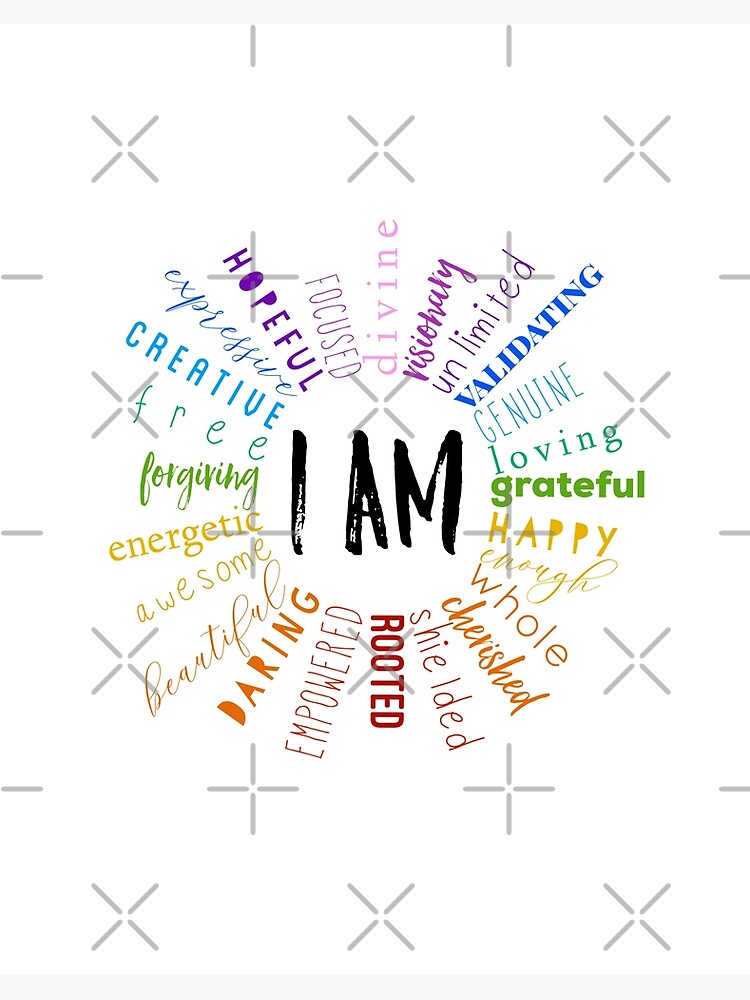
Credit: www.redbubble.com
Key Differences Between Affirmation And Mantra
While both affirmations and mantras involve repetition, their purposes, origins, and uses are quite different. Here’s a clear breakdown:
| Aspect | Affirmation | Mantra |
|---|---|---|
| Purpose | Build positive beliefs and change mindset | Focus the mind, aid meditation, spiritual connection |
| Origin | Modern psychology, self-help | Ancient spiritual traditions |
| Language | Usually in your native language | Often in Sanskrit or other sacred languages, but can be any language |
| Form | Positive, present-tense statement | Word, phrase, or sound; sometimes no direct meaning |
| Focus | Changing thought patterns | Deepening concentration and awareness |
| Example | “I am worthy of success.” | “Om,” “Om Shanti Shanti Shanti” |
The Science Behind Affirmations And Mantras
Both affirmations and mantras have been studied for their effects on the brain and well-being.
Affirmations And The Brain
Research shows that affirmations can activate the reward centers in the brain. When you repeat positive phrases, your brain responds as if you are already experiencing success or happiness. This makes it easier to believe in yourself, even when things are tough.
A study in the journal Social Cognitive and Affective Neuroscience showed that self-affirmation increased activity in parts of the brain involved in self-processing and valuation. This suggests that affirmations can help rewire your mindset over time.
Mantras And Meditation
Mantras are known to help quiet the mind. In MRI studies, people who repeat mantras show less activity in the parts of the brain linked with self-judgment and wandering thoughts. This is why mantras are so effective in meditation practices.
One study published in the International Journal of Yoga found that mantra meditation reduced anxiety and improved emotional well-being in participants.
Examples Of Powerful Affirmations
If you’re new to affirmations, it helps to see some examples that people use for different goals. You can choose from these or create your own.
For Confidence
- “I believe in my abilities.”
- “I am deserving of respect.”
- “I handle challenges with strength.”
For Success
- “I attract positive opportunities.”
- “I am focused and determined.”
- “Success comes to me easily.”
For Self-love
- “I am enough as I am.”
- “I treat myself with kindness.”
- “I honor my needs and feelings.”
For Health
- “I am healthy and strong.”
- “My body supports me every day.”
- “I make choices that nourish me.”
Tips For Creating Your Own Affirmation
- Keep it positive: Focus on what you want, not what you don’t.
- Use the present tense: Speak as if it’s true now.
- Make it personal: Use “I” or “my.”
- Keep it short and simple: Easy to remember and repeat.
Examples Of Popular Mantras
Mantras can be traditional or personal. Here are some well-known ones and what they mean.
Traditional Mantras
- Om: Represents the sound of the universe, often used to start and end meditation.
- Om Mani Padme Hum: A Buddhist mantra said to bring compassion and wisdom.
- So Hum: Means “I am that,” used for self-awareness and unity.
Modern Or Personal Mantras
- “Let go.”
- “Peace begins with me.”
- “I am present.”
How To Choose A Mantra
- Listen to the sound: Some people choose based on how the mantra feels to say.
- Understand the meaning: If you want a mantra with meaning, learn what it represents.
- Start simple: One or two words are enough, especially for beginners.
How To Practice Affirmations
Practicing affirmations can be simple, but doing it well makes a big difference. Here’s how to get the best results:
1. Repeat Daily
Say your affirmation every morning or evening. Some people like to write them on sticky notes and put them on their mirror or computer.
2. Say It With Feeling
Don’t just say the words—try to feel the truth of the statement. Imagine what it would be like if it was already true.
3. Use Visuals
Pair your affirmation with a mental image. For example, if you say “I am confident,” imagine yourself giving a great speech or handling a tough situation calmly.
4. Combine With Action
Affirmations are most powerful when you also take real steps toward your goal. For example, if you say “I am healthy,” support it with healthy choices.
5. Be Consistent
Change doesn’t happen overnight. The more often you repeat your affirmation, the stronger its effect.
How To Practice Mantras
Mantras are often used in meditation, but you can also use them anytime you need focus or calm.
1. Find A Quiet Space
Sit comfortably, close your eyes, and take a few deep breaths.
2. Repeat The Mantra
Say the mantra out loud or silently in your mind. Focus on the sound and rhythm.
3. Use A Timer
Start with 5 or 10 minutes. If you want, use a timer so you don’t have to watch the clock.
4. Let Thoughts Come And Go
If your mind wanders, gently return your focus to the mantra. Don’t judge yourself.
5. End With Gratitude
When you finish, sit quietly for a moment and notice how you feel. Thank yourself for taking the time.
Common Mistakes With Affirmations And Mantras
Both practices are simple, but beginners often make some mistakes that reduce their effect. Here’s what to avoid:
With Affirmations
- Choosing unrealistic statements: If you say something you don’t believe at all, your mind may reject it. Start with statements that feel possible.
- Saying it without emotion: Just repeating words with no feeling won’t have much impact.
- Inconsistency: Doing it once or twice won’t change much. Make it a habit.
With Mantras
- Not understanding the purpose: Mantras are not magic words. The power comes from focus and repetition, not the words themselves.
- Rushing the practice: Mantra meditation works best when you give it time and patience.
- Expecting instant results: Like any practice, it takes time to see benefits.
Which One Should You Use?
Choosing between affirmation and mantra depends on your goal.
- If you want to build confidence, change your mindset, or motivate yourself, affirmations may work better.
- If you want to calm your mind, deepen meditation, or connect with spirituality, a mantra is likely the right choice.
Some people use both. For example, you might start your day with an affirmation and use a mantra to relax before sleep.
Here’s a quick comparison to help you decide:
| Goal | Best Choice | Why |
|---|---|---|
| Increase confidence | Affirmation | Targets beliefs about yourself |
| Reduce anxiety | Mantra | Calms and focuses the mind |
| Spiritual growth | Mantra | Connects to spiritual traditions |
| Motivate for goals | Affirmation | Reinforces positive intentions |
| Meditation support | Mantra | Helps maintain focus during meditation |
Non-obvious Insights Most Beginners Miss
Many articles focus on the basics of affirmations and mantras, but there are some deeper ideas beginners often overlook:
- Personalization is key: The most effective affirmation or mantra is one that feels meaningful to you. Don’t just copy what others use. Spend time choosing or creating words that match your needs and feelings.
- The power of ritual: Adding a small ritual—like lighting a candle, breathing deeply, or sitting in a favorite spot—can make the practice feel more special and help your mind focus.
- Sound and vibration matter: For mantras especially, the physical sound and vibration can affect your body and mind. Try saying mantras out loud, and notice how different words or sounds feel in your mouth and chest.
- Affirmations can backfire if forced: If you repeat an affirmation that feels completely false to you, your mind may resist it and you might feel worse. Adjust the statement to something more believable, such as “I am learning to be confident” instead of “I am always confident.”
- Combining both can be powerful: You don’t have to choose only one practice. Some people find that starting with a mantra calms the mind, making it easier to focus on affirmations afterward.
The Cultural Context Of Mantras And Affirmations
Understanding the cultural background of these practices can deepen your respect and effectiveness.
Mantras: Respecting Tradition
Mantras come from spiritual traditions. In Hinduism and Buddhism, certain mantras are considered sacred. If you use traditional mantras, it’s respectful to learn a bit about their meaning and history. This doesn’t mean you must follow a religion, but showing respect helps you connect more deeply with the practice.
Some organizations offer guidance on proper use, such as the Yoga Journal.
Affirmations: Self-help And Modern Psychology
Affirmations have roots in modern psychology and self-help movements. They are less tied to culture or religion and can be adapted to any belief system. They are popular in therapy, coaching, and personal development.
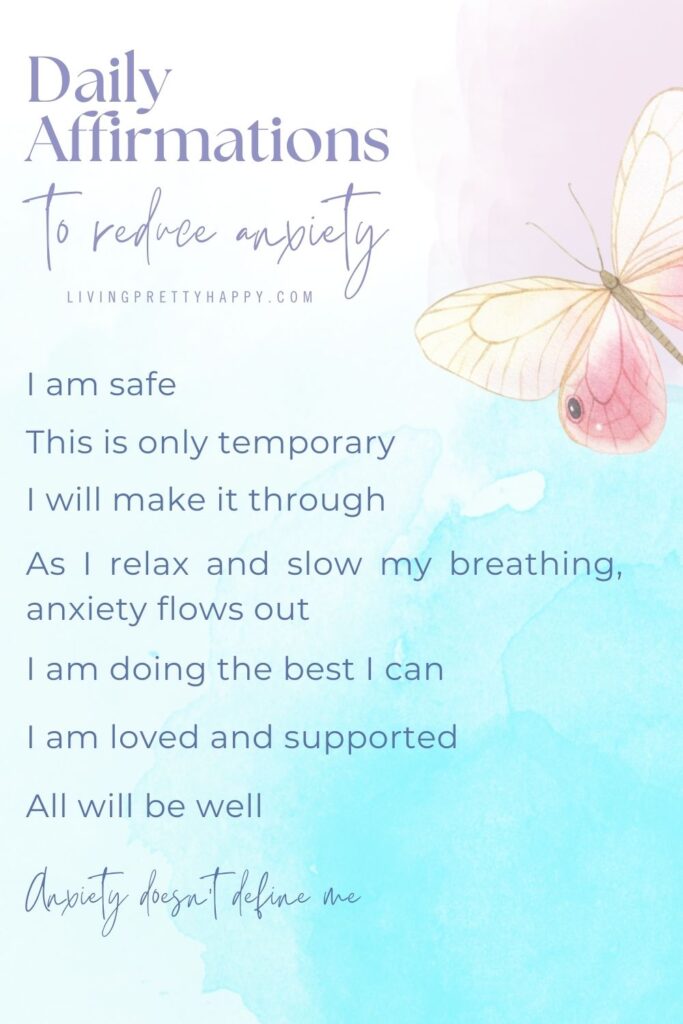
Credit: livingprettyhappy.com
How To Know If It’s Working
It’s normal to wonder if your affirmations or mantras are making a difference. Here’s how you can tell:
Signs Affirmations Are Working
- You notice less negative self-talk.
- You feel more confident and motivated.
- You start taking actions that match your affirmations.
Signs Mantras Are Working
- You find it easier to focus during meditation.
- You feel calmer and less stressed.
- You look forward to your practice.
Remember, the effects are often subtle at first. Give yourself time and be patient.
Real-life Stories: Affirmations And Mantras In Action
Hearing how others use these tools can be inspiring. Here are a few examples:
Maria’s Experience With Affirmations
Maria struggled with self-doubt at work. She started saying, “I am capable and prepared,” every morning before her shift. After a few weeks, she noticed she was less nervous in meetings and started volunteering for new projects.
Raj’s Mantra Meditation
Raj found it hard to quiet his mind for meditation. He started using the mantra “So Hum” and repeated it with each breath. Over time, his mind wandered less, and he felt more peaceful, even outside of meditation.
Combining Both: Lisa’s Approach
Lisa uses a mantra “Om Shanti” at the start of her meditation to calm herself. After a few minutes, she switches to her favorite affirmation, “I am grateful for this moment,” to end her practice on a positive note.
Practical Tips For Long-term Success
- Set a regular time: Routine helps build the habit.
- Track your progress: Write in a journal how you feel after each session.
- Adjust as needed: If something isn’t working, try a new affirmation or mantra.
- Share with a friend: Practicing with someone else can keep you motivated.
- Stay open-minded: Sometimes, benefits show up in ways you don’t expect.
Frequently Asked Questions
What Is The Main Difference Between An Affirmation And A Mantra?
Affirmations are positive statements you repeat to change your thinking or belief about yourself. Mantras are words or sounds you repeat, often in meditation, to focus your mind or connect with something deeper. While affirmations aim to boost self-belief, mantras help calm and focus the mind.
Can I Use Both Affirmations And Mantras Together?
Yes, you can use both. Many people start their practice with a mantra to relax and focus, then say affirmations to set a positive mindset. This combination can be very effective for personal growth.
How Long Should I Repeat An Affirmation Or Mantra Each Day?
There’s no fixed rule. Most people find that 5 to 15 minutes per day is enough. Consistency is more important than time. Try to practice at the same time each day for best results.
Do I Need To Understand The Meaning Of A Mantra?
Understanding the meaning can help, especially if you use a traditional mantra. But it’s not always required. Some mantras are chosen for their sound and vibration rather than their meaning. If you prefer, choose a mantra in your own language.

Credit: courtneyshields.com
What If I Don’t Feel Different After Using Affirmations Or Mantras?
Change takes time. Sometimes the benefits are subtle and build slowly. If you don’t notice a difference, try adjusting your practice, choosing new words, or adding more emotion. Be patient and give yourself time to see results.
When you understand the unique strengths of affirmations and mantras, you gain two valuable tools for personal growth and well-being. Whether you want to boost your confidence, find calm in a busy world, or connect to something deeper, these practices can help you create real, lasting change.
Let your words and sounds guide you toward the life you want—one repetition at a time.
