

How to Use Affirmations in Motivational Interviewing: Boost Success
How To Use Affirmations In Motivational Interviewing
Motivational Interviewing (MI) is a powerful, evidence-based approach used by counselors, health professionals, coaches, and even educators. Its main goal is to help people find their own motivation to change. Among the many skills and techniques used in MI, affirmations stand out as one of the most influential. They can increase trust, build self-confidence, and help people see their own strengths.
Many beginners think affirmations are just compliments or generic positive statements, but in MI, they are much more targeted and strategic. Used well, affirmations can transform conversations and move clients closer to positive change. This article explains everything you need to know about how to use affirmations in motivational interviewing.
You will learn what affirmations are, why they matter, how to craft them, and how to avoid common mistakes.
Understanding Affirmations In Motivational Interviewing
Affirmations in MI are not just about making someone feel good. They are carefully chosen statements that recognize a person's strengths, efforts, or values. The aim is to highlight what the person is doing well, even if progress is small.
This helps clients feel respected and understood, and it boosts their confidence to make changes.
For example, saying "You are a strong person" is nice, but in MI, an affirmation would focus on a specific action or quality. For instance: "You showed a lot of courage by coming here today and talking about your struggles." This focuses on a real behavior and gives it value.
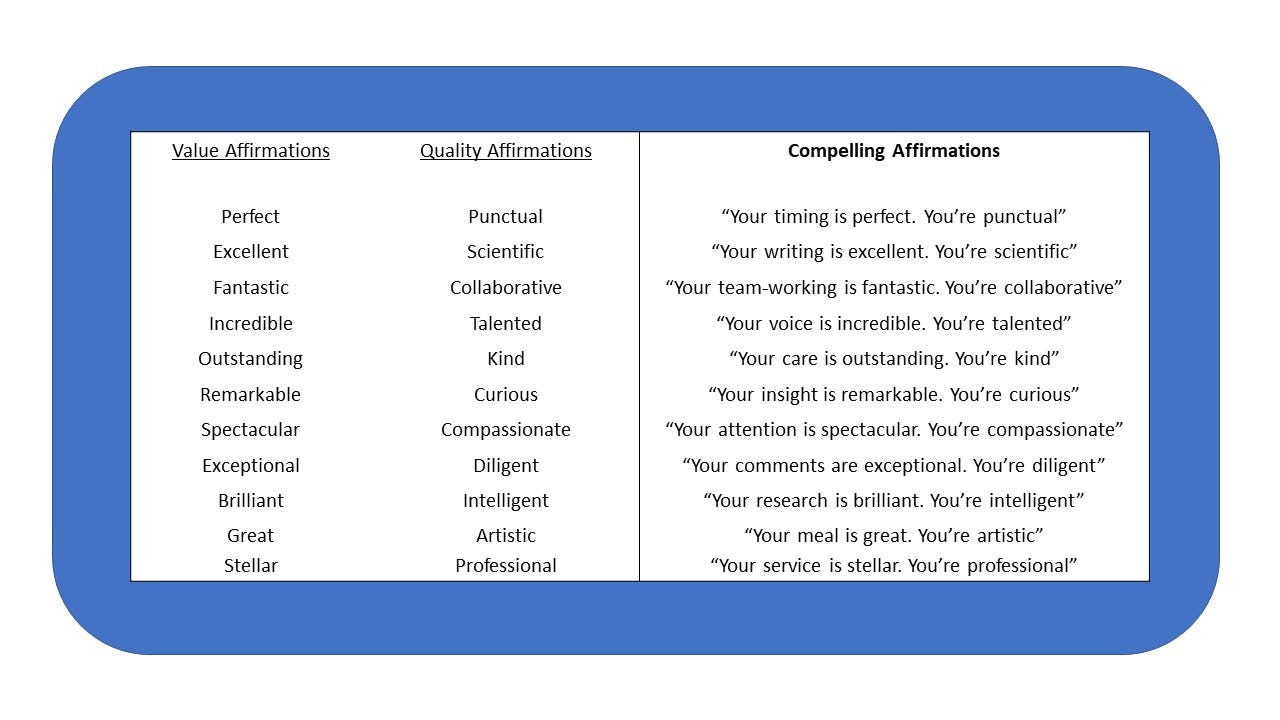
The difference between praise and affirmation is important. Praise is often about approval from the helper: "Good job!" Affirmation is about noticing and naming inner qualities or efforts: "You worked hard to get here even though it was difficult." This subtle shift makes affirmations much more meaningful.
Why Affirmations Matter In Motivational Interviewing
Affirmations are not just a nice extra. They are essential to the MI process. Here’s why they matter:
- Build Trust: When people feel seen and valued, they are more likely to open up and share honestly.
- Increase Self-Efficacy: Many clients doubt their ability to change. Affirmations highlight strengths they might not see in themselves.
- Reduce Resistance: When you focus on the positive, clients feel less judged or pressured.
- Support Change Talk: Affirmations encourage people to talk about their abilities and reasons for change, which is a key part of MI.
Research shows that when affirmations are used well, clients are more likely to stay in treatment, set goals, and make lasting changes. According to studies, even a small number of well-placed affirmations can make a big difference.
The Core Elements Of Effective Affirmations
Not all affirmations are created equal. To be effective in MI, affirmations should include several key elements:
Specificity
Affirmations work best when they are tied to a specific action or quality. Vague statements like "You’re great" do not have much impact. Instead, name the behavior or quality: "You managed to stay calm even when you were frustrated."
Authenticity
People can sense when a statement is not genuine. Affirmations must be honest and based on something real. Never make something up just to sound positive.
Focus On Strengths Or Efforts
Effective affirmations notice strengths, values, or efforts—not just results. For example: "You have been really consistent in coming to our sessions."
Avoiding Personal Judgement
Affirmations are not about the helper’s approval. Avoid phrases like "I am proud of you." Instead, focus on what the client did: "You took an important step by reaching out for support."
How Affirmations Fit Into The Mi Process
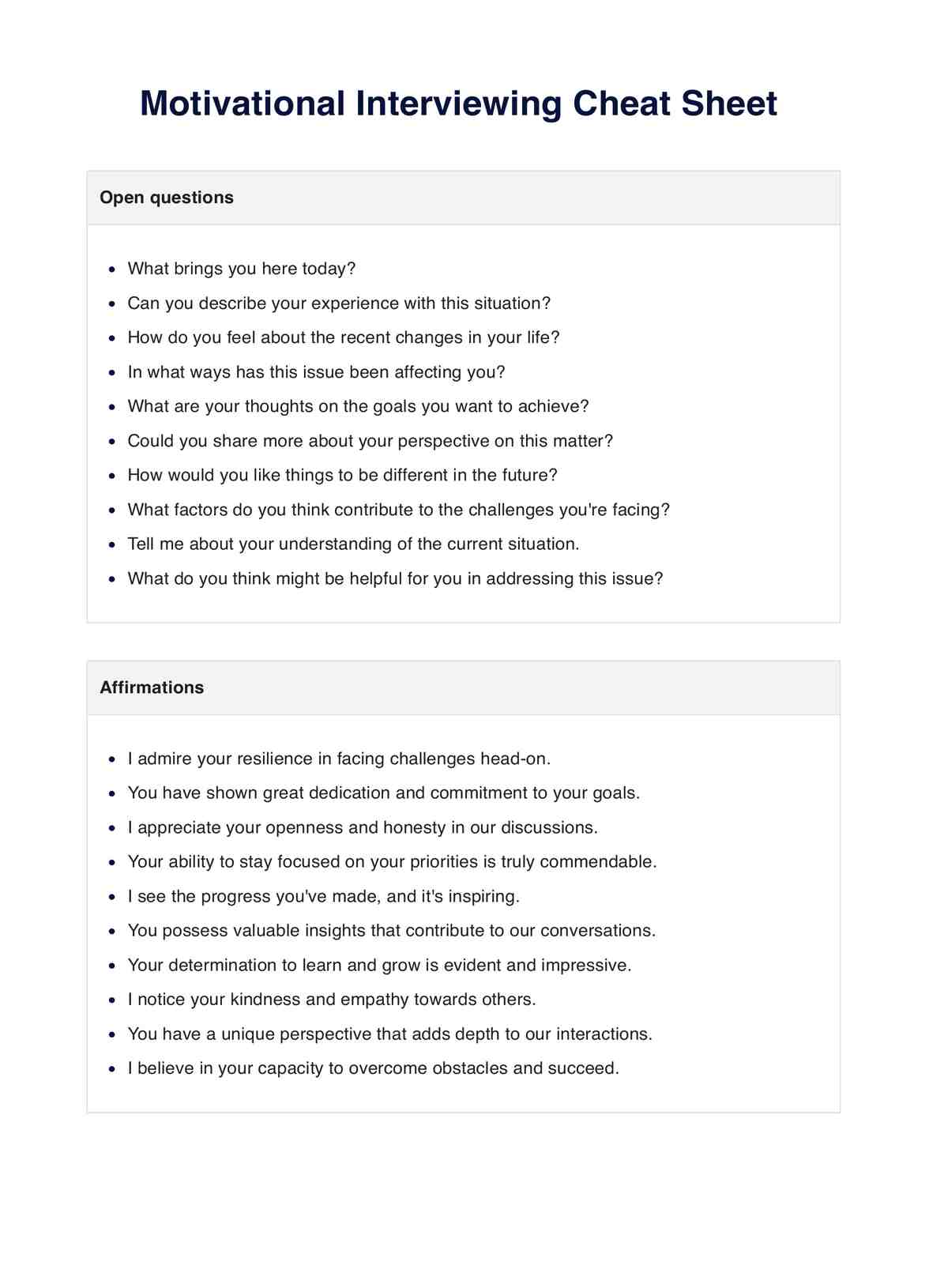
Motivational Interviewing uses a set of core skills called OARS: Open questions, Affirmations, Reflective listening, Summarizing. Affirmations are the ‘A’ in OARS.
In a typical MI session, affirmations are used throughout the conversation. They can help:
- Set a positive tone at the start
- Encourage clients after sharing something difficult
- Reinforce progress, even if it’s small
- Help clients see their own abilities
Affirmations are not just used once or twice. They should be a natural part of the conversation. Overuse can feel forced, but a steady flow of well-placed affirmations creates a supportive environment.
Crafting Good Affirmations: Step-by-step
Some people worry that affirmations will sound awkward or unnatural. Here’s how to craft affirmations that feel real and helpful:
- Listen Actively: Pay close attention to what the client says. Listen for strengths, even if they are small.
- Notice the Effort: Sometimes progress is not about big achievements, but trying hard or staying committed.
- Be Specific: Point to a clear behavior or value. For example, “You made a tough decision to call your doctor today.”
- Use ‘You’ Statements: Keep the focus on the client, not yourself.
- Keep it Brief: Long speeches are not needed. A short, clear statement is enough.
- Be Timely: Give the affirmation soon after noticing the behavior.
Example Affirmations In Mi
- “You clearly care a lot about your family.”
- “You have shown a lot of patience with this process.”
- “You kept going, even when things got hard.”
- “You have been open and honest in sharing your story.”
Notice how these affirmations focus on real qualities or actions. They are not just empty praise.
When And Where To Use Affirmations
Affirmations can be used in many parts of an MI session:
At The Start
Opening with an affirmation can help clients feel welcome and valued. For example: “It takes courage to come here and talk about these things.”
During Difficult Moments
When a client is struggling, an affirmation can help them see their own strength. For example: “You’re still here, working on this, even though it’s tough.”
After Progress
When clients make any progress, affirm it. “You made a plan and stuck to it this week. ”
When Discussing Setbacks
If a client has a setback, affirm their effort to keep going. “You came back today, even after a hard week. That shows commitment. ”
Affirmations can also be used in group settings, written materials, or even text messages as reminders.
Common Mistakes And How To Avoid Them
Even experienced helpers can make mistakes with affirmations. Here are some common errors and how to avoid them:
Being Too Vague
Avoid general statements like “Good job!” Instead, be specific: “You made a real effort to follow your plan.”
Sounding Unnatural
If an affirmation feels forced, it may not have the desired effect. Only affirm what you truly see and believe.
Over-affirming
Too many affirmations can feel fake. Use them naturally, not after every sentence.
Making It About Yourself
Statements like “I’m proud of you” shift the focus away from the client. Always keep the focus on their actions or qualities.
Ignoring Small Efforts
Sometimes clients make tiny steps forward. These are often the most important moments to affirm.
Not Matching The Client’s Values
Affirmations work best when they connect with what the client cares about. For example, if family is important to them, affirm their efforts to support their family.
Advanced Affirmation Techniques
For those who want to go deeper, there are several advanced ways to use affirmations in MI:
Affirming Change Talk
Whenever a client talks about wanting to change, affirm it. For example: “Noticing that you want things to be different takes a lot of honesty.”
Linking Affirmations To Goals
Connect affirmations to the client’s own goals. “You’ve taken a step toward your goal of better health by making that appointment. ”
Using Double-sided Affirmations
If a client is ambivalent, you can affirm both sides. For example: “You care about your friends, and you also want to make healthier choices.”
Affirming Values
When clients express values, affirm them. “You clearly value being a good parent. ”
Using Written Affirmations
Sometimes, writing an affirmation down for the client to take with them can make it more powerful.
Comparing Affirmations With Other Mi Techniques
To understand the unique role of affirmations, it helps to compare them with other MI skills.
| Skill | Main Purpose | Example |
|---|---|---|
| Open Questions | Explore thoughts/feelings | “What made you decide to come today?” |
| Affirmations | Highlight strengths/efforts | “You showed a lot of determination.” |
| Reflections | Show understanding | “It sounds like this is really important to you.” |
| Summarizing | Pull ideas together | “Let me recap what you’ve said so far…” |
Affirmations are unique because they build hope and self-belief. They are not about gathering information or checking understanding, but about encouraging clients to see their own value.
Practical Examples And Case Studies
Seeing affirmations in real-life scenarios makes them easier to use. Here are three examples:
Case 1: Substance Use Recovery
Maria is struggling to cut down her drinking. She says, “I only made it two days this week before I drank again. ”
A helpful affirmation: “Those two days took a lot of effort. It shows you’re trying, even when it’s hard.”
Maria hears that her effort counts, not just the outcome. This helps her feel less discouraged.
Case 2: Weight Loss Journey
Ahmed is trying to lose weight. He feels embarrassed and says, “I only lost one pound. ”
A helpful affirmation: “That one pound shows your actions are making a difference. Small steps add up.”
This shifts the focus from disappointment to progress.
Case 3: Mental Health Support
Jasmine struggles with anxiety and finds it hard to leave her home. She attends a counseling session.
A helpful affirmation: “Coming here today shows a lot of courage. You’re facing your fears.”
Jasmine feels her effort is recognized, which can help her continue.
Common Challenges When Using Affirmations
Many new MI practitioners struggle with using affirmations naturally. Here are some challenges and solutions:
- Worrying About Sounding Fake: Practice helps. Start with small, specific affirmations based on what you truly notice.
- Noticing Only Problems: Train yourself to look for strengths, even in difficult stories.
- Clients Dismissing Affirmations: Some clients may brush off affirmations. Stay consistent, and over time, they may start to accept and believe them.
- Cultural Sensitivity: Some cultures respond differently to direct affirmations. Adjust your language to fit the client’s background.
Data On Affirmations In Motivational Interviewing
Research backs up the power of affirmations in MI. Studies show that affirmations can:
- Increase client engagement by over 20% compared to sessions without affirmations.
- Reduce early drop-out rates in counseling.
- Improve treatment outcomes, especially in addiction and health behavior change settings.
In one study, clients who received at least one meaningful affirmation in a session were more likely to express “change talk” (statements about wanting or planning to change). This is a strong predictor of real behavior change.
Tips For Improving Your Affirmation Skills
Here are some tips to help you get better at using affirmations in MI:
- Practice Active Listening: The more you listen, the more strengths you will notice.
- Use a Strengths List: Keep a list of common strengths (e.g., persistence, honesty, caring) to help spot them in conversations.
- Record and Review: With permission, record practice sessions. Listen for where you could have given an affirmation.
- Get Feedback: Ask colleagues to watch your sessions and suggest where affirmations might fit.
- Keep it Simple: Simple, genuine statements are often the most powerful.
Case Reflection Table: Affirmation Opportunities
Below is a comparison of missed and used affirmation opportunities in sessions.
| Session Situation | Missed Opportunity | Effective Affirmation |
|---|---|---|
| Client attends session after a relapse | No comment or focus on the relapse | “Coming back after a setback shows real commitment.” |
| Client shares a small success | Ignores the success, changes topic | “You made a plan and followed through. That’s progress.” |
| Client expresses doubt about changing | Offers advice or reassurance | “It takes honesty to share those doubts.” |
Reviewing sessions for these moments can help you improve your affirmation skills over time.
Credit: socialwelfare.berkeley.edu
Affirmations In Group Motivational Interviewing
Affirmations are not just for one-on-one sessions. In group MI, affirmations can help members feel supported and build a sense of community.
- Affirm group efforts: “This group has shown a lot of support for each other today.”
- Affirm individual contributions: “You brought a new idea that helped everyone.”
- Encourage peer affirmations: Invite group members to notice each other’s strengths.
Group affirmations should still be specific and genuine. They help create a positive and motivating group atmosphere.
Integrating Affirmations With Other Counseling Approaches
Affirmations can be used alongside other counseling techniques. For example:
- In Cognitive Behavioral Therapy (CBT), affirmations can reinforce new thinking patterns.
- In Solution-Focused Brief Therapy, affirmations can highlight past successes.
- In Coaching, affirmations can encourage clients to keep pursuing their goals.
The key is to stay focused on real strengths and efforts, not just positive thinking.
Addressing Misconceptions About Affirmations
Some people think affirmations are just “saying nice things.” In MI, affirmations are more than that. They are a tool for change. Here are two common misconceptions:
- Affirmations are the same as praise: In MI, affirmations are about recognizing effort or values, not just saying “well done.”
- Affirmations ignore problems: Affirmations do not mean ignoring challenges. They help clients see their own ability to face and overcome difficulties.
Digital Tools And Resources For Learning Affirmations
Technology can help you improve your affirmation skills. Many apps and online courses offer practice scenarios, sample affirmations, and feedback. For detailed training resources, you can visit the Motivational Interviewing Network of Trainers, which provides a wealth of information and practice materials.
Building Affirmation Habits
Making affirmations a natural part of your MI style takes practice. Here’s how to build the habit:
- Set a goal to use at least two affirmations in every session.
- Reflect after each session: What strengths did I notice? Did I affirm them?
- Review affirmation examples regularly.
- Join supervision or peer groups to get ideas and feedback.
Over time, affirming will become more automatic and effective.
Non-obvious Insights For Using Affirmations
Two important points that many beginners miss:
- Affirmations Can Be Non-Verbal: A respectful nod, smile, or attentive body language can sometimes act as an affirmation, especially in cultures where verbal praise is less common.
- Affirmations Can Build Resilience: By regularly affirming small efforts, you help clients recover from setbacks faster. They start to believe that progress is possible, even if it’s slow.
Credit: www.carepatron.com
Measuring The Impact Of Affirmations
It’s helpful to track how affirmations affect your sessions. You can do this by:
- Noting client responses after affirmations (do they open up more? Show more hope?)
- Reviewing session notes to see if more affirmations lead to more “change talk”
- Asking clients what they find helpful in the sessions
Over time, you’ll see patterns and can refine your use of affirmations for greater impact.
Frequently Asked Questions
What Is The Difference Between Affirmation And Praise In Mi?
Affirmation focuses on recognizing a person’s inner strengths or effort, while praise is often about approval from the helper. Affirmations are specific and meaningful, not just “good job” statements.
Can Affirmations Backfire In Motivational Interviewing?
Yes, if used too often, if they are not genuine, or if they do not fit the client’s values, affirmations can feel fake or patronizing. Always keep them real and specific.
How Many Affirmations Should I Use In A Typical Session?
There is no fixed number, but 2-4 well-timed, genuine affirmations in a session are usually effective. More is not always better; quality matters more than quantity.
Are Affirmations Helpful For All Clients?
Most clients benefit from affirmations, but some may be uncomfortable with direct positive statements. Adjust your approach based on the client’s personality and culture.
Can Affirmations Be Used Outside Of Counseling?
Absolutely. Affirmations can help in coaching, teaching, parenting, and even workplace leadership. The key is to be specific, genuine, and focused on real strengths or efforts.
Using affirmations skillfully in motivational interviewing can help clients believe in themselves and make real changes. With practice, you will find your own voice and style, and see the positive results in your work.
Credit: medium.com
