

How Often Do You Say Affirmations for Maximum Results?
How Often Do You Say Affirmations
Many people have heard about the power of affirmations. But a common question is: how often should you actually say them to see results? If you have ever wondered about the best frequency for affirmations, you are not alone. This topic is more complex than it seems. Some people repeat affirmations once a day. Others say them every hour. You may have heard advice to do what “feels good.” But is that really enough? Let’s explore the science, psychology, and practical advice about affirmation frequency, so you can build a routine that truly works for you.
Understanding Affirmations: What Are They?
Affirmations are positive statements that you say to yourself, often out loud or in your mind. The goal is to shape your beliefs, mindset, and actions. For example, saying “I am confident in my abilities” every morning can help you believe in yourself more over time.
These statements can focus on:
- Self-worth (“I am enough”)
- Career success (“I am capable of achieving my goals”)
- Health (“I make healthy choices every day”)
- Relationships (“I deserve love and respect”)
Affirmations are not magic spells. They work through repetition and belief. When you say something enough times, it starts to feel true. Your brain can rewire itself to match the new belief.
Why Frequency Matters With Affirmations
How often you repeat an affirmation makes a big difference. Here’s why:
- Repetition builds belief: Your brain learns through repetition. The more you hear or say something, the more familiar it becomes.
- Consistency strengthens habits: Doing something regularly creates a pattern. If you repeat affirmations daily, they become a habit.
- Timing affects results: Saying affirmations once a month is unlikely to help much. But repeating them often keeps your goals fresh in your mind.
Frequency is important, but so is quality. Mindlessly repeating affirmations will not work as well as saying them with focus and intention.
The Science Behind Affirmations And Repetition
You might wonder if there is real science behind repeating affirmations. Several studies show that self-affirmation can lead to positive changes in attitude, stress levels, and even physical health.
A well-known idea in psychology is neuroplasticity. This means your brain can change and form new connections based on experiences and thoughts. When you repeat positive statements, you help build new pathways in your brain.
A study from Carnegie Mellon University found that people who practiced self-affirmation had lower stress and better problem-solving abilities. Another research showed that daily affirmation practice could improve academic performance and reduce negative self-talk.
Here is a simple comparison of results from some well-known studies:
| Study Focus | Frequency of Affirmation | Reported Outcome |
|---|---|---|
| Stress Reduction | Daily | Lower stress levels |
| Academic Performance | Twice daily | Higher test scores |
| Self-Esteem | Weekly | Modest improvement |
As you can see, more frequent practice often leads to stronger results. But even weekly affirmations can help.
Common Recommendations For Affirmation Frequency
Experts and coaches suggest different routines. Here are some common recommendations:
- Once a day: Many people say affirmations every morning. This helps start the day with the right mindset.
- Twice a day: Some suggest saying affirmations both in the morning and before bed.
- Multiple times daily: For deeper change, some recommend repeating affirmations several times throughout the day.
- Whenever needed: You can also say affirmations during stressful moments or before important events.
But which is best? The answer depends on your goals, lifestyle, and how much you believe in the affirmations.

Credit: www.shopiowa.com
Morning Vs. Evening: When Is The Best Time?
Many people ask if there is a “right” time for affirmations. Is it better to say them in the morning, at night, or both?
Morning Affirmations
- Help set a positive tone for your day
- Can replace negative thoughts with supportive ones before starting work or school
- Easier to build into a routine (like after brushing your teeth)
Evening Affirmations
- Help you reflect on your day with kindness
- Can calm your mind before sleep
- May reinforce beliefs while your brain processes information overnight
Some people benefit from doing both. Here’s a quick comparison:
| Time | Benefits | Drawbacks |
|---|---|---|
| Morning | Sets a positive tone, easy to remember | May be rushed if you’re busy |
| Evening | Helps with relaxation, supports better sleep | Can be skipped if you’re tired |
| Both | Maximizes benefits | Requires more commitment |
How Many Times Should You Repeat Each Affirmation?
It’s not just about how often you say affirmations, but also how many times you repeat each one during a session. Here are some typical suggestions:
- 3-5 times: Good for beginners. This feels manageable and helps build the habit.
- 10 times: Many self-help books recommend repeating an affirmation 10 times for deeper impact.
- 20+ times: For very strong beliefs or big goals, some people repeat affirmations 20 times or more.
There is no perfect number, but the key is to say them slowly and focus on the meaning each time.
Daily, Weekly, Or Monthly: What Works Best?
If you are starting out, you might wonder if you need to do affirmations every day or if weekly is enough. Let’s look at the pros and cons.
Daily Affirmations
- Build habits faster
- Keep positive thoughts fresh
- Work best for changing deep beliefs
Weekly Affirmations
- Easier for busy people
- Can still be helpful for smaller goals
Monthly Affirmations
- Not recommended for real change
- Too little repetition for most people
Most experts agree: daily practice brings the best results for most people. But if you can only do weekly, it is still better than nothing.
How Long Does It Take To See Results?
Many people start affirmations and feel discouraged if they do not see results right away. But change takes time. Here’s what to expect:
- After one week: You may notice small shifts in your mood or thoughts.
- After one month: Old beliefs may start to change. You might feel more confident or positive.
- After three months: Affirmations can become part of your thinking. You may act differently in daily life.
The more often you say affirmations, the faster you may see results. But patience is key. Everyone’s mind is different.
Personalizing Your Affirmation Frequency
What works for one person may not work for another. Here’s how to find your ideal frequency:
- Start with daily affirmations. This is the most common and effective approach.
- Adjust based on your feelings. If you feel overwhelmed, reduce the frequency. If you want faster results, try twice a day.
- Notice your motivation. If you start to lose interest, try changing the time, place, or affirmation itself.
- Experiment. Try different frequencies for a week or two. Notice how you feel and what changes.
The Role Of Intention And Emotion
Simply repeating words without feeling will not help much. Affirmations work best when you:
- Say them with emotion. Feel the words as if they are true.
- Picture the result. Visualize yourself living the affirmation.
- Believe in possibility. Even if you do not fully believe yet, be open to change.
Repeating affirmations often is good, but connecting with them emotionally is even better.
Common Mistakes With Affirmation Frequency
Many people fall into traps that limit the power of affirmations. Here are some mistakes to avoid:
- Saying affirmations too rarely. Once a week is usually not enough.
- Repeating affirmations mindlessly. If you are not focused, your brain will not change.
- Changing affirmations too often. Stick with the same ones for at least a few weeks.
- Giving up too soon. Real change takes time and repetition.
It’s also common to pick affirmations that feel too unrealistic. For example, saying “I am rich” if you are struggling financially can feel fake. Start with statements you can partly believe, like “I am becoming better with money. ”
Advanced Tips For Maximizing Affirmation Results
If you want to get the most from your affirmation practice, try these strategies:
- Write them down. Writing affirmations by hand can reinforce them in your mind.
- Use reminders. Set phone alerts or sticky notes to remind yourself to repeat affirmations.
- Pair with habits. Link affirmations to daily habits, like brushing your teeth or making coffee.
- Say them in front of a mirror. Looking at yourself can make affirmations more powerful.
- Record and listen. Make a voice recording of your affirmations and play it back during the day.
These extra steps can help keep affirmations fresh and effective, especially if you want to repeat them often.
Should You Say Different Affirmations At Different Times?
Some people use the same affirmation every day. Others switch depending on their needs. Here’s how to decide:
- Same affirmation: Builds a strong, single belief. Good for major goals.
- Different affirmations: Addresses many parts of your life (health, relationships, work).
You can also create a “rotation. ” For example, use one affirmation for a week, then switch to another. Or have a morning affirmation for confidence and an evening one for gratitude.
Group Vs. Solo Affirmation Practice
Do you have to do affirmations alone, or is it okay in groups? Both options have benefits.
- Solo practice: Lets you focus deeply on your own needs and beliefs.
- Group practice: Can boost motivation and accountability. Saying affirmations with family, friends, or coworkers can create positive energy.
Some workplaces and schools even start meetings with group affirmations. This can set a positive tone and help everyone feel united.
Combining Affirmations With Other Techniques
Affirmations work best when combined with other positive practices. Some popular combinations include:
- Meditation: Start or end meditation with affirmations.
- Visualization: Picture your goals while saying affirmations.
- Journaling: Write about your progress and reflect on the changes you notice.
- Gratitude practice: Pair affirmations with statements of thanks for what you already have.
Research shows that combining these practices can lead to deeper and faster change. For example, students who used both affirmations and visualization improved their performance more than those using affirmations alone (NIH Study).
How To Track Your Progress
Keeping track of your affirmation practice helps you stay motivated and see real results. Here are some simple ways:
- Affirmation journal: Write down which affirmations you say each day and how you feel afterward.
- Mood tracking apps: Log your mood before and after saying affirmations.
- Monthly review: Reflect on changes in your thoughts, emotions, and actions.
Here’s a sample template you can use in your journal:
| Date | Affirmation Used | Frequency | Mood Before | Mood After | Notes |
|---|---|---|---|---|---|
| 05/01 | I am confident | 2 times | Anxious | Calmer | Felt more relaxed |
| 05/02 | I am worthy | 1 time | Neutral | Positive | Smiled after |
Over time, you can spot patterns and see which affirmations and frequencies work best.
Special Considerations: Age, Culture, And Personality
Not everyone responds to affirmations in the same way. Some factors that can affect how often you should say them include:
- Age: Children may benefit from shorter, simpler affirmations and more frequent repetition. Adults can handle more complex statements.
- Culture: Some cultures are more open to self-talk and positive thinking. In others, it may feel strange or uncomfortable at first.
- Personality: If you are naturally skeptical, you may need to repeat affirmations more often to see change. If you are optimistic, even a little practice can help.
Try to adapt your affirmation routine to fit your background and personality. What works for someone else may not be ideal for you.
Examples Of Effective Affirmation Schedules
Need ideas for building your own routine? Here are some real-world examples:
The Simple Starter
- Say 3 affirmations every morning after waking up.
- Repeat each one 3 times.
- Total time: 2 minutes.
The Balanced Routine
- Morning: Say 5 affirmations (repeat each 5 times).
- Evening: Reflect and say 2 affirmations before bed.
- Total time: 5-7 minutes.
The Intensive Approach
- Morning, midday, and evening sessions.
- 10 different affirmations, each repeated 10 times.
- Use reminders to stay on track.
- Total time: 15-20 minutes.
You can mix and match these ideas or create your own schedule based on your needs.

Credit: debratrappen.com
How To Stay Motivated With Regular Affirmation Practice
Keeping up with affirmations can be hard, especially if you do not see quick results. Here are some tips to stay motivated:
- Set reminders on your phone or calendar.
- Join a community or find an “affirmation buddy.”
- Track your progress in a journal.
- Celebrate small changes in your thoughts or actions.
- Change up your affirmations if they start to feel stale.
Motivation can fade, but habit keeps you going. Even if you miss a day, just start again.
Two Non-obvious Insights For Affirmation Success
- Timing Matters More Than You Think: Research shows that the brain is more open to new ideas right after waking up and just before falling asleep. These times are called “hypnagogic states.” Saying affirmations during these moments can make them stick better, even if you only do it once a day.
- Less Can Be More: Repeating the same affirmation too many times in one session can make your brain tune out. It’s better to say an affirmation a few times with real emotion than to repeat it 100 times on autopilot.
Frequently Asked Questions
What Is The Ideal Number Of Times To Say An Affirmation Each Day?
Most experts suggest saying affirmations at least once or twice a day. Repeating each affirmation 3-10 times per session is a good starting point. The key is consistency and focus, not just the number of repetitions.
Can I Say Too Many Affirmations In One Day?
Yes, saying too many different affirmations can overwhelm your mind and reduce their impact. It’s better to focus on a few key areas and repeat those affirmations with intention.
Do Affirmations Work If I Only Think Them Silently?
Yes, silent affirmations can still be effective. However, saying them out loud or writing them down usually makes them more powerful because they engage more senses.
How Long Should I Continue Using The Same Affirmation?
Stick with the same affirmation for at least a few weeks. This allows time for your mind to adjust and for new beliefs to take hold. If you feel a strong shift or if the affirmation no longer fits your goal, you can then update it.
What If I Don’t Believe My Affirmation At First?
It’s normal not to fully believe an affirmation when you start. Try to choose statements that feel possible, even if they are a stretch. Over time, as you repeat them, your belief will grow.
Saying affirmations is a simple but powerful tool for changing your mindset. The right frequency depends on your goals, schedule, and personal style. With regular practice, patience, and a little creativity, you can find a rhythm that works for you and brings real, lasting change to your life.
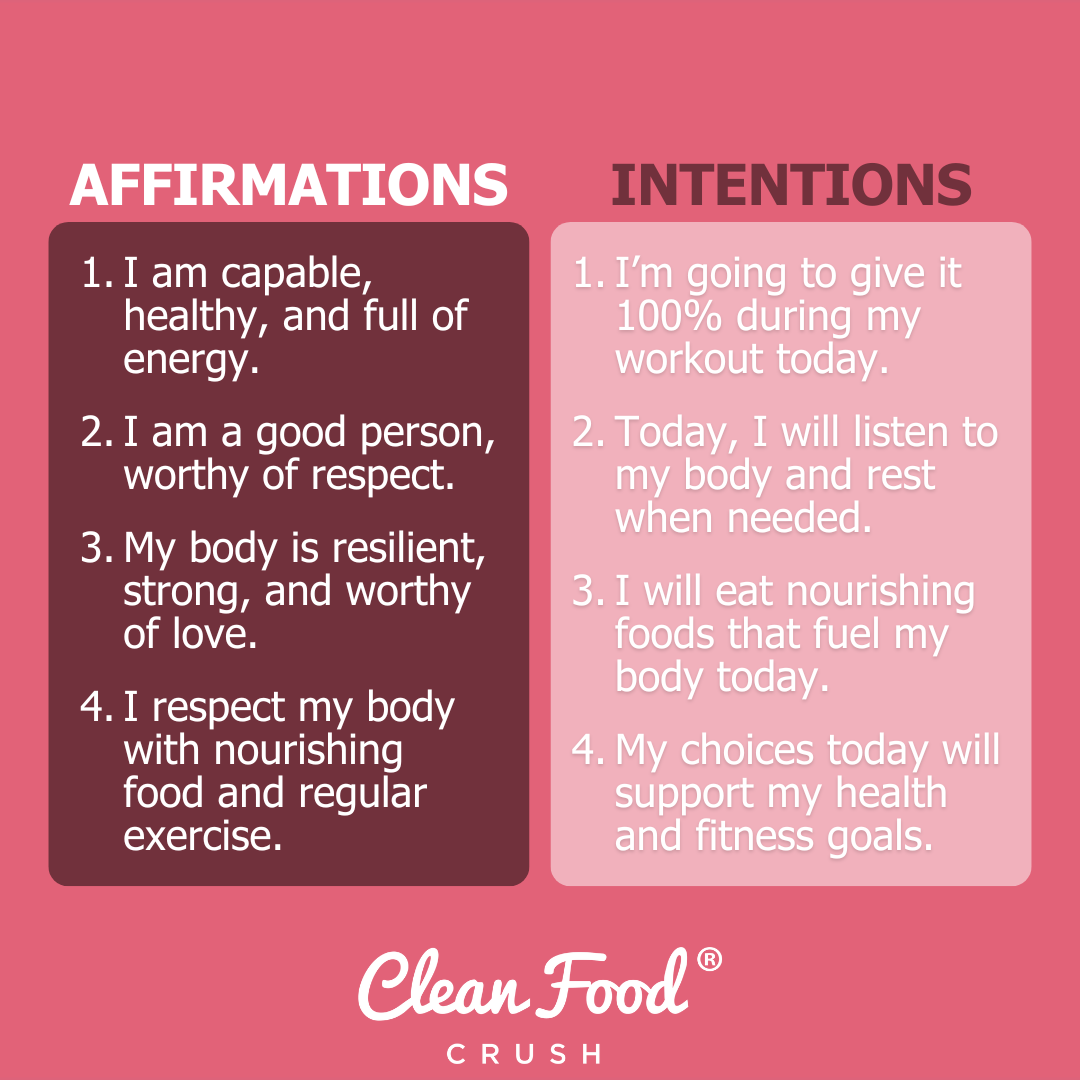
Credit: cleanfoodcrush.com
