

Can You Repeat Affirmations in Your Head for Real Results?
Can You Repeat Affirmations In Your Head
Sometimes, we all wish to change something about ourselves. Maybe you want more confidence, better health, or a calmer mind. Many people use affirmations—positive statements repeated to encourage change. But do you need to say affirmations out loud, or is repeating them in your head just as effective? This question matters for those who want to practice affirmations at work, in public, or quietly at home.
This article explores if and how you can repeat affirmations silently. We’ll look at science, psychology, and practical tips. You’ll find out when it’s best to think affirmations, how your brain responds, and how to make silent affirmations powerful. You’ll also see common mistakes, get expert advice, and discover real examples.
By the end, you’ll know exactly how to use mental affirmations for real results—even if you’re a complete beginner.
What Are Affirmations?
Affirmations are short, positive statements that you repeat to yourself to change your mindset or behavior. They’re used in self-help, therapy, sports, and even business. The goal is to replace negative thoughts with positive ones, making your mind believe in new possibilities.
For example, someone who often feels anxious might repeat, “I am calm and in control. ” Over time, this statement can help shape how they react to stressful situations.
There are many types of affirmations:
- Self-esteem affirmations (“I am worthy of respect.”)
- Health affirmations (“I take care of my body every day.”)
- Success affirmations (“I am attracting great opportunities.”)
- Relationship affirmations (“I am surrounded by love.”)
Affirmations work best when they’re:
- Short and specific
- Present tense (not future: “I am healthy,” not “I will be healthy”)
- Personal and meaningful to you
How Affirmations Work In The Brain
Repeating affirmations, even in your head, can change your brain’s patterns. This is called neuroplasticity—the brain’s ability to reorganize itself by forming new connections.
Research shows that when you think or say positive statements, your brain’s reward systems activate. This can make you feel more motivated and less anxious. A famous study using MRI scans found that self-affirmation activates the ventromedial prefrontal cortex—an area linked to self-reflection and value processing.
When you repeat affirmations, your brain starts to accept these ideas as reality. Over time, this can reduce self-doubt and negative thinking. It’s not magic, but it is real science.
Saying Affirmations Out Loud Vs. In Your Head
Many people wonder: Do you have to say affirmations out loud? Or can you just think them? Let’s compare.
| Method | Pros | Cons |
|---|---|---|
| Saying Out Loud | - Stronger emotional impact - Involves hearing and speaking - Good for focus |
- Not always possible in public - Can feel awkward - May distract others |
| In Your Head (Silently) | - Discreet and private - Can do anywhere - Good for meditation or before sleep |
- Easier to lose focus - Less sensory involvement - May feel less powerful for some |
Both ways have benefits. If you’re shy or in a quiet place, repeating affirmations in your head is a great choice. If you want a stronger effect, try saying them out loud when you can.
The Science Behind Silent Affirmations
You might think that silent affirmations are weaker, but science says otherwise. When you repeat words in your mind, your brain still lights up as if you’re speaking. This is called subvocalization—the silent speech process your mind uses to “hear” words you’re thinking.
One study found that silently rehearsing positive statements can:
- Lower stress levels
- Increase self-confidence
- Improve focus and motivation
Another interesting fact: Silent repetition is the core of many meditation and mindfulness practices. This shows that your mind doesn’t need to hear your voice to create change. The key is attention—the more present you are, the stronger the effect.

Credit: tiffanywoodfield.com
When Should You Repeat Affirmations In Your Head?
There are times when repeating affirmations in your head is not just useful—it’s the best option. Here are common situations:
- In Public Places: On the bus, in meetings, or at school.
- Before Sleep: When your mind is quiet and relaxed.
- During Stressful Moments: Before an interview or during a tough conversation.
- While Meditating: To focus your thoughts.
- First Thing in the Morning: Before you even get out of bed.
Silent affirmations help you practice anytime, anywhere. You don’t need privacy or a special room—just your mind.
How To Repeat Affirmations In Your Head Effectively
Thinking affirmations is simple, but doing it effectively takes practice. Here are steps to make mental affirmations work:
1. Choose The Right Affirmation
Pick a statement that feels true or possible. If “I am successful” feels too far from your current reality, try “I am learning to succeed. ” The best affirmations are believable and personal.
2. Find A Quiet Moment
Although you can repeat affirmations anywhere, a calm moment helps. This can be before bed, during a break, or right after waking up.
3. Focus On The Words
Don’t rush. Imagine each word clearly in your mind. If you get distracted, gently bring your attention back.
4. Visualize The Meaning
Picture yourself living the affirmation. For “I am confident,” see yourself speaking up in a meeting or walking tall. Visualization makes the idea stronger.
5. Repeat Slowly
Go over the statement several times. Around 5–10 repetitions work well. Quality is more important than quantity.
6. Feel The Emotion
Try to connect with the feeling. If you say “I am calm,” breathe slowly and relax your body. Emotions help the brain accept the idea.
7. Make It A Habit
Practice at the same time each day. This builds a mental routine.
Expert Tip: It’s better to repeat affirmations with full attention for one minute than to rush through them mindlessly for ten.
Common Mistakes With Silent Affirmations
Many beginners miss a few key details. Here’s what to avoid:
- Choosing Unrealistic Statements: If your affirmation is too far from reality, your mind may resist. Adjust the statement to something you can believe.
- Repeating Without Focus: Mindlessly thinking the words won’t work. You need attention.
- Expecting Instant Results: Change takes time. Affirmations are a long-term practice.
- Negative Language: Avoid words like “not” or “never.” Say “I am peaceful” instead of “I am not anxious.”
- Repeating Too Many at Once: Start with one or two, not ten. Too many confuse your focus.
A non-obvious insight: Silently repeating negative statements (“I am always late,” “I can’t do this”) is also an affirmation—just a harmful one. Watch your everyday self-talk.
How Many Times Should You Repeat Affirmations In Your Head?
There’s no magic number, but experts suggest:
- 5–10 times per session for beginners
- Several short sessions a day, not one long session
Research shows that consistency is more important than quantity. It’s better to do a few focused repetitions every day than many at once and then stop.
Some people like to tie affirmations to daily routines, such as:
- While brushing your teeth
- During a walk
- Before starting work
This turns affirmations into a natural part of your life.
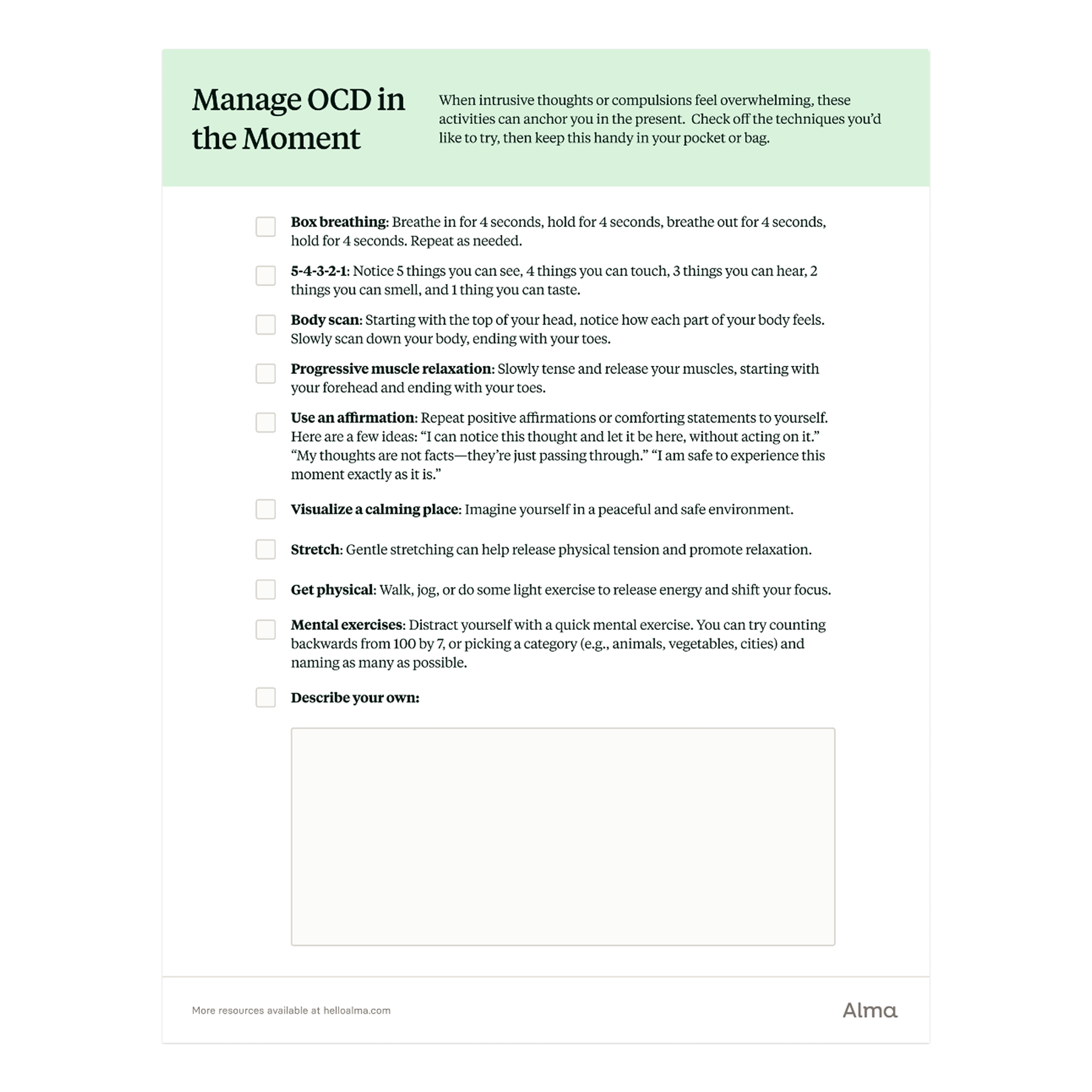
Credit: helloalma.com
Real-life Examples: Silent Affirmations In Action
Many high performers use silent affirmations. Here are some examples:
- Athletes: Before a big game, a runner might think, “I am strong and ready,” visualizing crossing the finish line.
- Public Speakers: Backstage, someone might repeat, “I am calm and clear,” to steady their nerves.
- Students: Before a test, “I remember everything I have studied,” to boost confidence.
- Parents: During stressful moments, “I am patient and loving.”
One famous tennis player shared that before each serve, he repeats a calming phrase in his mind. This helps him focus, even in front of thousands of people.
Silent Affirmations And Meditation
Meditation and affirmations blend well. Many meditation styles use mantras—words or phrases repeated in the mind. This is the same as silent affirmations.
Benefits include:
- Deep relaxation
- Better concentration
- Stronger emotional control
For example, some people repeat “I am enough” while meditating. Over time, this can reshape self-belief at a deep level.
Can You Combine Silent And Out-loud Affirmations?
Yes, and it’s often more powerful. Here’s how you might use both:
- Start silently in your head when you wake up.
- Say them out loud when alone, such as in the shower or car.
- Switch back to silent in public or stressful moments.
Combining methods uses more senses and keeps the practice flexible. The key is to choose what feels most natural in each situation.
The Role Of Visualization With Silent Affirmations
Visualization means picturing the outcome in your mind as you repeat affirmations. This supercharges the effect.
For example, if your affirmation is “I am confident,” imagine yourself:
- Walking into a room with your head high
- Speaking clearly in a meeting
- Smiling and making eye contact
Research shows that visualization activates the same brain areas as real experiences. So, pairing mental images with silent affirmations can make change happen faster.
How Long Does It Take To See Results?
Results depend on:
- Your starting beliefs
- The strength of your focus
- How often you practice
Some people notice small shifts in days. For deep changes, it often takes weeks or months. The key is patience and consistency.
A non-obvious tip: Sometimes, you’ll feel resistance—your mind may argue back (“This isn’t true”). That’s normal. It means you’re challenging old beliefs. Stick with it, and the resistance will fade.
Are Silent Affirmations Enough For Real Change?
Affirmations alone are helpful, but not magic. They work best with action. For example:
- Affirm: “I am healthy and active.”
- Then: Take small steps toward healthier habits.
Affirmations prepare your mind to change. Action creates real-world results. Together, they are very powerful.
Myths About Silent Affirmations
Let’s clear up some common myths:
- You must say them out loud, or they don’t work: False. Thinking affirmations can be just as effective if you focus.
- Results are instant: No. Change takes time and practice.
- Affirmations are just wishful thinking: Not true. Science shows they reshape the brain’s pathways and can influence real behavior.
- You can’t use affirmations if you’re skeptical: Actually, even skeptics can benefit if they practice regularly.
- Only positive people succeed with affirmations: Anyone can use them, even if you’re struggling or feeling negative.
Silent Affirmations For Different Goals
Affirmations can target almost any area of life. Here are some examples, with tips for making them effective.
Confidence
- “I trust myself.”
- “I am comfortable in my own skin.”
Tip: Imagine a situation where you need confidence and repeat the affirmation as if you’re there.
Health
- “My body is strong and healthy.”
- “I choose nourishing foods.”
Tip: Repeat silently while exercising or preparing meals.
Relationships
- “I communicate with love and respect.”
- “I am attracting positive people.”
Tip: Use during stressful interactions or before meeting new people.
Stress Relief
- “I am calm and relaxed.”
- “I let go of what I can’t control.”
Tip: Pair with slow breathing for a calming effect.
Success
- “Opportunities come to me easily.”
- “I am focused and productive.”
Tip: Repeat at the start of your workday.
Do Silent Affirmations Work For Everyone?
Most people can benefit, but results vary. Some may need to adjust statements or practice longer. If you have deep negative beliefs, consider combining affirmations with therapy or counseling.
Common challenge: Some people find their inner critic is loud and negative. If this happens, try starting with softer affirmations (“I am open to feeling better”) rather than bold statements.
Comparing Effectiveness: Silent Vs. Out-loud Affirmations
Let’s look at how each method works for different types of people.
| Personality Type | Silent Affirmations | Out-Loud Affirmations |
|---|---|---|
| Introverts | Comfortable, private, easy to practice daily | May feel awkward, less likely to stick with it |
| Extroverts | Useful in public or busy places | May enjoy the energy of speaking out loud |
| Highly Stressed | Quick calming, can use anytime stress rises | Helpful but may not always be possible |
| People in Shared Spaces | Discreet, no one notices | May disturb others, less practical |

Credit: ahead-app.com
How To Know If Your Silent Affirmations Are Working
Watch for these signs:
- You notice more positive self-talk throughout the day.
- You feel calmer in stressful situations.
- You start taking small actions that fit your affirmations.
- Old negative thoughts pop up less often.
- People around you notice changes in your attitude.
Change is often gradual. Journaling can help you track shifts over time.
Making Silent Affirmations Part Of Your Daily Routine
To build a strong habit:
- Tie affirmations to an existing habit: For example, repeat them while making coffee or before bed.
- Set reminders: Use phone alarms or sticky notes to prompt you.
- Practice at set times: Morning and night work well for most people.
- Keep a journal: Write down which affirmations you used and any changes you notice.
Small, steady practice is more effective than bursts of effort.
What If You Get Distracted?
It’s normal to lose focus, especially at first. Here’s how to handle it:
- Gently return your attention to the affirmation.
- Try repeating a single word (“Calm,” “Focus”) to reset.
- If your mind is busy, use short sessions (even 30 seconds counts).
With time, your focus will improve.
Combining Silent Affirmations With Other Tools
Affirmations work even better with:
- Visualization: Picture the outcome you want.
- Breathing exercises: Slow breaths while repeating affirmations calm your body.
- Journaling: Write your affirmation and any feelings or progress.
- Physical reminders: A bracelet or stone can remind you to practice.
- Mindfulness: Notice when negative thoughts appear, and replace them with your affirmation.
Stacking tools makes your mental routine stronger.
Silent Affirmations: Insights Beginners Miss
Here are two powerful points many people overlook:
- Your inner voice is always affirming something—positive or negative. Even if you’re not “doing affirmations,” your self-talk shapes your reality. Learn to listen and gently shift negative patterns.
- Timing matters. The brain is especially open to new ideas when waking up, falling asleep, or during relaxed states. Practicing silent affirmations during these times can make them more effective.
Can You Repeat Affirmations In Your Head While Doing Other Tasks?
Yes, especially with simple or repetitive tasks like walking, cleaning, or showering. However, for complex tasks (like reading or working), it’s better to focus fully on one thing at a time.
Some people use affirmations as a background habit—thinking positive phrases during routine activities. This helps rewire your mind without extra time.
What Science And Experts Say
Many psychologists and neuroscientists agree: mental repetition is a powerful tool for change. Studies show that both out-loud and silent affirmations can reduce stress, improve well-being, and build new habits.
For example, a study in the journal Social Cognitive and Affective Neuroscience found that self-affirmation activates brain regions related to self-processing and positive valuation, even when done silently.
If you want to read more about the science of affirmations, see this Wikipedia article.
Frequently Asked Questions
Can I Repeat Affirmations In My Head, Or Must I Say Them Out Loud?
You can absolutely repeat affirmations in your head. The key is focus and belief, not volume. Silent repetition works well for most people, especially in public or quiet places.
How Many Times Should I Repeat Affirmations In My Head Each Day?
Start with 5–10 repetitions per session and aim for several short sessions daily. Consistency is more important than the total number.
What If I Feel Silly Or Fake While Repeating Affirmations?
Feeling awkward is normal at first, especially if the statement feels new. Choose affirmations that feel believable, and remember that practice builds comfort. Over time, the awkwardness fades.
Do Silent Affirmations Work For Children Or Teenagers?
Yes. Children and teens can use silent affirmations, especially during stressful times like tests or social events. Keep statements simple and positive.
Can I Use Silent Affirmations To Break Bad Habits?
Affirmations can support breaking bad habits, but they work best with real actions. For example, repeat “I make healthy choices” while also changing your environment to remove temptations.
If you use silent affirmations with focus and patience, they can be a powerful tool for change—no matter where you are or what your goals may be.
