

Affirmation Vs Confirmation: Key Differences Explained Simply
Affirmation Vs Confirmation: Key Differences, Uses, And Misconceptions
Understanding the difference between affirmation and confirmation can help you communicate more clearly in daily life, work, and even personal growth. These two terms often sound similar, but they serve different roles. Sometimes, using the wrong word can cause confusion or even change the meaning of what you want to say. Many people, especially non-native English speakers, mix them up. Let’s explore what each one means, how they are used, and why knowing the difference matters.
What Is Affirmation?
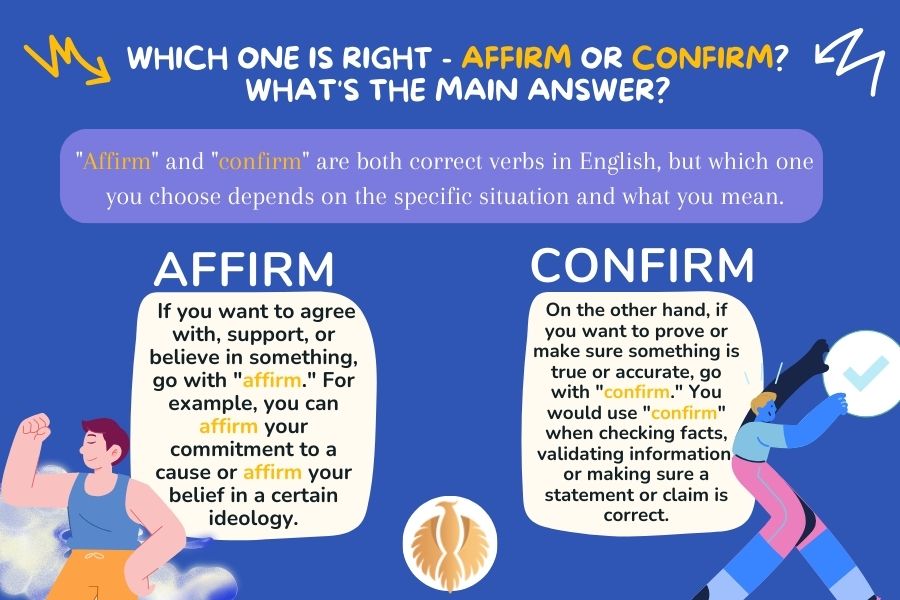
The word affirmation comes from the verb “affirm,” which means to state something positively, to declare it as true, or to support and encourage. People use affirmations in different ways. Sometimes, it’s a simple “yes” to a question. Other times, it’s a statement used to boost confidence or reinforce beliefs.
For example, if someone says, “I am capable of learning new things,” this is an affirmation. It’s a positive statement that helps shape the way a person thinks about themselves. In many self-help and motivational circles, affirmations are used daily to build self-esteem.
Affirmations are also common in legal, religious, and official settings. In a court, a witness may make an affirmation instead of an oath. This is a formal promise to tell the truth.
Key Features Of Affirmation
- Positive statement: It declares something as true or supports an idea.
- Personal or public: Can be spoken to oneself or to others.
- Purpose-driven: Often used to encourage, support, or motivate.
Examples Of Affirmation
- “You did a great job on that project.”
- “I am strong and resilient.”
- In court: “I solemnly affirm to tell the truth.”
Affirmations are not just about repeating positive words. They are about creating a mindset and supporting beliefs, whether for yourself or someone else.
What Is Confirmation?
Confirmation is about checking, verifying, or proving that something is true. It comes from the verb “confirm,” which means to establish the truth or correctness of something.
When you receive confirmation, you are not just hearing a positive statement. Instead, you are getting proof or evidence that something is real or has happened. For example, if you buy a ticket online, you get a confirmation email. This email proves your purchase.
Confirmation is important in many areas: business, science, religion, and daily life. It helps reduce doubts and gives certainty.
Key Features Of Confirmation
- Verification: It checks or proves if something is true.
- Evidence-based: Often involves documents, emails, or other proof.
- Removes doubt: Gives assurance or final approval.
Examples Of Confirmation
- Getting an email after booking a hotel.
- A scientist repeating an experiment and getting the same result.
- A supervisor signing off on completed work.
Confirmation is usually more formal and relies on facts or evidence, not just positive words.
How Affirmation And Confirmation Differ
Both terms are about truth, but their focus and use are very different. Let’s compare them side by side for clarity.
| Aspect | Affirmation | Confirmation |
|---|---|---|
| Meaning | Positive declaration or support | Proof or verification of truth |
| Purpose | Encourage, support, declare | Check, prove, assure |
| Evidence | No need for evidence | Requires proof |
| Example | “You can do it!” | Booking receipt email |
Affirmation is about stating something, while confirmation is about proving it.
Uses Of Affirmation In Real Life
Affirmations are powerful tools for personal development and communication. Here are some common uses:
Personal Growth
Many people use daily affirmations to change their mindset. For example, someone struggling with self-doubt might say, “I am confident and worthy. ” Over time, repeating this can reshape how they think about themselves.
Encouragement And Support
Affirmations are also used to uplift others. Teachers, managers, or parents often affirm someone’s abilities to motivate them. For example, “I believe in your potential. ”
Spiritual Or Religious Practices
In some faith traditions, affirmations are used as prayers or blessings. They reinforce beliefs and values.
Legal Statements
In legal contexts, an affirmation is a formal promise, similar to an oath but without religious language.
Non-obvious Insight
Beginners often overlook that affirmations must be believable to be effective. If you say something too unrealistic, your mind may reject it. For example, “I will be a millionaire tomorrow” is less effective than “I am improving my financial skills.”
Uses Of Confirmation In Real Life
Confirmation has a wide range of uses, most linked to verifying facts or actions.
Business And Transactions
When you book a flight, hotel, or event, you get a confirmation message. This is your proof.
Science And Research
Scientists need confirmation that their experiments work. If results are repeated, they are confirmed.
Education
Teachers may confirm a student’s understanding by asking questions or giving tests.
Religion
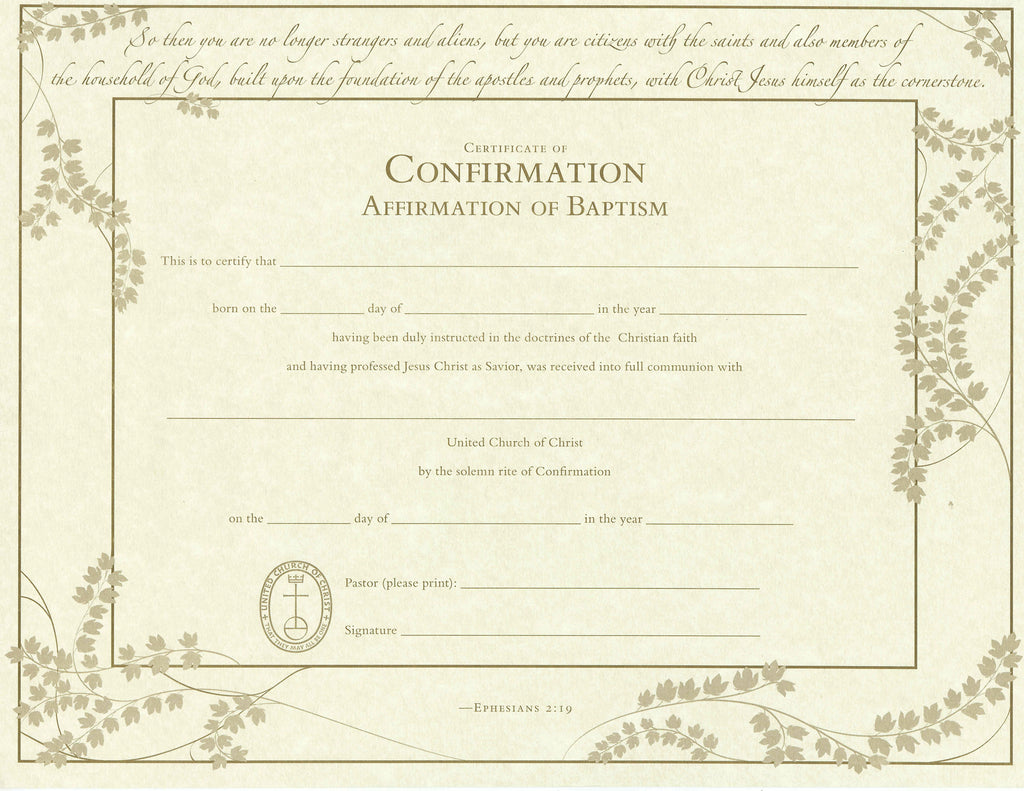
In many religions, confirmation is a special ceremony or rite that marks a person’s acceptance or new status in the faith.
Non-obvious Insight
A common mistake is assuming that a verbal “yes” is enough for confirmation. In business, always ask for written or official confirmation to avoid confusion or disputes.
Key Differences In Everyday Communication
Many language learners and even native speakers mix up these words, especially in emails or formal messages. Here’s how to use them correctly:
- If you want to encourage or motivate, use affirmation.
- If you need proof or verification, ask for confirmation.
For example, when inviting someone to a meeting:
- Wrong: “Please affirm your attendance.”
- Right: “Please confirm your attendance.”
The first asks for a positive statement, the second asks for proof.
Common Situations: Which One To Use?
Let’s look at some everyday cases where people get confused.
Making A Reservation
You book a table at a restaurant. You want the restaurant to guarantee your spot.
- Correct: “Can I get a confirmation of my booking?”
Supporting A Friend
Your friend feels nervous about an interview. You want to encourage them.
- Correct: “You will do great! I believe in you.” (Affirmation)
Email Communication
In business, clarity is key. If you need someone to verify a detail, use “confirm.”
- “Can you confirm receipt of my documents?”
If You Want To Encourage A Team Member, Use “affirm.”
- “I want to affirm your dedication to this project.”
| Situation | Affirmation | Confirmation |
|---|---|---|
| Making a booking | No | Yes |
| Encouraging someone | Yes | No |
| Legal declaration | Yes | Sometimes |
| Proof of action | No | Yes |
The Role Of Affirmation In Self-development
Affirmations are not just words. They can change your inner beliefs and, over time, your actions. Many psychologists and coaches recommend using affirmations to:
- Build confidence
- Overcome fear
- Set a positive mindset
But not all affirmations work the same. To be effective:
- Keep them positive: Say what you want, not what you don’t want.
- Make them specific: “I am becoming more organized each day.”
- Repeat regularly: Consistency matters more than the number of words.
- Connect with real goals: Link affirmations to things you can act on.
A practical tip: Write your affirmation and put it where you see it daily. This helps your mind accept it as true.
The Role Of Confirmation In Decision-making
Confirmation is key when you need to move from “I think” to “I know. ” In work, science, and daily life, decisions often need confirmation.
For example, in healthcare, a doctor may suspect a diagnosis but waits for test confirmation before treatment. In business, a manager may need confirmation of a payment before shipping products.
Two things people often miss:
- Not all confirmation is equal: Some confirmations are stronger. A signed contract is better than a verbal promise.
- Delaying confirmation can cause problems: Waiting too long for confirmation can lead to missed opportunities or errors.
Psychological Impact: Affirmation Vs Confirmation
Both concepts affect how we think and feel, but in different ways.
Affirmation And Self-belief
When you receive or give affirmation, it can boost your self-esteem. Positive statements help people feel valued and motivated.
Research shows that people who use positive affirmations regularly are often better at handling stress and setbacks. However, if the affirmation feels fake or forced, it can have the opposite effect.
Confirmation And Security
Confirmation provides a sense of security and certainty. When you get confirmation, you know where you stand. This is important for trust in relationships, business, and even daily planning.
For example, imagine waiting for a friend at a cafe. If they confirm they are coming, you feel secure. If not, you may feel uncertain.

Credit: www.oreilly.com
Affirmation And Confirmation In Different Fields
Both terms are used in many areas, but the meaning and importance can change.
In Business
- Affirmation: Managers affirm their team’s hard work.
- Confirmation: Clients confirm orders; suppliers confirm delivery.
In Law
- Affirmation: Witnesses may affirm to tell the truth.
- Confirmation: Documents are confirmed as genuine.
In Science
- Affirmation: A theory may be affirmed in early studies.
- Confirmation: Results are confirmed by repeated experiments.
In Religion
- Affirmation: Stating belief in core values.
- Confirmation: Ceremony marking commitment.
Common Mistakes And How To Avoid Them
Even advanced English users can make mistakes with these words. Here’s how to avoid common errors:
- Using affirmation when you need proof: In business, always ask for confirmation, not affirmation, when you need evidence.
- Overusing affirmation: Affirmations lose power if repeated without feeling or context. Make each one meaningful.
- Assuming confirmation means agreement: Someone can confirm a fact without agreeing with an opinion.
- Forgetting to document confirmation: Always get confirmation in writing for important matters.
Credit: phoenixenglishlang.com
The Power Of Language: Why This Difference Matters
Language shapes how we think and act. Using the right term can build trust, reduce errors, and create positive relationships.
For example, in customer service, promising to “affirm” a refund is not enough. Customers need “confirmation” that the refund is processed. In friendships, affirmation builds closeness; confirmation removes doubts.
Misunderstanding these terms can lead to mistakes or even lost opportunities, especially in cross-cultural communication.
How To Remember The Difference
A simple way to remember:
- Affirmation starts with “A” for “Agree” or “Assert.”
- Confirmation starts with “C” for “Check” or “Certify.”
Affirmation is about saying yes or showing support. Confirmation is about checking and making sure.
When Both Work Together
Sometimes, affirmation and confirmation go hand in hand. For example, a manager might affirm a team’s effort and then confirm the results with data. In relationships, you might affirm your feelings and confirm them by your actions.
Understanding when to use each can make your communication much more effective.
Pronunciation And Usage Tips
For non-native speakers, these words can be tricky to say and use.
- Affirmation: Stress on the third syllable (“af-fer-MAY-shun”)
- Confirmation: Stress on the third syllable (“con-fer-MAY-shun”)
Practice saying both, and listen for them in podcasts, movies, or meetings.
Credit: www.uccresources.com
Cultural Differences
In some cultures, affirmation is common in daily speech, while in others, confirmation is more valued. For example, in some workplaces, positive feedback is given often (affirmation). In others, people focus more on official proof (confirmation).
Being aware of these differences can help you avoid misunderstandings when working with international teams.
Summary Table: Quick Reference
Here’s a quick summary of the main differences and uses.
| Word | What it Means | When to Use |
|---|---|---|
| Affirmation | Positive statement, support | Motivate, encourage, declare belief |
| Confirmation | Proof, verification, assurance | Check facts, approve actions, give certainty |
Practical Examples For Everyday Life
- After a job interview, you tell yourself, “I did my best.” (Affirmation)
- You wait for an email that says, “Your interview is at 10 a.m.” (Confirmation)
- You encourage a friend: “You have what it takes!” (Affirmation)
- You receive a text: “Your seat is reserved.” (Confirmation)
Final Thoughts
Clear communication is one of the most important skills in work and life. Knowing when to use affirmation or confirmation is a small detail, but it can make a big difference. Affirmation lifts people up and shapes beliefs. Confirmation provides certainty and trust.
If you practice using these words correctly, you will sound more professional, supportive, and clear in any language setting. Next time you write an email or talk to someone, notice which word fits best.
To explore more about these concepts, you can visit the Wikipedia page on confirmation bias.
Frequently Asked Questions
What Is The Main Difference Between Affirmation And Confirmation?
Affirmation is a positive statement or support, often used to encourage or declare a belief. Confirmation is about checking or proving that something is true, often with evidence.
Can Affirmation And Confirmation Be Used In The Same Sentence?
Yes, but each word should fit its meaning. For example: “I affirm my belief in your abilities, and I confirm that your application was received.”
Why Do People Use Affirmations In Self-help?
Affirmations help shape your mindset. Repeating positive statements can build confidence and reduce negative thinking over time.
Is A Verbal “yes” Enough For Confirmation In Business?
Usually, no. In business, it’s safer to get confirmation in writing, like an email or signed document, to avoid confusion or disputes.
What Is An Example Of Affirmation In Law?
In legal settings, a witness may make an affirmation, which is a formal promise to tell the truth without using religious language. This is as binding as an oath.
