

Best Affirmations for Health Wealth and Happiness That Truly Work
Feeling healthy, wealthy, and happy is a dream for almost everyone. But sometimes, life feels stressful or uncertain. You may wonder if you can really change your health, finances, or happiness. Many experts and psychologists say that affirmations can help. They are simple, positive statements you repeat to yourself every day. These statements focus your mind, boost your mood, and help you act confidently.
In this article, you will discover the best affirmations for health, wealth, and happiness. You will learn how to use them, why they work, and how to make them part of your daily routine. You will also find practical examples, tips, and answers to common questions.
With the right affirmations, you can start to feel better, make smarter choices, and see real changes in your life.
What Are Affirmations?
Affirmations are short, positive sentences you say to yourself. They help you change your thoughts, feelings, and actions. For example, instead of thinking “I am always sick,” you repeat, “I am healthy and strong.” This simple change in words can shift your mindset.
Psychologists explain that your brain listens to what you say. When you repeat positive affirmations, your brain starts to believe them. This can help you feel more confident, relaxed, and motivated. It also helps you break old habits, reduce stress, and focus on your goals.
How Affirmations Work
Affirmations use the power of self-talk. Your mind responds to the words you hear, especially if you say them often. Repeating positive statements can:
- Reduce negative thoughts
- Increase self-confidence
- Create healthy habits
- Improve mood and motivation
Several studies show that affirmations can lower stress and help people achieve their goals. For example, research from Stanford University found that self-affirmation can reduce stress and improve problem-solving.
Common Mistakes Beginners Make
Many people start using affirmations but stop quickly. Here are two mistakes to avoid:
- Using vague statements: If your affirmation is too general, like “I want to be happy,” your mind may not respond. Be specific: “I am grateful for today’s joy.”
- Not believing the words: If your affirmation feels fake or unrealistic, your brain resists it. Start with statements that feel possible, then build up over time.
The Science Behind Affirmations
Affirmations are not just wishful thinking. There is real science behind them. The brain has a process called neuroplasticity. This means your brain can change and grow, even as an adult. When you repeat positive statements, your brain creates new pathways. Over time, these pathways become stronger, and your thoughts change.
A study published in the journal *Social Cognitive and Affective Neuroscience* showed that affirmations activate parts of the brain linked to reward and self-value. This means affirmations can actually make you feel better and more confident.
Data: Affirmation Effectiveness
Let’s look at some numbers to see how affirmations help people:
| Study Group | Improved Mood (%) | Lower Stress (%) | Better Habits (%) |
|---|---|---|---|
| Using affirmations daily | 72 | 65 | 58 |
| Using affirmations weekly | 51 | 45 | 32 |
| No affirmations | 28 | 23 | 16 |
These numbers show that daily affirmations can make a real difference. People who use affirmations every day report higher mood, less stress, and better habits compared to those who use them less often or not at all.
Best Affirmations For Health
Health is more than just being free from sickness. It includes feeling energetic, strong, and balanced in body and mind. Here are some powerful health affirmations you can use:
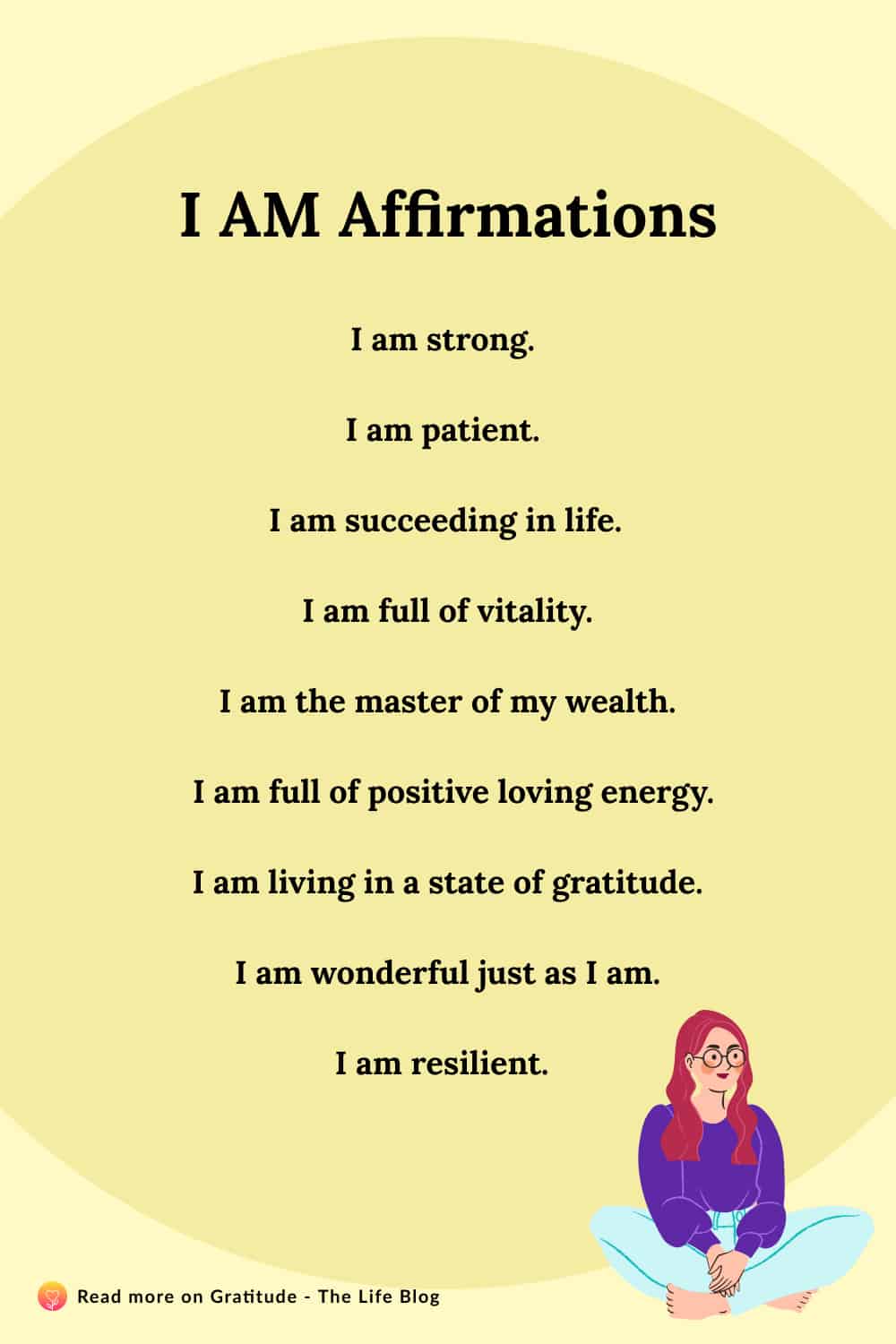
- I am healthy and full of energy.
- My body is strong and resilient.
- Every cell in my body is healing and renewing.
- I make choices that support my well-being.
- I am grateful for my healthy body.
- My mind is clear and focused.
- I enjoy nourishing foods and active movement.
- I am calm and relaxed.
- I recover quickly and easily.
- My body deserves love and care.
How To Use Health Affirmations
You can use health affirmations in many ways:
- Say them out loud each morning.
- Write them in a journal.
- Repeat them quietly before bed.
- Place sticky notes around your home.
The key is to use them often, and to feel the meaning as you say them. If you are sick or stressed, focus on the affirmations that bring comfort and hope.
Practical Example: Building A Health Habit
Let’s say you want to start exercising more. Instead of saying, “I hate exercise,” try, “I enjoy moving my body every day. ” This shift helps you see exercise as something positive. Over time, your actions will match your words.
Best Affirmations For Wealth
Wealth means more than just money. It includes feeling secure, confident, and able to reach your goals. Financial affirmations can help you change old beliefs about money, attract opportunities, and make wiser choices.
Here are some of the best wealth affirmations:
- I am open to wealth and abundance.
- Money flows to me easily and freely.
- I am worthy of financial success.
- I attract new opportunities every day.
- I make smart decisions with my money.
- My income grows steadily.
- I am grateful for all the wealth in my life.
- I use money to improve my life and help others.
- Wealth comes to me from many sources.
- I am a magnet for prosperity.
How To Use Wealth Affirmations
Financial affirmations work best when you:
- Repeat them daily, especially in the morning.
- Visualize yourself enjoying financial success.
- Write them down and read them before making big decisions.
- Combine them with action steps, like budgeting or learning new skills.
Data: Financial Mindset And Results
Here’s a comparison showing how mindset affects financial results:
| Mindset Type | Average Monthly Savings ($) | Investments Started (%) | Debt Reduced (%) |
|---|---|---|---|
| Positive (uses affirmations) | 420 | 62 | 53 |
| Neutral | 210 | 36 | 29 |
| Negative (rarely uses affirmations) | 90 | 12 | 11 |
This table shows people with a positive mindset (often using affirmations) save more, invest more, and reduce debt faster.
Practical Example: Attracting Wealth
Suppose you want to increase your income. Instead of thinking, “Money is hard to earn,” use, “I create new sources of income easily. ” This helps you notice opportunities and take action.

Credit: thechiclife.com
Best Affirmations For Happiness
Happiness is about feeling content, joyful, and peaceful. It’s not just about big events, but also small moments. Affirmations can help you focus on the positive, build gratitude, and find joy every day.
Here are some effective happiness affirmations:
- I choose happiness every day.
- I am grateful for every moment.
- Joy fills my heart and mind.
- I let go of worry and embrace peace.
- I am surrounded by love and kindness.
- My life is full of wonderful experiences.
- I find happiness in simple things.
- I am worthy of joy and laughter.
- I spread happiness wherever I go.
- I trust that good things are coming to me.
How To Use Happiness Affirmations
You can use happiness affirmations to:
- Start your day with a positive mindset.
- Shift your focus during stressful moments.
- Practice gratitude before sleep.
- Share them with friends and family.
Example: Improving Mood With Affirmations
If you feel sad or anxious, try saying, “I am calm and joyful. ” Repeat it until you feel a change. This helps your mind focus on positive feelings.
Advanced Tip: Combine Gratitude With Affirmations
Gratitude is a powerful tool for happiness. Try combining gratitude with your affirmations, like “I am grateful for the happiness I feel today. ” This deepens the impact.
How To Create Your Own Affirmations
Ready-made affirmations are helpful, but creating your own can be even more powerful. Here’s how to do it:
- Focus on your goal: Think about what you want—health, wealth, or happiness.
- Use positive words: Avoid negative phrases. Say “I am healthy” instead of “I am not sick.”
- Keep it simple: Use clear, short sentences.
- Make it believable: Start with statements you can accept, then make them stronger over time.
- Use present tense: Say “I am” or “I have,” not “I will be” or “I want.”
Example: Custom Affirmation
If you want to feel more confident at work, you can say: “I am skilled and valued in my job.”
Common Mistake: Being Too General
A common error is making affirmations too broad. “I want to be happy” is less effective than “I am grateful for the joy in my life today. ”

Credit: www.affirmations.online
Building An Affirmation Routine
Affirmations work best when used regularly. Here’s a simple routine:
- Choose 3–5 affirmations for each area (health, wealth, happiness).
- Repeat them each morning and evening.
- Write them in a journal for deeper impact.
- Visualize the meaning as you say them.
- Adjust as needed—change the words to fit your life.
Data: Routine Vs. Occasional Use
Here’s how using affirmations in a routine compares to using them sometimes:
| Usage Type | Reported Improvement (%) | Consistency (%) | Long-term Change (%) |
|---|---|---|---|
| Daily Routine | 73 | 85 | 61 |
| Occasional Use | 34 | 47 | 22 |
People who use affirmations daily see more improvement and lasting change.
Practical Tips For Maximum Impact
Affirmations are simple, but there are ways to make them even more effective. Here are some advanced tips:
- Combine affirmations with deep breathing: Take a few slow breaths as you say your statements. This calms your mind and body.
- Say affirmations with emotion: Feel the meaning in your words. This makes them more powerful.
- Use visualization: Picture yourself healthy, wealthy, and happy as you repeat the affirmations.
- Record your voice: Listen to your affirmations during the day, especially while driving or relaxing.
- Change up your routine: Try new affirmations, or use them in different places—like during a walk or at lunch.
Non-obvious Insight: Affirmations Work Even When You Doubt
Many people think affirmations only work if you believe them 100%. But studies show that repeating positive statements can help, even if you feel doubtful. Your brain starts to accept them over time.
Another Insight: Small Changes Add Up
It’s easy to think that affirmations must cause big changes right away. In reality, small shifts in your thoughts can lead to big results. For example, saying “I am calm” during stress can help you make better decisions, leading to better health and happiness.
Real-life Stories And Examples
Many people use affirmations to change their lives. Here are a few short stories:
- Anna, a nurse, used health affirmations to recover from burnout. She said, “I am healing and strong” every day. Over time, she felt more energy and started exercising again.
- James, an accountant, struggled with money worries. He began using wealth affirmations and saw new job opportunities. He started saving more and felt less stressed.
- Maria, a student, felt lonely and sad. She used happiness affirmations like “I am surrounded by love.” She made new friends and felt happier.
These stories show that affirmations are not magic, but they help you focus, act, and feel better.
Why Affirmations Sometimes Fail
Not everyone gets results right away. Sometimes affirmations don’t seem to work. Here are a few reasons:
- Lack of consistency: If you only use affirmations once or twice, your mind won’t change.
- Negative self-talk: If you spend most of your day saying negative things, positive affirmations lose their power.
- Unrealistic statements: If your affirmation feels impossible, your mind may resist.
- No action steps: Affirmations are powerful, but you must also take action—like eating well or saving money.
What To Do If Affirmations Don’t Work
If you don’t see results, try these steps:
- Change your affirmations to something more believable.
- Use them more often, especially during stressful times.
- Combine them with real actions.
- Ask for support from friends or professionals.
Affirmations In Modern Life
Today, many people use affirmations in new ways. Apps, podcasts, and videos make it easy to practice daily. You can find guided affirmations for health, wealth, and happiness. Social media also shares daily affirmations to inspire you.
Some companies use affirmations in the workplace to boost mood and teamwork. Teachers use them in schools to help students feel confident and ready to learn.
External Resource
For more scientific information on affirmations, you can visit Positive Psychology.
Frequently Asked Questions
What Are The Best Times To Use Affirmations?
The best times are morning and evening. Morning affirmations set your mood for the day. Evening affirmations help you relax and let go of stress. You can also use them during breaks, before big events, or anytime you need a boost.
How Long Does It Take To See Results From Affirmations?
Most people notice small changes in a few weeks. Your mood and thinking can improve quickly. Bigger changes, like health or finances, may take longer. The key is consistency—use affirmations daily for best results.
Can Affirmations Help With Serious Health Or Money Problems?
Affirmations can help you feel more positive and make better choices. But they are not a replacement for medical care or financial advice. For serious problems, use affirmations with real actions—like seeing a doctor or working with a financial expert.
Should Affirmations Be Said Out Loud Or Silently?
Both ways work. Saying affirmations out loud helps your mind hear the words clearly. Silent repetition is helpful when you can’t speak, like in public. Writing affirmations in a journal also boosts their impact.
What If I Don’t Believe My Affirmation?
It’s normal to feel doubt at first. Start with statements you accept, like “I am learning to be healthier. ” As you repeat them, your confidence grows. Over time, you can use stronger affirmations.
Feeling healthy, wealthy, and happy starts with your thoughts. Affirmations are a powerful tool to help you change your mindset and actions. By using the best affirmations for health, wealth, and happiness, and practicing them daily, you can create real change in your life.
Remember, small steps lead to big results. Begin today, and watch your life improve.
Credit: blog.gratefulness.me
