

Workout Triceps And Biceps Same Day: Maximize Your Arm Gains
Working Out Triceps and Biceps on the Same Day: The Ultimate Guide
If you walk into any gym, you will see people training their arms. Big, strong arms are often the first thing people notice. For many, the question is simple: should you workout triceps and biceps on the same day? This idea sounds easy, but the best answer depends on your goals, body, and workout style. Done right, this method can help you build muscle, save time, and boost your results. But there are important things to understand before you begin.
Let's dive into how and why you might want to train both muscle groups together, the best ways to do it, and common mistakes to avoid. By the end, you'll know how to design your own arm workouts for great results—whether you are a beginner or already experienced.
How Your Arm Muscles Work
To get the most from training biceps and triceps together, it helps to understand their roles. Your upper arm has two main muscles:
- Biceps brachii: Located at the front of your upper arm. It helps you bend your elbow and rotate your forearm.
- Triceps brachii: Found at the back of your upper arm. It is responsible for straightening your elbow.
When you lift something towards you, your biceps are the main movers. When you push something away, your triceps take the lead. These two muscles often work in opposite ways. This is important when planning your workout.
Benefits Of Training Triceps And Biceps On The Same Day
Combining these muscles into one session offers several benefits, especially for people with limited time or those wanting to increase arm size fast.
1. Efficient Use Of Time
You don't always have hours to spend at the gym. Training both muscle groups together means:
- Fewer trips to the gym each week
- Less time spent warming up, as both muscles are in the same area
- Easier to plan your schedule
2. Greater Muscle Pump
When you train both muscles back-to-back, you get a bigger pump. Blood fills your upper arm, making it look and feel larger. This pump can help with muscle growth (hypertrophy) and gives instant motivation.
3. Balanced Arm Development
Focusing on both muscles in one session reduces the risk of muscle imbalance. Some people only train biceps, which can lead to problems like elbow pain or bad posture. Training both helps keep your arms strong and balanced.
4. Better Recovery
By working both muscles on the same day, you allow your arms to rest fully on other days. This schedule can help muscles recover faster and grow more.
5. Simpler Workout Splits
If you follow a push/pull/legs or upper/lower split, combining biceps and triceps can fit neatly into your routine. It is also easier to remember your workouts and track your progress.
Possible Downsides To Watch Out For
While this approach has many benefits, there are also things to be careful about:
- Overtraining: Arms are small muscles. Too many sets or not enough rest can slow your progress or cause injury.
- Fatigue: After training one muscle group, the other may feel tired. This can make your second muscle less effective.
- Neglecting Other Muscles: Focusing too much on arms might mean you skip chest, back, or legs. This can cause overall weakness or imbalance.
A smart plan can help you avoid these problems.
How To Structure A Triceps And Biceps Workout
There are several ways to organize your arm workout. The best method depends on your goals, experience, and preferences.
1. Alternating Sets (supersets)
One popular method is to alternate exercises for biceps and triceps. For example, you do a biceps curl, then a triceps extension, then rest. This is called a superset. Supersets save time and give a great pump.
2. All Sets For One Muscle, Then The Other
Some people prefer to finish all sets for biceps first, then move to triceps (or the other way around). This works well if you want to focus on one muscle more.
3. Mixing Compound And Isolation Exercises
Compound exercises use more than one joint or muscle (e. g. , dips, close-grip bench press). Isolation exercises focus on one muscle (e. g. , dumbbell curls, triceps pushdowns). Mixing both types leads to better results.
Here's a basic sample structure:
- Warm-up: 5–10 minutes
- Compound triceps exercise
- Compound biceps exercise
- Isolation triceps exercise
- Isolation biceps exercise
- Optional finisher (high reps, light weight)
Key Exercises For Biceps And Triceps
Choosing the right exercises is essential. Let's look at some of the best moves for each muscle group.
Top Biceps Exercises
- Barbell curl: Classic for adding size and strength.
- Dumbbell hammer curl: Works both biceps and forearms.
- Incline dumbbell curl: Stretches the biceps more, increasing growth.
- Preacher curl: Focuses on the lower biceps for a strong peak.
- Cable curls: Keep tension on the muscle through the whole movement.
Top Triceps Exercises
- Close-grip bench press: Hits all three triceps heads, uses heavy weight.
- Triceps pushdown: Great for isolating the triceps, easy to adjust weight.
- Overhead triceps extension: Stretches the long head of the triceps.
- Dips: Bodyweight exercise that adds strength and size.
- Skullcrushers: Focuses on the triceps, especially the long head.
| Exercise | Main Muscle Worked | Type | Equipment Needed |
|---|---|---|---|
| Barbell Curl | Biceps | Compound | Barbell |
| Triceps Pushdown | Triceps | Isolation | Cable Machine |
| Close-Grip Bench Press | Triceps | Compound | Barbell |
| Hammer Curl | Biceps/Forearm | Isolation | Dumbbells |
| Dips | Triceps | Compound | Bodyweight |
Sample Triceps And Biceps Same-day Workouts
Here are two example workouts—one for beginners and one for advanced lifters. Adjust the weights to match your level.
Beginner Arm Workout
1. Close-grip Push-ups: 3 Sets X 10–15 Reps
(triceps, Easy To Start, No Equipment Needed)
2. Dumbbell Biceps Curl: 3 Sets X 10–12 Reps
(biceps, Use Light-to-medium Weight)
3. Triceps Overhead Dumbbell Extension: 3 Sets X 10–12 Reps
(triceps, One Or Two Dumbbells)
4. Hammer Curl: 2 Sets X 12 Reps
(biceps And Forearms)
5. Bench Dips: 2 Sets X 10–15 Reps
(triceps, Bodyweight)
Advanced Arm Workout
1. Close-grip Bench Press: 4 Sets X 6–8 Reps
(heavy, Focuses On All Triceps Heads)
2. Barbell Curl: 4 Sets X 8–10 Reps
(use Strict Form For Best Results)
3. Triceps Rope Pushdown: 3 Sets X 10–12 Reps
(focus On Full Range Of Motion)
4. Incline Dumbbell Curl: 3 Sets X 10–12 Reps
(deep Stretch For Biceps)
5. Skullcrushers: 3 Sets X 8–10 Reps
(careful With Weight To Protect Elbows)
6. Cable Curl: 2 Sets X 12–15 Reps
(finish With High Reps For A Pump)
How Many Sets And Reps Should You Do?
For most people, 8–12 sets per muscle group (biceps or triceps) per week is enough to see growth. This means 4–6 sets per muscle in a single session if you train arms twice a week.
| Goal | Sets per Muscle per Session | Reps per Set | Rest Between Sets |
|---|---|---|---|
| Muscle Growth (Hypertrophy) | 4–6 | 8–12 | 60–90 seconds |
| Strength | 3–5 | 4–8 | 2–3 minutes |
| Endurance | 2–4 | 15–20 | 30–60 seconds |
Beginners should start at the lower end to avoid soreness and injury. As you become stronger, you can add more sets or use heavier weights.
Should You Start With Biceps Or Triceps?
This is a common question, and the answer depends on your goals:
- If you want bigger biceps, start with biceps.
- If you want stronger triceps, start with triceps.
- If your goal is balanced arms, alternate which muscle you train first each session.
Starting with the muscle you care about most allows you to lift heavier and focus better.
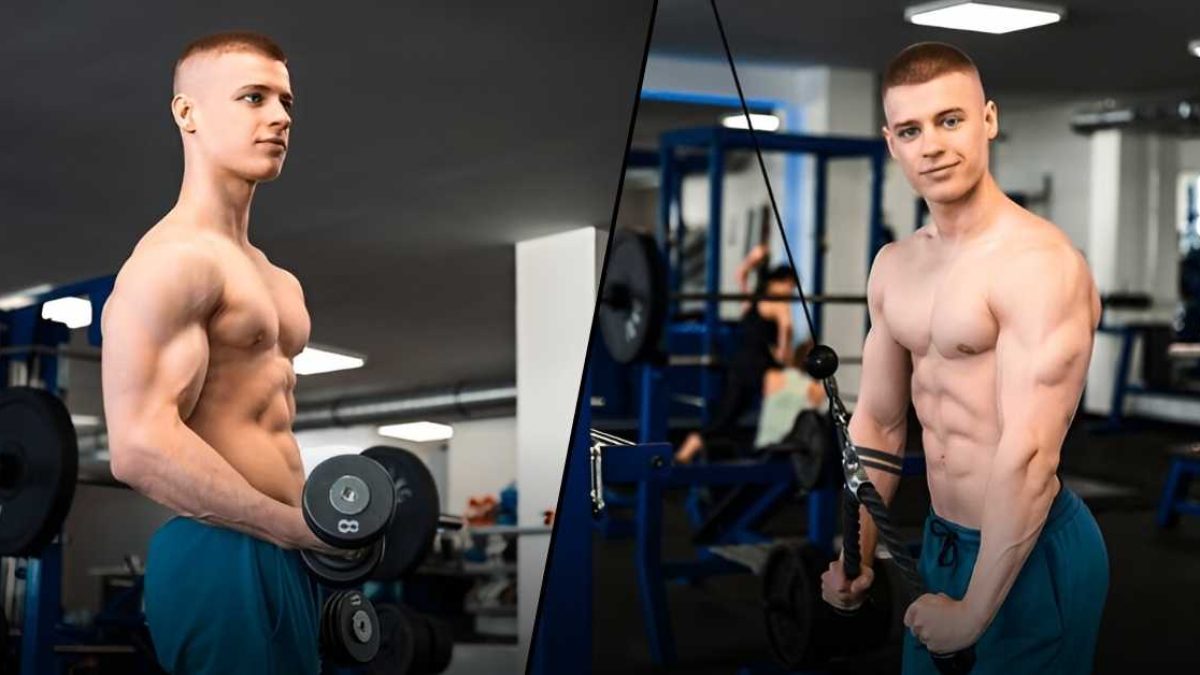
Credit: communitystrengthaustin-personaltraining.com
Rest And Recovery: Why They Matter
Muscle grows when you rest, not just when you lift. Most people need at least 48 hours between hard arm sessions. Training arms too often can slow progress or cause injury.
Some signs you might be overtraining:
- Constant muscle soreness
- Weaker performance in the gym
- Poor sleep or low motivation
Sleep is also key. Aim for at least 7 hours per night for best results. Good nutrition (especially enough protein) helps your muscles recover and grow.
Can You Mix Arm Training With Other Muscle Groups?
Many people pair biceps with back and triceps with chest. But training both arms together is fine if you plan well.
If you want to combine arm training with other muscles:
- Avoid training chest or shoulders hard the day before or after arms. Your triceps help with pressing, so they need rest.
- Don’t train back right before arms, as your biceps are already tired from pulling exercises.
Common Mistakes When Training Biceps And Triceps Together
Even experienced lifters make mistakes that slow progress. Here are some to watch for:
- Too Much Volume: Doing too many sets leads to fatigue and poor recovery. More is not always better.
- Poor Form: Swinging weights or using momentum reduces muscle tension. Use slow, controlled movements.
- Ignoring Warm-Up: Starting with cold muscles increases the risk of injury. Always warm up first.
- Neglecting the Long Head of Triceps or Biceps: Each muscle has different parts (heads). Use exercises that target all areas for balanced growth.
- Not Tracking Progress: Keep a log of exercises, weights, and reps. This helps you see improvement and make changes if needed.
Advanced Tips For Better Arm Workouts
If you want to take your results to the next level, try these expert tips:
1. Use Different Grips
Changing your grip (wide, narrow, underhand, overhand) changes which muscle fibers you use. This can help break plateaus and keep workouts interesting.
2. Focus On The Mind-muscle Connection
Think about the muscle you are working during each rep. Studies show this can increase muscle growth compared to just moving the weight.
3. Try Drop Sets Or Rest-pause Sets
These advanced techniques add intensity without increasing workout time:
- Drop sets: After reaching failure, quickly lower the weight and continue.
- Rest-pause: Take a short break (10–15 seconds) and continue the set.
Use these methods sparingly, as they are tough on your muscles.
4. Vary Your Rep Speed
Try slow reps on the way down (eccentric phase) to increase muscle damage and growth. For example, take 3–4 seconds to lower the weight.
5. Include Unilateral (one-arm) Exercises
One-arm curls or extensions can fix muscle imbalances and improve control.
Real-world Results: What To Expect
Many people want to know how fast they will see results. The answer depends on your genetics, consistency, diet, and training plan. Most people notice a difference in arm size and strength after 4–8 weeks of regular training.
- Beginners see the fastest changes, often gaining 0.5 to 1 inch of arm size within a few months.
- Advanced lifters will see slower gains but can still improve muscle shape and definition.
Remember, patience and consistency are key. Quick fixes or shortcuts rarely work in the long run.
Two Non-obvious Insights Most Beginners Miss
1. Triceps Make Up Most Of Your Upper Arm Size
Many people focus only on biceps. But the triceps are actually a bigger muscle group and make up about two-thirds of your upper arm. If you want bigger arms, spend equal or more time on triceps training.
2. Elbow Health Is Essential For Arm Growth
Heavy arm training can stress your elbows. Warming up your joints, using proper form, and not overdoing isolation moves can keep your elbows healthy. If you ignore pain, you risk long-term injury that can stop your progress.
How Nutrition Supports Arm Growth
You need the right fuel to build muscle. Focus on these key points:
- Protein: Aim for at least 0.7–1 gram per pound of bodyweight per day.
- Carbs: Give you energy for intense workouts.
- Healthy fats: Support hormones and recovery.
- Water: Prevents cramps and helps muscle function.
A balanced diet with enough calories is required for muscle growth. If you eat too little, you may lose strength or size.
Supplements: Do You Need Them?
Supplements are not magic, but some can help:
- Whey protein: Easy way to reach your daily protein target.
- Creatine: Supports strength and muscle gains.
- BCAAs: May help with recovery, but not essential if you eat enough protein.
Always focus on food first. Supplements can fill gaps, but they cannot replace hard training and good nutrition.
Who Should Not Train Triceps And Biceps On The Same Day?
Some people may want to avoid this method:
- If you are a bodybuilder with very advanced routines, you may need more focused sessions.
- If you have elbow or shoulder pain, shorter, more frequent sessions may be safer.
- If you are short on time, shorter full-body workouts might fit your schedule better.
But for most people, combining arms into one session works very well.
Adjusting Your Plan Over Time
As you get stronger, your body adapts. Change your exercises, rep ranges, or workout order every 4–8 weeks to keep making progress. This prevents boredom and keeps your muscles growing.
Sample Four-week Triceps And Biceps Progression
Here's a simple four-week plan to follow. Increase weights slightly each week if possible.
| Week | Exercise Focus | Sets x Reps | Notes |
|---|---|---|---|
| 1 | Basic Movements | 3 x 10–12 | Light weight, perfect form |
| 2 | Add Compound Exercises | 4 x 8–10 | Increase weight, add close-grip bench or dips |
| 3 | Mix Rep Ranges | 3 x 6–8 (heavy) + 2 x 12–15 (light) | Try drop sets or slow negatives |
| 4 | Intensity Techniques | 4 x 8–12 | Use supersets or rest-pause sets |
When To Train Biceps And Triceps Separately
There are times when splitting them into different days makes sense:
- If you are training for strength and want to avoid fatigue.
- If you have muscle imbalances and want to focus on one area.
- If you are doing a high-volume bodybuilding program.
But for most goals, combining them is more efficient.
Comparing Arm-only Vs. Full-body Workouts
Some people ask if arm-only sessions are better than full-body workouts. Here’s a quick comparison:
| Method | Pros | Cons |
|---|---|---|
| Arm-Only Sessions | Focused, big pump, easy to track progress | Can neglect other muscles, risk of overuse |
| Full-Body Workouts | Efficient, balanced development, burns more calories | Less focus on arms, may tire out faster |
The best choice depends on your goals and schedule. For pure arm growth, dedicated arm days work well.
Should Women Train Biceps And Triceps Together?
Absolutely. Strong arms help with daily life, sports, and injury prevention. Women will not “bulk up” like men—gaining muscle takes time and effort. The same training principles apply.
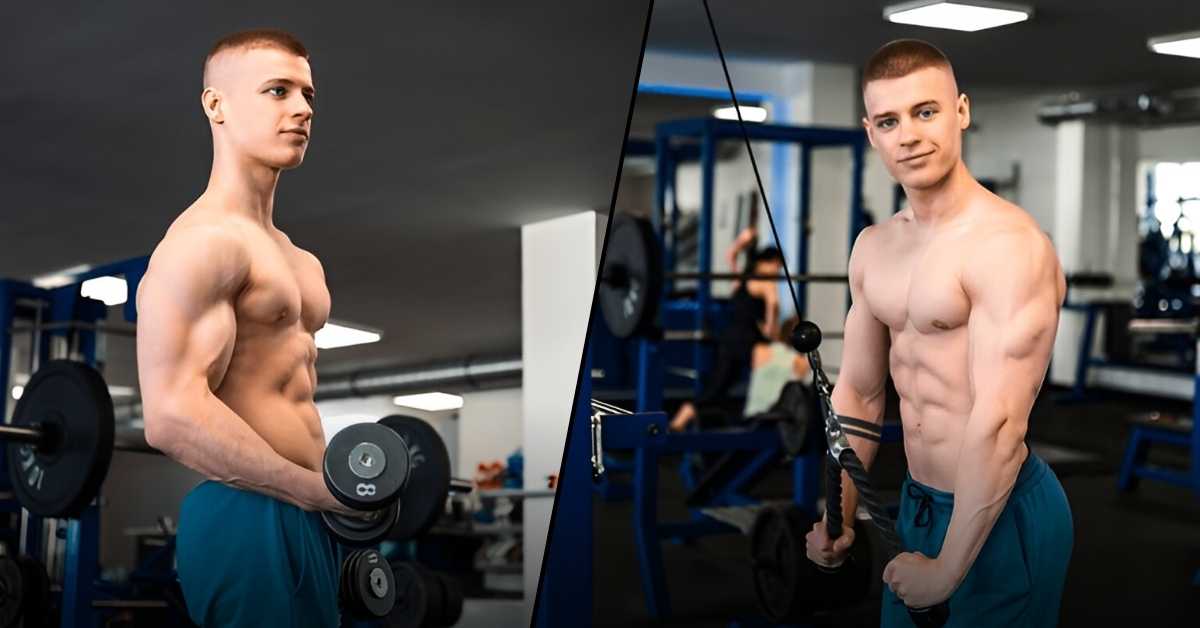
Credit: communitystrengthaustin-personaltraining.com
Safety And Injury Prevention
Your arm joints are small and easy to injure. Follow these tips:
- Warm up with light cardio and dynamic stretches.
- Start with lighter weights and build up slowly.
- Use good form on every rep.
- Listen to your body. Stop if you feel sharp pain.
- Stretch after your workout to keep muscles flexible.
If you have a history of injury, talk to a fitness professional or physiotherapist before starting a new plan.
Tracking Your Progress
Write down your exercises, weights, and reps after each workout. Take arm measurements every few weeks to see real changes. Photos can also help you see progress that the scale might not show.
How To Stay Motivated
- Train with a friend or join a group class.
- Set small goals, like adding 5 pounds to your curl or doing more reps.
- Celebrate your progress, no matter how small.
- Change your routine every few weeks to keep things fresh.
Recommended Resources
To learn more about arm training and workout science, check out this guide from the American Council on Exercise. Their resources are trusted by fitness professionals worldwide.

Credit: gym-mikolo.com
Frequently Asked Questions
Can I Train Biceps And Triceps Together If I Am A Beginner?
Yes, beginners can safely train both muscles in the same session. Start with simple exercises, use light weights, and focus on perfect form. Allow at least 48 hours between arm workouts for recovery.
How Many Times Per Week Should I Train My Arms?
Most people see best results with 1–2 dedicated arm sessions per week. You can also work arms indirectly with chest and back workouts. Avoid training arms on back-to-back days.
What Should I Eat To Grow Bigger Arms?
Eat enough protein (0. 7–1 gram per pound of bodyweight), healthy carbs, and fats. Drink plenty of water. A balanced diet with enough calories is essential for muscle growth.
Will My Arms Get Too Big If I Train Them Together?
It’s unlikely unless you are using very high volume and eating a lot. Building large arms takes years of consistent training. Most people want stronger, toned arms, and this method helps achieve that.
What If I Only Have 20–30 Minutes For A Workout?
You can still get a good arm workout by using supersets and choosing compound exercises. Focus on quality over quantity. A short, intense session can be effective if you push yourself.
Training triceps and biceps on the same day is a practical, effective way to build strong, balanced arms. With smart planning, correct technique, and a bit of patience, you’ll see progress you can be proud of. Remember, consistency, recovery, and good nutrition are just as important as the exercises you choose. Enjoy the journey—your future self will thank you!
