

Women’s Glute Workout: Build Stronger, Rounder Glutes Fast
Women’s Glute Workout: Guide To Stronger, Shapelier Glutes
Strong glutes are more than just a fitness trend. For many women, building the glute muscles means improving posture, reducing back pain, and feeling more confident. While “glute workouts” may sound simple, there’s a big difference between doing random exercises and following a smart, targeted plan.
This article gives you everything you need to know for building your glutes, step by step. Whether you’re a beginner or already have some experience, you’ll find practical tips, science-backed advice, and routines you can actually use.
You’ll also discover why glute training matters for more than just looks. A strong backside supports daily movements, helps prevent injury, and even boosts sports performance. Get ready to learn what really works for women’s glute workouts—and how you can start seeing results.
Why Glute Training Is Important For Women
Many women want toned, lifted glutes for aesthetic reasons. But there’s more to it. Your glutes are the largest muscle group in your body. They help you walk, run, jump, and stand tall. Weak glutes can lead to lower back pain, knee issues, and poor balance.
Key Benefits Of Strong Glutes
- Better posture: Strong glutes support your lower back and help keep your hips stable.
- Reduced injury risk: Activating your glutes protects your knees and lower back from strain.
- More power in sports: Whether you run, cycle, or play sports, glute strength improves speed and stability.
- Functional strength: Everyday tasks like lifting, climbing stairs, or carrying groceries become easier.
- Aesthetic improvements: Well-developed glutes give a rounder, firmer, and more lifted appearance.
Common Mistakes Women Make With Glute Training
Many women do endless squats and lunges, hoping for bigger glutes. But common errors can slow your progress:
- Not activating the glutes: Sometimes, your thighs and lower back work harder than your glutes.
- Too much cardio, not enough resistance: Cardio is great for health, but resistance exercises are key for muscle growth.
- Not using enough weight: Bodyweight is good for beginners, but progressive overload (adding weight) is vital for growth.
- Lack of variety: Doing only one or two exercises misses parts of the glute muscles.
A smart glute program fixes these mistakes, focusing on proper activation, a mix of exercises, and gradual progression.
Anatomy Of The Glute Muscles
Before you start training, it helps to know what you’re working. The glutes are made up of three main muscles:
- Gluteus maximus: The largest muscle, responsible for hip extension and the “lifted” look.
- Gluteus medius: Located on the side of your hip; important for hip stability and shape.
- Gluteus minimus: The smallest, under the gluteus medius; helps with hip abduction and stability.
Each muscle plays a role in movement and appearance. A complete glute workout targets all three for balanced strength and shape.
How The Glutes Work
Your glutes are involved in:
- Hip extension: Moving your leg backward (as in standing up from a squat)
- Abduction: Moving your leg out to the side (as in side leg raises)
- External rotation: Rotating your leg outward
To build strong glutes, you need exercises that work all these movements.
Best Glute Exercises For Women
Not all exercises are created equal. Research shows some moves activate the glutes more than others. Here are the top exercises that should be in every woman’s glute routine.
1. Hip Thrust
The hip thrust is the queen of glute exercises. It targets the gluteus maximus and is proven to maximize muscle activation. You can do it with a barbell, dumbbell, or just your body weight.
How to do it:
- Sit on the floor with your upper back against a bench.
- Roll a barbell over your hips (or use bodyweight).
- Plant your feet hip-width apart, knees bent.
- Push through your heels, lifting your hips until your body forms a straight line.
- Pause, squeeze your glutes, then lower down.
Tips: Keep your chin tucked and avoid arching your lower back.
2. Romanian Deadlift
This move targets both your glutes and hamstrings. It’s excellent for the back of your legs.
How to do it:
- Stand holding a barbell or dumbbells.
- Keep your back straight and knees slightly bent.
- Hinge at your hips, lowering the weight while keeping it close to your legs.
- Stop when you feel a stretch in your hamstrings, then return to standing.
Tips: Don’t let your back round, and focus on feeling your glutes do the work.
3. Bulgarian Split Squat
This single-leg exercise not only works your glutes but also improves balance.
How to do it:
- Stand a few feet in front of a bench.
- Place one foot behind you on the bench.
- Lower your back knee toward the floor, keeping your front knee over your ankle.
- Push through your front heel to rise.
Tips: Hold dumbbells for extra resistance and keep your torso upright.
4. Glute Bridge
A simpler version of the hip thrust, the glute bridge is great for beginners.
How to do it:
- Lie on your back with knees bent and feet flat.
- Push through your heels to lift your hips.
- Squeeze your glutes at the top, then lower down.
Tips: Don’t let your knees flare out.
5. Cable Kickback
This isolates the glutes and gives a great squeeze.
How to do it:
- Attach an ankle strap to a low cable.
- Stand facing the machine, bend forward slightly.
- Kick your leg back and up, keeping it straight.
- Lower with control.
Tips: Focus on slow, controlled reps.
6. Step-up
This functional move targets glutes and improves single-leg strength.
How to do it:
- Stand in front of a bench or sturdy box.
- Step up with one foot, pressing through your heel to lift your body.
- Step down and repeat on the other side.
Tips: Use dumbbells for added resistance.
7. Lateral Band Walk
A resistance band around your legs targets the gluteus medius.
How to do it:
- Place a loop band just above your knees.
- Slightly bend your knees and step sideways.
- Keep tension on the band the whole time.
Tips: Take small steps and stay low.
8. Curtsy Lunge
This variation targets the side glutes.
How to do it:
- Stand tall, step one leg diagonally behind you.
- Lower into a lunge, keeping your front knee over your ankle.
- Return to start and switch sides.
Tips: Don’t let your front knee cave inward.
Sample Women’s Glute Workout Routines
You don’t need to spend hours in the gym. Two to three focused sessions per week are enough for most women. Here are two sample routines—one for beginners, one for intermediate/advanced.
Beginner Glute Workout
- Glute Bridge: 3 sets of 15 reps
- Bodyweight Squat: 3 sets of 12 reps
- Lateral Band Walk: 3 sets of 20 steps
- Step-Up: 3 sets of 10 reps per leg
Rest: 60 seconds between sets.
Intermediate/advanced Glute Workout
- Hip Thrust (barbell or dumbbell): 4 sets of 10 reps
- Bulgarian Split Squat: 3 sets of 10 reps per leg
- Romanian Deadlift: 3 sets of 12 reps
- Cable Kickback: 3 sets of 15 reps per leg
- Curtsy Lunge: 3 sets of 12 reps per leg
Rest: 60–90 seconds between sets.
Pro tip: Switch up your exercises every few weeks to avoid plateaus and keep things interesting.

Credit: www.imfine.es
How To Structure Your Glute Workouts
A good glute workout isn’t just about what exercises you do. The order, reps, sets, and rest periods all matter. Here’s how to get the most out of your training.
Warm-up And Glute Activation
Always start with a warm-up to increase blood flow and prepare your muscles. Spend 5–10 minutes on light cardio (like brisk walking or cycling). Then, do glute activation moves:
- Bodyweight glute bridges
- Clamshells with a resistance band
- Lateral band walks
Activation exercises “wake up” your glutes. This helps prevent your thighs or back from taking over during main lifts.
Sets, Reps, And Rest
- For muscle growth: Aim for 8–15 reps per set, with 3–4 sets per exercise.
- For strength: Use heavier weights and lower reps (6–8).
- For endurance: Higher reps (15–20), lighter weights.
Rest for 60–90 seconds between sets to recover but keep your heart rate up.
Progressive Overload
Your glutes will only grow if you keep challenging them. This is called progressive overload. Ways to do this:
- Increase the weight you lift
- Add more reps or sets
- Slow down the tempo (take longer to lift and lower)
- Reduce rest time
Even small changes each week can lead to big results over time.
Exercise Order
Start with compound exercises (that use more than one joint), like squats or hip thrusts. Do isolation exercises (like cable kickbacks) later in your workout. This ensures you have the most energy for the hardest moves.
Common Myths About Women’s Glute Training
There’s a lot of bad advice out there. Here’s the truth about some common myths:
Myth 1: Lifting Heavy Will Make You Bulky
Women have much lower testosterone than men. Heavy glute training won’t make you bulky—it will build shape and strength.
Myth 2: You Need Fancy Equipment
While gym machines and weights are helpful, you can make great progress with resistance bands and bodyweight moves.
Myth 3: More Is Always Better
Training glutes every day can lead to overtraining and slow your progress. Muscles need rest to grow.
Myth 4: Squats Are All You Need
Squats are great, but they mainly work the quads (front of the thighs). You need hip thrusts, deadlifts, and other moves to truly build your glutes.

Credit: www.muscleandstrength.com
Nutrition For Glute Growth
Exercise is only half the story. If you want to build muscle, you need the right nutrition.
Protein Intake
Protein is key for muscle repair and growth. Aim for 0.7–1 gram of protein per pound of body weight each day. Good sources include chicken, fish, eggs, beans, and Greek yogurt.
Calorie Surplus
To grow muscle, your body needs extra energy. This means eating slightly more calories than you burn. Not sure how much? Start by tracking what you eat for a week and add 150–250 calories per day.
Healthy Fats And Carbs
Don’t fear carbs or fats. Both give you the energy you need for hard workouts. Choose whole grains, fruits, nuts, olive oil, and avocados.
Hydration
Muscle is mostly water. Drink plenty throughout the day to help with recovery and performance.
How Long Does It Take To See Results?
Building muscle takes time. Many women notice some changes in 4–6 weeks, but real muscle growth takes 3–6 months of consistent training and eating right.
Key factors that affect your progress:
- Training intensity and frequency
- Nutrition and protein intake
- Sleep and recovery
- Genetics
Everyone’s body is different, so don’t compare your journey to others. Focus on progress, not perfection.
Glute Workout Vs. Other Lower Body Workouts
It’s important to know how a glute-focused routine compares to a general lower body workout. Here’s a breakdown to highlight the differences:
| Workout Type | Main Focus | Typical Exercises | Muscles Worked |
|---|---|---|---|
| Glute Workout | Gluteus maximus, medius, minimus | Hip thrust, glute bridge, kickback | Glutes, some hamstring, some quads |
| Lower Body Workout | Overall leg development | Squat, lunge, leg press, calf raise | Quads, hamstrings, glutes, calves |
Insight: Glute-specific training is more targeted, while general lower body routines may not fully activate the glutes.
Glute Activation: Why It Matters
Many women struggle to “feel” their glutes working. This is called poor mind-muscle connection. If your quads or lower back take over, your glutes won’t grow as much.
How To Improve Glute Activation
- Start every session with activation drills (banded glute bridges, clamshells).
- Slow down your reps and focus on squeezing your glutes.
- Touch or tap the muscle to help activate it during exercises.
- Use lighter weights if you can’t feel the muscle working.
Non-obvious tip: Training barefoot or with minimal shoes on some exercises can help you drive through your heels and activate glutes better.
Tracking Your Glute Progress
Don’t just rely on the scale. Here’s how to track your glute gains:
- Take progress photos: Every 4 weeks, take photos from the side and back.
- Measure your hips: Use a tape measure around the widest part.
- Track strength: Write down your weights, reps, and sets for each workout.
- Notice performance: Are you jumping higher, running faster, or feeling stronger in daily life?
Progress may be slow, but small changes add up.
Advanced Glute Training Techniques
If you’ve been training for a while and hit a plateau, try these advanced methods:
Supersets
Pair two glute exercises back-to-back with no rest. For example, do hip thrusts followed by glute bridges.
Tempo Training
Slow down each rep (for example, take 3 seconds to lower, 1 second to lift). This increases time under tension and muscle growth.
Resistance Bands
Add a mini band above your knees during squats, bridges, or hip thrusts. Bands target the gluteus medius and improve activation.
Drop Sets
After finishing your set, drop the weight and do more reps to fully fatigue the muscle.
Unilateral Training
Focus on single-leg moves like Bulgarian split squats or single-leg hip thrusts to fix imbalances and boost glute growth.
How Often Should Women Train Glutes?
Glutes recover faster than some other muscles. For most women, 2–3 focused sessions per week is ideal.
- Beginners: 2 days per week, with at least one rest day in between.
- Intermediate/Advanced: 3 days per week, with at least 48 hours between sessions.
Insight: More frequent training doesn’t always mean better results. Quality and recovery are just as important as quantity.
How To Avoid Common Glute Training Mistakes
Even with the best exercises, mistakes can slow your progress. Here’s how to fix them:
Using Too Much Weight Too Soon
If you can’t feel your glutes, you’re probably lifting too heavy. Focus on form and muscle connection first.
Not Using Full Range Of Motion
Partial reps limit glute activation. Lower your body fully in squats and thrusts, and extend your hips all the way.
Forgetting About Recovery
Muscles grow when you rest. Get 7–9 hours of sleep per night, stretch, and take rest days seriously.
Ignoring Other Muscle Groups
Balanced training matters. Don’t skip core, hamstrings, or back exercises. This helps your body move better and prevents injury.
Sample Weekly Glute Training Plan
Here’s a sample week for optimal glute growth:
| Day | Workout Focus | Key Exercises |
|---|---|---|
| Monday | Glute + Lower Body | Hip Thrust, Bulgarian Split Squat, Lateral Band Walk |
| Wednesday | Glute Isolation | Cable Kickback, Step-Up, Glute Bridge |
| Friday | Glute + Hamstrings | Romanian Deadlift, Curtsy Lunge, Banded Clamshell |
Rest on other days or do light cardio or stretching.
Equipment For Glute Training At Home
You don’t need a gym to get results. Here are tools that help build glutes at home:
- Resistance bands: Great for activation and adding challenge
- Dumbbells: For added resistance in bridges, squats, step-ups
- Bench or sturdy chair: For hip thrusts and Bulgarian split squats
- Yoga mat: For comfort during floor exercises
Non-obvious tip: Invest in a mini loop band and a longer resistance band for maximum exercise variety.
Glute Training For Different Goals
For Fat Loss
Pair glute workouts with a slight calorie deficit and some cardio. Building muscle helps boost your metabolism.
For Muscle Growth
Eat in a slight calorie surplus, lift heavier, and reduce cardio. Focus on progressive overload.
For Toning And Shaping
Aim for moderate weights, higher reps, and a mix of compound and isolation exercises.
Remember: “Toning” is simply building muscle while keeping body fat lower.
Safety Tips For Glute Workouts
- Warm up before every session to prevent injury.
- Focus on form—quality reps matter more than weight.
- If you feel pain (not muscle burn), stop and check your technique.
- Progress slowly; there’s no need to rush.
- Consult a professional if you have injuries or health concerns.
Additional Tips For Better Results
- Mind-muscle connection: Visualize your glutes working during each rep.
- Variety: Mix up exercises and rep ranges to avoid boredom and plateaus.
- Consistency: Stick to your plan for at least 8–12 weeks before expecting big changes.
- Patience: Glute growth takes time, but the results are worth it.
Real-world Examples And Success Stories
Many women have transformed their bodies and confidence with glute training. For instance, athletes in sports like soccer and track rely on strong glutes for speed and power. Everyday women also report less back pain, better posture, and increased self-esteem after focusing on glute workouts.
One non-obvious insight: Some women notice their clothes fit better, especially jeans and skirts, due to improved hip and glute shape—even if the scale doesn’t change much.
Science And Research On Glute Training
Studies show that exercises like hip thrusts and deadlifts activate the glutes more than squats alone. According to NCBI, combining compound and isolation moves gives the best results for muscle growth.
Research also points out that glute activation is higher when you focus on form and mind-muscle connection, not just lifting heavier weights.
Frequently Asked Questions
How Many Times A Week Should Women Train Glutes?
Most women see the best results with 2–3 focused glute sessions per week. This gives enough frequency for muscle growth, with time for recovery. Beginners should start with 2 days, while more advanced can try 3, as long as they allow at least one rest day between sessions.
Can I Grow My Glutes Without Gaining Fat?
Yes, but it’s slower. To grow muscle, you need extra calories. Aim for a small calorie surplus (about 150–250 extra per day) and focus on protein. If you prefer to avoid fat gain, you can try a “recomp” approach: Eat at maintenance calories, train hard, and let muscle slowly replace fat.
What If I Can’t Feel My Glutes During Exercise?
This is common. Try glute activation drills before your main workout (like banded clamshells and bridges). Slow down your reps, focus on squeezing at the top, and keep your feet flat to push through your heels. Sometimes lowering the weight also helps you feel the muscle better.
Do I Need To Do Cardio With My Glute Training?
Cardio isn’t required for glute growth, but it’s great for heart health and fat loss. If your main goal is muscle growth, do cardio on separate days or after your strength workout. Too much cardio can slow muscle gains if you’re not eating enough.
What Are The Best Foods To Eat After A Glute Workout?
After training, eat a meal with protein (like chicken, fish, eggs, or tofu) and carbohydrates (like rice, potatoes, or fruit). This helps muscle recovery and growth. Adding healthy fats like avocado or olive oil can also support hormone balance and energy.
Building stronger, shapelier glutes is possible for every woman. With the right exercises, smart programming, and consistent effort, you’ll see results that go beyond just appearance. Remember to focus on form, listen to your body, and enjoy the journey to a stronger you.
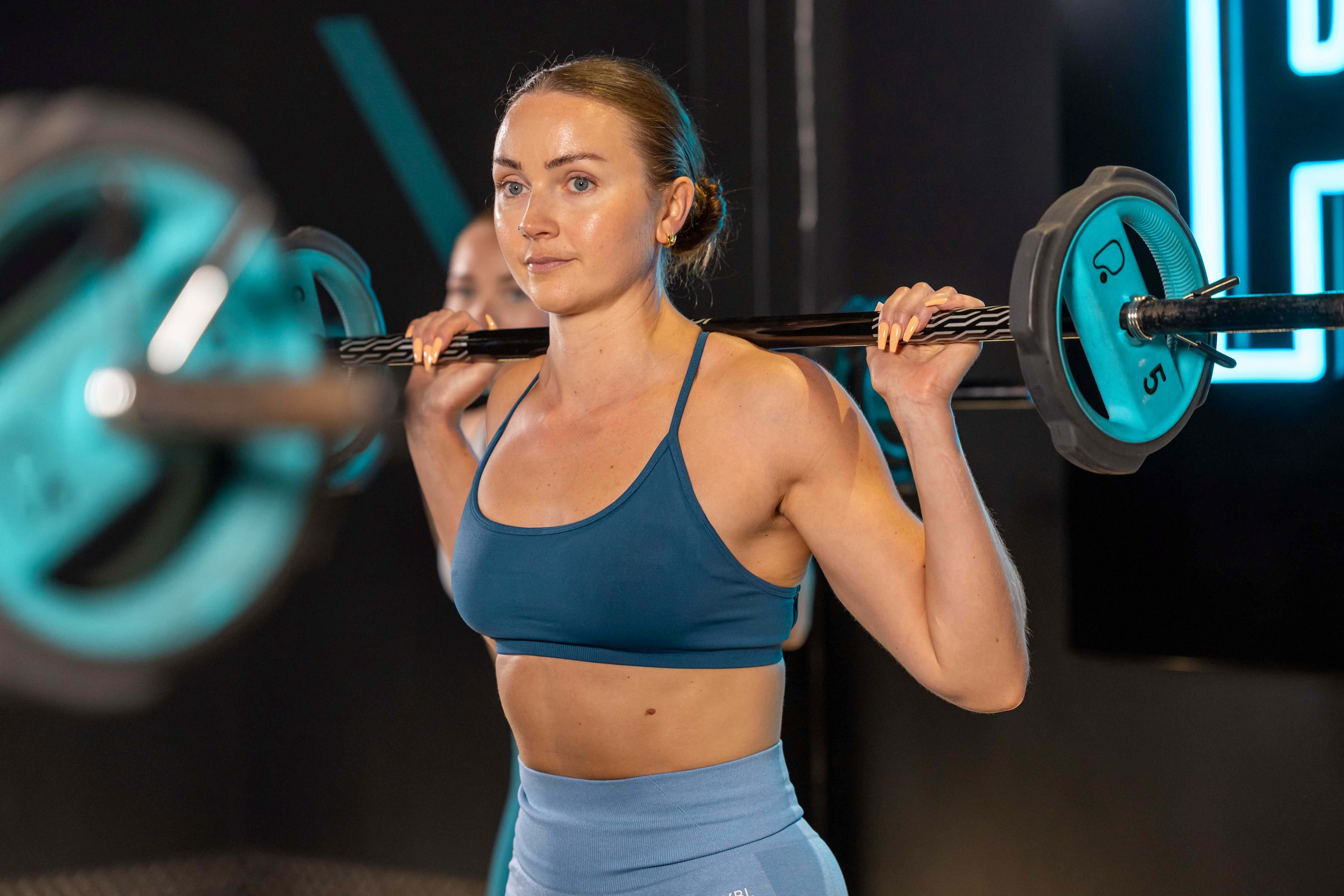
Credit: www.puregym.com
