

What Tricep Workout Works All Heads for Maximum Gains
What Tricep Workout Works All Heads
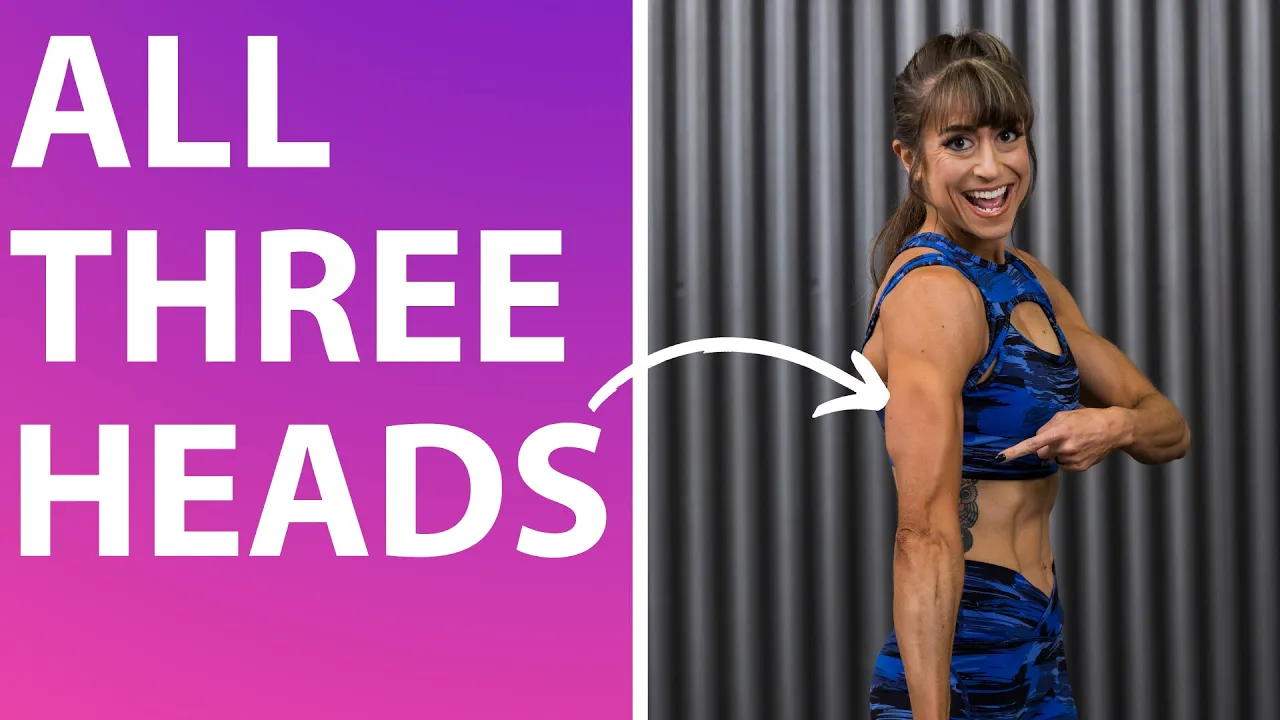
A strong arm is more than just a big bicep. If you want arms that turn heads, you need to focus on your triceps. Surprisingly, the triceps make up about two-thirds of your upper arm size. But building them is not just about doing pushdowns or random extensions. For real growth and definition, you need to target all three heads of the tricep—long head, lateral head, and medial head—with purpose and smart exercise choices.
Many people waste months doing workouts that don’t hit all heads. You might get a little definition, but you’ll never see that full, horseshoe shape unless you train smarter. This guide will help you understand your tricep anatomy, why it matters, and which exercises truly work all parts.
If you want to build stronger, better-looking arms, keep reading.
Understanding Tricep Anatomy
Before you pick up a dumbbell, it’s important to know what you’re working. The triceps brachii is a single muscle with three parts, or “heads. ” Each plays a role in how your arm looks and moves.
The Three Heads Explained
- Long Head: Runs along the back of the upper arm and attaches above the shoulder joint. It’s the largest section and most responsible for overall size.
- Lateral Head: Located on the outer side of your upper arm. It creates that “pop” you see when you flex.
- Medial Head: Sits underneath the other two heads, closer to the midline of your body. It’s less visible, but adds thickness and supports your elbow in every pushing movement.
Why Train All Three Heads?
If you only focus on one head, your arms will look unbalanced and your strength will plateau. For full muscle growth, you need exercises that work all three heads together and also isolate each one sometimes. Training all heads also protects your elbows and shoulders from injury.
How Triceps Work During Exercise
The main job of your triceps is to extend your elbow—straightening your arm from a bent position. But each head helps in different ways depending on your grip, arm angle, and shoulder position.
- Overhead movements (like overhead extensions) stretch the long head more.
- Pressing exercises (like close-grip bench press or dips) use all three heads, especially when your elbows are close to your body.
- Reverse grip or neutral grip movements can help target the medial head.
Knowing these details lets you pick exercises that don’t leave any head behind.
What Makes A Tricep Exercise “complete”?
A good tricep workout for all heads should:
- Use both compound (multi-joint) and isolation (single-joint) exercises
- Include movements with different arm positions (overhead, at your sides, etc.)
- Allow for full range of motion
- Use various grips (pronated, neutral, supinated)
Let’s look at the exercises that science and experience show actually work all tricep heads.
Top Tricep Exercises That Hit All Heads
Not all tricep exercises are equal. Some only hit one or two heads, while others give you full coverage. Here’s a breakdown of the best moves for full tricep activation.
1. Close-grip Bench Press
This is a compound exercise that targets all three heads.
- How to do it: Lie on a bench, grip the barbell a little narrower than shoulder-width, lower to your chest, and press up.
- Why it works: Using a close grip shifts more load to your triceps compared to a regular bench press.
- Tip: Don’t go too narrow or you’ll strain your wrists.
2. Parallel Bar Dips
Bodyweight dips are excellent for overall tricep development.
- How to do it: Use parallel bars, lower your body by bending elbows, then press back up.
- Why it works: Dips work all three heads, especially when you stay upright. Leaning forward shifts more work to your chest.
- Tip: Keep elbows close to your sides for maximum tricep focus.
3. Overhead Tricep Extension
Any overhead extension stretches and works the long head deeply.
- How to do it: Use a dumbbell, barbell, or cable. Start with arms straight overhead, lower the weight behind your head, then extend.
- Why it works: Only the long head crosses the shoulder joint, so overhead movements target it more.
- Tip: Keep elbows pointing forward and don’t let them flare out.
4. Tricep Rope Pushdown
A classic cable exercise that offers constant tension.
- How to do it: Stand at a cable station, grip the rope, pull the rope down until arms are straight, and spread the ends out at the bottom.
- Why it works: Pushdowns hit all heads, but spreading the rope at the bottom boosts lateral head activation.
- Tip: Focus on full extension and a slow return.
5. Skullcrushers (lying Tricep Extensions)
This isolation move gives a deep stretch and strong contraction.
- How to do it: Lie on a bench, hold an EZ-bar or dumbbells above your chest, bend elbows to lower weight to your forehead, then extend up.
- Why it works: Adjusting the bar path slightly behind your head brings more long head into play.
- Tip: Don’t let your upper arms drift back and forth—keep them steady.
6. Diamond Push-ups
No equipment? Diamond push-ups work all three heads.
- How to do it: Place hands together under your chest, making a diamond shape with your fingers. Lower and press up.
- Why it works: Hands close together make your triceps work harder.
- Tip: If it’s too tough, drop to your knees.
7. Kickbacks
A focused move for the lateral and medial heads.
- How to do it: Hold a dumbbell, bend forward, upper arm parallel to your body, extend your arm back.
- Why it works: At the top, the triceps are fully contracted, especially the lateral head.
- Tip: Use a lighter weight and focus on squeezing the muscle.
Comparison Of Key Tricep Exercises
It helps to see which exercises stress each tricep head the most. Here’s a quick reference:
| Exercise | Long Head | Lateral Head | Medial Head |
|---|---|---|---|
| Close-Grip Bench Press | High | High | Medium |
| Overhead Extension | Very High | Medium | Medium |
| Rope Pushdown | Medium | High | High |
| Diamond Push-Up | High | High | Medium |
| Kickback | Low | High | Medium |
Sample Workouts For Complete Tricep Development
You don’t need to do every exercise in one session. Instead, mix and match for the best results. Here are two sample routines:
Beginner Tricep Workout
- Close-Grip Bench Press – 3 sets x 8-10 reps
- Rope Pushdown – 3 sets x 10-12 reps
- Overhead Dumbbell Extension – 2 sets x 12-15 reps
Advanced Tricep Workout
- Weighted Dips – 4 sets x 6-8 reps
- Skullcrushers – 4 sets x 8-10 reps
- Rope Pushdown – 3 sets x 10-12 reps
- Kickbacks – 2 sets x 15 reps (light weight, focus on squeeze)
Tips:
- Rest 60-90 seconds between sets.
- Use good form—don’t rush the reps.
- Change the order every few weeks to keep muscles guessing.
The Science Behind Tricep Activation
Electromyography (EMG) studies measure how much a muscle works during an exercise. Research shows:
- Overhead exercises (like extensions) create the highest activation in the long head.
- Pushdowns and close-grip presses score highest for lateral and medial heads.
- Diamond push-ups produce similar activation to weighted dips and are good for home workouts.
A study from the American Council on Exercise found that close-grip bench press and dips produce the greatest overall tricep muscle activity, making them top choices for anyone who wants full development.
Mistakes That Prevent Full Tricep Growth
Even with the right exercises, many lifters miss out on full results because of common mistakes:
- Poor range of motion: If you don’t fully extend and bend your elbows, you leave gains on the table.
- Elbow position: Letting elbows flare out or move around reduces tension on the triceps and adds stress to the joints.
- Neglecting overhead work: Many skip overhead moves, which means the long head (the biggest part) doesn’t get enough work.
- Using too much weight: Cheating with momentum takes tension off the muscle and puts it on your joints.
- Not varying grip or angles: Doing only pushdowns or only extensions leaves gaps in your development.
Insight: Focus on feeling the muscle contract, not just moving the weight. Mind-muscle connection is key.

Credit: www.retrospektywy.org
How To Progress And Keep Gaining
Triceps, like all muscles, need progressive overload to grow. This means:
- Increase weight slowly (when you can do all reps easily).
- Add more sets or reps over time.
- Try new exercises or change the order every 4-6 weeks.
But more is not always better. Training triceps too often can lead to overuse injuries, especially in the elbows.
Pro Tip: If your elbows start to ache, cut back on volume and check your form. Warm up well and don’t lock out aggressively at the top of the movement.
How Many Times A Week Should You Train Triceps?
Most people see good results training triceps 2 times per week. This allows enough stimulus for growth without overtraining. If you do a lot of chest or shoulder pressing, your triceps are already getting some work. In this case, keep direct tricep work to about 6-10 hard sets per week.

Credit: www.youtube.com
Best Equipment For Tricep Training
You don’t need fancy machines, but some equipment can make your workout more effective:
- Barbell: For close-grip presses and skullcrushers
- Dumbbells: For overhead extensions and kickbacks
- Cables: For pushdowns and constant tension
- Bodyweight: Dips and diamond push-ups can be done anywhere
Here’s a quick equipment comparison:
| Equipment | Best Uses | Pros | Cons |
|---|---|---|---|
| Barbell | Presses, Skullcrushers | Heavy loads, easy to progress | May strain wrists/elbows |
| Dumbbells | Extensions, Kickbacks | Good range of motion, easy on joints | Harder to go very heavy |
| Cables | Pushdowns, Overhead work | Constant tension, many grip options | Need access to a gym |
| Bodyweight | Dips, Push-Ups | No equipment needed, easy to adjust | Progressing can be tough |
Common Questions About Tricep Anatomy And Training
Does Grip Width Change Tricep Activation?
Yes. A narrow grip in bench presses or push-ups shifts more load to the triceps, especially the medial and lateral heads. But going too narrow can hurt your wrists and shoulders. A grip just inside shoulder width is usually best.
Are Machines Or Free Weights Better?
Both have benefits. Free weights (barbells and dumbbells) help you build stabilizer muscles and allow for more natural movement. Machines and cables provide constant tension and are easier on joints, but sometimes limit your range of motion.
Tip: Use both types in your routine for best results.
Can You Work Triceps At Home?
Absolutely. Diamond push-ups, bench dips, and overhead extensions with a backpack or water bottle work well. If you can do high reps, slow down the movement to make it harder.
How Do You Avoid Elbow Pain?
- Warm up with light weights and arm circles.
- Don’t lock your elbows hard at the top.
- Use a neutral grip (palms facing each other) for extensions if regular ones hurt.
- Avoid overtraining—rest is important.
Advanced Tips For Maximum Growth
If you want to push past plateaus, try these strategies:
- Paused Reps: Pause for 2 seconds at the bottom or top of a movement. This increases time under tension and helps the muscle work harder.
- Drop Sets: After you hit failure, drop the weight and do more reps with lighter weight. Great for pushdowns or kickbacks.
- Partial Reps: For the long head, try doing the bottom half of overhead extensions after you can’t do full reps.
- Change Tempo: Slow down the lowering phase to increase muscle stress.
- Supersets: Pair two tricep moves together with no rest in between, like skullcrushers followed by rope pushdowns.
Insight: Always focus on quality over quantity. Three solid sets with perfect form beat ten sloppy sets with heavy weight.
Real-world Examples: Athlete Tricep Training
Top athletes use a mix of compound and isolation moves. For example, many professional bodybuilders start with heavy close-grip bench presses or weighted dips for strength, then use overhead extensions and pushdowns to finish the muscle.
Powerlifters often train triceps with board presses (pressing the bar from a few inches above the chest), which targets lockout strength and all tricep heads.
Observation: The most successful athletes rarely stick to one exercise—they use a variety and focus on good form and progressive overload.
Why Genetics Matter (but Don’t Let Them Stop You)
Some people see tricep growth faster due to muscle insertion points and genetics. But almost everyone can improve their triceps with smart training. If you have a hard time seeing the “horseshoe,” focus extra on overhead work and squeezing at the top of each rep.
Fact: Even if your triceps don’t grow as fast as your biceps, they can still improve a lot, especially in thickness and definition.
How To Combine Triceps With Other Muscle Groups
You don’t need to train triceps alone. Many routines mix triceps with:
- Chest: Since many pressing movements hit both muscles, it’s efficient.
- Shoulders: Overhead presses and extensions work both muscles.
- Arms: Pairing biceps and triceps creates a focused arm day.
If you do triceps after chest or shoulders, reduce your direct tricep volume since they’re already fatigued.
Nutrition And Recovery For Tricep Growth
Building muscle isn’t just about lifting. For real results:
- Eat enough protein: Aim for 0.7–1 gram per pound of bodyweight.
- Sleep at least 7 hours per night for recovery.
- Stay hydrated so your muscles can work and recover.
Supplements aren’t magic, but creatine and whey protein are well-studied and can help if your diet is lacking.
Tricep Training For Different Goals
Your workout can change based on what you want:
- Size (hypertrophy): Use 8–15 reps, focus on mind-muscle connection, and do a mix of compound and isolation exercises.
- Strength: Lower reps (4–8), heavier weight, more rest between sets.
- Endurance: Higher reps (15–20+), lighter weight, shorter rest.
Whatever your goal, form always comes first. Don’t sacrifice quality for quantity.
Signs Your Tricep Workout Is Working
How Do You Know You’re Hitting All Heads?
- You feel a strong burn in the back and side of your arm after the workout.
- Your arms feel pumped and tight.
- Over weeks, you notice more arm thickness, especially near the elbow.
- Your pressing strength improves on bench presses and dips.
Progress can be slow, but if you’re consistent, results will come.
Example Tricep Progression Plan
If you’re starting from scratch, here’s how you might progress over 8 weeks:
| Week | Exercises | Sets x Reps |
|---|---|---|
| 1-2 | Close-Grip Bench, Rope Pushdown | 2 x 10 each |
| 3-4 | Add Overhead Extension | 3 x 10, 2 x 12, 2 x 12 |
| 5-6 | Diamond Push-Up, Skullcrusher, Pushdown | 3 x 12 each |
| 7-8 | Dips, Overhead Extension, Kickback | 3 x 8, 3 x 12, 2 x 15 |
Increase weight or reps when you complete all sets easily.
Credit: redefiningstrength.com
When To Change Your Routine
If progress stalls for 2-3 weeks, it’s time to adjust:
- Swap exercises (e.g., use cables instead of dumbbells).
- Change the order.
- Increase or decrease reps.
- Take a deload week (do less to recover).
Reminder: Your body adapts quickly. Keep your triceps guessing for best results.
Where To Learn More
For a deeper dive into tricep anatomy and training, check out this Wikipedia page on the triceps brachii muscle.
Frequently Asked Questions
What Is The Best Tricep Exercise For All Heads?
The close-grip bench press is one of the best because it works all three heads at once. Pairing it with an overhead extension and a pushdown ensures full coverage.
Can I Train Triceps And Biceps On The Same Day?
Yes, you can. Many people do an “arm day” with both. Just make sure you don’t overdo volume—6–10 hard sets per muscle is plenty.
How Long Does It Take To See Tricep Growth?
Most people notice a difference in 4–8 weeks if they train consistently, eat well, and use good form. Genetics, diet, and recovery all play a role.
Are Dips Safe For Elbows?
Dips are safe if you use good form: keep elbows close, don’t go too deep, and avoid locking out too hard. If you feel pain, switch to pushdowns or extensions.
What’s The Biggest Mistake In Tricep Training?
The top mistake is neglecting the long head by skipping overhead movements. Also, using too much weight and poor form can cause injury and slow progress.
If you want stronger, fuller arms, focus on a balanced tricep routine that works all heads. Use a mix of compound and isolation exercises, adjust your grip and angles, and always prioritize good form. With patience and smart training, your triceps will grow—and your arms will look better than ever.
