

What Tricep Workout Hits the Long Head for Maximum Gains
What Tricep Workout Hits The Long Head
Building strong, defined arms is a common goal for many gym-goers. But most people don’t realize that the triceps muscle is actually much larger than the biceps. If you want big, powerful arms, you need to focus on the triceps. This muscle has three parts, or “heads”: the long head, lateral head, and medial head. The long head is the biggest part, and it gives your upper arm the thickness and shape you see in top athletes. But not all tricep exercises hit the long head equally. In fact, many popular workouts mostly train the other heads. If you want to really target the long head and see results, you need to choose the right movements and understand how they work.
This article will help you find the best tricep workouts for the long head, explain why the long head matters, and show you how to get the most from your training. We’ll also cover common mistakes, practical advice, and even use tables to compare exercises so you can build a routine that works for you.
Understanding The Triceps Muscle
The triceps brachii is a three-headed muscle located at the back of your upper arm. It’s responsible for straightening your elbow and also helps stabilize your shoulder. Here’s a quick breakdown:
- Long head: Runs from the shoulder blade down the arm. It is the largest head and gives your arm thickness.
- Lateral head: Located on the outer side of the arm. It creates the “horseshoe” shape.
- Medial head: Sits underneath the other two heads. It’s used for all tricep movements but is less visible.
The long head is unique because it crosses both the shoulder and elbow joints. That means it’s not just involved in elbow extension (straightening your arm), but it also plays a role when your arm moves away from your body. Many exercises only focus on elbow movement, missing the long head.
Why Target The Long Head?
The long head is the biggest and most powerful part of the triceps. When you develop it, your arms look fuller from every angle. Here’s why it matters:
- Arm size: The long head adds thickness to your upper arms.
- Strength: It plays a key role in pushing movements, like bench press and overhead press.
- Balance: It helps stabilize your shoulder joint during exercises.
If you neglect the long head, your arms may look flat or lack definition. Many beginners only do pushdowns or dips, which mostly hit the lateral and medial heads. To get a balanced, strong look, you need to train the long head directly.
How The Long Head Works
To understand how to target the long head, you need to know how it moves. The long head is stretched when your arm is overhead or behind your body. This stretching makes the long head work harder during certain exercises. Here are the main actions:
- Elbow extension: Straightening your arm.
- Shoulder extension: Moving your arm behind your body.
- Shoulder flexion: Raising your arm overhead.
When your arm is overhead (like in an overhead tricep extension), the long head is stretched and activated more. That’s why exercises with your arm above your head are best for targeting the long head.
Best Tricep Exercises For The Long Head
Not all tricep exercises are equal. Here are the top movements that hit the long head, with clear explanations and practical tips.
1. Overhead Tricep Extension (dumbbell Or Cable)
This exercise is one of the most effective for the long head. By raising your arm overhead, you stretch the long head and force it to work harder.
- How to do it: Sit or stand with a dumbbell held in both hands. Extend your arms overhead. Lower the dumbbell behind your head, then straighten your arms.
- Tip: Keep your elbows close together. Don’t let them flare out, or you’ll lose tension on the long head.
Common mistake: Using too much weight and swinging the arms. This makes the shoulders work more than the triceps.
2. Single-arm Overhead Extension
This is similar, but you use one arm. It helps correct imbalances and lets you focus on each side.
- How to do it: Hold a dumbbell in one hand. Extend your arm overhead, lower the dumbbell behind your head, and straighten your arm.
- Tip: Go slow. Don’t rush the movement.
Common mistake: Letting the elbow move too much. Keep it pointed up for best results.
3. Skullcrusher (lying Tricep Extension)
Skullcrushers are famous for building triceps. When you use an incline bench, the long head is even more activated.
- How to do it: Lie on a bench. Hold a barbell or dumbbells above your chest. Lower them toward your forehead, then extend your arms.
- Tip: Use a slight incline for extra long head activation.
Common mistake: Lowering the weight too fast and risking injury.
4. Incline Dumbbell Tricep Extension
This variation puts your arms at an angle that stretches the long head more.
- How to do it: Set the bench at a 30–45 degree angle. Hold dumbbells above your head, lower them behind you, and extend your arms.
- Tip: Keep your head pressed into the bench for stability.
5. Rope Overhead Extension (cable)
Using a rope attachment lets you change your hand position and get a deeper stretch.
- How to do it: Attach a rope to the high pulley. Face away from the machine, hold the rope, and extend your arms overhead.
- Tip: Split the rope at the top for a stronger contraction.
6. Close-grip Bench Press
This compound exercise works all triceps heads, but the long head is involved when you lower the bar deeply.
- How to do it: Lie on a bench, grip the bar with hands closer than shoulder-width. Lower the bar to your chest and press up.
- Tip: Keep elbows close to your sides.
7. Tricep Kickback
While not as strong as overhead movements, kickbacks still hit the long head, especially if you keep your arm behind your body.
- How to do it: Hold a dumbbell, bend forward, and extend your arm behind you.
- Tip: Pause at the top for maximum squeeze.
8. French Press
This is a classic overhead barbell movement.
- How to do it: Sit and hold a barbell above your head. Lower it behind your head and extend your arms.
- Tip: Use a lighter weight to avoid shoulder strain.
9. Reverse Grip Tricep Pushdown
Changing your grip activates the long head more than the standard pushdown.
- How to do it: Use an underhand grip with a straight bar on the cable machine. Push the bar down, keeping elbows tight.
- Tip: Don’t lean forward; keep your torso upright.
10. Dumbbell Pullovers
Though mainly a chest exercise, pullovers also stretch the long head.
- How to do it: Lie on a bench, hold a dumbbell, and lower it behind your head. Pull it back over your chest.
- Tip: Use slow, controlled movements.
Comparing Tricep Exercises For Long Head Activation
To help you choose, here’s a table comparing popular tricep exercises and their impact on the long head.
| Exercise | Long Head Activation | Lateral Head Activation | Medial Head Activation |
|---|---|---|---|
| Overhead Extension | High | Medium | Medium |
| Skullcrusher | High | Medium | Medium |
| Kickback | Medium | High | Medium |
| Pushdown | Low | High | High |
| Close-Grip Bench | Medium | Medium | Medium |
| French Press | High | Medium | Medium |
From this table, you can see that overhead movements and skullcrushers are best for the long head. Pushdowns, often used in gyms, do not target it well.
How To Structure Your Workout For Long Head Growth
To build the long head, you need a balanced workout plan. Here’s a sample routine:
- Overhead tricep extension: 3 sets x 10–12 reps
- Skullcrusher (incline bench): 3 sets x 8–10 reps
- Rope overhead extension: 2 sets x 12–15 reps
- Close-grip bench press: 3 sets x 8–10 reps
Tip: Start your workout with overhead movements. The long head is freshest and will get maximum activation.
Training Frequency
For most people, training triceps 2–3 times per week is ideal. This gives you enough volume for growth, but also enough rest.
- Beginners: 2 times a week
- Intermediate/Advanced: 3 times a week

Credit: www.youtube.com
Common Mistakes When Training The Long Head
Many people miss out on long head growth because they make simple mistakes. Here are the most common:
- Ignoring overhead movements: Only doing pushdowns or dips.
- Using too much weight: Sacrificing form for heavy loads.
- Not stretching the long head: Failing to move the arm overhead or behind the body.
- Poor elbow position: Letting elbows flare out, losing tension.
- Not enough volume: Doing too few sets or reps.
How To Avoid These Mistakes
- Always include at least one overhead movement each session.
- Use a weight that lets you keep perfect form.
- Focus on the stretch at the bottom of each rep.
- Keep elbows tight and close together.
- Track your sets and reps to ensure enough volume.
Advanced Tips For Long Head Tricep Training
Once you master the basics, you can use advanced strategies to push your long head development further.
1. Stretch Overload
Research shows that muscles grow best when stretched under load. Pause at the bottom of overhead extensions for 1–2 seconds before pressing up.
2. Supersets
Pair an overhead movement with a compound exercise. For example, do overhead extensions followed by close-grip bench press. This boosts blood flow and muscle activation.
3. Slow Eccentric
Lower the weight slowly (3–4 seconds) during overhead movements. This increases time under tension and makes the long head work harder.
4. Training Angle Variation
Change the bench angle during skullcrushers or dumbbell extensions. This hits the long head from different positions, leading to fuller growth.
5. Mind-muscle Connection
Focus mentally on the long head during each rep. Studies show that thinking about a muscle working increases activation.
Choosing The Right Equipment
You can target the long head with different tools:
- Dumbbells: Allow for freedom of movement and help fix imbalances.
- Barbells: Best for heavy compound movements.
- Cables: Provide constant tension and allow for unique angles.
- Machines: Good for beginners and high-rep sets.
Here’s a table showing equipment options for long head exercises:
| Exercise | Equipment | Pros | Cons |
|---|---|---|---|
| Overhead Extension | Dumbbell, Cable, Barbell | High activation, easy to learn | Shoulder strain if form is poor |
| Skullcrusher | Barbell, Dumbbell | Heavy loading, strong stretch | Risky for elbows if overloaded |
| Kickback | Dumbbell, Cable | Isolates each arm | Hard to use heavy weight |
| Rope Extension | Cable | Easy to adjust, constant tension | Limited by cable setup |
| French Press | Barbell | Classic movement, strong stretch | Harder for beginners |
Sample Long Head Tricep Workout (with Practical Advice)
If you want to build your long head, try this workout. It’s designed for intermediate lifters, but beginners can use lighter weights and fewer sets.
- Overhead Dumbbell Extension
- 3 sets x 12 reps
- Rest: 60 seconds between sets
- Incline Skullcrusher
- 3 sets x 10 reps
- Rest: 90 seconds
- Cable Rope Overhead Extension
- 2 sets x 15 reps
- Rest: 45 seconds
- Close-Grip Bench Press
- 3 sets x 8 reps
- Rest: 90 seconds
Practical tips:
- Warm up shoulders and elbows before starting.
- Use slow, controlled movements, especially in overhead exercises.
- Pause at the stretch (bottom) for 1 second.
- Focus on squeezing the triceps at the top.
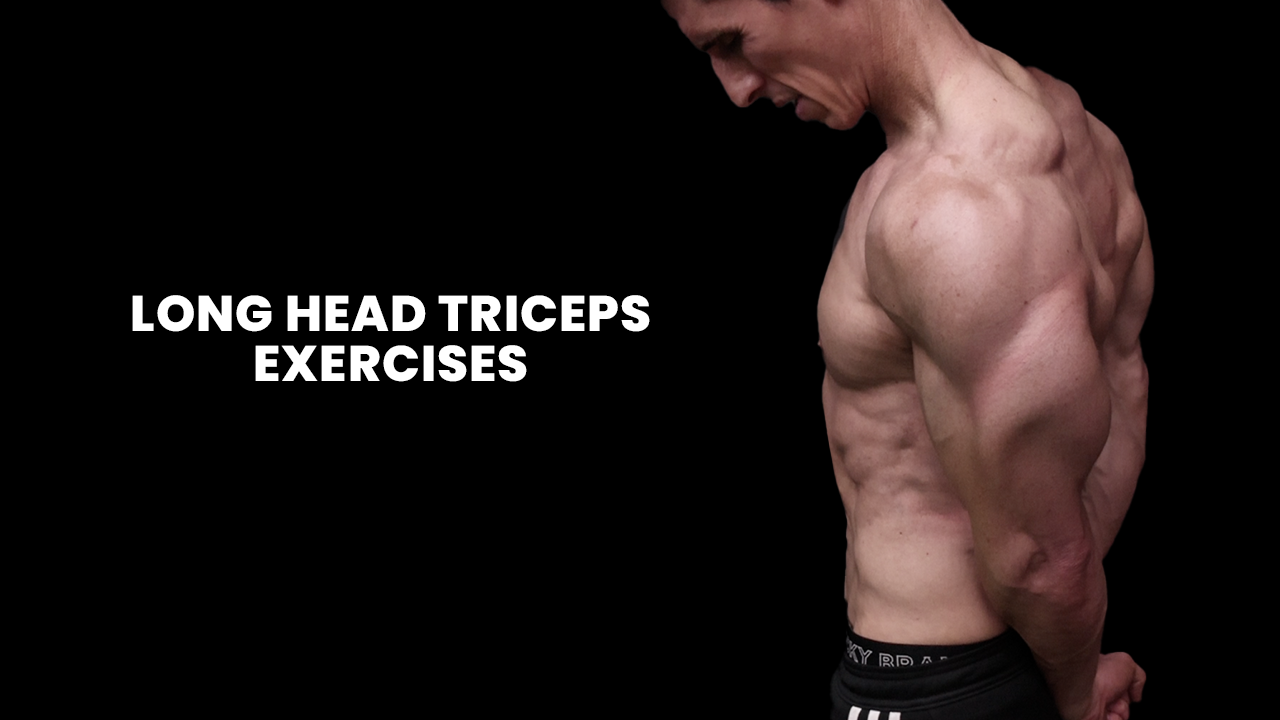
Credit: learn.athleanx.com
Real-world Examples: How Athletes Train The Long Head
Top bodybuilders and athletes often use a mix of isolation and compound movements to build the long head. For example:
- Arnold Schwarzenegger used overhead extensions and incline skullcrushers in almost every arm workout.
- Powerlifters focus on close-grip bench presses to build strength and size.
- Fitness models use cables for high-rep rope extensions, adding definition.
These routines show that a variety of movements, angles, and equipment produces the best results.
Progress Tracking And Measuring Success
It’s important to track your progress to ensure your long head is growing. Here’s how:
- Take regular photos: Compare arm size and shape every month.
- Measure upper arm circumference: Use a tape measure around the thickest part.
- Track weights and reps: Write down every workout, noting improvements.
If your arm size stalls, add more overhead movements or increase volume.
Nutrition For Tricep Growth
Muscle growth depends on more than just exercise. Your diet matters too.
- Protein: Aim for 1 gram per pound of bodyweight daily.
- Carbohydrates: Provide energy for heavy workouts.
- Healthy fats: Support hormone balance.
Hydration is also key. Drink water before, during, and after your workout.
Recovery And Rest
Muscles grow when you rest, not when you train. For the long head, allow at least 48 hours between heavy tricep sessions.
- Sleep: Aim for 7–9 hours each night.
- Stretching: Gentle stretches after workouts help reduce soreness.
- Active recovery: Light cardio or mobility work on rest days.
Common Beginner Questions (non-obvious Insights)
Many people believe that any tricep exercise will build all heads equally. This isn’t true. The long head needs special attention. Here are two insights beginners often miss:
- Stretch position matters: The long head is most activated when the arm is overhead or behind the body. Pushdowns and dips won’t stretch it enough.
- Mind-muscle connection: Focusing mentally on the long head during reps increases muscle activation, according to research.
How To Avoid Plateaus
If your triceps stop growing, try these strategies:
- Change exercise angles: Use incline, flat, and overhead positions.
- Increase volume: Add extra sets or reps.
- Try supersets: Combine two exercises back-to-back.
- Use slow negatives: Lower weights slowly to increase time under tension.
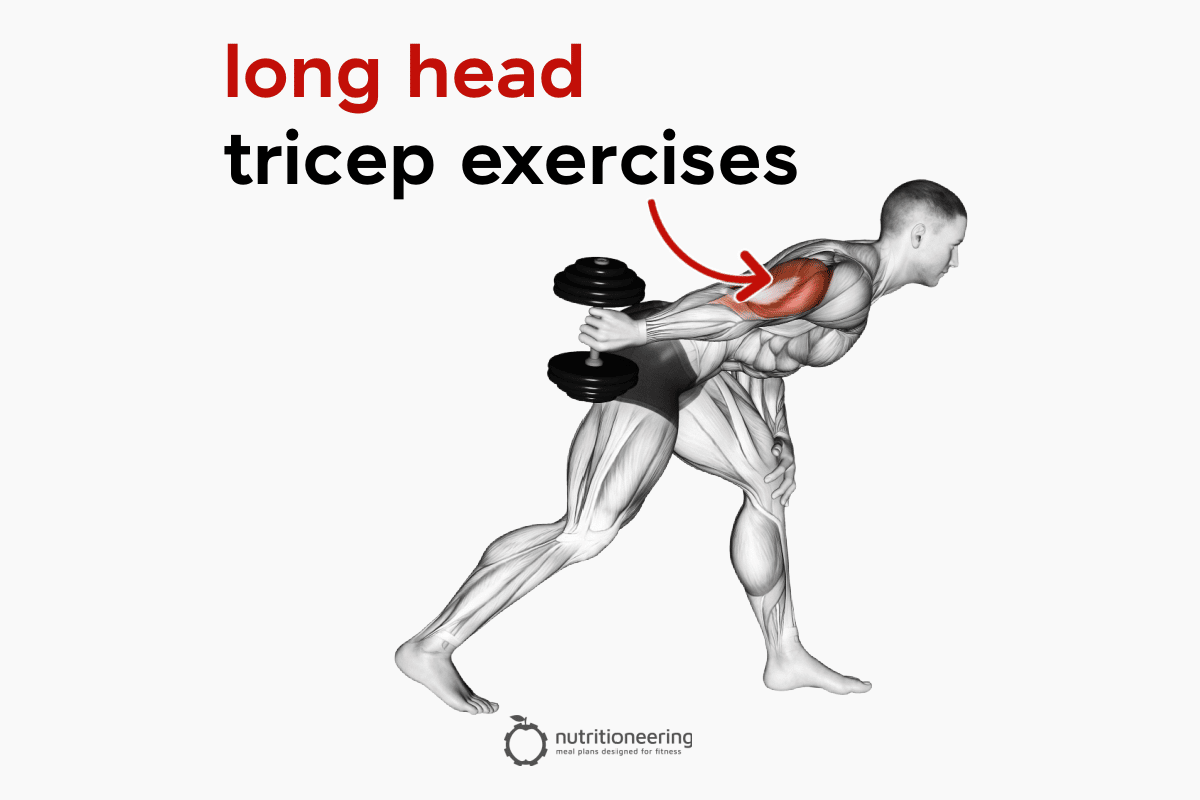
Credit: www.bodybuildingmealplan.com
Safety And Injury Prevention
Tricep exercises, especially overhead movements, can strain the elbows and shoulders. Here’s how to stay safe:
- Warm up properly: Use light weights and dynamic stretches.
- Avoid heavy weights with poor form: Focus on control.
- Don’t lock out elbows: Stop just short of full extension.
- Listen to your body: If you feel pain, stop and rest.
The Role Of Genetics
Genetics play a part in how your triceps look. Some people have naturally bigger long heads, while others need to work harder.
- Arm shape: Genetics decide where muscle attaches and how it grows.
- Muscle response: Some people see faster results.
But everyone can improve their long head with proper training.
Using Supplements For Tricep Growth
Supplements can help, but they’re not magic. Here are the most useful:
- Protein powder: Helps you reach daily protein goals.
- Creatine: Supports strength and muscle growth.
- Pre-workout: Gives energy for tough sessions.
Always use supplements safely and read labels.
Long Head Tricep Training For Women
Women can benefit from long head training too. It creates toned, shapely arms without bulky muscle.
- Use lighter weights and higher reps.
- Focus on overhead movements.
- Add cable exercises for definition.
Combining Tricep And Bicep Training
For balanced arms, train triceps and biceps together.
- Alternate exercises (one tricep, one bicep).
- Use superset methods.
- Rest 1–2 minutes between sets.
Here’s a quick comparison table for arm training combos:
| Workout Split | Tricep Exercise | Bicep Exercise | Benefits |
|---|---|---|---|
| Superset | Overhead Extension | Curl | Time efficient, high intensity |
| Alternate Sets | Skullcrusher | Hammer Curl | Balanced fatigue |
| Full Arm Day | Kickback | Reverse Curl | Complete arm development |
Frequently Asked Questions
What Is The Best Exercise For Hitting The Long Head Of The Triceps?
The overhead tricep extension (with dumbbell or cable) is the best exercise. It stretches the long head and forces it to work harder than other movements. Incline skullcrushers and French press are also effective.
How Often Should I Train My Triceps For Long Head Growth?
Most people see good results with 2–3 sessions per week. Allow at least 48 hours between heavy tricep workouts to let the muscles recover and grow.
Can I Build The Long Head With Pushdowns And Dips?
Pushdowns and dips mostly target the lateral and medial heads. To build the long head, include overhead movements in your routine. You can still use pushdowns for overall size.
Is It Normal For My Elbows To Hurt During Overhead Tricep Movements?
Mild discomfort is common, but sharp pain is not. Use lighter weights, warm up properly, and avoid locking out your elbows. If pain continues, try a different exercise or consult a professional.
How Can I Tell If My Long Head Is Growing?
You’ll notice more thickness in the upper arm, especially when flexing. Measure your arm size and take progress photos. Growth is slow, but consistent training and proper exercise choice will show results.
Final Thoughts
Building strong, defined arms is about more than just lifting weights—it’s about knowing which exercises work and why. The long head of the triceps is key for arm thickness, strength, and balance. Many gym-goers miss out by focusing on pushdowns and dips, but overhead movements and smart training angles make all the difference.
If you want to see real progress, include overhead extensions, skullcrushers, and French presses in your routine. Track your progress, use good form, and don’t forget rest and nutrition.
Remember, every arm is different, but the right workout will help you build the shape and strength you want. With the advice in this article, you’re ready to make your long head triceps stand out. For more exercise science, visit ExRx.net.
