

What is Glute Workout? Benefits, Exercises, and Pro Tips
What Is Glute Workout
The glute muscles often get attention for their role in shaping the body, but their importance goes far beyond appearance. A glute workout is a set of exercises designed to train the muscles in your buttocks—mainly the gluteus maximus, gluteus medius, and gluteus minimus. If you want stronger legs, better athletic performance, or relief from back pain, glute workouts can be a powerful solution. Many people don’t realize how much these muscles affect daily movement, balance, and even injury prevention. This article will help you understand what a glute workout is, why it matters, how to do it safely, and how to get the most out of your training.
Why Glute Workouts Matter
The glute muscles are among the largest and strongest in your body. They help with walking, running, jumping, and standing up. When your glutes are weak, you may have trouble with simple movements, and your body can compensate in ways that lead to pain or injury.
Studies show that strong glutes can reduce lower back pain and help prevent injuries to the knees and hips. For athletes, glute strength is linked to better sprinting, jumping, and endurance. Even for people who sit all day at work, glute workouts help keep the hips and pelvis healthy.
Common Problems From Weak Glutes
If you ignore glute training, you might face problems like:
- Lower back pain
- Knee pain
- Poor posture
- Reduced athletic performance
Many people don’t realize their glutes are weak. Sometimes, the pain in your back or knees is a sign that your glutes need attention.
Anatomy Of The Glute Muscles
Knowing the glute muscles helps you understand why different exercises target different parts of your buttocks.
| Glute Muscle | Main Function | Exercise Example |
|---|---|---|
| Gluteus Maximus | Hip extension, outward rotation | Squats, hip thrusts |
| Gluteus Medius | Hip abduction, stabilization | Side-lying leg raises, band walks |
| Gluteus Minimus | Hip abduction, internal rotation | Lateral lunges, clamshells |
- Gluteus maximus: The largest muscle; gives shape and power for movements like standing up and climbing.
- Gluteus medius: Located on the side; important for balance and keeping your hips steady.
- Gluteus minimus: The smallest; helps with hip movement and stability.
Each muscle plays a unique role in movement and posture. Balanced training ensures all three are strong.

Credit: www.youtube.com
What Is A Glute Workout?
A glute workout is a routine focused on exercises that build, strengthen, and activate the glute muscles. This can include bodyweight movements, resistance training, and sometimes stretching or mobility work.
Unlike general leg workouts, glute workouts target the buttocks specifically. Many popular glute exercises also work other muscles like the hamstrings and quadriceps, but the main goal is to train the glutes.
Types Of Glute Workouts
- Bodyweight exercises: Good for beginners or those without equipment.
- Resistance training: Using weights, resistance bands, or machines for more intensity.
- Functional movements: Exercises that mimic daily activities or sports.
Each type can be included in a well-rounded glute workout. Mixing these helps prevent boredom and plateaus.
Benefits Of Glute Workouts
Training the glutes has several benefits, both for physical health and appearance.
Physical Health Benefits
- Improved posture: Strong glutes help keep your pelvis and spine in proper alignment.
- Better athletic performance: Strong glutes boost speed, jumping, and agility.
- Reduced injury risk: Glute strength protects the knees, hips, and lower back.
- Enhanced balance and stability: The glutes help you stay steady during movement.
Appearance Benefits
- Lifted, firm buttocks: Glute workouts can change the shape and tone of your body.
- Lean legs and hips: Many glute exercises also slim and strengthen the lower body.
Non-obvious Insights
- Glute workouts can help with daily activities like standing up from a chair or lifting objects.
- The glutes play a role in core strength—if your glutes are weak, your abs and back have to work harder.
How Glute Workouts Improve Daily Life
Most people don’t realize how often they use their glutes. Everyday tasks like walking, climbing stairs, bending, and even sitting rely on these muscles.
For example, when you stand up from a chair, your glutes help you lift your body. If your glutes are weak, you use your back or knees more, which can lead to pain. Strong glutes also help you avoid falls by keeping your balance.
Example: Glutes And Sitting
People who sit a lot (office workers, students) often have inactive glutes. This can cause the muscles to weaken and even shrink over time, a problem called “gluteal amnesia.” Doing glute workouts helps reactivate these muscles and reverse the effects of too much sitting.
Essential Glute Exercises
A good glute workout includes a mix of exercises that target different parts of the glute muscles. Below are some of the most effective movements.
1. Squats
Squats are the foundation for glute training. They work the gluteus maximus, thighs, and core.
- Stand with feet shoulder-width apart.
- Lower your body by bending knees and hips, keeping your chest up.
- Go down until your thighs are parallel to the floor.
- Push through your heels to stand up.
For extra challenge, add weights or try single-leg squats.
2. Hip Thrusts
Hip thrusts are excellent for glute activation.
- Sit on the floor with your upper back against a bench.
- Place feet flat, knees bent, and a weight (like a barbell) across your hips.
- Thrust your hips up, squeezing your glutes.
- Lower back down and repeat.
This exercise is proven to build glute strength and shape.
3. Lunges
Lunges target the glutes, quads, and hamstrings.
- Stand upright, step forward with one leg.
- Lower until your front thigh is parallel to the ground.
- Push back up and repeat.
Try reverse lunges or lateral lunges to hit different muscles.
4. Glute Bridge
Glute bridges are great for beginners.
- Lie on your back, knees bent, feet flat.
- Lift hips by pushing through heels, squeeze glutes.
- Lower and repeat.
You can add resistance by holding a weight on your hips.
5. Deadlifts
Deadlifts work the glutes, hamstrings, and lower back.
- Stand with feet hip-width apart.
- Hold a barbell or dumbbells in front.
- Bend at hips, keep back straight, lower weights to the ground.
- Stand back up by pushing hips forward.
This exercise is advanced; start with light weights and proper form.
6. Step-ups
Step-ups use a bench or step.
- Step onto the bench with one foot, push up using glutes.
- Step down and repeat with the other leg.
This is functional and improves balance.
7. Clamshells
Clamshells target the gluteus medius.
- Lie on your side, knees bent.
- Lift top knee while keeping feet together.
- Lower and repeat.
Use a resistance band for more challenge.
8. Side-lying Leg Raises
Side-lying leg raises help strengthen gluteus medius and minimus.
- Lie on your side, legs straight.
- Lift top leg upward, keep hips steady.
- Lower and repeat.
Focus on slow, controlled movements.
9. Bulgarian Split Squat
This advanced move hits the glutes and quads.
- Stand in front of a bench, place one foot behind you.
- Lower your body into a squat, keep front knee over ankle.
- Push up and repeat.
Bulgarian split squats are demanding but very effective.
10. Donkey Kicks
Donkey kicks activate the gluteus maximus.
- Start on hands and knees.
- Kick one leg upward and back, squeeze glute.
- Lower and repeat.
Keep your back flat for best results.
Glute Workout Routine Example
Let’s build a sample routine using the exercises above. This routine is suitable for most people and can be adjusted for beginners or advanced trainees.
Sample Beginner Glute Workout
- Squats: 3 sets x 12 reps
- Glute Bridge: 3 sets x 15 reps
- Lunges: 3 sets x 10 reps per leg
- Clamshells: 3 sets x 15 reps per side
- Side-Lying Leg Raises: 2 sets x 12 reps per side
Rest 60 seconds between sets.
Sample Intermediate Glute Workout
- Hip Thrusts: 4 sets x 10 reps
- Deadlifts: 3 sets x 8 reps
- Bulgarian Split Squats: 3 sets x 10 reps per leg
- Step-Ups: 3 sets x 12 reps per leg
- Donkey Kicks: 3 sets x 15 reps per leg
Rest 90 seconds between sets.
Advanced Tips
- Add weights as you get stronger.
- Change the order of exercises for variety.
- Use resistance bands for extra intensity.
Comparing Glute Exercises
Different glute exercises target different muscles and offer unique benefits. Here is a comparison to help you choose the right movements for your goals.
| Exercise | Main Target | Equipment Needed | Difficulty |
|---|---|---|---|
| Squats | Gluteus maximus, thighs | Bodyweight/dumbbells/barbell | Beginner to advanced |
| Hip Thrusts | Gluteus maximus | Bench, barbell (optional) | Intermediate |
| Glute Bridge | Gluteus maximus | Bodyweight/barbell | Beginner |
| Bulgarian Split Squat | Gluteus maximus, quads | Bench, dumbbells (optional) | Advanced |
| Clamshells | Gluteus medius | Bodyweight/resistance band | Beginner |
Choosing a mix of exercises ensures all glute muscles are trained.
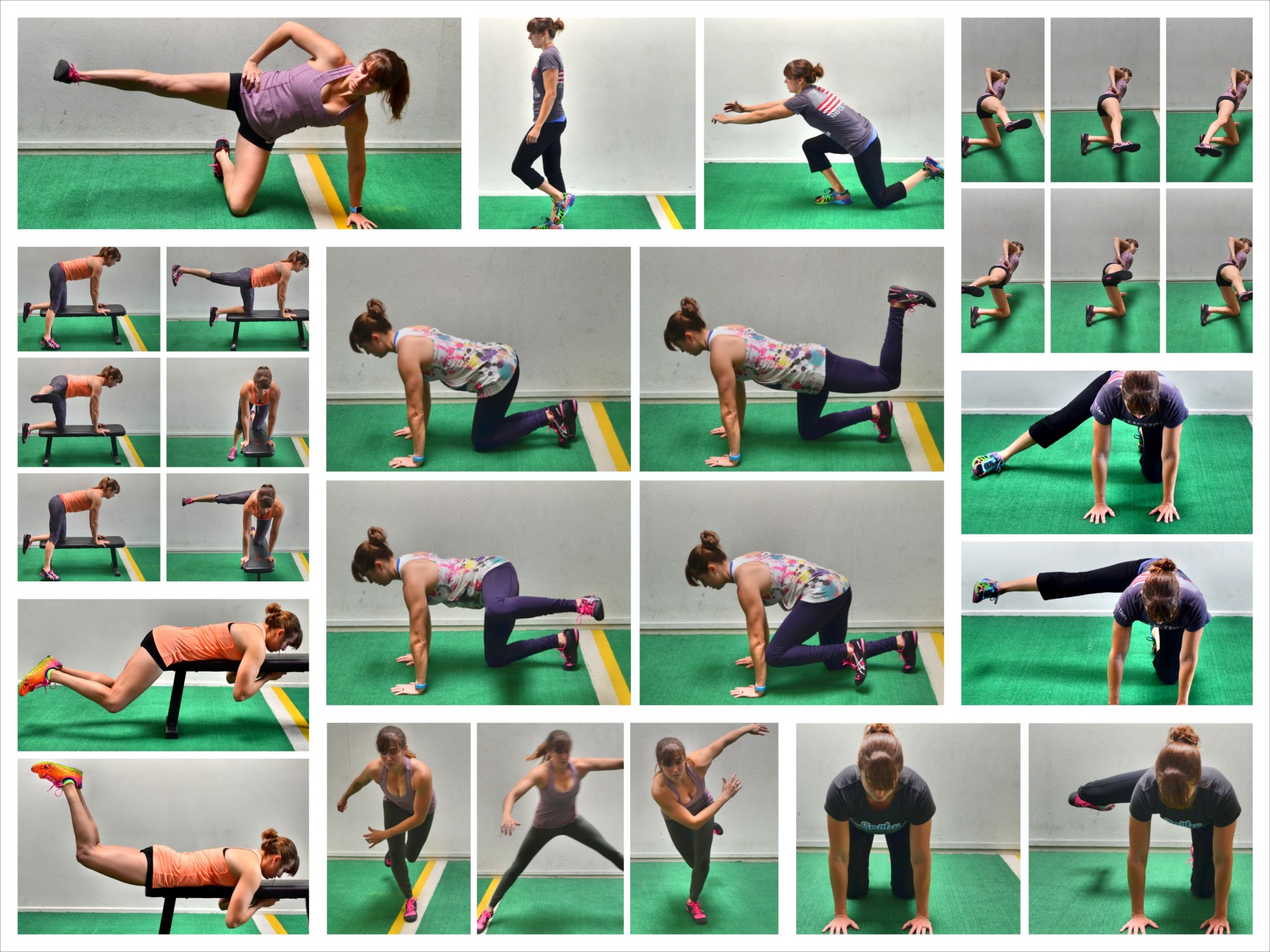
Credit: redefiningstrength.com
Glute Workout Equipment
While you can train your glutes without equipment, certain tools make workouts more effective.
Common Equipment
- Dumbbells: Add weight to squats, lunges, and step-ups.
- Barbells: Useful for hip thrusts and deadlifts.
- Resistance bands: Increase tension in exercises like clamshells and bridges.
- Bench or step: Needed for step-ups and Bulgarian split squats.
- Gym machines: Leg press, cable machines, and Smith machine can be used for advanced training.
Equipment Comparison
| Equipment | Best For | Cost | Portability |
|---|---|---|---|
| Dumbbells | Home workouts | Medium | Medium |
| Barbells | Heavy lifting | High | Low |
| Resistance bands | Travel, variety | Low | High |
| Bench | Hip thrusts, step-ups | Medium | Low |
For beginners, resistance bands and bodyweight exercises are a good start. Advanced trainees may benefit from barbells and machines.
How Often Should You Do Glute Workouts?
Most experts recommend training glutes 2-3 times per week. This allows enough time for recovery and muscle growth.
- Beginners: 1-2 times weekly
- Intermediate: 2-3 times weekly
- Advanced: 3 times weekly
Avoid working glutes on consecutive days. Muscles grow during rest, so recovery is important.
Signs You Need More Recovery
- Soreness that lasts more than 3 days
- Decreased performance
- Trouble sleeping
If you feel these signs, take extra rest between workouts.

Credit: www.fondation-enovos.lu
Common Mistakes In Glute Workouts
Many people make mistakes that limit their progress or cause injury.
1. Poor Form
Bad technique can reduce glute activation and increase injury risk. Always keep your back straight during squats and deadlifts. Don’t let your knees collapse inward.
2. Overusing The Quads
Some exercises, like squats and lunges, can shift the work to the thighs if you don’t focus on glute activation. Push through your heels, not your toes.
3. Not Progressing
Doing the same exercises and weights every workout leads to plateaus. Increase resistance, change exercises, or add reps to keep improving.
4. Skipping Warm-up
A proper warm-up boosts performance and prevents injury. Try 5–10 minutes of light cardio and glute activation (like bridges or band walks).
5. Ignoring Recovery
Muscles need rest. Overtraining can lead to fatigue and poor results. Make sure to sleep well and eat enough protein.
How To Maximize Glute Growth
Getting the best results from glute workouts requires more than just exercise. Here are practical tips to maximize your gains.
1. Focus On Mind-muscle Connection
Think about squeezing your glutes during each movement. This improves muscle activation and growth.
2. Use Progressive Overload
Gradually increase weight, reps, or resistance. This forces your muscles to adapt and grow.
3. Eat Enough Protein
Muscles need protein to repair and grow. Aim for 0.7–1 gram per pound of body weight per day.
4. Mix Up Your Routine
Change exercises, sets, reps, and equipment every few weeks. This prevents plateaus and keeps workouts interesting.
5. Track Your Progress
Write down your workouts, weights, and reps. Tracking helps you see improvements and spot weaknesses.
Non-obvious Tip
Many people forget to train their glutes through different ranges of motion. Try exercises that use both short and deep movements (like deep squats and step-ups) for full muscle development.
How Glute Workouts Help Different Groups
Glute workouts are not just for athletes or people who want a shapely body. They help many groups:
- Older adults: Strong glutes prevent falls and improve mobility.
- Office workers: Glute training counteracts sitting and boosts posture.
- Runners and cyclists: Glutes provide power and prevent injuries.
- People with back pain: Glute strength supports the spine and relieves discomfort.
Example: Glute Training For Seniors
Studies show that seniors who do glute workouts have better balance and are less likely to fall. Simple exercises like glute bridges and step-ups can make a big difference.
Glute Workout Myths
There are many myths about glute training. Let’s clear up the most common ones.
1. “squats Alone Build Glutes”
Squats are effective, but you need more variety. Hip thrusts and bridges activate the glutes more than squats alone.
2. “women Should Train Glutes Differently”
The basics are the same for men and women. Both need progressive overload and varied exercises.
3. “you Need Expensive Equipment”
Bodyweight and resistance bands work well. Equipment helps, but is not required for results.
4. “glute Workouts Make You Bulky”
Glute workouts shape and tone the body. Bulky muscles are rare and require heavy weights plus lots of food.
5. “glute Training Is Only For Athletes”
Everyone benefits from strong glutes, not just athletes.
Glute Workout And Fat Loss
Glute workouts help burn calories and boost metabolism. While they alone don’t “spot reduce” fat, they build muscle. More muscle means a higher resting calorie burn.
Example: Glute Training And Body Composition
People who add glute workouts to their routine often see leaner hips and thighs. This is due to increased muscle, not direct fat loss.
Safety And Injury Prevention
Safety is key in glute workouts. Many injuries come from bad form or overtraining.
How To Stay Safe
- Warm up before every workout.
- Use proper technique—if unsure, ask a trainer.
- Start with light weights and progress slowly.
- Listen to your body; rest if you feel pain.
Common Injuries
- Strains: Overstretching or lifting too much.
- Knee pain: Poor form in squats or lunges.
- Lower back pain: Bad technique in deadlifts.
If you have pain, stop and rest. If pain continues, see a doctor or physical therapist.
Glute Workout For Home Vs Gym
You can do glute workouts at home or in the gym. Each has pros and cons.
Home Glute Workouts
Pros:
- Convenient, no travel
- Low cost
- Privacy
Cons:
- Limited equipment
- May need creativity for variety
Gym Glute Workouts
Pros:
- Access to machines and weights
- Trainer guidance
- Variety
Cons:
- Travel required
- Cost for membership
Both options can build strong glutes. Mix home and gym workouts if possible.
Tracking Glute Workout Results
Success is not just about appearance. Tracking progress helps you stay motivated.
How To Track
- Write down workout details (sets, reps, weights)
- Take photos every 4–6 weeks
- Measure hips and thighs
- Test strength (how much weight you can lift)
Signs Of Progress
- Increased weights or reps
- Better balance
- Less pain in knees or back
- Clothes fit better
Improvements can be slow. Stay consistent and patient.
Glute Workout: Real Data
Research shows that hip thrusts activate the gluteus maximus more than squats. According to electromyography studies, hip thrusts produce about 30% higher muscle activity in the glutes compared to squats.
Training glutes with resistance bands can increase muscle activation by up to 40% versus bodyweight alone.
Women who trained glutes 3 times per week saw a 10–15% increase in muscle size after 12 weeks, according to fitness studies.
Practical Tips For Beginners
Starting a glute workout can feel confusing. Here’s how to make it easier:
- Learn proper form before adding weight.
- Start with 2–3 exercises per workout.
- Use mirrors or record yourself to check form.
- Don’t rush—quality is better than quantity.
- Ask a trainer or coach for help if needed.
Non-obvious Guidance
Many beginners forget to stretch the hip flexors before glute workouts. Tight hip flexors can limit glute activation. Spend 2–3 minutes stretching before you start.
Frequently Asked Questions
What Are The Best Exercises For Glute Growth?
The most effective exercises are hip thrusts, squats, deadlifts, and glute bridges. Each targets the gluteus maximus, medius, and minimus. Adding resistance bands or weights increases results.
How Long Does It Take To See Results From Glute Workouts?
Most people notice changes in 4–8 weeks if they train consistently and eat well. Visible results depend on genetics, diet, and workout intensity.
Can Glute Workouts Help With Back Pain?
Yes, strong glutes support the spine and pelvis, reducing lower back pain. Glute workouts are often recommended by physical therapists for back health.
Do I Need To Go To A Gym For Glute Training?
No, you can do effective glute workouts at home with bodyweight and resistance bands. Gym equipment helps, but is not required.
How Do I Avoid Knee Pain During Glute Workouts?
Focus on proper form. Keep knees in line with toes during squats and lunges. Push through your heels, not your toes. If pain continues, lower the weight or change exercises.
Glute workouts are essential for health, performance, and appearance. With the right approach, anyone can build stronger, healthier glutes. Mix different exercises, use good form, and track your progress. If you want more details on exercise science and muscle activation, check Wikipedia for in-depth information.
Whether you are a beginner or an athlete, training your glutes will improve your life in ways you may not expect. Remember: consistency, variety, and safety are the keys to success. Start your glute workout today and enjoy the benefits for years to come.
