

What Does Squat Proof Leggings Mean? Ultimate Guide Explained
What Does Squat Proof Leggings Mean
If you’ve ever shopped for workout clothes, you might have seen the term squat proof leggings. It sounds important, but what does it actually mean? Are these leggings different from regular tights or yoga pants? Why do fitness fans care so much? And how can you be sure your leggings are truly “squat proof”?
Let’s dive deep. You’ll learn what makes leggings squat proof, how to test them, what materials work best, common mistakes, and how to choose the right pair. Whether you’re a gym beginner or a fitness pro, this guide will help you understand everything about squat proof leggings.
What Does “squat Proof” Actually Mean?
The phrase squat proof describes leggings that stay opaque during movement, especially deep squats. This means the fabric doesn’t become see-through or reveal your skin, underwear, or anything else when you bend or stretch. The term comes from the squat exercise, where you bend your knees and lower your hips. During this movement, the fabric stretches most, so it’s the best test for opacity.
Squat proof leggings are especially important for:
- Gym workouts with lots of bending and stretching
- Yoga and pilates classes
- Running or HIIT sessions
- Anyone who wants to avoid embarrassing moments
Not all leggings are squat proof. Many look fine when you stand still but become see-through when you move. That’s why people check for squat proof leggings before buying workout clothes.
Why Squat Proof Leggings Matter
Choosing squat proof leggings is not just about style. It’s about comfort, confidence, and safety. Here’s why these leggings matter to many people:
- Privacy: You don’t want your underwear or skin showing during exercise.
- Confidence: When you trust your clothes, you focus on your workout—not on adjusting your outfit.
- Durability: Squat proof leggings usually last longer because they’re made from stronger materials.
- Versatility: You can wear them for different activities, knowing they won’t fail you.
- Professionalism: In group classes or gyms, opaque leggings help you feel more comfortable around others.
Some beginners overlook these points. They buy leggings based on looks or price, then regret it when the fabric stretches. Choosing squat proof leggings saves you from this mistake.
How To Test If Leggings Are Squat Proof
You don’t need special tools to test for squat proof leggings. There are several ways to check before you buy or after you receive them.
The Mirror Squat Test
Stand in front of a full-length mirror wearing the leggings. Bend down into a deep squat. Look at the fabric around your thighs, hips, and buttocks. If you see your skin, underwear color, or patterns, the leggings are not squat proof.
The Flashlight Test
Hold a small flashlight against the leggings’ fabric while stretching it. If light passes through easily, the fabric is not opaque enough. This test works well for online shopping when you get the leggings at home.
Ask A Friend
Sometimes, it’s hard to see the back of your own leggings. Ask a trusted friend to watch you do a squat and tell you if anything shows.
The Stretch Test
Take the leggings, stretch the fabric with your hands, and look through it. If you see your fingers or background clearly, the material is likely not squat proof.
Try Different Underwear
Wear brightly colored or patterned underwear under the leggings. If you can see the colors or patterns during squats, the leggings fail the test.
Common Mistake
Beginners often only check leggings when standing still. Always test them in movement, as this is when the fabric stretches most and becomes see-through.
What Makes Leggings Squat Proof?
Not all leggings are made equal. Some brands claim “squat proof,” but the material, construction, and thickness matter more than marketing. Here’s what makes leggings truly squat proof:
Fabric Type
Polyester blends and nylon blends are popular for squat proof leggings. These materials are strong, have good stretch, and stay opaque. Cotton leggings often become see-through because cotton isn’t as strong when stretched.
Thickness And Density
Thicker fabrics are less likely to be see-through. The density of the weave is also important. If the fabric is tightly woven, it stays opaque during movement.
Spandex/elastane Content
Leggings with high spandex (or elastane) content (usually 10% or more) stretch better and return to shape. This helps keep the fabric from becoming see-through.
Dark Colors
Dark-colored leggings (black, navy, charcoal) are less likely to show through than light colors. Light colors can reveal more, especially in thin fabrics.
Double-layered Fabric
Some brands add a second layer of fabric in high-stretch areas (like the buttocks or thighs). This helps maintain opacity.
Seam Placement
Seams in the right places can help leggings fit better and stay opaque. Poorly placed seams may cause the fabric to stretch too much in certain areas.
Quality Control
Top brands test leggings before selling. They use stretch machines, lighting tests, and real people to check for opacity.
Non-obvious Insight
Some leggings use gussets (extra fabric pieces in the crotch area) to reduce stress and keep the fabric opaque. Gussets also increase comfort.
Materials Used In Squat Proof Leggings
Many materials are used for leggings, but not all are good for squat proof designs. Here’s a breakdown of common materials:
Polyester
Polyester is strong, durable, and dries quickly. It resists stretching out of shape, making it a popular choice for squat proof leggings.
Nylon
Nylon is smooth and soft. It has great stretch and recovery, helping leggings stay opaque.
Spandex/elastane
This material adds stretch. Leggings with 10–20% spandex are usually more squat proof.
Cotton
Cotton is soft and comfortable, but it’s not great for squat proof leggings. It stretches easily and becomes see-through.
Bamboo
Some leggings use bamboo fibers for softness and breathability. Bamboo blends can be squat proof if mixed with polyester or spandex.
Comparison Table: Material Squat Proofness
Here’s a quick comparison of common materials for squat proof leggings.
| Material | Squat Proof Rating | Comfort | Stretch |
|---|---|---|---|
| Polyester | Excellent | Good | High |
| Nylon | Very Good | Excellent | High |
| Spandex/Elastane | Excellent (when blended) | Good | Very High |
| Cotton | Poor | Excellent | Medium |
| Bamboo | Medium | Excellent | Medium |
How Squat Proof Leggings Are Made
Manufacturers use different techniques to make leggings squat proof. Understanding these methods can help you choose the best pair.
Knitting And Weaving
Leggings are made using either knitted or woven fabrics. Knitted fabrics are stretchy and comfortable, but the weave must be tight for squat proof results.
Fabric Weight
Leggings are measured in grams per square meter (GSM). Higher GSM means thicker fabric. For squat proof leggings, GSM is usually above 220.
Panel Construction
Some leggings use multiple panels to improve fit and opacity. Panels reduce stress on the fabric and prevent see-through spots.
Stitching
Strong stitching keeps seams tight and reduces the risk of fabric stretching. Flatlock stitching is common in high-quality leggings.
Reinforced Areas
Areas under most stress (like the buttocks) are reinforced with double layers or special stitching.
Quality Testing
Brands test leggings with machines and real people. They check for stretch, recovery, and opacity.
Data Table: Legging Production Methods
| Production Method | Squat Proof Benefit | Common Use |
|---|---|---|
| Knitted Fabric | High stretch, needs tight weave | Most leggings |
| Woven Fabric | Less stretch, more durable | Some athletic pants |
| High GSM | More opaque | Premium leggings |
| Multiple Panels | Reduces stress | High-end brands |
| Flatlock Stitching | Stronger seams | Quality leggings |
| Reinforced Areas | Extra opacity | Squat proof designs |
Benefits Of Squat Proof Leggings
Squat proof leggings offer several advantages over regular leggings. Here are the main benefits:
- No See-Through: You can move freely without worrying about exposure.
- Better Support: Thicker fabrics provide more support for your muscles.
- Longer Life: Squat proof leggings are made to last, resisting tears and stretching.
- Moisture Control: Quality materials wick sweat away, keeping you dry.
- Comfort: Squat proof leggings use soft, flexible fabrics for all-day comfort.
- Versatile Use: You can wear them for gym, yoga, running, or even casual outings.
- Easy Care: Most squat proof leggings are machine washable and retain their shape.
Extra Insight
Some squat proof leggings also offer compression, which can help blood flow and muscle recovery during workouts.
How To Choose Squat Proof Leggings
Selecting the right squat proof leggings can be tricky. Many brands claim their leggings are squat proof, but only some truly are. Here’s what to look for:
1. Check Material Blend
Look for leggings with polyester or nylon blends and at least 10% spandex. Avoid pure cotton leggings for workouts.
2. Inspect Fabric Thickness
If you can, feel the fabric. Thicker material is more likely to stay opaque.
3. Try The Squat Test
Always do a squat test in the store or at home. If shopping online, check reviews and look for photos.
4. Look For Reinforcements
Leggings with double layers in high-stress areas are more likely to be squat proof.
5. Choose Dark Colors
If you’re worried about see-through, pick black or navy leggings.
6. Check Size And Fit
Leggings that are too tight stretch more and may become see-through. Choose your correct size.
7. Read Reviews
Look for reviews with “squat proof” mentioned. Real buyers often share their experiences.
8. Beware Cheap Leggings
Very cheap leggings often use thin fabric and poor stitching. Investing in quality pays off.
9. Brand Reputation
Some brands are known for squat proof leggings. Research before buying.
10. Return Policy
Choose stores with good return policies. If leggings fail your squat test, you can return them.
Common Mistakes When Buying Squat Proof Leggings
Many people make mistakes when shopping for squat proof leggings. Here are some pitfalls to avoid:
- Ignoring Fabric Content: Don’t pick leggings based only on looks. Always check the material.
- Buying Too Tight: Tight leggings stretch more and may lose opacity.
- Assuming Price Means Quality: Expensive leggings aren’t always squat proof. Test them first.
- Forgetting Movement Tests: Always check leggings in movement, not just standing still.
- Overlooking Reviews: Real user feedback is valuable. Don’t skip this step.
Non-obvious Mistake
Some people buy leggings with mesh panels or decorative holes. These are stylish but not squat proof in those areas.
Squat Proof Leggings For Different Body Types
Squat proof leggings work for every body shape, but fit and comfort matter. Here’s how to find the right pair for your body type:
Curvy Figures
Look for leggings with high waistbands and strong stretch. These provide support and prevent slippage.
Athletic Bodies
Choose leggings with compression and strong seams for muscle support.
Petite Frames
Go for leggings with shorter inseams and slim fit. Avoid baggy styles that bunch up.
Plus Sizes
Many brands offer plus size squat proof leggings. Look for thicker fabrics and reinforced seams.
Best Activities For Squat Proof Leggings
Squat proof leggings are not just for squats. They are useful for many activities:
- Yoga: Stretching and bending require opaque leggings.
- Pilates: Similar movements to yoga, so squat proof is important.
- Weightlifting: Deep squats and lunges test the fabric.
- Running: Fabric stays opaque during movement.
- HIIT: Lots of jumping and stretching.
- Dance: Flexible movements need opaque leggings.
Are All Leggings Squat Proof?
No, not all leggings are squat proof. Many fashion leggings or thin yoga pants are not designed for intense movement. Always check for squat proof features if you plan to use leggings for workouts.

Credit: kapowmeggings.com
How Long Do Squat Proof Leggings Last?
The lifespan of squat proof leggings depends on material, care, and frequency of use. Most quality leggings last:
- 6–18 months with regular use
- Longer if washed gently and air-dried
Avoid washing with harsh detergents or high heat. This keeps fabric strong and opaque.
Caring For Squat Proof Leggings
Proper care keeps your leggings squat proof longer. Here are some tips:
- Wash in Cold Water: Hot water can damage stretchy fibers.
- Air Dry: Avoid dryers to keep fabric strong.
- Avoid Fabric Softeners: They can weaken stretchy material.
- Wash Inside Out: Protects the outer layer.
- Store Flat: Hanging can stretch the fabric.
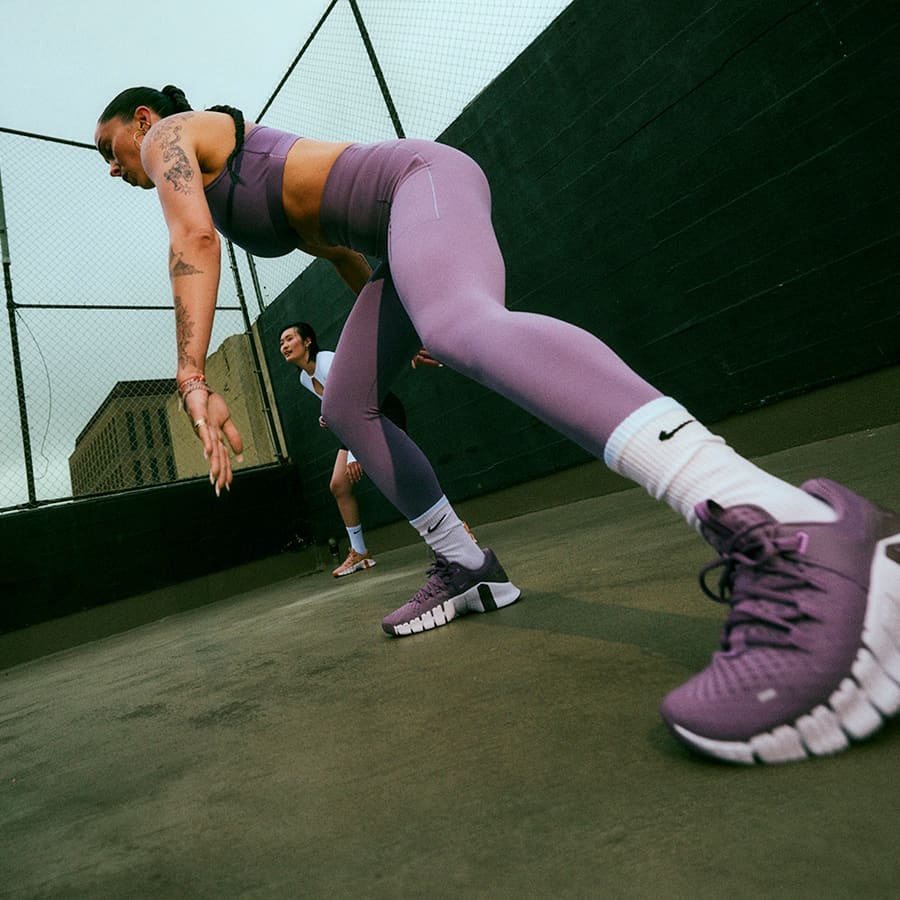
Credit: www.nike.com
Squat Proof Leggings Vs. Regular Leggings
Let’s compare squat proof leggings and regular leggings.
| Feature | Squat Proof Leggings | Regular Leggings |
|---|---|---|
| Opacity | High (no see-through) | Medium to Low |
| Fabric Thickness | Thick, dense | Thin to medium |
| Stretch | Strong, recovers shape | Varies |
| Durability | Long-lasting | Shorter lifespan |
| Activities | Gym, yoga, running | Casual, light activity |
| Price | Medium to high | Low to medium |
Popular Brands Making Squat Proof Leggings
Several brands are known for squat proof leggings. Some of the best include:
- Lululemon: Famous for quality, comfort, and squat proof designs.
- Gymshark: Popular with fitness fans for strong, opaque leggings.
- Nike: Uses advanced materials for durability and opacity.
- Under Armour: Offers thick, supportive leggings for workouts.
- Athleta: Combines style with squat proof features.
Each brand offers different fits, materials, and price points. Always check reviews and test before buying.
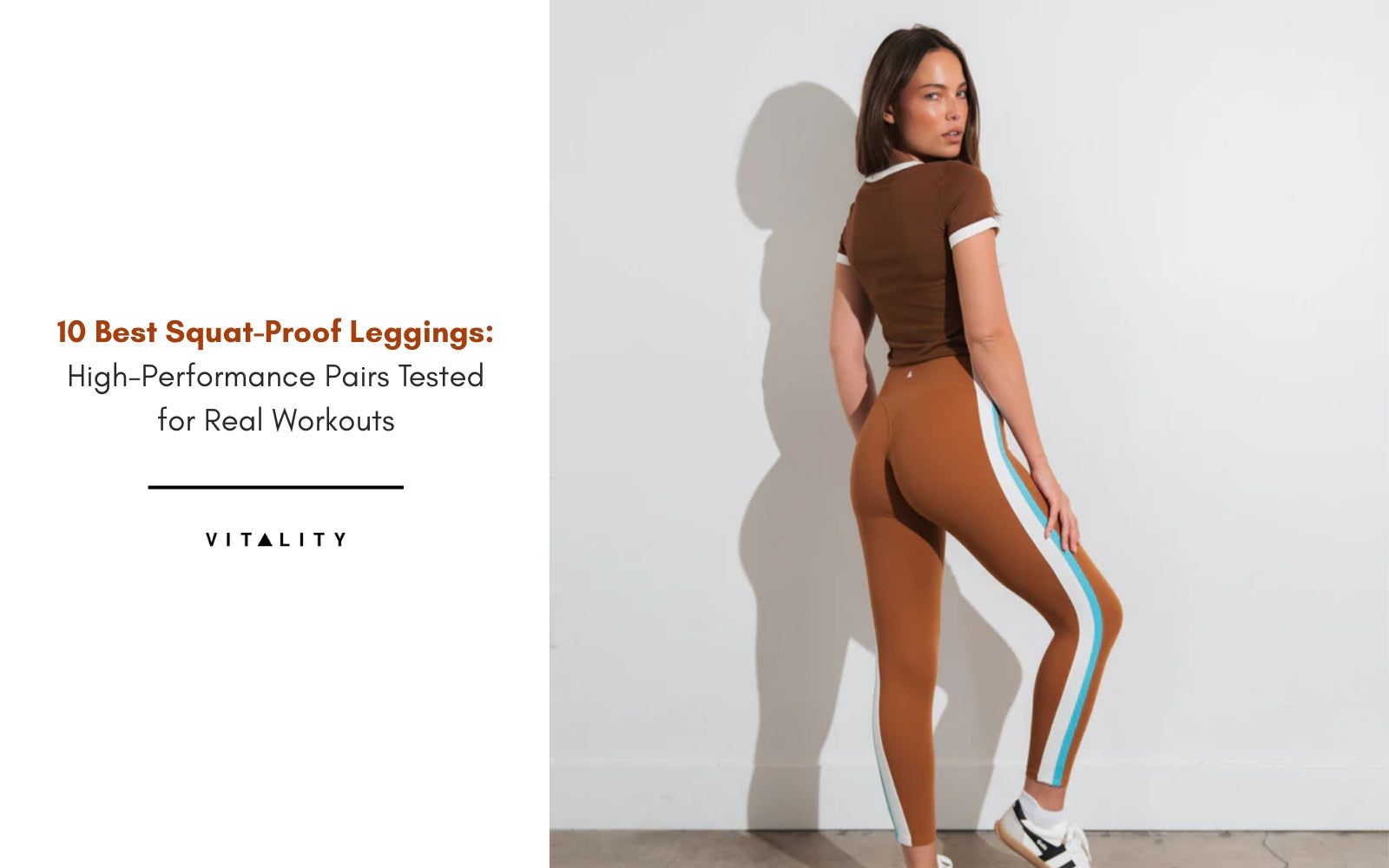
Credit: shopvitality.com
Squat Proof Leggings For Men
Squat proof leggings are not just for women. Many brands offer men’s squat proof leggings for running, yoga, or gym. Features include:
- Thicker fabric
- Compression panels
- Reinforced seams
Men’s leggings are designed for comfort and opacity during movement.
Are Squat Proof Leggings Worth It?
If you exercise regularly, squat proof leggings are a smart investment. They offer:
- Confidence during movement
- Longer lifespan
- Versatility for different activities
If you only wear leggings casually, regular leggings may be enough. For workouts, squat proof is best.
How Squat Proof Leggings Affect Performance
Opaque leggings help you move freely without distraction. This increases focus, improves form, and boosts confidence. Some leggings also offer compression, which can help reduce muscle fatigue.
Where To Buy Squat Proof Leggings
You can buy squat proof leggings at:
- Sports stores
- Brand websites
- Online retailers
Always check product details, reviews, and return policies. For more on squat proof leggings, see this Healthline guide.
Frequently Asked Questions
What Makes Leggings “squat Proof”?
Leggings are squat proof when the fabric stays opaque during movement, especially deep squats. The material must be thick, tightly woven, and often blended with spandex or nylon for strength and stretch.
Can I Test Leggings For Squat Proof Before Buying?
Yes. Try the squat test in a mirror, use a flashlight to check opacity, or ask a friend. If shopping online, check reviews and look for photos showing leggings in movement.
Are Light-colored Leggings Ever Squat Proof?
Some light-colored leggings can be squat proof, but it’s harder to achieve. Brands use thicker fabric and double layers to keep them opaque. Always test before wearing.
How Do I Care For Squat Proof Leggings?
Wash in cold water, air dry, avoid fabric softeners, and store flat. This keeps the fabric strong and opaque longer.
Are Squat Proof Leggings Only For Workouts?
No. While designed for exercise, squat proof leggings are comfortable for casual wear, travel, and daily activities. Their durability and opacity make them popular for many uses.
Squat proof leggings are more than just a trend. They offer confidence, comfort, and durability for anyone who moves. Understanding what makes leggings squat proof helps you avoid mistakes and choose the best pair for your needs. With the right leggings, you can focus on your workout and enjoy every move without worry.
