

Tricep Workouts And Muscle: Build Strength and Definition Fast
Tricep Workouts And Muscle
Strong, defined arms are a common goal for many people who work out. While biceps often get the spotlight, it’s the triceps that make up most of the upper arm's size and shape. If you want bigger arms, more pressing strength, or simply better muscle balance, focusing on your triceps is essential. Many beginners overlook these muscles, but the triceps play a key role in both appearance and upper body power. Whether you’re new to fitness or looking to improve your results, understanding the best tricep workouts and how to grow muscle efficiently can help you make progress faster and avoid common mistakes.
Understanding Tricep Anatomy
To train your triceps well, you need to know what they are and how they work. The triceps brachii is a three-headed muscle at the back of your upper arm. The word “triceps” means “three heads,” and each head helps with different arm movements.
- Long head: Runs along the back of your arm and attaches to your shoulder blade. It’s the largest part and is involved in arm extension and shoulder movements.
- Lateral head: Sits on the outer side and gives your arm that “horseshoe” shape when well developed.
- Medial head: Lies underneath the long and lateral heads, and works with almost every tricep movement.
All three heads come together at the elbow. Their main job is to extend the elbow—straightening your arm. Some movements also involve the shoulder, especially those that stretch the long head.
Why Tricep Training Is Important
Many think of the biceps when they want bigger arms. But, your triceps actually make up about two-thirds of your upper arm mass. If you want arms that look full and strong, triceps must be a priority.
Besides looks, strong triceps help with pushing exercises like bench press, shoulder press, and even push-ups. Weak triceps can limit your progress in these lifts, and increase the risk of shoulder or elbow injuries because the muscles around the joint are not balanced.
How Muscles Grow: The Science Of Hypertrophy
Muscle growth, or hypertrophy, happens when you challenge your muscles with enough resistance. This causes small damage to muscle fibers, and as they repair, they get bigger and stronger. Three main factors drive muscle growth:
- Mechanical tension: Lifting heavy enough weights that your muscles are under stress.
- Metabolic stress: The “burn” you feel during high-rep sets or when you hold a position.
- Muscle damage: Micro-tears in muscle fibers that come from challenging workouts.
For best results, tricep workouts should include both heavy sets (to maximize tension) and moderate to high reps (for metabolic stress).
Volume And Frequency
Research shows that doing 10-20 sets per muscle group per week works well for most people. You can split these sets over 2-3 sessions. For example, you might do triceps exercises on both upper body and arm days.
Progressive Overload
Muscles only grow if you keep challenging them. This is called progressive overload. You can add weight, do more reps, or use harder exercises. Beginners often stop seeing results because they stick with the same weights and routines for too long.
Best Tricep Exercises
Not all tricep exercises are equal. Some hit all three heads, while others focus on just one. Mixing different movements helps you build balanced, strong triceps.
Compound Vs Isolation Exercises
- Compound exercises use more than one joint and often several muscles (for example, bench press).
- Isolation exercises focus just on the triceps (like tricep pushdowns).
Both are important for maximum growth.
Top Compound Tricep Exercises
- Close-Grip Bench Press: Uses a narrow grip to target triceps more than chest. Great for building strength.
- Dips: Your own body weight makes this a tough and effective exercise. You can add weight as you get stronger.
- Push-Ups (Diamond or Close-Hand): Moving your hands closer together shifts more work to your triceps.
Key Isolation Tricep Exercises
- Tricep Rope Pushdown: Uses a cable machine and rope, allowing a full squeeze at the bottom.
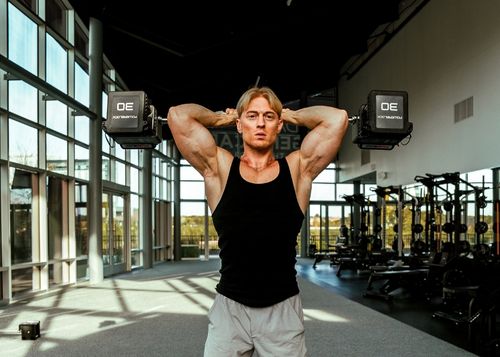
- Overhead Tricep Extension: Stretches the long head of the triceps. Can be done seated or standing.
- Skull Crushers (Lying Tricep Extension): Powerful for overall tricep growth, but needs careful form to protect elbows.
Exercise Selection: What Really Matters
Many beginners switch exercises too often or pick movements that don’t suit their body. Stick with 3-5 main exercises and get better at them over time.
Here’s a comparison of common tricep exercises and what they target most:
| Exercise | Main Muscle Head | Equipment Needed | Difficulty |
|---|---|---|---|
| Close-Grip Bench Press | All (focus: medial/lateral) | Barbell | Intermediate |
| Tricep Rope Pushdown | Lateral/Medial | Cable + Rope | Beginner |
| Overhead Extension | Long Head | Dumbbell/Cable | Beginner-Intermediate |
| Dips | All | Bodyweight/Dip Bars | Intermediate-Advanced |
| Skull Crushers | All (focus: long/lateral) | EZ Bar/Dumbbells | Intermediate |
Two Insights Beginners Miss
- Overhead movements are key for long head growth. Many stick to pushdowns and neglect overhead extensions, missing out on full tricep development.
- Form matters more than weight. Using too much weight leads to swinging and takes stress off the triceps. Strict form with moderate weight works better for muscle growth.
Sample Tricep Workout Routines
Whether you train at home or in the gym, you can build great triceps with the right plan. Here are a few routines for different needs.
Beginner Gym Routine
- Tricep Rope Pushdown: 3 sets of 10-15 reps
- Overhead Tricep Extension (Dumbbell): 3 sets of 10-12 reps
- Close-Grip Push-Ups: 2 sets to failure
Rest 60-90 seconds between sets.
Advanced Gym Routine
- Close-Grip Bench Press: 4 sets of 6-8 reps
- Weighted Dips: 3 sets of 8-10 reps
- Skull Crushers: 3 sets of 10-12 reps
- Tricep Rope Pushdown (Drop Set): 2 sets of 12-20 reps
Rest 90 seconds for heavy lifts, 60 seconds for others.
Home Workout (no Equipment)
- Diamond Push-Ups: 4 sets to failure
- Bench Dips (using a chair): 3 sets of 10-15 reps
- Overhead Tricep Extension (with a backpack or water bottle): 3 sets of 12-15 reps
Rest as needed.
How To Progress Workouts
- Add 1-2 reps each week or increase weight slightly.
- Try a new exercise only after 4-6 weeks of steady progress.
- If you can do 20+ reps easily, make the exercise harder or slow down your tempo.
Tricep Training Mistakes To Avoid
Even dedicated lifters make errors that slow down arm growth or cause pain. Here’s what to watch out for:
- Neglecting the long head: Only doing pushdowns misses a big part of the triceps. Always include an overhead exercise.
- Poor range of motion: Partial reps (not fully straightening or bending the arm) reduce muscle activation and limit growth.
- Training too often: More is not always better. Triceps need at least 48 hours to recover between hard sessions.
- Ignoring elbow pain: Tricep exercises can stress the elbows, especially skull crushers or heavy dips. If you feel pain, adjust form or choose a different exercise.
- Not controlling the negative (lowering) phase: Slowly lowering the weight increases muscle tension and helps with growth.
The Role Of Nutrition In Tricep Muscle Growth
Training is only half the equation. Without the right nutrition, muscle growth will be slow or stop altogether.
Protein Intake
Protein gives your body the building blocks (amino acids) to repair and grow muscle. Aim for 0.7–1 gram of protein per pound of body weight each day. Lean meats, fish, dairy, eggs, and beans are good sources.
Calories And Recovery
To grow muscle, you need to eat slightly more calories than you burn. This “caloric surplus” gives your body energy for building new muscle. But don’t overdo it—gaining weight too fast leads to more fat, not muscle.
Hydration And Micronutrients
Muscles work best when you’re hydrated and getting enough vitamins and minerals. Drink water throughout the day. Include vegetables, fruits, and whole grains in your meals for a balanced intake of nutrients.
Here’s a quick look at how nutrition supports triceps growth:
| Nutrition Factor | Benefit for Muscle | Common Sources |
|---|---|---|
| Protein | Muscle repair and growth | Chicken, fish, eggs, beans |
| Carbohydrates | Workout energy | Rice, potatoes, oats, fruit |
| Healthy Fats | Hormone support | Olive oil, nuts, avocado |
| Water | Muscle function | Drinking water, fruits |
| Vitamins/Minerals | Recovery, energy production | Veggies, fruit, whole grains |
How To Measure Tricep Growth
It’s easy to get discouraged if you don’t see instant results. Muscle growth takes time, but tracking progress helps you stay motivated.
Arm Measurements
Use a soft measuring tape around the largest part of your upper arm (unflexed and flexed) every few weeks. Make sure to measure at the same spot each time.
Strength Gains
If your weights are going up on tricep exercises, you’re likely gaining muscle—even if the scale doesn’t change much.
Visual Changes
Take progress photos from the side and back. The triceps add a lot to the “sweep” of the upper arm and are easy to see in pictures.
Noticing Real Progress
Many beginners don’t realize that muscle growth is slow—often just 1-2 pounds of muscle per month for most people. If you’re gaining much faster, most of it is probably water or fat.
Advanced Tips For Bigger Triceps
Once you’ve got the basics, small changes can help you break through plateaus and keep growing.
Use Different Grips And Angles
Changing your grip (overhand, underhand, neutral) or the angle of your arm can target different tricep heads. For example, a reverse-grip pushdown puts more work on the medial head.
Try Intensity Techniques
- Drop sets: Do a set, then reduce the weight and keep going until you can’t do any more.
- Rest-pause: Do a set, rest 10 seconds, then do a few more reps.
- Slow negatives: Take 3-4 seconds to lower the weight.
Prioritize Weak Points
If one part of your triceps is less developed (for example, the outer “horseshoe”), add 1-2 extra sets for exercises that target that area.
Mind-muscle Connection
Focus on feeling the triceps work during each rep, not just moving the weight. Slow down, squeeze at the top, and don’t rush.

Credit: www.kettlebellkings.com
How Triceps Impact Sports And Daily Life
Strong triceps are not just for looks. They’re involved in almost every pushing movement, both in sports and everyday activities.
- Sports: Basketball, boxing, swimming, and volleyball all use explosive arm extension.
- Daily tasks: Pushing open doors, getting up from a chair, or lifting objects overhead all use the triceps.
Neglecting these muscles can reduce your performance and even make daily tasks harder as you age.
Common Questions About Tricep Workouts
How Often Should You Train Triceps?
Twice a week works best for most people. This gives enough time for recovery and steady growth.
What Is The Best Rep Range For Triceps?
8–12 reps is best for muscle growth, but doing some sets with 6–8 reps (heavy) and others with 12–20 reps (light, high burn) gives the best overall results.
Can You Train Triceps With Sore Elbows?
If your elbows hurt, avoid exercises that cause pain. Switch to cables or bands, use lighter weights, and check your form. Chronic pain means you should see a doctor.
How Long Does It Take To See Results?
Visible changes usually take 8–12 weeks if you train and eat well. Strength often increases before size.
Do Push-ups Build Triceps?
Yes—especially close-grip or diamond push-ups. Standard push-ups also work triceps, but not as directly as chest.

Credit: www.youtube.com
Comparing Tricep Training To Bicep Training
Many people wonder why their biceps grow faster than their triceps, or vice versa. Here’s a quick comparison:
| Muscle Group | Main Function | Best Exercises | Growth Rate |
|---|---|---|---|
| Triceps | Arm extension | Bench press, dips, pushdowns | Slower, but more mass overall |
| Biceps | Arm flexion | Curls, chin-ups | Faster initial growth, less total mass |
Frequently Asked Questions
How Many Tricep Exercises Should I Do In One Workout?
For most people, 2–3 tricep exercises per session is enough. Focus on quality sets, not just doing more movements.
Is It Better To Train Triceps With Chest Or On Their Own?
You can do both. Training triceps after chest (or shoulders) saves time, but working them alone allows you to use more weight. Try both and see what gives you better results.
Can Women Benefit From Tricep Workouts?
Absolutely. Tricep training shapes the back of the arms and helps with daily tasks. It’s not just for men or bodybuilders.
What Should I Do If My Triceps Won’t Grow?
Check your form, increase your weight slowly, and make sure you’re eating enough protein and calories. Try new exercises if you’re not making progress.
Are Supplements Needed For Tricep Muscle Growth?
Supplements are not required. A balanced diet is enough. However, whey protein or creatine can help if you struggle to get enough protein from food. Learn more about supplements from the Examine.com database.
Building strong, defined triceps is possible for anyone willing to train consistently, eat well, and pay attention to form and recovery. By focusing on the right exercises and avoiding common mistakes, you’ll not only improve your arm size and shape but also boost your overall upper body strength.
Remember, patience and progression are key—stick with your plan, track your progress, and the results will come.
Credit: powerblock.com
