

Tricep Workout Exercises Gym
If you go to the gym, you probably want bigger arms. But many people focus only on their biceps. The truth is, your triceps make up about two-thirds of your upper arm size. Training them properly can make your arms look stronger and more balanced. Whether you’re a beginner or you’ve been lifting for a while, knowing the best gym exercises for triceps will help you build muscle faster, improve your strength, and prevent injuries.
In this article, you’ll learn which gym exercises target the triceps, how to do them safely, and how to build your own tricep routine. You’ll also discover common mistakes, helpful tips, and data about triceps training. If you want results, you need to understand both the theory and the practice.
Let’s get started.
Understanding The Triceps Muscle
Your triceps are located on the back of your upper arm. This muscle has three parts, called “heads”: the long head, lateral head, and medial head. Each head helps you extend your elbow and stabilize your shoulder.
- Long head: Runs down your arm and helps with shoulder movement.
- Lateral head: Gives your arm that “horseshoe” look.
- Medial head: Sits underneath and helps with all pushing movements.
Knowing this matters because different exercises hit different heads. For full development, you need a mix of movements.
Why Train Triceps In The Gym?
Training triceps at the gym offers several benefits:
- Muscle growth: Using gym machines and free weights allows you to use heavier resistance.
- Better strength: Strong triceps improve your performance in other lifts, like bench press and shoulder press.
- Injury prevention: Balanced arm muscles help protect your elbows and shoulders.
- Improved appearance: Well-developed triceps make your arms look fuller and more athletic.
Best Tricep Exercises At The Gym
Let’s look at the most effective tricep exercises you can do at the gym. Each exercise description includes how it targets the triceps, step-by-step instructions, and tips for safety and results.
1. Tricep Pushdown (cable Machine)
This is a classic gym exercise. It isolates the triceps and is easy to adjust for all skill levels.
How to do it:
- Stand facing the cable machine.
- Grab the bar or rope attachment with both hands, palms facing down.
- Keep elbows close to your sides.
- Push the bar down until your arms are straight.
- Slowly return to the starting position.
Tips:
- Do not swing your body. Only your forearms should move.
- Use a slow, controlled motion for best results.
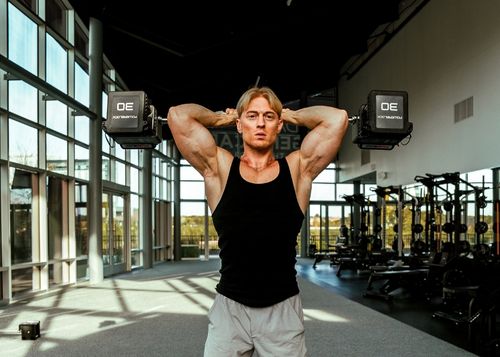
2. Overhead Tricep Extension (cable Or Dumbbell)
This move stretches the long head of the triceps and builds muscle.
How to do it:
- Sit or stand, holding a dumbbell or cable handle above your head.
- Keep your elbows pointing forward.
- Lower the weight behind your head.
- Extend your arms to bring the weight back up.
Tips:
- Keep your back straight.
- Avoid flaring your elbows out to the sides.
3. Close-grip Bench Press
This compound movement not only works your triceps but also your chest and shoulders.
How to do it:
- Lie on a bench, holding the barbell with hands about shoulder-width apart.
- Lower the bar to your chest, keeping elbows close to your body.
- Push the bar up to full arm extension.
Tips:
- Do not use a grip that is too narrow; this can strain your wrists.
- Keep feet flat on the floor for stability.
4. Skull Crushers (lying Tricep Extensions)
This exercise targets all three heads of the triceps.
How to do it:
- Lie on a bench, holding a barbell or EZ bar above your chest.
- Bend your elbows to lower the bar towards your forehead.
- Extend your arms to lift the bar back up.
Tips:
- Use a spotter if you’re lifting heavy.
- Move only your forearms; keep upper arms steady.
5. Dips (parallel Bars Or Assisted Machine)
Dips are a powerful bodyweight exercise for the triceps.
How to do it:
- Grab the bars and lift your body.
- Lower yourself by bending elbows, keeping them close to your body.
- Push back up to starting position.
Tips:
- Lean forward for more chest activation; stay upright for more triceps.
- Use the assisted machine if you’re a beginner.
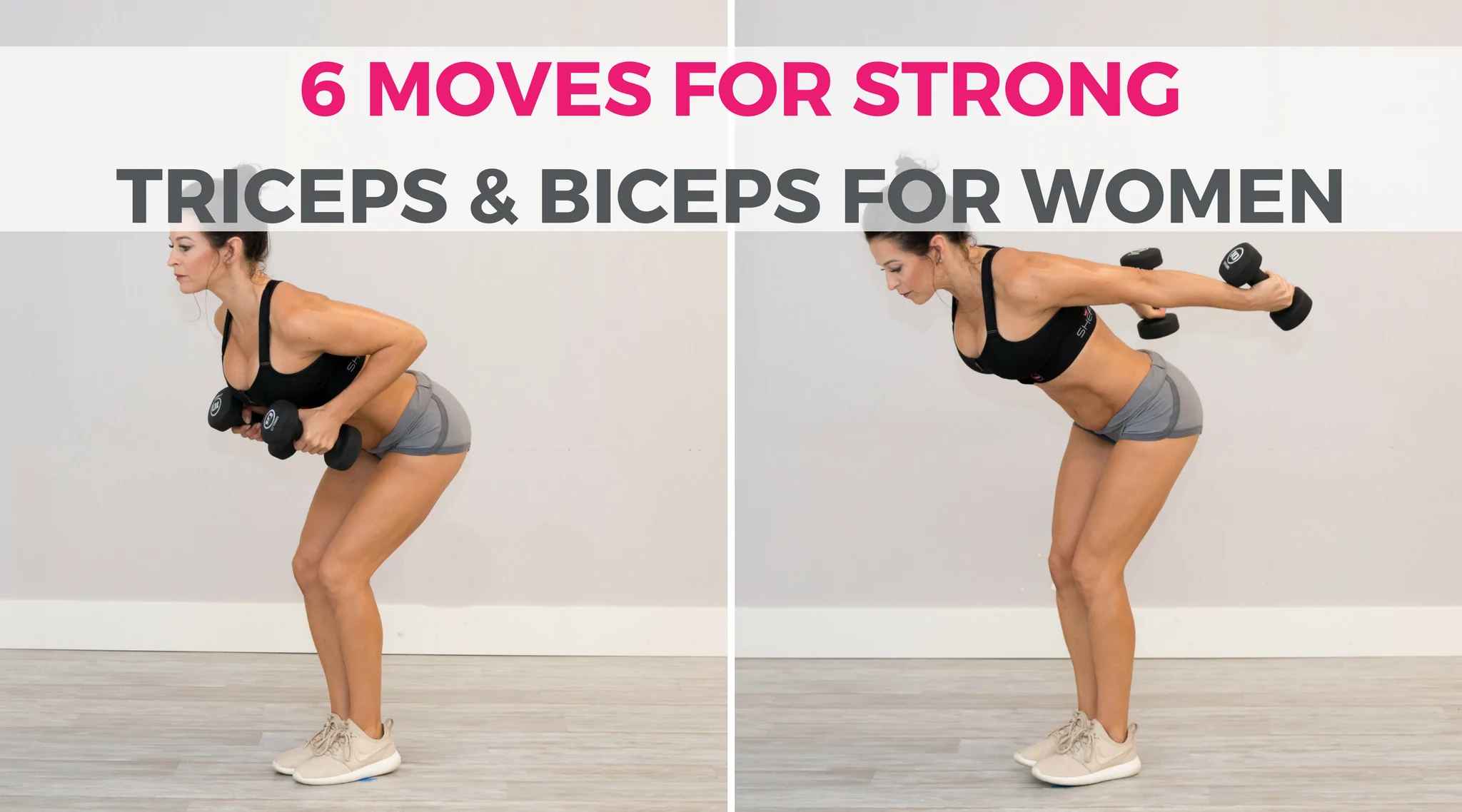
6. Tricep Kickbacks (dumbbell)
This is a good isolation exercise for the lateral and long heads.
How to do it:
- Hold a dumbbell in one hand.
- Lean forward, keeping your back flat.
- Bend your elbow to 90 degrees.
- Extend your arm straight back.
Tips:
- Keep your upper arm still.
- Use light weights for better control.
7. Rope Overhead Extension (cable)
This variation hits the triceps from a new angle.
How to do it:
- Attach a rope to a low cable.
- Pull the rope over your head.
- Extend your arms upwards.
Tips:
- Pull the rope apart at the top for extra contraction.
- Do not rush the movement.
8. Single-arm Tricep Pushdown
This helps fix muscle imbalances.
How to do it:
- Stand at the cable machine.
- Grab the handle with one hand.
- Push down, keeping elbow close to your body.
Tips:
- Focus on one arm at a time.
- Avoid using your shoulder.
9. Machine Tricep Extension
Many gyms have a specific machine for this.
How to do it:
- Sit in the machine.
- Grip the handles.
- Push the handles down to extend your arms.
Tips:
- Adjust the seat for proper alignment.
- Use moderate weight to avoid elbow stress.
10. Diamond Push-ups
This bodyweight move works triceps and chest.
How to do it:
- Place hands close together under your chest, forming a diamond shape.
- Lower your body as in a push-up.
- Push back up.
Tips:
- Keep elbows close to your body.
- Start on knees if standard push-ups are too hard.
Comparison: Free Weights Vs Machines For Triceps
Choosing between free weights and machines can affect your results. Here’s a simple comparison:
| Feature | Free Weights | Machines |
|---|---|---|
| Muscle Activation | High (stabilizer muscles used) | Moderate (focus on target muscle) |
| Safety | Requires good form | Safer for beginners |
| Versatility | Many exercise options | Limited by machine type |
| Progression | Easy to add weight | Easy to adjust resistance |
Non-obvious insight: Using both tools in your routine gives you a balance of strength, muscle growth, and safety. Beginners often miss this and stick to only one type.
How To Structure A Tricep Workout
A good tricep workout includes different movements to hit all three heads and includes both compound and isolation exercises. Here’s a sample routine for the gym:
Beginner Routine
- Tricep Pushdown: 3 sets of 12 reps
- Dumbbell Overhead Extension: 3 sets of 10 reps
- Machine Tricep Extension: 3 sets of 12 reps
Intermediate Routine
- Close-Grip Bench Press: 4 sets of 8 reps
- Skull Crushers: 3 sets of 10 reps
- Rope Overhead Extension: 3 sets of 12 reps
- Dips: 3 sets to failure
Advanced Routine
- Weighted Dips: 4 sets of 6 reps
- Single-Arm Tricep Pushdown: 3 sets of 10 reps
- Tricep Kickbacks: 3 sets of 12 reps
- Diamond Push-Ups: 3 sets to failure
Practical tip: Rest 60–90 seconds between sets. This keeps your muscles working hard but doesn’t waste time.
How Many Sets And Reps Should You Do?
The number of sets and reps depends on your goal:
| Goal | Sets | Reps | Weight |
|---|---|---|---|
| Muscle Growth | 3–4 | 8–12 | Moderate to heavy |
| Strength | 4–5 | 4–6 | Heavy |
| Endurance | 2–3 | 15–20 | Light |
Non-obvious insight: Many beginners do only high reps with light weights, but this limits muscle growth. Mixing rep ranges gives better results.
Common Mistakes When Training Triceps
Avoid these errors to get faster results and stay safe:
- Using too much weight: This can strain your elbows and shoulders.
- Wrong form: Swinging your body or flaring your elbows reduces triceps activation.
- Neglecting compound lifts: Only doing isolation exercises misses full arm development.
- Skipping warm-up: Cold muscles are more likely to get injured.
- Not enough variety: Doing the same exercise every time slows progress.
Pro tip: Take videos of your form or ask a trainer to check your technique. Small adjustments make a big difference.
Tricep Workout Tips For Maximum Results
- Warm up properly: Do light cardio and arm circles before starting.
- Progressive overload: Increase weights or reps each week.
- Full range of motion: Don’t cut the movement short; extend and bend fully.
- Mind-muscle connection: Focus on feeling your triceps work.
- Train triceps after chest or shoulders: They’re already warmed up from other pressing movements.
- Rest and recover: Triceps need 48 hours between workouts for growth.
- Stretch after your workout: This can reduce soreness and improve flexibility.
Experience-based insight: People often forget that overtraining triceps can slow progress. Three workouts per week are enough for most gym-goers.
Triceps And Other Muscle Groups
Your triceps work with other muscles during pushing movements. Here’s how they interact:
- Chest: During bench press or push-ups, your triceps help push the weight.
- Shoulders: Overhead presses use both triceps and shoulder muscles.
- Forearms: These stabilize your arm during extensions and pushdowns.
Practical tip: If your triceps are tired, your chest and shoulder exercises will feel harder. Plan your workouts so you don’t overwork your arms two days in a row.
Example Weekly Tricep Workout Plan
Here’s a sample weekly schedule for gym users:
- Monday: Triceps + Chest (Close-Grip Bench Press, Pushdowns)
- Wednesday: Triceps + Shoulders (Overhead Extension, Kickbacks)
- Friday: Triceps Only (Skull Crushers, Rope Extension, Dips)
Rest days: Tuesday, Thursday, Saturday, Sunday
This plan gives you enough work to build muscle, but enough rest to recover.
How To Prevent Tricep Injuries
Training triceps safely is important. Here’s how:
- Warm up your elbows: Use light weights before heavy sets.
- Use proper form: Avoid locking your elbows at the end of the movement.
- Don’t train triceps every day: Overuse can lead to tendinitis.
- Listen to your body: If you feel pain (not muscle soreness), stop and check your form.
Non-obvious insight: Many people ignore elbow pain, thinking it’s normal. But sharp pain is a warning sign. Take breaks and use lighter weights if needed.
Best Equipment For Tricep Training In The Gym
There are many tools you can use in the gym. Here’s a comparison:
| Equipment | Benefits | Best Exercise |
|---|---|---|
| Dumbbells | Versatile, easy to use | Kickbacks, Overhead Extension |
| Barbell | Heavy lifts, compound movements | Close-Grip Bench Press, Skull Crushers |
| Cable Machine | Constant tension, many attachments | Pushdowns, Rope Extension |
| Tricep Machine | Safe, easy for beginners | Machine Extension |
| Bodyweight | No equipment needed | Dips, Diamond Push-Ups |
Practical tip: Try different tools to see what feels best. Some people respond better to cables, others to free weights.
How Nutrition Impacts Tricep Growth
You can’t build big triceps without proper nutrition. Here’s what matters:
- Protein: Aim for 0.7–1 gram per pound of body weight daily.
- Carbs: Fuel your workouts and recovery.
- Healthy fats: Support hormones for muscle growth.
- Hydration: Muscles need water to perform well.
Experience-based guide: Many gym-goers overlook protein intake. If you don’t eat enough, your muscles won’t grow, no matter how hard you train.
How Long Does It Take To See Results?
Most people see some changes in their triceps after 4–6 weeks of regular training. Muscle growth depends on your genetics, workout intensity, and nutrition.
- Beginners: Faster initial gains, then slower progress.
- Intermediate/advanced: Steady gains with more effort.
Non-obvious insight: Progress is not always visible week to week. Take photos and measurements every month to track changes.
Advanced Tricep Training Techniques
If you want to push past plateaus, try these methods:
- Drop sets: After your main set, lower the weight and keep going until failure.
- Supersets: Pair two tricep exercises back-to-back with no rest.
- Pause reps: Hold the stretched position for 2–3 seconds before finishing the rep.
- Slow negatives: Lower the weight slowly, focusing on control.
Practical tip: Use advanced techniques only after you have mastered proper form.
How To Fix Weak Triceps
Weak triceps can limit your performance in other lifts. Here’s how to fix it:
- Add compound movements like close-grip bench press.
- Use single-arm exercises to build balance.
- Train triceps 2–3 times per week for faster progress.
- Track your weights and reps to see improvement.
Experience-based insight: If your bench press stalls, check your tricep strength. Improving it can boost your whole upper body.

Credit: centr.com
Triceps Training For Women
Women often avoid triceps training, fearing bulky arms. But strong triceps help with daily activities and give arms a toned look.
- Use moderate weights and high reps.
- Focus on form and control.
- Include pushdowns, kickbacks, and overhead extensions in your routine.
Non-obvious insight: Women’s triceps respond well to cables and machines, which provide constant tension.
Triceps And Aging
As you age, muscle loss can make your arms weaker. Training triceps helps maintain strength and independence.
- Choose machines or light dumbbells for safety.
- Use higher reps and slower pace.
- Rest longer between sets.
Practical tip: Even older adults can build stronger triceps with consistent training.
Credit: powerblock.com
Tracking Your Progress
To know if your triceps are growing:
- Measure arm size every month.
- Take progress photos.
- Log your workouts: Record sets, reps, and weights.
- Check performance: Are you lifting heavier or doing more reps?
Pro tip: Small improvements add up. Celebrate every milestone.
Science Behind Triceps Training
Research shows that multi-joint movements (like bench press) and isolation exercises (like pushdowns) both help build triceps. Studies also reveal that using a full range of motion leads to more muscle growth.
According to the American Council on Exercise, pushdowns and overhead extensions activate the triceps more than other common exercises.
For more scientific information, you can read about triceps anatomy and exercise studies on Wikipedia.
Credit: shefit.com
Frequently Asked Questions
What Is The Best Exercise For Triceps In The Gym?
There’s no single “best” exercise. Tricep pushdowns, skull crushers, and close-grip bench press are all effective. The best routine combines different movements to hit all three heads of the triceps.
How Often Should I Train Triceps?
Most people should train triceps 2–3 times per week. This gives enough stimulus for growth but allows time for recovery. Avoid training them on consecutive days.
Can I Build Triceps Without Heavy Weights?
Yes. You can use bodyweight exercises like dips and diamond push-ups. Cables and machines also work well. Focus on form and muscle contraction, not just the weight.
How Do I Avoid Elbow Pain When Training Triceps?
Warm up your arms, use proper form, and avoid locking your elbows at the end of each rep. If you feel sharp pain, stop and rest. Use lighter weights until you recover.
Do Triceps Workouts Help With Other Lifts?
Strong triceps improve performance in bench press, shoulder press, and push-ups. They help stabilize your elbow and give you more power in pushing movements.
Strong triceps are essential for balanced arms, better strength, and improved performance in the gym. By mixing compound and isolation exercises, using proper form, and adjusting your routine as you progress, you can build impressive triceps. Remember, results take time—consistency and smart training are key.
If you follow the advice in this article, you’ll see your triceps grow and your upper body strength improve. Stay patient, track your progress, and enjoy your workouts.
