

Squat Proof Leggings Or Not: How to Choose the Best Pair
Squat Proof Leggings Or Not
If you exercise regularly, you’ve probably heard people talk about squat proof leggings. It’s a term that’s everywhere in fitness circles, especially among women who do strength training, yoga, or HIIT workouts. But what does it actually mean? How can you tell if leggings are really squat proof or not? And why does it matter so much?
Let’s be honest—finding the right leggings is tough. You want them to look good, feel comfortable, and stay opaque no matter what movement you make. Many brands claim their leggings are “squat proof,” but sometimes reality doesn’t match the promise.
In this article, you’ll learn exactly what squat proof means, how to test leggings for it, what causes leggings to fail, and how to choose the right pair for your needs. We’ll also compare popular brands, explain the science behind fabric opacity, and answer the most common questions people ask about squat proof leggings.
What Does Squat Proof Mean?
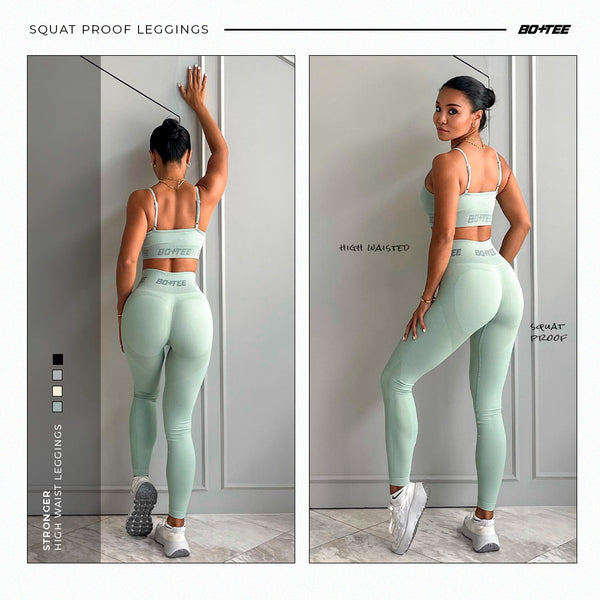
When people say squat proof, they’re talking about leggings that don’t become see-through when you bend, squat, or stretch. It’s about opacity—can you see skin or underwear through the fabric when you move? If you can, the leggings are not squat proof.
This matters because many gym exercises involve bending, stretching, and squatting. If your leggings become transparent during these movements, it can be embarrassing or uncomfortable. Squat proof leggings protect your privacy and let you move confidently.
The idea of squat proof isn’t just about modesty. It’s also about trust. You need to know your clothes will perform well and support you, especially in group fitness classes or busy gyms. You want to focus on your workout, not worry about your clothes.
Squat proof leggings give you peace of mind, especially during intense movements.
Some people even say that squat proof leggings let them try new exercises or push themselves harder. When you don’t worry about your clothes, you can focus on improving your skills.
Why Squat Proof Leggings Matter
Choosing squat proof leggings isn’t only about looks. Here are some reasons why they’re important:
- Confidence: You don’t have to worry about showing more than you want.
- Comfort: Squat proof leggings usually use thicker, stretchier fabrics that feel good.
- Performance: Good leggings let you focus on your workout, not your clothes.
- Durability: Quality materials often last longer and resist wear.
Many people avoid certain exercises or stretches because they’re afraid their leggings will become see-through. This can limit your fitness progress. Having squat proof leggings removes that barrier.
Squat proof leggings are also important for group classes or training with others. You don’t want distractions or worries about your appearance. Instructors and fitness coaches often recommend squat proof leggings for high-movement classes, so you can participate fully.
Another reason is social media. Many people share their workouts online. Squat proof leggings let you record or post videos without worrying about unwanted exposure.
What Causes Leggings To Fail The Squat Test?
Leggings can fail the squat test for several reasons. Understanding these reasons helps you avoid common mistakes when shopping.
Fabric Quality
The biggest factor is fabric quality. Thin, cheap materials are more likely to become see-through. High-quality blends, like nylon and spandex, offer better coverage.
Some cheaper leggings use single-layer fabric that stretches too easily. If you hold them up to the light, you can often see right through them. High-quality leggings use tightly woven fibers or double layers for more coverage.
Stretch Ratio
If leggings stretch too much, the fibers separate and let light pass through. Leggings made with too little spandex or too much polyester can fail this way.
Stretch ratio matters because everyone’s body is different. If you have muscular thighs or wider hips, the fabric may stretch more in those areas. This can cause uneven transparency, even if the rest of the leggings look fine.
Fit
Wearing leggings that are too small increases the chance they’ll fail the squat test. Tight fabric stretches more, and that makes it less opaque.
Leggings should fit snugly but not feel tight. If you struggle to pull them up or notice the waistband rolling, the fit may be wrong. Some people size down for a tighter look, but this increases stretch and reduces coverage.
Color
Dark colors usually perform better than light ones. Black, navy, and deep gray leggings are less likely to become see-through. White and pastel shades often fail the test.
Light colors show every detail underneath. Even with thick fabric, pale leggings can highlight underwear lines or skin tone. Some brands add extra lining to light-colored leggings, but these are often more expensive.
Wear And Tear
Old leggings lose elasticity. After many washes, the fibers break down and coverage decreases.
Many people notice their favorite leggings becoming less squat proof after a few months. This is normal, especially if you wash them often or use a dryer. Checking your leggings regularly and replacing them when needed keeps you safe and comfortable.
Seam Placement
Poorly designed seams can pull fabric apart, especially around the hips and thighs. This creates weak points where leggings can become see-through.
Some brands use flatlock seams or extra reinforcement to keep fabric together. If you see seams stretching or splitting, the leggings may fail the squat test soon.
Underwear Type
Some underwear styles, like bright colors or lace, can show through even squat proof leggings. Choosing seamless, nude underwear reduces this problem.
Another tip is to avoid underwear with thick elastic bands. These can create visible lines or bumps under leggings. For best results, use simple, low-profile underwear.
How To Test Leggings For Squat Proofness
There are several ways to check if leggings are squat proof. The right test depends on your situation.
The Mirror Test
Put on the leggings and stand in front of a full-length mirror. Squat, bend, and stretch. Look closely for any signs of transparency, especially in the seat and thighs.
Try this test in good lighting, like near a window or under bright lights. Shadows can hide transparency, so make sure you can see every detail. Move in different directions to check all angles.
The Flashlight Test
Hold a flashlight behind you while wearing the leggings. If you see light coming through the fabric, they’re not squat proof.
This test works well in a dark room. Ask someone to help if you can’t see your own back. The flashlight test shows hidden weak spots that the mirror test might miss.
The Photo Test
Ask a friend to take a picture while you squat or bend. Review the image for any visible skin or underwear.
Photos are helpful because they show what others see. If you’re planning to film workouts or take gym selfies, the photo test is a must.
The Pull Test
Gently stretch the fabric with your hands. If you can see your fingers through the material, it’s likely to be see-through during exercise.
This test is useful before you try the leggings on. Some stores allow you to stretch the fabric before buying. If the material feels thin or see-through in your hands, it will probably fail during workouts.
The Gym Test
Wear the leggings to a real workout. Move naturally and check after each exercise. This test is the most realistic, but the hardest to do before you buy.
After your workout, check the leggings in the mirror, especially if you sweated a lot. Wet fabric sometimes becomes more transparent, so it’s good to test after exercise.
Credit: boandtee.com
Squat Proof Leggings: Comparing Popular Brands
Many brands claim their leggings are squat proof. Some deliver, others don’t. Here’s a side-by-side comparison of popular brands based on user reviews, fabric specs, and testing.
| Brand | Fabric | Squat Proof? | Price Range | Best For |
|---|---|---|---|---|
| Lululemon | Nylon/Spandex | Yes (most styles) | $80–$120 | Yoga, HIIT, Running |
| Gymshark | Polyester/Elastane | Yes (selected lines) | $40–$60 | Strength Training |
| Nike | Polyester/Spandex | Yes (mostly) | $50–$90 | Cardio, Gym |
| Fabletics | Polyester/Nylon/Spandex | Mixed (check reviews) | $25–$70 | Casual, Gym |
| Outdoor Voices | Nylon/Spandex | Mostly Yes | $60–$90 | Yoga, Walking |
Tip: Always check reviews for specific styles. Brands may offer squat proof leggings in some lines, but not others.
Some brands release new collections every year. Even if you bought a good pair before, always check the latest reviews. Some users report differences in fabric or fit between old and new releases.
The Science Behind Leggings Opacity
Leggings are made from woven or knit fibers. When you stretch the fabric, the gaps between fibers increase, allowing more light to pass through. The amount of spandex or elastane in the material determines how much it can stretch without losing opacity.
Opaque leggings use:
- High-density weaves
- Multiple layers
- Dark colors
- High spandex content
Some brands use innovative weaving methods to make leggings more squat proof without making them thicker or heavier. For example, double knit fabrics or seamless construction help prevent transparency.
You may notice that seamless leggings are often more squat proof. Seamless construction means fewer weak spots and more even stretch across the fabric. Advanced brands use computer-controlled knitting to make fabric dense in key areas, like the seat and thighs.
Fabric Blend Comparison
Here’s a comparison of common fabric blends and their squat proof qualities:
| Fabric Blend | Stretch | Opacity | Comfort |
|---|---|---|---|
| Nylon/Spandex | High | Excellent | Soft, Breathable |
| Polyester/Elastane | Medium | Good | Durable, Smooth |
| Cotton/Spandex | Medium | Fair | Soft, Absorbs Moisture |
| Polyester Only | Low | Poor | Less Stretch, Less Comfort |
Insight: Beginners often choose cotton leggings for comfort, but they are less likely to be squat proof. Nylon/spandex blends are the best choice for both coverage and comfort.
How To Choose Squat Proof Leggings
If you want leggings that are truly squat proof, look for these features:
1. Fabric Type
Choose leggings with high spandex content (10–20%). Nylon is better than polyester for softness and durability.
Some brands list the exact percentage of spandex on the label. Higher percentages mean more stretch and better recovery. A blend with 15% spandex and 85% nylon is a good standard.
2. Thickness
Thicker fabrics are more likely to be squat proof. But they should still be breathable.
Check if the leggings feel heavy or dense. Avoid very thin styles, especially for high-movement workouts. Breathable thickness is best, so you don’t feel too hot during exercise.
3. Color
Black and other dark colors usually offer better coverage.
If you like bright colors, look for styles with double layers or extra lining. Some brands add a hidden panel in the seat for more coverage.
4. Seams
Flatlock seams reduce weak points. Avoid leggings with thin or poorly placed seams.
Check the inside of the leggings for seam quality. Well-made seams feel smooth and don’t dig into your skin. Poor seams can split or stretch, causing see-through spots.
5. Size
Don’t size down. Leggings should fit snugly, not tightly. Too small means more stretch, less coverage.
If you’re between sizes, choose the larger one. Leggings stretch naturally, so they’ll still fit well.
6. Brand Reputation
Buy from brands known for quality and transparency. Check online reviews and social media for real feedback.
Some brands have tester programs or release squat proof reports. Look for these resources before buying.
7. Return Policy
Choose brands with easy returns. If leggings fail the squat test, you should be able to return them.
A good return policy protects you from wasting money. Always read the return rules before purchasing.
8. Try Before You Buy
Whenever possible, try leggings in-store. Move, squat, and check the fit and coverage.
If you can’t try them in person, order from brands that offer free returns or exchanges. This lets you test at home and return if needed.
Common Mistakes When Buying Leggings
Even experienced shoppers make mistakes. Here are some things to avoid:
- Ignoring Fabric Labels: Don’t just trust the brand. Check the fabric blend and spandex percentage.
- Buying Only for Looks: Pretty patterns and designs don’t guarantee squat proofness.
- Sizing Down for Compression: Compression can help, but too-tight leggings become see-through.
- Forgetting the Squat Test: Always test before wearing leggings to the gym.
- Assuming All Styles Are Equal: Different lines from the same brand can perform differently.
- Overwashing: Too many washes break down fabric, reducing coverage.
Another mistake is not checking the lighting in your home. Some people test leggings in dim light and miss see-through spots. Always test in bright, natural light.

Credit: www.youtube.com
Real Life Examples: Squat Proof And Not
Let’s look at some practical examples. These stories show what happens when leggings are or aren’t squat proof.
Example 1: The Gym Disaster
Maria bought cheap leggings online. They looked great in the package. But during her first gym session, she noticed people staring. Later, she realized her underwear was visible every time she squatted. She stopped using those leggings and switched to a better brand.
Maria’s experience is common. Many people buy affordable leggings for style, but realize too late that they lack coverage. The lesson is to always test new leggings before wearing them in public.
Example 2: Yoga Class Comfort
Aisha invested in high-quality nylon/spandex leggings. She tested them at home before her yoga class. Even in deep stretches, the leggings stayed opaque. She felt comfortable and confident, focusing on her poses instead of her clothes.
Aisha’s story shows the value of preparation. Testing leggings at home and checking different movements helped her avoid embarrassment.
Example 3: Brand Differences
Sam tried two pairs from the same brand. One style was black, the other pastel. The black leggings passed the squat test; the pastel ones didn’t. Sam learned that color matters, even within the same brand.
Sam’s example highlights a non-obvious insight: color affects opacity. Even trusted brands can have different results depending on style and shade.
Squat Proof Leggings For Different Activities
Different workouts need different leggings. Here’s what to look for:
Strength Training
You need maximum coverage and durability. Thick, high-spandex leggings work best.
Strength training involves deep squats, lunges, and lifting. The fabric must stretch but not become see-through. Look for reinforced seams and dense weaves.
Yoga
Flexibility and comfort matter most. Look for soft, breathable fabrics and seamless construction.
Yoga poses require a full range of movement. Seamless leggings prevent pinching and give even stretch. Breathable fabric helps with temperature control in hot yoga.
Hiit & Cardio
Sweat-wicking and squat proof are key. Nylon/spandex blends with moisture management features are ideal.
HIIT workouts have fast, repeated movements. Leggings must stay in place and keep you cool. Some brands offer mesh panels for extra airflow.
Running
You want leggings that stay in place and don’t become see-through. Choose high-waisted, squat proof styles.
Running puts extra pressure on the seat and thighs. High-waisted leggings prevent slipping and give more coverage.
Are Expensive Leggings Always Squat Proof?
Price does not always mean quality. Some expensive brands use thin fabrics or focus on style over function. Meanwhile, some affordable brands make excellent squat proof leggings.
Here’s a quick comparison of price vs squat proof performance:
| Price Range | Common Features | Squat Proof? |
|---|---|---|
| $20–$40 | Basic, Cotton/Polyester | Rarely |
| $40–$80 | Nylon/Spandex, Moisture-wicking | Often Yes |
| $80–$120 | Premium, High Spandex | Mostly Yes |
Tip: Don’t focus only on price. Check fabric, fit, and reviews.
Some affordable brands use recycled nylon and high spandex, offering good squat proof options. Higher price often means more style choices or marketing, not necessarily better function.
How To Care For Squat Proof Leggings
Proper care keeps leggings squat proof for longer. Follow these steps:
- Wash in Cold Water: Hot water breaks down fibers.
- Avoid Fabric Softeners: They reduce elasticity.
- Air Dry: Heat from dryers damages spandex.
- Wash Inside Out: Protects color and fabric.
- Store Flat: Hanging can stretch fabric.
Many people overlook care instructions. But following them makes leggings last longer and keeps them opaque.
Another tip: avoid washing leggings with rough fabrics, like jeans or towels. These can cause pilling or weaken fibers. Gentle care extends squat proof performance.
Beginner Insights: What Most People Miss
Most beginners think any thick leggings are squat proof. But thickness alone isn’t enough. The weave density and spandex content matter more. Also, some leggings are squat proof when new, but lose coverage after a few washes.
Another overlooked tip: testing leggings with different underwear. Sometimes the problem isn’t the leggings, but the underwear choice.
A non-obvious insight is to check for “gusset” panels. These are diamond-shaped panels in the crotch area. They improve fit and reduce stretching, which helps keep leggings squat proof.
The Role Of Marketing
Brands often use words like “squat proof,” “opaque,” or “coverage guarantee.” But marketing can be misleading. Some brands exaggerate claims. Real squat proof leggings have:
- High-density fabric
- High spandex percentage
- Positive real-world reviews
Don’t rely only on the brand’s promises. Test leggings yourself and read honest user feedback.
Some brands use influencers or sponsored posts to promote squat proof claims. Look for unsponsored reviews or community feedback for the most honest opinions.
Credit: www.reddit.com
Sustainable Squat Proof Leggings
Many people now want eco-friendly workout clothes. Sustainable leggings use recycled nylon, organic cotton, or other green materials. But are they squat proof?
Eco-friendly leggings can be squat proof if they use high-density weaves and enough spandex. Look for brands that combine sustainability with performance. Check reviews and test before buying.
Tip: Sustainable leggings sometimes cost more. But they last longer and reduce environmental impact.
Some sustainable brands publish fabric specs and squat proof tests. This shows transparency and helps you make informed choices.
The Future Of Squat Proof Leggings
Fabric technology is improving. Brands are making leggings with better coverage, more comfort, and longer life. New materials, like microfiber blends and seamless knits, offer more squat proof options.
Soon, smart fabrics may adapt to movement, giving even better coverage. Until then, the best strategy is to check fabric, fit, and reviews.
If you want more technical details on textile science, you can read about fabric density and opacity from Wikipedia.
Frequently Asked Questions
Are All Black Leggings Squat Proof?
No, not all black leggings are squat proof. Black color helps hide transparency, but thin or low-quality fabrics can still be see-through. Always test black leggings before wearing them to the gym.
Can I Make My Leggings Squat Proof?
You can’t change the fabric, but you can reduce transparency by wearing nude, seamless underwear. If leggings are very thin, consider layering shorts over them.
How Can I Tell If Leggings Will Stay Squat Proof After Washing?
Check care instructions. Avoid hot water and harsh detergents. Leggings with high spandex and dense weave usually keep their opacity longer. If the fabric feels loose or stretched after washing, coverage may decrease.
Are Squat Proof Leggings Comfortable For All-day Wear?
Most squat proof leggings use stretchy, soft fabrics. They are comfortable for workouts and casual wear. But some thick or compression leggings can feel tight if worn all day.
Do Squat Proof Leggings Work For Plus Size And Petite Bodies?
Yes. Brands now offer squat proof leggings in plus size and petite fits. Look for brands with inclusive sizing, and check reviews from people with similar body types.
Finding the right squat proof leggings can change your workout experience. You’ll feel more confident, comfortable, and ready to move. The key is to check fabric, fit, and reviews, and test before you buy. Whether you’re new to fitness or a seasoned athlete, investing in quality squat proof leggings is worth it.
With the right pair, you can focus on your goals—not your clothes.
