

Smith Machine Glute Workout: Build Stronger, Rounder Glutes Fast
Smith Machine Glute Workout: Build Stronger, Rounder Glutes Safely
Building strong and shapely glutes is not just about looks—it also improves your posture, supports your lower back, and helps you perform better in sports and daily life. Many people struggle to target their glutes effectively with free weights, especially if they worry about balance or have limited gym experience. This is where the Smith machine can make a huge difference. It offers stability, safety, and control, making it easier to focus on working your glutes and less on worrying about dropping a barbell or losing your form.
Whether you’re new to strength training or an experienced lifter, you can use the Smith machine to get an intense, effective glute workout. This guide explains why the Smith machine is a valuable tool for glute training, details the best exercises, offers sample routines, and shares expert tips for maximizing your results.
Why Train Glutes On The Smith Machine?
The Smith machine is a weightlifting device with a barbell fixed on vertical rails. This design means the bar moves in a straight path, which gives you extra support compared to free weights. Here’s why it’s ideal for glute training:
- Safety: The fixed bar allows you to lift heavier without a spotter, reducing the risk of dropping weights.
- Stability: If you struggle with balance, the Smith machine helps you focus on muscle activation instead of worrying about falling over.
- Control: You can pause mid-rep, lock the bar at any time, and adjust your foot position easily.
- Better Form: The guided path helps you keep your body in the right position, which is essential for glute activation.
People often underestimate how much the Smith machine can help with muscle growth. When used properly, it lets you work your glutes more directly, increasing both muscle size and strength.
Anatomy Of The Glutes: What You’re Training
Your glutes are more than just one big muscle. They’re made up of three main parts:
- Gluteus maximus: The largest, gives your butt its shape and most of its power.
- Gluteus medius: Sits on the outer side, stabilizes your hips, and helps with side-to-side movement.
- Gluteus minimus: The smallest, lies underneath the medius, helps with hip stability.
A good Smith machine glute workout should target all three. That way, you build not just a rounder shape but also strength and function for your whole lower body.
Key Smith Machine Glute Exercises
The Smith machine can be used for many glute exercises. Below are the most effective moves, with tips for form and common mistakes to avoid.
1. Smith Machine Hip Thrust
This is the king of glute moves. It isolates your glutes and lets you load them heavily.
How to do it:
- Sit on the floor with your upper back against a bench.
- Roll the Smith machine bar over your hips. Add padding if needed.
- Place your feet flat on the floor, knees bent about 90 degrees.
- Unlock the bar, drive through your heels, and thrust your hips up until your knees, hips, and shoulders form a straight line.
- Lower with control.
Tips:
- Keep your chin tucked and look forward.
- Squeeze your glutes at the top for a full second.
- Don’t overextend your lower back.
Common mistakes: Letting your feet get too far from your body (less glute activation), using your lower back to lift instead of your glutes.
2. Smith Machine Squat (glute-focused)
Squats are a staple for lower body strength, but you can adjust your stance to shift the focus to your glutes.
How to do it:
- Stand under the bar with feet wider than shoulder-width, toes slightly out.
- Place the bar across your upper traps (not your neck).
- Lean your torso forward slightly, push your hips back as you lower.
- Go as low as your mobility allows, then push through your heels to stand up.
Tips:
- Take a wide stance (“sumo” style) for more glute involvement.
- Keep your knees in line with your toes.
- Lower slowly, then drive up with power.
Common mistakes: Going too shallow, letting knees collapse inward, lifting with your back.
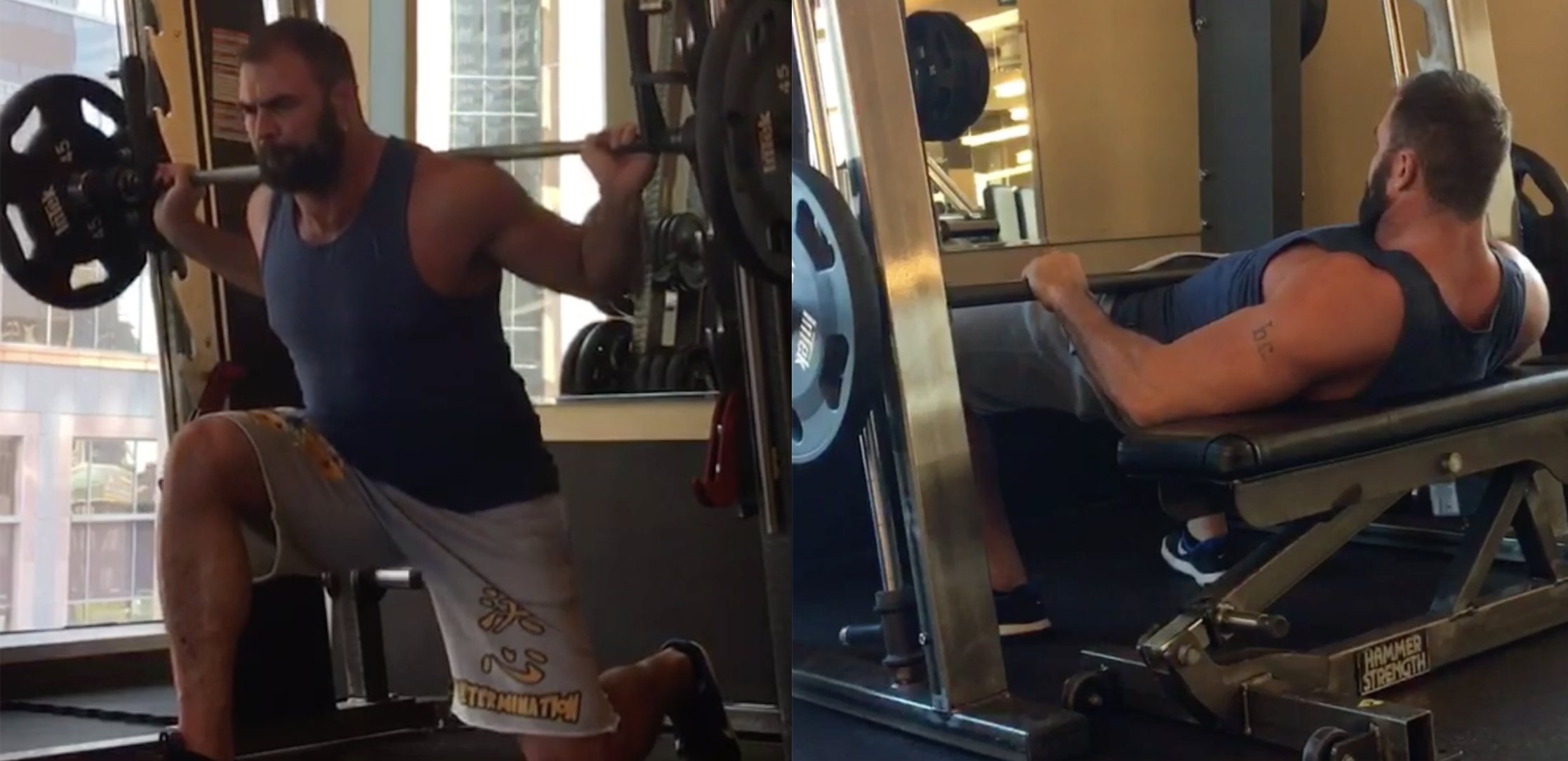
3. Smith Machine Reverse Lunge
Lunges on the Smith machine help you control the movement and load heavier, hitting your glutes hard.
How to do it:
- Stand under the bar, feet hip-width apart.
- Step one foot back and lower your body until both knees are bent 90 degrees.
- Push through your front heel to return to standing.
Tips:
- Keep your torso upright.
- Push through your front heel for glute activation.
- Alternate sides or complete all reps on one leg, then switch.
Common mistakes: Leaning forward, letting the front knee go past your toes.
4. Smith Machine Split Squat
A split squat is like a lunge, but your back foot stays in place. Using the Smith machine adds stability.
How to do it:
- Set the bar on your upper back.
- Place one foot forward and the other back on a bench or floor.
- Lower your body straight down until your front thigh is parallel to the floor.
- Push up, focusing on the front leg.
Tips:
- Keep your chest up.
- Go slow to feel the stretch in your glutes.
- Use a pad for comfort.
Common mistakes: Letting your knee collapse, using too much weight too soon.
5. Smith Machine Step-up
This move targets glutes and hamstrings. The Smith machine makes balancing easier.
How to do it:
- Place a box or bench under the bar.
- Stand in front of it, bar on your shoulders.
- Step up with one foot, driving through your heel, then bring the other foot up.
- Step down carefully and repeat.
Tips:
- Use a box height that lets your knee bend at 90 degrees.
- Don’t push off with your back leg.
Common mistakes: Using momentum, letting your knee cave in.
6. Smith Machine Romanian Deadlift
This exercise targets glutes and hamstrings, teaching you hip hinge movement.
How to do it:
- Stand with feet hip-width apart, bar in front of your thighs.
- Unlock the bar, hinge at your hips, and push your butt back.
- Lower the bar just below your knees, keeping your back straight.
- Squeeze your glutes to stand up.
Tips:
- Keep the bar close to your legs.
- Move slowly and feel the stretch.
Common mistakes: Rounding your back, bending knees too much.
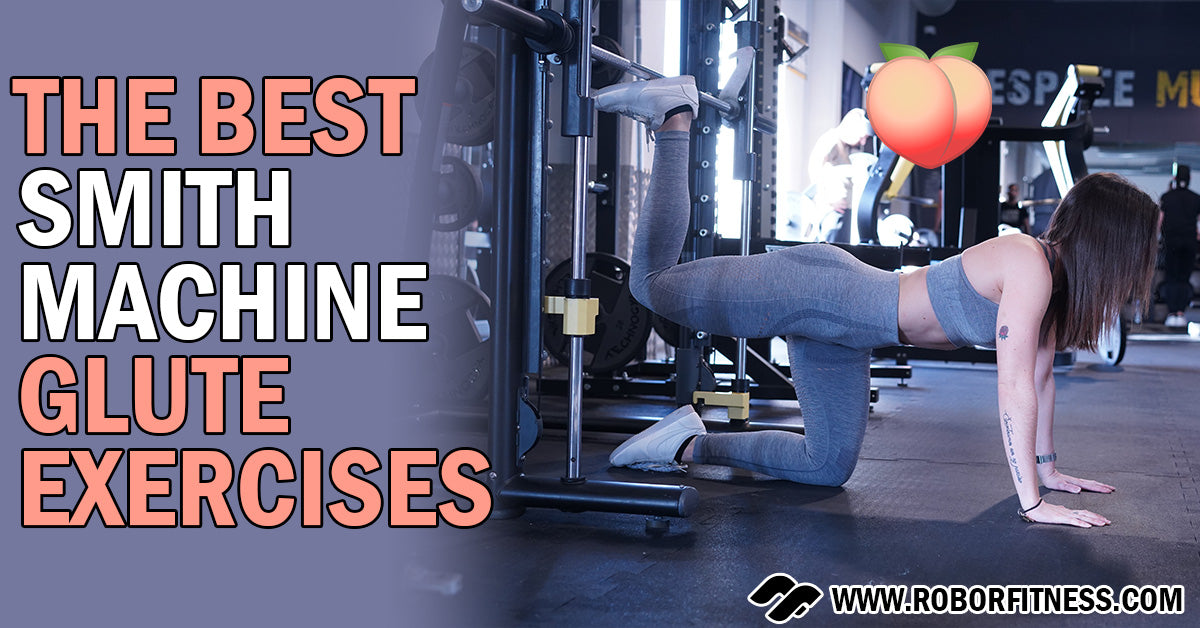
7. Smith Machine Donkey Kick
This is an isolation move for your glutes.
How to do it:
- Set the bar at the lowest point.
- Kneel under the bar, place one foot under it.
- Push the bar up with your heel, squeezing your glute at the top.
- Lower slowly, repeat, then switch legs.
Tips:
- Keep your core tight.
- Don’t swing your back.
Common mistakes: Using momentum, not controlling the movement.
Sample Smith Machine Glute Workout Routines
Let’s turn these exercises into real-life routines. Here are two sample workouts—one for beginners, one for advanced lifters.
Beginner Smith Machine Glute Workout
This routine builds strength and confidence. Focus on form and muscle control.
- Smith Machine Hip Thrust: 3 sets of 10 reps
- Smith Machine Squat (Wide Stance): 3 sets of 12 reps
- Smith Machine Reverse Lunge: 2 sets of 10 reps per leg
Rest 60–90 seconds between sets.
Tips for beginners:
- Start with light weight to master technique.
- Do a warm-up set with just the bar.
- If unsure, ask a trainer for a form check.
Advanced Smith Machine Glute Workout
This routine uses more volume and intensity for muscle growth.
- Smith Machine Hip Thrust: 4 sets of 8–10 reps (heavy)
- Smith Machine Romanian Deadlift: 4 sets of 10–12 reps
- Smith Machine Split Squat: 3 sets of 8 reps per leg
- Smith Machine Step-Up: 3 sets of 12 reps per leg
- Smith Machine Donkey Kick: 2 sets of 15 reps per leg (light, slow)
Rest 60 seconds between sets.
Advanced tips:
- Use “pause reps”—hold the top of hip thrusts for 2 seconds.
- Try “drop sets” on your last set: Lower the weight and keep going until failure.
Credit: www.roborfitness.com
Comparing Smith Machine Vs. Free Weights For Glutes
Many people wonder if the Smith machine is better than free weights for glute training. Both have advantages and disadvantages.
| Factor | Smith Machine | Free Weights |
|---|---|---|
| Stability | High (guided bar path) | Low (requires more balance) |
| Muscle Isolation | Excellent for glutes | Good, but more stabilizer muscle use |
| Safety | Safer for heavy lifts alone | Spotter often needed |
| Functional Strength | Less core/stabilizer activation | More core, balance, and real-life carryover |
| Progression | Easy to add weight, pause mid-rep | Requires more control and experience |
Key insight: For beginners and those focused on muscle building, the Smith machine can help you isolate and overload your glutes. Advanced lifters may want to mix in free weight exercises for balance and athletic benefits.
How To Adjust The Smith Machine For Your Body
Not everyone is the same height or build. Adjust the Smith machine to fit your body:
- Bar Height: For hip thrusts and Romanian deadlifts, set the bar at thigh level. For squats, set it at shoulder height.
- Foot Position: Move your feet forward or back to feel more glute engagement. For squats, a wider stance hits glutes harder.
- Bench/Step Height: For hip thrusts or step-ups, use a bench/box that keeps your knees at about 90 degrees.
- Padding: Use a barbell pad or towel for comfort on your hips or shoulders.
Test each position with a light load before adding weight.
Progressive Overload: The Secret To Glute Growth
To see real changes in your glutes, you need to progressively overload them. This means making your workouts a little harder over time:
- Add more weight
- Do more reps or sets
- Slow down the lowering phase (eccentric)
- Add a pause at the hardest part
- Shorten rest periods
Don’t jump up in weight too fast. Small increases, done consistently, will lead to better gains and lower your risk of injury.
Common Mistakes To Avoid In Smith Machine Glute Workouts
Even with a stable machine, mistakes can stop your progress or cause injury. Watch out for these:
- Using too much weight: More isn’t always better. If your form breaks, lower the load.
- Short range of motion: Only going halfway reduces glute activation.
- Letting the back arch: This shifts work to your lower back. Keep your core tight.
- Feet too far/close: Experiment to find the best spot for glute activation.
- Not pausing at the top: Rushing reps means less muscle work. Squeeze at the top for full benefit.
A less obvious mistake: neglecting the mind-muscle connection. Focus hard on your glutes during each rep, and you’ll see better results.
How Often Should You Train Glutes On The Smith Machine?
Most people see best results training glutes 2–3 times per week. Here’s a quick guide:
- Beginners: Start with 2 sessions, at least 48 hours apart.
- Intermediate/Advanced: 2–3 sessions, vary exercises each day.
Let your muscles recover and grow. If you’re always sore, take an extra rest day.
Combining Smith Machine Workouts With Other Glute Training
For best results, mix Smith machine workouts with other types of training:
- Free weights: Try barbell hip thrusts, deadlifts, or goblet squats.
- Bodyweight: Add glute bridges, single-leg hip thrusts, or banded exercises.
- Machines: Use the cable kickback, glute press, or abductor machine.
This variety keeps your muscles guessing and prevents boredom.
Credit: bretcontreras.com
Nutrition Tips For Glute Growth
Your training is only half the battle. To build glutes, you need the right fuel:
- Eat enough protein: Aim for 0.7–1 gram per pound of body weight daily.
- Don’t fear carbs: You need energy to train hard.
- Healthy fats: Support hormone health and recovery.
- Stay hydrated: Muscles need water to function and grow.
If you want to gain size, eat a slight calorie surplus. If you want to tone up, keep calories at maintenance but focus on protein and heavy lifting.
Recovery And Glute Growth
Muscles grow when you rest, not just when you train. Here’s how to help your glutes recover:
- Sleep 7–9 hours per night
- Stretch after workouts, focusing on the hips and glutes
- Foam roll tight spots to improve mobility
- Active recovery: Go for walks, swim, or do light cycling
Don’t train sore muscles hard. If your glutes are still tired, give them another day.
Advanced Techniques For Smith Machine Glute Training
Once you’ve mastered the basics, try these methods for more challenge:
- Tempo training: Slow down each rep (for example, 3 seconds down, 1 second up).
- Rest-pause sets: Do as many reps as possible, rest 10 seconds, then do a few more.
- Partial reps: After reaching failure, do short reps at the hardest point.
- Supersets: Pair two glute moves back-to-back with no rest.
For example, do a set of hip thrusts, then move straight to split squats. This boosts intensity and muscle growth.
Tracking Progress: Measure Your Glute Gains
Don’t rely only on the scale. Track your glute development with these methods:
- Take photos: Every 4–6 weeks, in the same lighting and pose.
- Measure: Use a tape measure around the widest part of your hips/glutes.
- Track your lifts: Log weights, reps, and sets to see strength gains.
- Clothes fit: Jeans feeling tighter? That’s a good sign!
Progress can be slow but steady. Celebrate small wins.

Credit: www.youtube.com
Comparing Smith Machine Glute Exercises By Glute Activation
Some moves activate the glutes more than others. Here’s how they stack up:
| Exercise | Primary Glute Activation | Secondary Muscles |
|---|---|---|
| Hip Thrust | Very High | Hamstrings, quads |
| Reverse Lunge | High | Quads, hamstrings |
| Romanian Deadlift | High | Hamstrings, lower back |
| Squat (Wide Stance) | Moderate | Quads, adductors |
| Donkey Kick | Moderate | Core, hamstrings |
| Step-Up | Moderate | Quads, calves |
If you want maximum glute growth, start your workouts with hip thrusts or Romanian deadlifts, then add lunges and other moves.
Who Should Use The Smith Machine For Glute Workouts?
The Smith machine isn’t just for beginners. It’s useful for:
- Beginners: Safe, stable, and easier to learn.
- People with balance issues: You can lift without worrying about falling.
- Those training alone: No spotter needed for heavy lifts.
- Bodybuilders: Easier to isolate and fatigue the glutes.
Athletes can benefit too, but should mix Smith machine work with free weights and athletic drills.
Is The Smith Machine Bad For Your Joints?
You may hear that the Smith machine is “bad for your knees” or “unnatural. ” The truth is, with proper form, it’s very safe. The fixed bar path means you must set your feet to match your hip and knee angles.
Experiment to find the best position for your body.
If you have previous knee or hip injuries, start light and check with a physical therapist or trainer.
Real-life Example: Transforming Glutes With The Smith Machine
Jasmine, a 32-year-old office worker, started training glutes with the Smith machine after struggling with back pain during barbell squats. She focused on hip thrusts and reverse lunges, slowly increasing weight each week. After three months, she saw her glutes round out, her jeans fit better, and her back pain improved.
Her secret? Consistency, good form, and tracking her progress.
This shows that even busy people can make real changes with the right approach.
Two Non-obvious Insights For Faster Glute Results
- Foot placement matters more than you think. Small changes—like pointing your toes slightly outward or forward, or moving your feet an inch closer or farther—can dramatically increase glute activation. Don’t be afraid to experiment.
- Lockout and hold. Most people rush the top of hip thrusts or squats. Holding the top position for 2–3 seconds increases muscle tension and signals your glutes to grow. Try adding a pause, even if it means using a lighter weight.
Safety Tips For Smith Machine Glute Training
- Always check the bar is locked before starting.
- Use safety stops if available, especially for hip thrusts.
- Wear proper shoes with a flat sole for better stability.
- Warm up with bodyweight glute bridges or band walks.
Never sacrifice form for weight. Quality reps beat heavy, sloppy ones every time.
Frequently Asked Questions
How Much Weight Should I Use For Smith Machine Glute Exercises?
Start with a weight you can lift for 10–15 reps with good form. For hip thrusts, most beginners use just the bar (usually 15–20 kg) and add weight slowly. Increase the weight only when you can complete all your reps without losing form.
Is The Smith Machine Better Than Free Weights For Glutes?
Both have benefits. The Smith machine offers more stability and safety, letting you focus on glute activation. Free weights work more stabilizer muscles and improve balance. For best results, use both in your routine.
Can Men And Women Both Benefit From Smith Machine Glute Workouts?
Yes. Strong glutes are important for everyone. Men often focus on squats and deadlifts, but targeted glute training improves sports performance, posture, and lower back health for both men and women.
How Long Does It Take To See Results From Smith Machine Glute Workouts?
Most people notice changes in 6–12 weeks with consistent effort, good nutrition, and progressive overload. Track strength gains, body measurements, and how your clothes fit. Patience and consistency are key.
Where Can I Learn More About Glute Training And Exercise Science?
A great place to start is the Wikipedia entry on the gluteus maximus, which covers glute anatomy and function in detail.
The Smith machine is a powerful tool for building strong, round glutes—no matter your experience level. Focus on proper form, progressive overload, and consistency. Mix Smith machine moves with other types of training, fuel your body, and allow time for recovery.
Over time, you’ll see your glutes grow stronger, your posture improve, and your confidence soar.
