

Side Glute Workout: Top Exercises for Stronger, Rounder Hips
Side Glute Workout: Build Strong, Defined Glutes From The Side
If you want a rounder, stronger, and more athletic lower body, focusing on the side glutes is essential. Many people work on their glutes, but often miss the outer part, which gives your hips shape and stability. Whether you want to fill out your jeans, improve your sports performance, or support your hips for daily movement, a targeted side glute workout can make a big difference.
This article is your practical guide to understanding and training the side glutes. You’ll learn which muscles matter, how to activate them, and the best exercises for results. You’ll also find training plans, tips for home and gym, and answers to common questions.
Let’s break down everything you need to know to build strong, defined side glutes.
What Are The Side Glutes?
The side glutes usually refer to the gluteus medius and the gluteus minimus. These are two important muscles on the outer side of your hips. While most people know the gluteus maximus (the largest glute muscle), the side glutes often get less attention. But they are crucial for:
- Hip stability: They keep your pelvis steady when you walk, run, or stand on one leg.
- Hip abduction: They help move your leg away from your body.
- Athletic power: They support side-to-side movement, jumping, and balance.
Weak side glutes can lead to hip pain, knee problems, and poor posture. On the other hand, strong side glutes can improve your performance and give your hips a rounder look.
Why Train The Side Glutes?
Many glute workouts focus on squats and hip thrusts. While these are great, they mainly target the gluteus maximus. If you want balanced, full glutes, you need to add exercises that hit the side glutes. Here’s why:
- Shape and symmetry: Side glute development gives your hips more width and a balanced shape.
- Injury prevention: Strong side glutes protect your knees and lower back, especially during sports.
- Better movement: Everyday actions like climbing stairs, walking, and standing become easier.
- Athletic performance: Sports that need quick changes of direction (like soccer or tennis) rely on side glute strength.
- Support for other lifts: Big lifts like squats and deadlifts become safer and more powerful with strong side glutes.
Insight: Many people who only do squats and lunges miss out on this complete glute development, which can limit both shape and strength.

Credit: thetravellingwellnessgirl.com
Anatomy Of The Side Glutes
Understanding the anatomy helps you train smarter. The side glutes are made up of:
- Gluteus medius: Sits above the gluteus maximus, fan-shaped, and is the main muscle for hip abduction (lifting your leg to the side).
- Gluteus minimus: Lies underneath the gluteus medius, smaller, but also helps with abduction and hip stabilization.
- Tensor fasciae latae (TFL): Not technically a glute muscle, but works closely with the side glutes for hip movement.
Here’s a quick comparison of the side glute muscles:
| Muscle | Main Function | Location | Activation Level (in side glute exercises) |
|---|---|---|---|
| Gluteus Medius | Hip abduction, stabilization | Upper outer hip | High |
| Gluteus Minimus | Hip abduction, rotation | Deep outer hip | Medium |
| Tensor Fasciae Latae | Hip flexion, abduction | Front-outer hip | Medium |
Insight: Many people feel “burn” in their hip flexors or outer thigh instead of the side glutes when starting out. This often means the gluteus medius is weak and other muscles are taking over.
How To Activate The Side Glutes
Before you can grow or strengthen the side glutes, you must activate them. This means making sure they are doing the work during your exercises, not just your thighs or hip flexors.
Steps for better activation:
- Warm up with light bands: Mini bands are great for “waking up” the side glutes. Try lateral band walks before your main workout.
- Slow, controlled reps: Focus on feeling the side glute muscle working, especially at the top of each movement.
- Mind-muscle connection: Touch your side hip muscle as you move. You should feel it contract and “fire up.”
- Don’t let your hips twist: Keep your pelvis steady during each rep.
Common mistake: Letting your knees cave in or your hips rotate during side glute exercises. This takes work away from the target muscle.
The 10 Best Side Glute Exercises
A great side glute workout uses exercises that target the gluteus medius and minimus from different angles. Here are the top moves, with guidance for form, equipment, and intensity.
1. Side-lying Hip Abduction
- How: Lie on your side, legs straight. Lift the top leg up (about 45 degrees) and lower it slowly.
- Tip: Don’t let your toes point up—keep them slightly down to target the glute, not the hip flexor.
2. Clamshell
- How: Lie on your side, knees bent. Keep feet together and open your top knee, like a clamshell.
- Tip: Place a resistance band around your knees to increase difficulty.
3. Standing Lateral Leg Raise
- How: Stand tall, hold onto a support. Lift one leg out to the side, keeping your torso still.
- Tip: Pause at the top for maximum contraction.
4. Banded Lateral Walk
- How: Put a resistance band around your legs, just above your knees or ankles. Bend your knees slightly, and step sideways.
- Tip: Keep tension in the band and stay low.
5. Single-leg Glute Bridge (with Abduction)
- How: Lie on your back, knees bent. Lift one foot off the floor and push hips up. At the top, move the raised leg out to the side.
- Tip: Squeeze your glute at the top.
6. Curtsy Lunge
- How: Stand tall. Step one leg back and across behind the other, lowering into a lunge. Push back to start.
- Tip: Keep your chest up and knees in line with toes.
7. Cable Hip Abduction
- How: Attach a cable to your ankle. Stand sideways to the machine and lift your leg away from your body.
- Tip: Use slow, controlled movement—don’t swing.
8. Side Plank Leg Lift
- How: Start in a side plank position. Lift your top leg up and hold, then lower slowly.
- Tip: Keep your body in a straight line.
9. Monster Walk
- How: Place a band around your ankles. Walk forward and back with wide steps, keeping tension on the band.
- Tip: Stay low and lead with your heel.
10. Lateral Step-up
- How: Stand next to a bench or box. Step up sideways with one leg, then lower back down.
- Tip: Keep your weight in your heel and push through your glute.
Practical advice: Start with bodyweight or light resistance, and increase difficulty as your form and strength improve.
Sample Side Glute Workout Plans
Whether you train at home or in the gym, you can build strong side glutes. Here are two sample routines—one for home, one for the gym.
Home Side Glute Workout
- Warm Up: 5 minutes of dynamic movements (hip circles, bodyweight squats)
- Side-Lying Hip Abduction: 3 sets of 15 reps per side
- Clamshell with Band: 3 sets of 15 reps per side
- Banded Lateral Walk: 3 sets of 20 steps
- Monster Walk: 2 sets of 20 steps
- Side Plank Leg Lift: 3 sets of 10 reps per side
Rest: 30–45 seconds between sets
Gym Side Glute Workout
- Warm Up: 5 minutes on elliptical or treadmill, plus hip mobility drills
- Cable Hip Abduction: 3 sets of 12 reps per leg
- Curtsy Lunge: 3 sets of 12 reps per leg
- Lateral Step-Up: 3 sets of 10 reps per side
- Single-Leg Glute Bridge with Abduction: 3 sets of 10 reps per leg
- Banded Lateral Walk (as finisher): 2 sets of 20 steps
Rest: 45–60 seconds between sets
Tip: You can do these routines 2–3 times per week for best results. Always allow at least one day of rest between side glute workouts to recover.
Progressive Overload For Side Glutes
To see real changes, you need to progressively overload your side glutes. This means making your workouts harder over time. Here’s how:
- Add resistance: Use heavier bands, weights, or cables.
- Increase reps or sets: Add more repetitions or extra sets.
- Slow down tempo: Focus on a slow, controlled lowering phase.
- Change angles: Try new exercises or adjust foot position.
Data insight: Research shows that muscle growth happens best when you reach near-muscular fatigue (the point where you can’t do another good rep). For most people, this is 8–20 reps per set.
Common Side Glute Training Mistakes
Even with the best exercises, mistakes can hold you back. Watch out for these:
- Using your hip flexors, not glutes: This happens if you swing your leg or point your toes up.
- Letting your pelvis twist: Keep your hips steady during each movement.
- Not enough resistance: Bands or weights should feel challenging by the last few reps.
- Rushing through reps: Slow, controlled movement is key to muscle activation.
- Neglecting other glute muscles: The glutes work together, so train all parts for best results.
Non-obvious tip: Sometimes, if you only feel your outer thigh or hips burning, your glutes may not be firing well. Go back to activation drills or use lighter weights to relearn the movement.
Training Frequency And Recovery
How often should you train your side glutes? For most people, 2–3 times per week is ideal, with at least 48 hours between hard sessions. Recovery is just as important as training.
- Sleep: Muscles grow when you sleep, not just when you train. Aim for 7–9 hours per night.
- Nutrition: Get enough protein (about 0.7–1 gram per pound of body weight) and overall calories.
- Stretching: Gentle stretching after your workout helps reduce soreness and improves flexibility.
How To Add Side Glute Work To Your Current Routine
You don’t need to redesign your whole workout. Here’s how to include side glute training:
- Add 2–3 side glute exercises at the end of your lower body workout.
- Use activation drills as your warm-up before squats or lunges.
- Try “supersets” (pairing side glute work with another exercise, back-to-back).
- Substitute one glute exercise per week with a side glute move.
Example: After your regular leg day, do 3 sets of clamshells and lateral band walks as a finisher.
Comparing Side Glute Exercises
Different exercises activate the side glutes with varying intensity. Here’s a comparison of popular exercises and their average gluteus medius activation (based on EMG studies):
| Exercise | Gluteus Medius Activation | Equipment Needed |
|---|---|---|
| Clamshell | High | Band (optional) |
| Banded Lateral Walk | Very High | Band |
| Lateral Step-Up | High | Bench/Box |
| Standing Lateral Leg Raise | Medium | None |
| Cable Hip Abduction | Very High | Cable Machine |
Non-obvious insight: Even bodyweight exercises can be very effective for the side glutes—if you use good form and enough reps to reach fatigue.
Equipment For Side Glute Training
You don’t need a gym membership to train your side glutes, but the right tools can help. Here’s a look at common equipment:
| Equipment | Benefits | Best For |
|---|---|---|
| Resistance Bands | Easy to use, portable, adds extra tension | Home or travel workouts |
| Dumbbells | Add weight for step-ups or lunges | Increasing resistance at home or gym |
| Cable Machines | Constant tension, easy to adjust weight | Precise isolation in gym settings |
| Bench/Step | For step-ups, hip thrusts | Home or gym |
Tip: Mini resistance bands are one of the best investments for glute training—you can use them for dozens of exercises and they fit in any bag.
How Long Does It Take To See Results?
Progress depends on your starting point, consistency, and genetics. Most people notice:
- Better muscle activation and soreness: Within 2–3 workouts.
- Stronger, rounder hips: After 4–8 weeks of regular training.
- Visible changes in shape: 8–16 weeks, if you’re following a complete program and eating well.
Key point: Side glute muscles are smaller and take less time to recover than the gluteus maximus, so you may see strength and shape changes faster.
Nutrition For Glute Growth
Your workout is only half the story. To build muscle, you need enough fuel.
- Protein: Aim for at least 0.7 grams per pound of body weight. Chicken, eggs, tofu, beans, and Greek yogurt are great choices.
- Carbohydrates: Give you energy for tough workouts. Include rice, oats, potatoes, fruit, and whole grains.
- Healthy fats: Support hormones and recovery. Try avocado, nuts, olive oil, and fatty fish.
- Hydration: Muscles need water to work well—drink plenty throughout the day.
Practical tip: Eating a protein-rich meal or shake within 2 hours after your workout can help your muscles repair and grow.
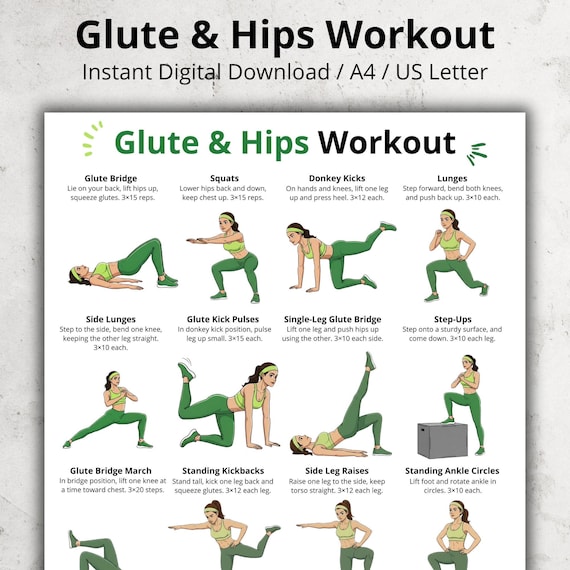
Credit: www.etsy.com
Side Glute Workout For Different Goals
For Muscle Growth (hypertrophy)
- Use moderate to heavy resistance
- 8–15 reps per set
- 3–4 sets per exercise
- Train to near failure (when you can’t do another good rep)
For Endurance And Toning
- Use lighter weights or bodyweight
- 15–25 reps per set
- 2–3 sets per exercise
- Focus on short rest (20–30 seconds)
For Athletic Performance
- Include explosive moves (side jumps, lateral bounds)
- Mix strength and speed work
- Add balance and stability drills
Tip: You can mix these styles in your program for balanced glutes.
Side Glute Training For Men Vs. Women
Both men and women can benefit from side glute training. The main difference is often in goals and programming:
- Women often train for shape, balance, and injury prevention.
- Men sometimes focus more on strength and athletic power.
However, the exercises and techniques are effective for everyone. Men may use heavier resistance, while women may do higher reps, but both should focus on good form and progressive overload.
Insight: Side glute training can help reduce “hip dips” (indentations on the sides of the hips) for both men and women, though genetics play a big role in hip shape.
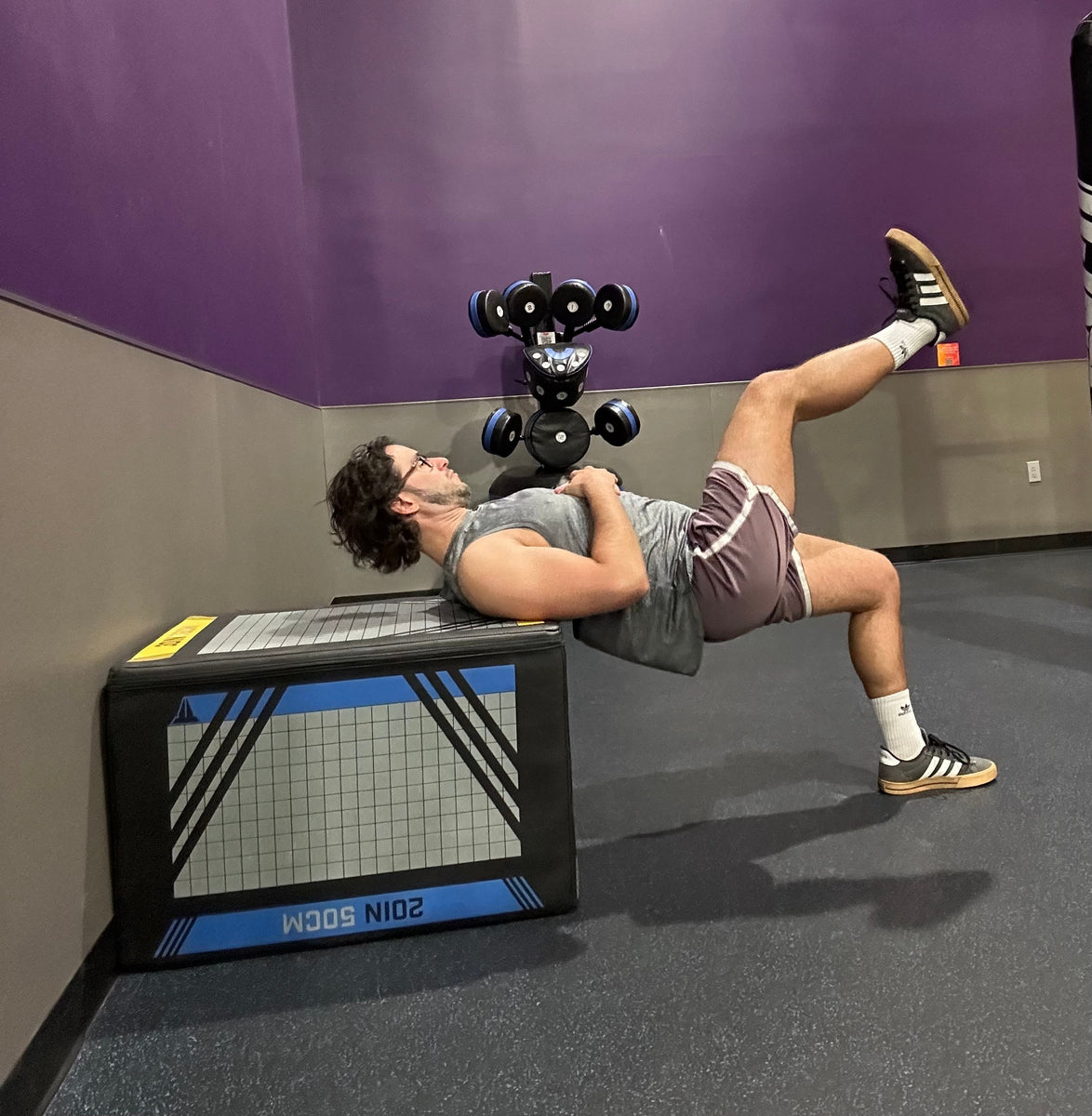
Credit: backmusclesolutions.com
Advanced Tips For Side Glute Development
Ready to take your results further? Try these advanced strategies:
- Add pauses or holds: At the top of each rep, pause for 2–3 seconds for extra tension.
- Try drop sets: Do a set to fatigue, then use a lighter band or no weight and go to fatigue again.
- Use unstable surfaces: Try lateral leg raises on a balance pad or BOSU ball for more muscle activation.
- Increase time under tension: Slow down both the lifting and lowering phase of each rep.
Warning: Only add advanced techniques if you can do all reps with good form. More is not always better—quality comes first.
Mobility And Flexibility For Side Glutes
Tight hips or thighs can limit your side glute progress. Include these stretches:
- Figure-four stretch: Cross one ankle over the opposite knee and gently pull the knee toward your chest.
- Standing IT band stretch: Cross one leg behind the other and lean to the side.
- Hip flexor stretch: Kneel on one knee and push your hips forward.
Hold each stretch for 20–30 seconds after your workout.
Side Glutes And Everyday Life
Strong side glutes don’t just look good—they make daily life easier. You’ll notice:
- Easier walking and running: Better hip stability means less fatigue.
- Improved balance: Especially useful for older adults or people recovering from injury.
- Less knee and back pain: The side glutes help control your leg and pelvis alignment.
Example: People who work at desks or do a lot of sitting often have weak side glutes. Adding a few activation exercises can relieve aches and improve posture.
Tracking Your Progress
Stay motivated by keeping track of your side glute training:
- Write down your exercises, sets, reps, and resistance after each workout.
- Take progress photos every 4 weeks (from the side and back).
- Test your strength: Try a side plank leg lift and count how many solid reps you can do.
- Notice changes in your clothing fit and daily movement.
Tip: Progress can be slow at first, but consistency wins. Celebrate small wins along the way.
Further Reading And Learning
If you want more science and technique tips, check out ACE Fitness for evidence-based exercise guides.
Frequently Asked Questions
How Often Should I Do Side Glute Workouts?
For most people, 2–3 times per week is enough. Make sure to rest at least one day between sessions to let your muscles recover and grow.
Can I Build Side Glutes Without Weights?
Yes, you can get great results with bodyweight and resistance bands. Focus on perfect form and do enough reps to reach near fatigue.
Why Do I Feel My Thighs More Than My Glutes?
This is usually a sign that your glutes are not activating well. Try slowing down each rep, checking your form, and doing extra activation drills before your main workout.
Do Side Glute Workouts Help With Hip Dips?
Side glute training can help fill out the area around hip dips, but genetics also play a big role. You may reduce the appearance, but not remove them completely.
How Long Does It Take To See Results In The Side Glutes?
You may feel better muscle activation within 2–3 workouts, but visible changes usually take 8–16 weeks of consistent training and good nutrition.
Building strong, defined side glutes is a smart investment for your health, appearance, and performance. With the right exercises, consistent effort, and smart progression, you’ll see and feel the benefits in all areas of life. Start today, stay patient, and enjoy the journey to better hips and glutes.
