

Should You Workout Triceps Or Biceps First for Best Results?
Should You Workout Triceps Or Biceps First?
Building strong, defined arms is a goal for many people in the gym. But when it comes to arm day, a common question comes up: Should you train triceps or biceps first? This simple choice can actually have a big impact on your workout results. The answer depends on your goals, your experience level, and even how the rest of your training week looks.
Many gym-goers just follow what others do or pick randomly which muscle to train first. But if you want to get the most out of your workouts, it's important to understand how the order affects your muscle growth, strength, and overall performance. This article will break down the science, practical experience, and common mistakes around this topic. You’ll discover which order is best for different goals, how to set up your arm workouts, and what most people overlook when planning their sessions.
The Anatomy Of Arm Muscles
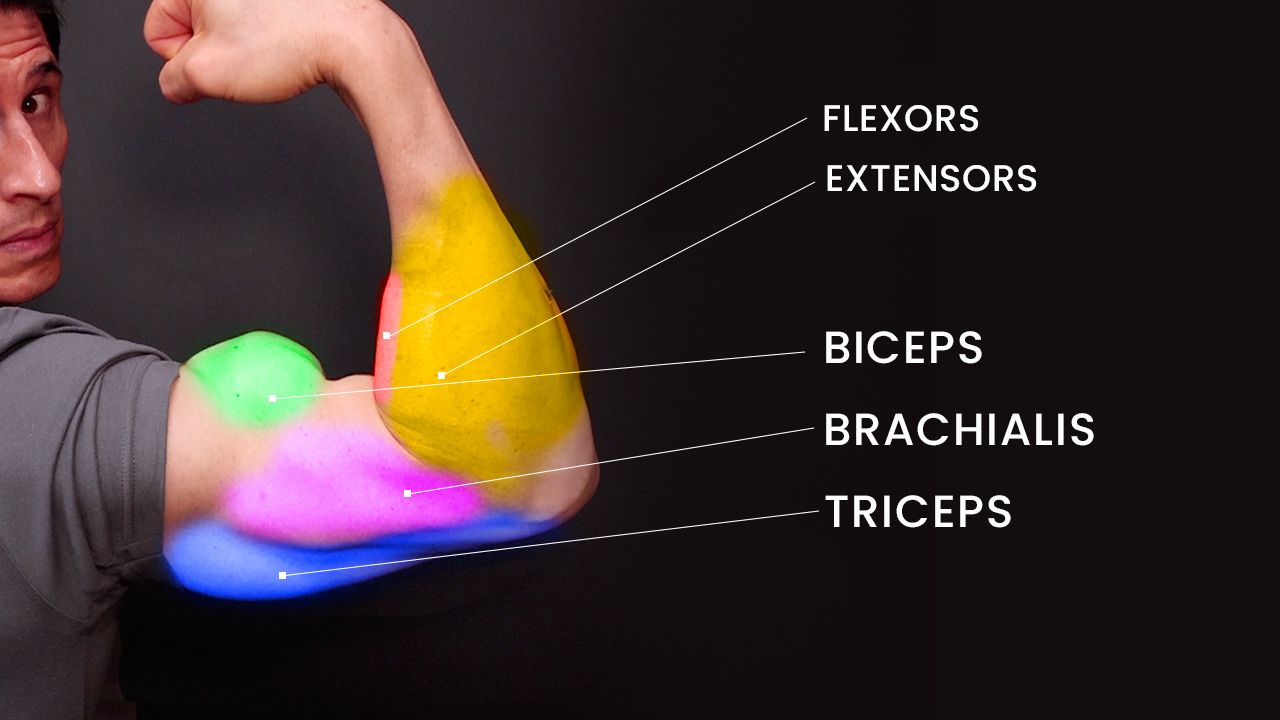
Understanding the basic structure of your arms helps you make smarter training decisions. The upper arm is mainly made up of two big muscles: the biceps brachii and the triceps brachii.
- The biceps are on the front of your upper arm. Their main job is to bend your elbow and rotate your forearm.
- The triceps are on the back of your upper arm. Their main job is to straighten your elbow.
The triceps make up about two-thirds of your upper arm size, while the biceps are one-third. This surprises many people who focus only on biceps curls for bigger arms. If you want thicker arms, you cannot ignore the triceps.
Both muscles are important for everyday movements and sports. They work together in pushing and pulling actions, but each has its own role. Knowing this helps you understand why the order of your exercises matters.
How Exercise Order Affects Muscle Growth
The order in which you train muscles during a workout is called exercise order. Many studies show that muscles you train first get more benefit because they are fresher and you can lift heavier weights or do more reps. This is called the priority principle.
When you do an exercise first, your energy is high, your nervous system is fresh, and your muscles are not tired. This means better performance. For example, if you start with biceps, you can usually lift more and focus better than if you do them after working your triceps.
Here’s a simple way to think about it: The muscle you train first usually grows faster and gets stronger sooner.
But there are other things to consider, like your main goal, your weakest area, and how your program is set up. Let’s look at each factor in detail.
Training Triceps First: Reasons And Benefits
Some people choose to train triceps before biceps. This approach can make sense for several reasons.
1. Triceps Are Bigger
Since the triceps are a larger part of the upper arm, starting with them can help maximize arm size. If your goal is bigger arms, training triceps first allows you to give them your full energy.
2. Performance In Compound Lifts
The triceps are heavily involved in big pressing movements like bench press or overhead press. If you train triceps first, you might notice more strength in these exercises because your triceps are stronger.
3. Weak Triceps
If you know your triceps are your weak point, working them first gives them priority. This can help fix muscle imbalances and improve your overall arm strength.
4. Better Lockout Strength
The triceps are key for locking out (finishing) presses. If you struggle to finish a bench press or push-up, stronger triceps can help.
Example Arm Workout: Triceps First
- Triceps Pushdown: 3 sets of 10-12
- Overhead Triceps Extension: 3 sets of 10-12
- Close-Grip Bench Press: 3 sets of 8-10
- Barbell Curl: 3 sets of 10-12
- Hammer Curl: 3 sets of 10-12
Notice how you hit triceps first, then move to biceps. This setup works well if your triceps are lagging or if you want bigger upper arms.
Training Biceps First: Reasons And Benefits
There are also good reasons to start your workout with biceps.
1. Biceps Are Your Focus
If you want bigger or stronger biceps, start with them. You’ll be able to lift heavier and use better form when you’re fresh.
2. Pulling Strength
Biceps are heavily used in pulling movements like chin-ups and rows. If you struggle with these, stronger biceps can help.
3. Weak Biceps
If your biceps are your weak link, training them first helps them catch up with your triceps.
4. Mind-muscle Connection
Some people find it easier to feel their biceps working when they are not tired. This helps with muscle activation and growth.
Example Arm Workout: Biceps First
- Barbell Curl: 3 sets of 10-12
- Dumbbell Curl: 3 sets of 10-12
- Preacher Curl: 3 sets of 8-10
- Triceps Pushdown: 3 sets of 10-12
- Overhead Triceps Extension: 3 sets of 10-12
With this order, you focus your energy on biceps before moving to triceps exercises. This is helpful if your biceps need more work or if you want to see more growth in this area.
Scientific Studies On Exercise Order
Research has looked at whether training biceps or triceps first makes a real difference. Most studies show similar results: The muscle you work first gets better gains.
A key finding from a study published in the *Journal of Strength and Conditioning Research* found that when subjects trained a muscle first, they could perform more repetitions and lifted heavier weights for that muscle compared to when they trained it later in the session.
Another study showed that beginners made faster progress in the muscle group they trained first. For example, if they trained biceps before triceps, their biceps got stronger faster.
But here is an insight many miss: The differences are usually small if you are consistent and train both muscles hard. The order matters most if you have a clear priority (like bringing up a weak muscle).
For advanced lifters, small changes in exercise order can make a bigger difference, especially when trying to break through a plateau.
Real-life Examples And Case Studies
Let’s look at how different people might choose their exercise order.
Example 1: The Arm-focused Bodybuilder
Maria wants bigger arms and feels her triceps are lacking. She starts every arm day with triceps exercises. After three months, her arm size increases more than when she started with biceps first. Her close-grip bench press also improves.
Example 2: The Pull-up Athlete
James is training for a better pull-up. He finds his biceps tire out quickly. By starting his workouts with biceps curls, he notices his pull-ups improve, and his biceps look more toned.
Example 3: The General Fitness Fan
Lina is happy with her arm shape and just wants balanced strength. She switches the order every week. This keeps her workouts interesting and avoids overworking one muscle group.
These cases show there is no single “best” order. The right choice depends on your goal.
Common Mistakes When Deciding Exercise Order
Many gym-goers make simple mistakes when planning arm workouts. Here are some pitfalls to avoid:
1. Copying Others Without Thinking
Just because your friend trains biceps first doesn’t mean it’s right for you. Pick the order that matches your goals.
2. Always Doing The Same Order
If you never change the order, your body adapts. Switching things up every few weeks can help break plateaus.
3. Not Warming Up Properly
Starting with heavy weights without warming up can lead to injury, especially if you train the same muscle first every time.
4. Ignoring Recovery
Training arms too often, or working biceps and triceps before a heavy chest or back day, can slow recovery and hurt progress.
5. Not Tracking Results
If you never measure your progress, you won’t know which order works best for you.
One insight many people miss: Your shoulder and elbow joints can get tired if you do too many arm exercises in a row. This can limit your progress and increase injury risk. Vary your grip, angle, and equipment to reduce joint stress.
How To Structure Your Arm Workout For Best Results
Designing an effective arm workout is about more than exercise order. Here are important tips:
1. Warm Up First
Get blood flowing with 5-10 minutes of light cardio and dynamic stretches for arms and shoulders.
2. Pick Your Priority Muscle
Decide if you want to focus on biceps or triceps, and start with that muscle.
3. Choose 2-3 Exercises Per Muscle
Use a mix of compound (multi-joint) and isolation (single-joint) exercises.
4. Train With Good Form
Use a controlled tempo. Don’t swing the weights.
5. Rest Between Sets
Take 60-90 seconds between sets for good recovery.
6. Switch Order Every Few Weeks
This helps prevent adaptation and keeps progress steady.
Sample Split For Balanced Arm Growth
If you want balanced arms and are not sure which muscle to start with, try alternating the order each week.
Week 1:
- Start with biceps, then triceps.
Week 2:
- Start with triceps, then biceps.
This simple change can help both muscles grow evenly.
Comparing Biceps-first Vs. Triceps-first Workouts
To make this topic clearer, here is a comparison between starting with biceps or triceps in your workout:
| Aspect | Biceps First | Triceps First |
|---|---|---|
| Main Focus | Biceps growth/strength | Triceps growth/strength |
| Energy Levels | Higher for biceps | Higher for triceps |
| Best For | Pulling exercises, weak biceps | Pushing exercises, weak triceps |
| Arm Size | Moderate increase | Greater overall arm size |
| Common Mistake | Neglecting triceps | Neglecting biceps |
How Training Order Affects Compound Movements
Many people forget that the arms are involved in other big exercises. For example, your triceps help with bench press, and your biceps help with rows and pull-ups. If you train arms hard before a big chest or back day, your performance might go down.
Here’s how training order can affect other lifts:
- Biceps Tired Before Back Day: Pull-ups and rows will feel harder.
- Triceps Tired Before Chest Day: Bench press and dips will be weaker.
If your main goal is to improve a compound lift, plan your arm training so it does not hurt your performance in these big lifts.
Credit: learn.athleanx.com
Should You Train Triceps And Biceps On The Same Day?
This is another common question. Both options have benefits.
- Same Day:
Good for people with limited gym time or who want a strong arm “pump. ”
Allows you to focus on arm muscles without tiring other parts of the body.
- Different Days:
Good if you want to give each muscle more attention and recovery.
Useful for advanced lifters or those training multiple times per week.
One thing beginners miss: Training both muscles on the same day can lead to elbow overuse if you do too many sets. Keep total sets for each muscle between 6-10 per session.
How Experience Level Changes Your Approach
Your training experience changes how much exercise order matters.
- Beginners:
Can grow with almost any order, but should focus on learning good form and not doing too much too soon.
- Intermediate:
Start to see more benefit from prioritizing weak muscles and changing order every few weeks.
- Advanced:
Small changes in exercise order, rep range, and rest time can make a bigger difference. Advanced lifters often use “pre-exhaust” (training a muscle with isolation work before compound lifts) to shock the muscles.

Credit: www.youtube.com
Sample Workouts For Different Goals
For Bigger Arms (size)
- Triceps Pushdown: 3 x 10-12
- Overhead Triceps Extension: 3 x 10-12
- Barbell Curl: 3 x 10-12
- Hammer Curl: 3 x 10-12
For Stronger Pulling Strength
- Barbell Curl: 3 x 8-10
- Chin-Up: 3 x max reps
- Triceps Pushdown: 3 x 10-12
- Close-Grip Push-Up: 3 x 12
For Balanced Arms
- Alternate starting muscle each session.
- Use 2-3 exercises per muscle.
- Keep reps in the 8-12 range.
How Fatigue Affects Exercise Order
Fatigue is a key factor that many people ignore. When you train one muscle, it gets tired and weaker. If you train biceps first, your triceps are fresher for their exercises, and vice versa. The muscle trained second will not be able to lift as heavy or for as many reps.
This is called acute fatigue, and it can lower the quality of your workout for the second muscle group. Over time, this can lead to smaller gains for the muscle you always train second.
One smart tip: If you always feel tired when you get to your second muscle, try reducing the number of sets for the first muscle or switching the order every few weeks.
The Impact On Joint Health And Injury Risk
Arm training is not just about muscle. Your elbows and shoulders work hard during curls and extensions. Overworking one muscle or always starting with heavy loads can lead to joint pain.
Tips for joint health:
- Use different grips (supinated, pronated, neutral) to spread stress.
- Do not lock out your elbows forcefully.
- Warm up with lighter weights before heavy sets.
- Listen to your body—if you feel pain, stop and check your form.
Many people ignore small aches and push through. But pain is a sign to adjust your routine.
Advanced Training Techniques And Exercise Order
If you’ve trained for a while, you might want to use advanced methods like supersets or pre-exhaustion. Here’s how order matters for these.
- Supersets:
Doing a biceps exercise right after a triceps exercise (or vice versa) with no rest can save time and increase intensity. But the second muscle will always be more tired.
- Pre-Exhaustion:
Starting with an isolation exercise (like curls) before a compound exercise (like chin-ups) can make the target muscle work harder, but also means you lift less weight on the compound move.
| Technique | How Order Changes Effect | Best For |
|---|---|---|
| Superset (Biceps then Triceps) | Biceps work harder, triceps train under fatigue | Time-saving, muscle pump |
| Superset (Triceps then Biceps) | Triceps work harder, biceps train under fatigue | Time-saving, arm endurance |
| Pre-Exhaustion | Target muscle feels more tired during compound lifts | Breaking plateaus |
When To Change Your Exercise Order
How often should you switch the order of biceps and triceps? There’s no single answer, but here are good guidelines:
- Change order every 4-6 weeks to keep your muscles guessing.
- Switch if you notice one muscle is not growing as fast.
- If you feel bored or stuck, a new order can boost motivation.
One thing beginners often miss: Progress comes from consistency, not just from changing order. Stick to one order long enough to see if it works before making a change.
Other Factors That Affect Arm Growth
While exercise order matters, it’s just one part of the puzzle. Make sure you also pay attention to:
- Nutrition:
Eating enough protein and calories is key for muscle growth.
- Sleep:
Muscles repair and grow during sleep. Aim for 7-8 hours per night.
- Overall Program:
Don’t train arms every day—rest is important.
- Progressive Overload:
Increase weights or reps over time for continued progress.
If you focus only on exercise order but ignore these basics, your results will be limited.
Insights Most People Overlook
Here are two non-obvious tips that can make a real difference:
1. Compound Arm Movements Count
Exercises like push-ups, bench press, and rows also work your arms. Count these when planning your weekly volume, or you might overtrain.
2. Mind-muscle Connection Matters More Than Order
If you can really “feel” the muscle working, you’ll get better results, even if it’s trained second. Focus on good form and muscle contraction with every rep.
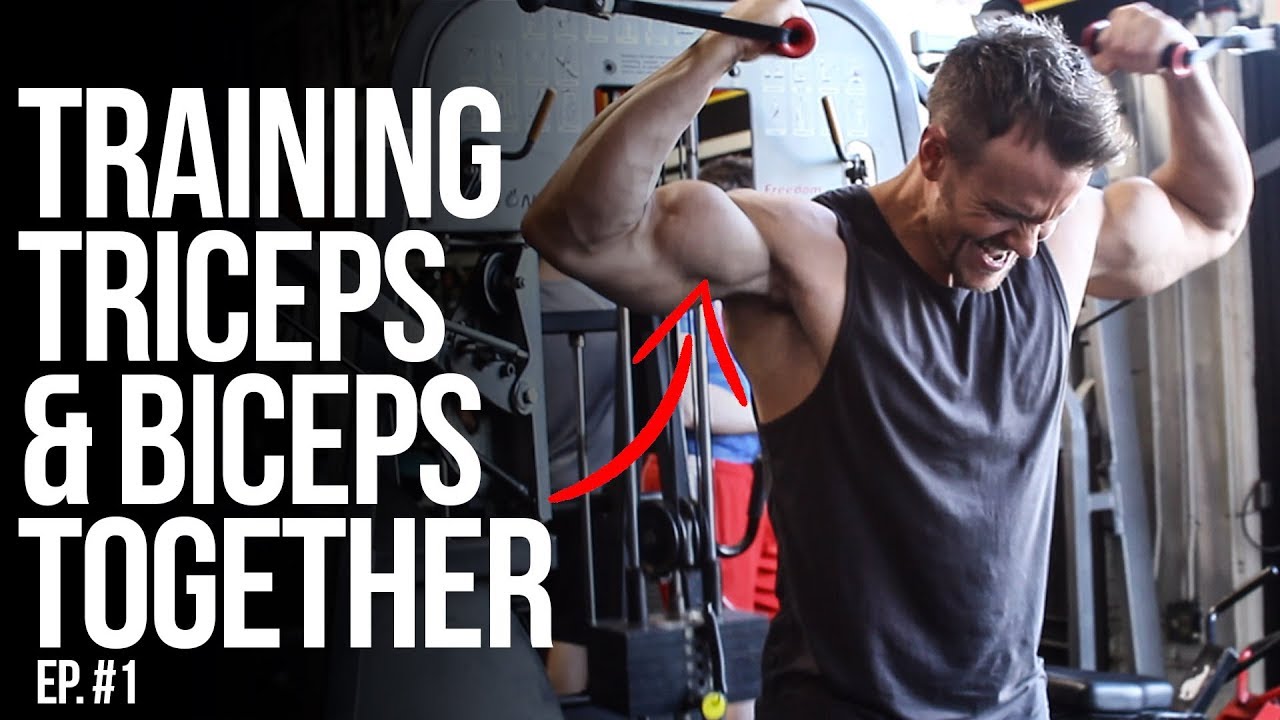
Who Should Train Triceps First?
Consider starting with triceps if:
- Your triceps are weaker than your biceps
- You want bigger overall arms
- You struggle with finishing presses (lockout strength)
- Your program is focused on pushing strength
Credit: www.youtube.com
Who Should Train Biceps First?
Start with biceps if:
- Your biceps lag behind your triceps
- You want better pulling strength or chin-ups
- You have trouble feeling your biceps during other exercises
- Your program is focused on pulling strength
Myths About Arm Training Order
There are some myths that cause confusion:
- Myth 1: You must always train biceps before triceps (or vice versa).
*Reality*: Either order works, depending on your goal.
- Myth 2: The order doesn’t matter at all.
*Reality*: The first muscle gets the most benefit.
- Myth 3: You should train arms every session for best growth.
*Reality*: Muscles need rest to grow.
Don’t believe everything you hear in the gym. Use science and your own results.
Summary Table: Which Should You Train First?
Here’s a quick reference for deciding the order:
| Your Main Goal | Start With |
|---|---|
| Bigger overall arms | Triceps |
| Bigger biceps/stronger pull-ups | Biceps |
| Stronger bench press | Triceps |
| Balanced arms | Alternate each week |
| Breaking a plateau | Switch order |
Practical Tips For Maximum Arm Growth
- Pick your main goal and start with that muscle.
- Use a mix of compound and isolation exercises.
- Change order every 4-6 weeks for continued results.
- Keep total arm sets (all exercises) between 12-16 per week.
- Focus on good form and feeling the muscle work.
- Track your progress and adjust if needed.
- Don’t ignore nutrition and recovery.
Final Thoughts
There is no perfect answer for everyone when it comes to the question, Should you workout triceps or biceps first? The best order depends on your main goal, your weak points, and your overall program. For most people, the muscle you train first will grow and get stronger faster. But don’t forget the basics—good form, enough rest, and a balanced program matter just as much.
If you want bigger arms, don’t skip triceps. If you want a better pull-up or more biceps size, start with curls. If you’re not sure, alternate the order every few weeks to get the best of both worlds. Listen to your body, track what works, and make changes as you need.
For a deeper dive into exercise order and muscle growth, you can check research on the National Institutes of Health website.
Frequently Asked Questions
Should I Always Train Triceps And Biceps On The Same Day?
Not always. Training them together is good for a strong arm pump and efficient workouts. Training on separate days gives more focus and recovery. Try both and see what feels best for you.
Can I Switch The Order Every Workout?
Yes, you can. Changing the order every session can help balance growth and keep your workouts fresh. Just make sure you stick with one order long enough to see results before switching.
Does Training Biceps Or Triceps First Affect Muscle Soreness?
Usually, the muscle you train first will feel more sore, since you can push it harder. But soreness is not always a sign of growth. Focus on good form and progressive overload, not just soreness.
Will Training Triceps Before Biceps Hurt My Curls?
If you train triceps first, your arms may be a little tired for biceps curls. This could mean lifting lighter weights or doing fewer reps. If your main goal is bigger biceps, train them first.
How Many Exercises Should I Do For Each Muscle?
Most people see good results with 2-3 exercises for each muscle per workout. Keep total sets for each muscle between 6-10 per session to avoid overtraining and keep joints healthy.
