

Men Glute Workout: Build Stronger, Bigger Glutes Fast
Men Glute Workout: Build Stronger, Powerful Glutes
Many men overlook glute training. They focus on chest, arms, and abs, but the glutes—your butt muscles—are just as important. Strong glutes improve athletic performance, prevent injuries, and help you look better from every angle. If you want to run faster, lift heavier, or simply boost your confidence, building your glutes is essential.
Most beginners think glute workouts are only for women or athletes. This is a mistake. The glutes are the largest muscle group in your body. They control hip power, sprint speed, and stability. Weak glutes can cause lower back pain, poor posture, and limit your progress in squats and deadlifts.
Training your glutes helps you become stronger overall.
This guide will show you how to train your glutes effectively, with exercises, routines, mistakes to avoid, practical tips, and real results. You’ll discover the best ways to target your glutes, the science behind glute growth, and how to build a workout plan that fits your goals.
Let’s dive in and unlock your glute potential.
Understanding The Glutes
Before you start training, you need to know what the glutes are. The gluteal muscles are three muscles at the back of your hips:
- Gluteus maximus: The largest, gives your butt shape and power.
- Gluteus medius: Supports hip stability and side movement.
- Gluteus minimus: A smaller muscle, helps with hip rotation.
These muscles are responsible for movements like standing up, walking, running, and jumping. Strong glutes protect your lower back and knees. They also help you lift heavier weights in the gym.
Why Men Need Strong Glutes
Many men focus on upper body strength, but glute strength is critical for:
- Explosive athletic movements (sprinting, jumping)
- Heavy squats and deadlifts
- Preventing injuries (especially lower back and knees)
- Improving posture and core stability
- Enhancing physical appearance
A well-developed glute area signals power and health. It also helps you perform daily movements with ease.
How Glutes Grow
Muscles grow when they are challenged with resistance. For glutes, this means:
- Using enough weight or resistance
- Doing exercises that stretch and contract the glute muscles
- Training with good form and full range of motion
Most men do not activate their glutes properly. Common exercises like squats or lunges can work the glutes, but only if you use the correct technique. Poor form will shift the work to your quads or lower back.
Best Glute Exercises For Men
Many gym routines miss direct glute work. Here are exercises proven to target your glutes for strength and growth.
1. Barbell Hip Thrust
The barbell hip thrust is the king of glute exercises. It activates the glutes more than squats or deadlifts.
- Sit with your upper back against a bench.
- Roll a barbell over your hips.
- Plant your feet, knees bent.
- Drive your hips up, squeezing your glutes at the top.
- Lower with control.
Aim for 3–4 sets of 8–12 reps.
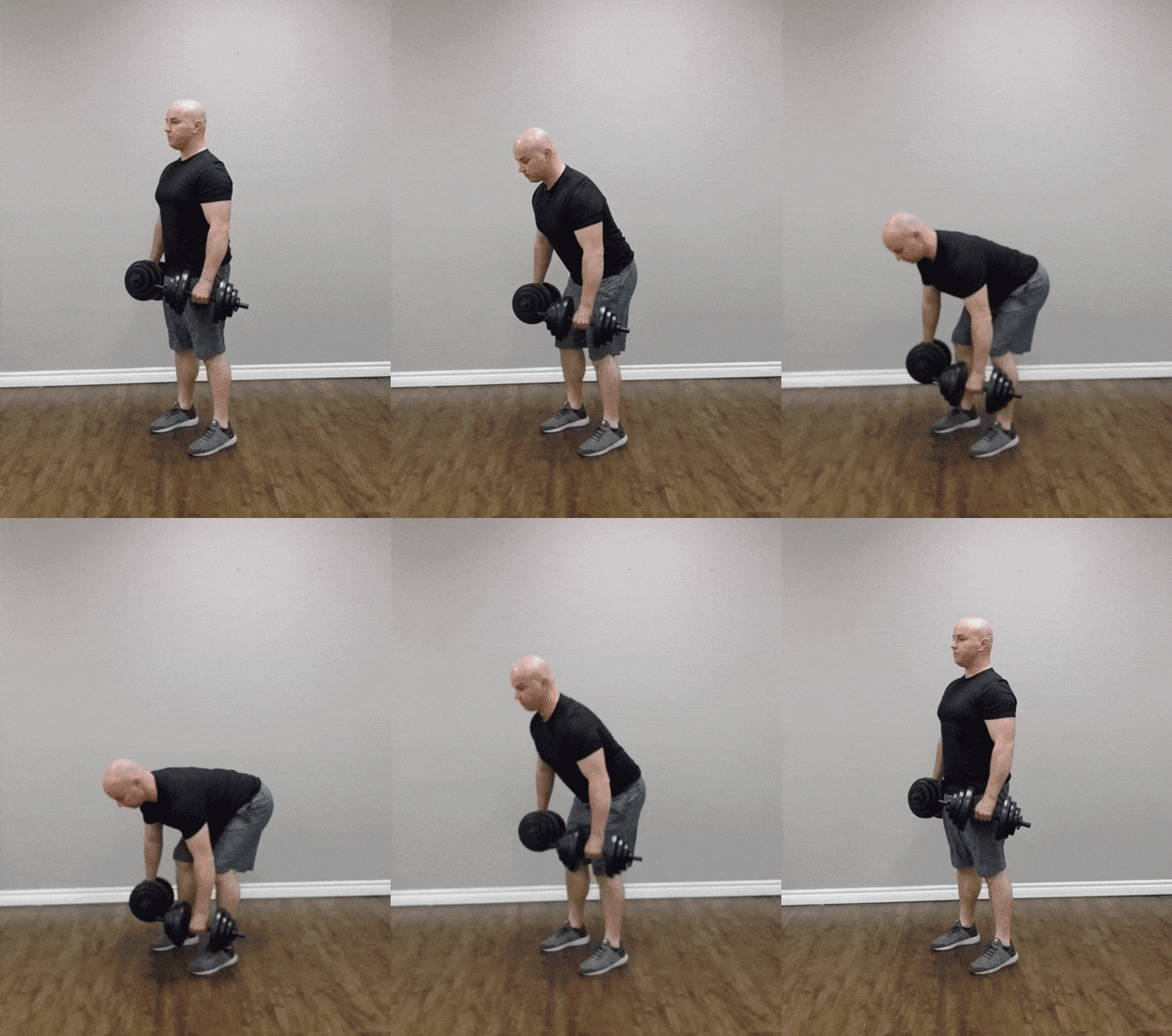
2. Romanian Deadlift
This variation puts more tension on the glutes and hamstrings.
- Hold a barbell or dumbbells.
- Keep your knees slightly bent.
- Hinge at your hips, lowering the weight while keeping your back straight.
- Feel a stretch in your glutes.
- Return to standing by squeezing your glutes.
Do 3 sets of 10–15 reps.
3. Bulgarian Split Squat
This single-leg squat variation targets glutes deeply.
- Stand in front of a bench, one foot behind you on the bench.
- Lower your body, keeping your front knee over your toes.
- Push up using your front heel.
Perform 3 sets of 8–10 reps per leg.
4. Glute Bridge
A bodyweight glute move for beginners or warm-up.
- Lie on your back, knees bent, feet flat.
- Lift hips by squeezing your glutes.
- Hold at the top, then lower.
Do 2–3 sets of 15–20 reps.
5. Cable Kickback
This exercise isolates the glutes.
- Attach an ankle strap to a cable machine.
- Stand facing the machine, kick one leg back and up.
- Focus on squeezing your glute.
Try 3 sets of 12–15 reps per leg.
6. Walking Lunges
Walking lunges work glutes and legs together.
- Step forward, bend both knees.
- Push off your front foot, step forward with the other leg.
Do 2–3 sets of 10–12 reps per leg.
7. Step-up
This move builds glute power.
- Stand in front of a bench.
- Step up with one leg, driving through the heel.
- Step down and repeat with the other leg.
Perform 3 sets of 10 reps per leg.
8. Sumo Deadlift
Wider stance deadlifts activate the glutes more.
- Stand with feet wider than shoulder width.
- Grab the bar with hands inside your knees.
- Lift using your glutes and hips.
Do 3 sets of 6–8 reps.
9. Single-leg Glute Bridge
Increases difficulty by using one leg.
- Lie on your back, one foot on the floor, one leg straight.
- Lift hips using the leg on the floor.
Do 2–3 sets of 10–12 reps per leg.
10. Frog Pump
Unique move for high glute activation.
- Lie on your back, soles of feet together, knees open.
- Thrust hips up, squeeze glutes.
Perform 2–3 sets of 20 reps.
Sample Glute Workout Routines
You can train glutes with different routines. Choose based on your experience and goals.
Beginner Routine
If you are new, start with bodyweight and simple moves. Focus on learning correct form.
- Glute Bridge – 3 sets x 15 reps
- Bulgarian Split Squat – 3 sets x 8 reps (each leg)
- Step-Up – 3 sets x 10 reps (each leg)
- Walking Lunge – 2 sets x 12 reps (each leg)
Rest 60–90 seconds between sets. Train glutes 2–3 times per week.
Intermediate Routine
Add weights and more challenging exercises.
- Barbell Hip Thrust – 4 sets x 10 reps
- Romanian Deadlift – 3 sets x 12 reps
- Cable Kickback – 3 sets x 15 reps (each leg)
- Single-Leg Glute Bridge – 3 sets x 12 reps (each leg)
Rest 90–120 seconds between sets. Repeat twice a week.
Advanced Routine
For experienced lifters wanting maximum glute growth.
- Barbell Hip Thrust – 5 sets x 8 reps
- Sumo Deadlift – 4 sets x 6 reps
- Bulgarian Split Squat – 4 sets x 10 reps (each leg)
- Frog Pump – 3 sets x 20 reps
- Cable Kickback – 3 sets x 15 reps (each leg)
Rest up to 2 minutes between sets. Train glutes up to 3 times weekly.
Glute Workout Frequency
How often should men train glutes? Research shows glutes respond well to 2–3 sessions per week. Space out workouts for recovery. If your glutes are sore, give them extra rest.
Training Variables
To grow your glutes, focus on three variables:
- Volume: Total sets and reps per week
- Intensity: Weight used
- Progression: Increase weights, reps, or sets over time
You can track your progress using a workout log. Here’s a simple comparison of volume and frequency:
| Experience Level | Sets per Week | Frequency |
|---|---|---|
| Beginner | 8–12 | 2x |
| Intermediate | 12–18 | 2–3x |
| Advanced | 18–24 | 3x |
Glute Activation: The Secret To Growth
Many men fail to grow their glutes because they don’t activate them properly. Glute activation means making sure your glutes are actually working during each exercise.
How To Activate Your Glutes
- Before workouts, do warm-up moves like glute bridges and side clamshells.
- During heavy lifts, focus on squeezing your glutes at the top of each rep.
- Slow down your reps—don’t rush.
Activation Drills
Try these drills before your workout:
- Band walks: Place a resistance band around your knees, step side-to-side.
- Clamshells: Lie on your side, knees bent, open top knee.
- Glute bridge holds: Hold the top position for 10–15 seconds.
These drills wake up your glutes, making your main exercises more effective.
Non-obvious Insight
Many beginners think squats alone will build their glutes. In reality, squats often shift work to the quads. Hip thrusts and glute bridges are better for direct glute growth. Another tip: Use a mirror or video to check your form. Sometimes, you think you’re activating your glutes, but your back or legs are doing most of the work.
Common Glute Training Mistakes
Glute training is simple, but many men make mistakes that limit results.
1. Using Too Much Weight
Men often try to lift heavy too soon. This leads to poor form and less glute activation. Start lighter, focus on squeezing your glutes, then add weight.
2. Not Using Full Range Of Motion
Partial reps do not work the glutes fully. Lower your hips and legs completely, then rise all the way up. This stretches and contracts the muscle for growth.
3. Neglecting Single-leg Work
Single-leg exercises activate stabilizer muscles and help balance strength. Split squats, step-ups, and single-leg bridges should be part of your routine.
4. Skipping Activation Warm-ups
Jumping into heavy lifts without warming up can reduce glute engagement. Spend 5–10 minutes on activation drills.
5. Poor Exercise Selection
Not all leg exercises target glutes. Choose moves like hip thrusts, Romanian deadlifts, and cable kickbacks for best results.
6. Not Progressing
Your glutes adapt quickly. You must increase weight, reps, or sets to keep growing.
| Mistake | Result | Correction |
|---|---|---|
| Too heavy too soon | Poor form | Use moderate weights |
| Partial reps | Limited muscle growth | Full range of motion |
| No single-leg work | Weak stabilizers | Include split squats |
| No warm-up | Low activation | Do activation drills |
| Poor exercise choice | Minimal glute work | Pick glute-focused moves |
| No progression | Plateau | Add weight/reps/sets |
How To Build A Glute Workout Plan
Designing your own glute plan is simple if you follow a few steps.
Step 1: Choose 3–5 Glute-focused Exercises
Mix hip thrusts, deadlifts, split squats, and bridges. Pick exercises you enjoy and can perform safely.
Step 2: Decide Reps And Sets
For muscle growth, aim for 8–15 reps per set. Beginners can start with 2–3 sets. Advanced can use 4–5 sets.
Step 3: Set Weekly Frequency
Train glutes at least twice a week. Three times is optimal for most men.
Step 4: Track Progress
Write down weights, reps, and sets. Try to improve a little each week. If you stall, switch up exercises.
Example Glute Plan
- Day 1: Hip Thrust, Bulgarian Split Squat, Glute Bridge
- Day 2: Romanian Deadlift, Cable Kickback, Step-Up
- Day 3: Frog Pump, Sumo Deadlift, Single-Leg Glute Bridge
This plan covers all angles and uses both bilateral and single-leg exercises.
Advanced Tips
- Use supersets: Pair two glute moves together with no rest.
- Try tempo reps: Slow down the lowering phase for more tension.
- Change exercise order every month to keep muscles guessing.
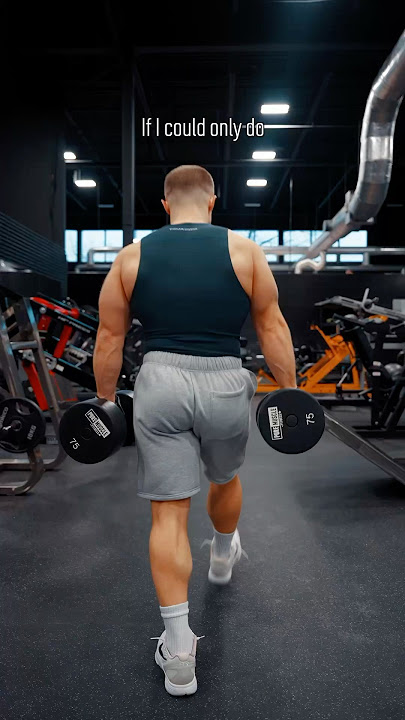
Credit: www.youtube.com
Glute Workout Equipment: What Do You Need?
You can train glutes with various equipment. Here’s what you might use:
- Barbells: For hip thrusts, deadlifts, squats.
- Dumbbells: For lunges, split squats, step-ups.
- Resistance bands: For activation drills, band walks, clamshells.
- Cable machines: For kickbacks, abductions.
- Bench: For hip thrusts, step-ups, split squats.
Home Vs Gym Glute Training
You do not need a gym to build strong glutes. Many exercises are possible at home with minimal equipment.
| Equipment | Home | Gym |
|---|---|---|
| Bodyweight | Yes | Yes |
| Dumbbells | Yes | Yes |
| Barbell | No | Yes |
| Resistance Bands | Yes | Yes |
| Cable Machine | No | Yes |
| Bench | Yes | Yes |
If you train at home, invest in resistance bands and a bench. You can do most glute exercises with just your bodyweight and bands.
Nutrition For Glute Growth
Muscle growth depends on both training and nutrition. Here’s what matters:
- Protein: Eat enough protein to repair and build muscle (about 0.7–1 gram per pound of bodyweight).
- Calories: You need a calorie surplus to gain muscle. If you want to lose fat and build glutes, eat at maintenance or a slight deficit.
- Carbs: Fuel your workouts with healthy carbs like rice, oats, and potatoes.
- Healthy fats: Support hormone health with nuts, eggs, avocado, and olive oil.
- Hydration: Drink plenty of water. Dehydration reduces performance.
Sample Glute-friendly Meal Plan
- Breakfast: Eggs, oatmeal, berries
- Lunch: Chicken, rice, vegetables
- Snack: Greek yogurt, banana
- Dinner: Salmon, sweet potato, green beans
- Post-workout: Protein shake, peanut butter toast
If you struggle to eat enough, try meal prepping. Prepare high-protein meals in advance.
Non-obvious Insight
Many men skip meals after workouts, thinking it will help fat loss. In reality, eating protein and carbs after training is critical for muscle recovery and growth. Another tip: If your glutes are not growing, track your food intake for a week. You may not be eating enough.

Credit: toneopfit.com
Glute Training For Sports Performance
Strong glutes are key for many sports. They help with sprinting, jumping, and quick direction changes. Athletes like sprinters, football players, and basketball players all train their glutes.
How Glutes Help
- Sprint speed: Glutes drive powerful hip extension.
- Jump height: Glutes push you off the ground.
- Change of direction: Glute strength stabilizes your hips.
If you play sports, include glute work in your routine. It reduces injury risk and improves performance.
Practical Example
A football player who adds hip thrusts and split squats to his routine will notice faster sprints and stronger tackles. Runners who train glutes can run longer without hip fatigue.
Glute Workout For Fat Loss
Training your glutes helps burn calories and fat. Large muscles like glutes use more energy. Combine glute workouts with cardio and a healthy diet to lose fat and build muscle.
How To Combine Glute Training With Cardio
- Do glute workouts 2–3 times a week.
- Add cardio sessions (running, cycling) after your glute workout or on separate days.
- Eat a balanced diet to fuel workouts and recovery.
If you want to lose fat, increase daily steps and activity. Glute exercises like walking lunges and step-ups boost calorie burn.
Credit: samarthyaclasses.com
Glute Training For Better Posture
Weak glutes cause poor posture and back pain. Strong glutes keep your hips aligned and support your spine.
Benefits For Desk Workers
If you sit all day, your glutes become weak and tight. This leads to “flat butt syndrome” and lower back pain. Train your glutes to reverse these effects.
- Stand and stretch every hour.
- Do glute bridges and band walks at home.
- Add glute exercises to your weekly routine.
You’ll notice less back pain and better posture after a few weeks.
Tracking Your Glute Progress
How do you know your glutes are growing? There are several ways:
- Strength gains: Are you lifting heavier weights in hip thrusts and deadlifts?
- Visual change: Do your pants fit tighter around your hips and butt?
- Performance: Are you running faster or jumping higher?
- Measurement: Use a tape measure around your hips every month.
It’s normal for progress to be slow. The glutes are a stubborn muscle group. Be patient, and celebrate small wins.
Glute Workout Motivation And Consistency
Staying motivated is a challenge for many men. Here are ways to keep going:
- Set clear goals: “I want to hip thrust 225 pounds” or “I want to improve my sprint speed.”
- Take progress photos: Visual changes help you stay motivated.
- Train with a friend: Competition and support boost results.
- Mix up your routine: Change exercises every month.
Most importantly, remember that glute training helps your whole body. Strong glutes mean stronger lifts, better sports performance, and improved health.
Frequently Asked Questions
How Long Does It Take To See Glute Growth?
Most men notice changes in strength within 4–6 weeks. Visible muscle growth may take 2–3 months. Consistency and good nutrition are key.
Can I Train Glutes Every Day?
It’s better to train glutes 2–3 times per week. Daily training can cause overuse injuries. Muscles need time to recover and grow.
Are Glute Workouts Only For Athletes?
No. Glute workouts benefit everyone. They improve strength, posture, and injury prevention for men of all ages and backgrounds.
What If My Glutes Don't Grow?
Check your workout form, increase your training volume, and make sure you eat enough protein and calories. Also, try new exercises if you plateau.
Where Can I Learn More About Glute Training?
You can find more science-backed information at NCBI - Muscle Activation in Glute Exercises.
Building strong glutes is a journey. With the right exercises, plan, and mindset, you’ll see results. Start your glute workout today, and unlock new strength, power, and confidence.
