

Leg And Glute Workout Gym Female: Sculpt Your Lower Body Fast
Building strong legs and glutes is a top goal for many women at the gym. These muscle groups not only shape your lower body but also play a big role in daily movement, athletic performance, and overall health. From walking and running to lifting and jumping, your legs and glutes provide the foundation.
But with so many exercises and workout plans out there, it can be confusing to know where to begin and how to make real progress.
This guide breaks down everything you need to know about designing and following an effective leg and glute workout for women at the gym. You’ll learn why these muscles matter, how to choose the right exercises, the best training methods, tips for lasting motivation, and common mistakes to avoid. Plus, you’ll find sample workouts, progression strategies, and answers to the most frequent questions women ask about lower body training.
Why Leg And Glute Workouts Matter For Women
Strong legs and glutes are about much more than looks. These muscles are the biggest in your body and help with almost every movement. Training them well brings a range of benefits:
- Improved posture: Glutes help stabilize your hips and lower back, reducing pain and injury.
- Better athletic performance: Powerful legs and glutes boost running speed, jumping height, and overall strength.
- Easier daily activities: Climbing stairs, lifting groceries, and even standing up become easier.
- Increased metabolism: Building muscle burns more calories, even when resting.
- Balanced physique: Toned legs and glutes help shape your body and improve confidence.
Women often worry about "getting bulky" from lifting weights. But due to natural hormone differences, most women build lean, toned muscle instead of large mass. In fact, resistance training is one of the best ways to get the look many women want.
Anatomy Of The Legs And Glutes
Understanding the key muscles helps you choose the right exercises and get better results.
Main Muscles Worked
- Quadriceps: The front thigh muscles, important for knee extension and stability.
- Hamstrings: The back thigh muscles, used in bending the knee and extending the hip.
- Gluteus maximus: The largest glute muscle, responsible for hip extension and shaping the buttocks.
- Gluteus medius and minimus: Side glute muscles, vital for hip stability and outer thigh shape.
- Adductors: Inner thigh muscles, help bring the legs together.
- Calves (gastrocnemius and soleus): Lower leg muscles, important for ankle movement and balance.
How They Work Together
When you squat, lunge, or deadlift, these muscles work in teams. For example, a squat targets your quads, glutes, and hamstrings all at once, while a hip thrust puts extra focus on your glutes. Knowing this helps you plan workouts that hit every part of your lower body.
Key Principles For Effective Leg And Glute Training
Before jumping into exercises, it’s important to understand how to train these muscles for real results.
1. Progressive Overload
To get stronger and build muscle, you need to slowly increase the challenge. This can mean:
- Adding more weight
- Doing more reps or sets
- Using harder exercises
- Slowing down the movement for more control
Without progressive overload, your body adapts and stops changing.
2. Compound Movements First
Compound exercises work multiple muscles at once. These should be the base of your workouts. Examples include squats, deadlifts, lunges, and hip thrusts. They help you lift heavier and burn more calories.
3. Isolation For Details
After your main lifts, add isolation exercises that target one muscle. Think leg curls (for hamstrings), leg extensions (for quads), and glute kickbacks (for glutes). These help shape and strengthen weak spots.
4. Proper Form Over Ego
Using good form is more important than lifting heavy weights. Bad form increases injury risk and reduces results. Always control the movement and focus on the working muscles.
5. Rest And Recovery
Leg and glute muscles need time to repair and grow after hard training. Most women benefit from 1–2 focused sessions per week, with at least 48 hours between sessions.
Essential Leg And Glute Exercises For Women
Choosing the right moves makes your workouts more effective. Here are the most proven exercises for building strong, toned legs and glutes.
Squats
Squats are the king of lower body training. They work your quads, glutes, hamstrings, and even your core.
- Variations: Barbell back squat, goblet squat, sumo squat, front squat.
- Tips: Keep your chest up, knees out, and squat as low as your mobility allows.
Deadlifts
Deadlifts build strength in your hamstrings, glutes, and back.
- Variations: Romanian deadlift, sumo deadlift, conventional deadlift.
- Tips: Keep your back flat and push through your heels.
Hip Thrusts
One of the best exercises to directly target the glutes.
- How to: Sit on the ground with your shoulders against a bench, roll a barbell over your hips, and thrust upward.
- Tip: Focus on squeezing your glutes at the top.
Lunges
Lunges train your quads, glutes, and improve balance.
- Variations: Walking lunge, reverse lunge, Bulgarian split squat.
- Tips: Take long steps and keep your front knee behind your toes.
Leg Press
The leg press machine is great for heavy leg work without stressing your lower back.
- Tip: Place your feet higher for more glutes and hamstrings, lower for more quads.
Step-ups
Step-ups are simple but effective for the glutes and quads.
- How to: Step onto a bench or box, drive through your heel, and bring the other leg up.
- Tip: Use dumbbells for more intensity.
Isolation Exercises
- Leg curl machine: Targets hamstrings.
- Leg extension machine: Focuses on quads.
- Cable glute kickbacks: Isolates glute muscles.
- Seated or standing calf raises: Strengthens calves.
Sample Leg And Glute Workout For Women At The Gym
A good workout mixes compound and isolation exercises, uses different rep ranges, and fits your fitness level. Here’s an example routine for intermediate women. Always warm up for 5–10 minutes before starting.
| Exercise | Sets | Reps | Rest | Main Muscles |
|---|---|---|---|---|
| Barbell Back Squat | 4 | 8–10 | 90s | Quads, Glutes, Hamstrings |
| Romanian Deadlift | 3 | 10–12 | 75s | Hamstrings, Glutes |
| Hip Thrust | 3 | 12–15 | 60s | Glutes |
| Walking Lunge | 3 | 10 each leg | 60s | Quads, Glutes |
| Leg Curl Machine | 3 | 12–15 | 45s | Hamstrings |
| Seated Calf Raise | 3 | 15–20 | 45s | Calves |
Workout Tips
- Start with lighter weights to perfect your form.
- Gradually increase the weight each week if possible.
- Rest as needed, but keep moving to avoid cooling down too much.
- If a machine is busy, swap the order or use an alternative.
How To Progress And Keep Getting Results
Many women see results at first, then hit a plateau. Here’s how to keep improving:
Add Weight Or Reps
Try to add a little more weight or 1–2 extra reps each week. Even small increases add up over time.
Change Your Rep Range
Switch between lower reps (6–8) for strength and higher reps (12–15) for muscle growth.
Mix Up Exercises
Every 6–8 weeks, change your routine to include new moves or different variations. This keeps your body guessing and helps prevent boredom.
Pay Attention To Recovery
Overtraining is real. If you feel tired, sore for days, or lose motivation, take extra rest and focus on sleep, nutrition, and stress.
Common Mistakes Women Make With Leg And Glute Workouts
Even with the best plan, some errors can hold you back. Here are mistakes to watch for:
1. Not Lifting Heavy Enough
Many women stick to light weights for high reps, thinking it will "tone" their legs. But real muscle change happens when you challenge your body with heavier loads.
2. Poor Range Of Motion
Half-squats or shallow lunges limit your gains. Aim for a full range of motion unless you have an injury.
3. Ignoring The Glutes
Focusing only on squats and leg presses can leave your glutes undertrained. Add exercises like hip thrusts and glute bridges for full development.
4. Skipping Warm-ups And Mobility
Warming up increases blood flow and prepares your joints. Skipping this step can lead to poor performance and injury.
5. Not Tracking Progress
Without a workout log, it’s easy to repeat the same weights and reps every week. Track your workouts to see where you can improve.
Cardio And Leg/glute Training: How To Balance
Many women ask if they should do cardio with their strength training. The answer depends on your goals.
- If you want to build muscle, do cardio after your weights or on separate days.
- For fat loss, a mix of both is best. Try high-intensity interval training (HIIT) for quick, effective cardio.
- Too much cardio can reduce muscle gains, so avoid long, daily sessions if muscle growth is your goal.
A good balance is 2–3 leg/glute sessions and 1–2 cardio sessions per week.
Nutrition For Leg And Glute Growth
Training breaks down muscles—nutrition rebuilds them. Here’s what matters most:
Eat Enough Protein
Protein is key for muscle recovery and growth. Aim for at least 0.8 grams per pound of body weight daily. Good sources include:
- Chicken, beef, eggs
- Greek yogurt, cottage cheese
- Beans, lentils, tofu
Don’t Fear Carbs
Carbs fuel your workouts and help muscles recover. Choose whole grains, fruits, and vegetables for lasting energy.
Healthy Fats
Fats support hormones and joint health. Include sources like nuts, seeds, olive oil, and avocado.
Hydration
Dehydration can hurt performance and slow recovery. Drink water before, during, and after your session.
Best Training Splits For Leg And Glute Focus
How often should you train legs and glutes? It depends on your goals, schedule, and recovery.
Full-body Split
- Train 3 days per week.
- Each session includes 1–2 leg/glute exercises.
- Good for beginners or busy women.
Upper/lower Split
- 4 days per week (2 upper body, 2 lower body).
- Allows more focus and recovery for each area.
Glute-focused Split
- 3–4 sessions per week with extra glute exercises.
- Example: Monday (glutes + quads), Wednesday (upper body), Friday (glutes + hamstrings).
Choose a split you can stick with long-term.
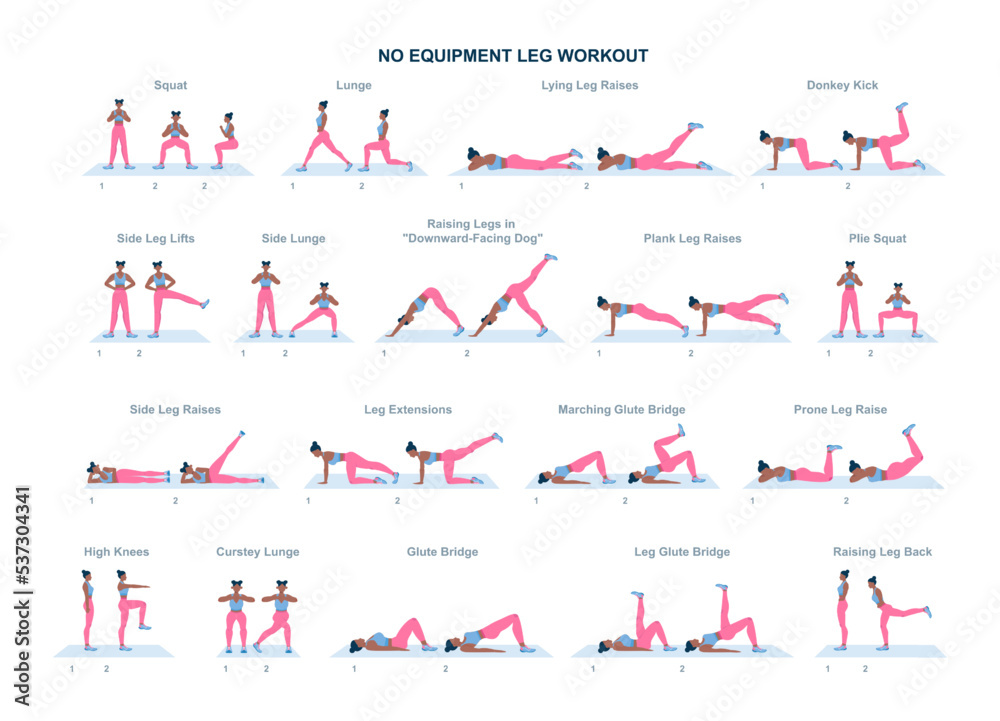
Credit: www.abposters.com
How To Use Machines Vs. Free Weights
Both machines and free weights can work, but they have different pros and cons.
| Method | Pros | Cons | Best For |
|---|---|---|---|
| Free Weights | Works stabilizing muscles, more functional, flexible | Needs more balance, can be harder to learn | Building real-life strength, advanced training |
| Machines | Easy to learn, safer for beginners, less balance needed | Less functional, may not fit all body types | Isolating muscles, rehab, adding volume |
For most women, a mix of both is ideal.
How To Warm Up And Cool Down Properly
Warming up gets your body ready for action and reduces injury risk. Cooling down helps your body recover.
Warm-up (5–10 Minutes)
- Light cardio: Brisk walk, cycling, or step machine
- Dynamic stretches: Leg swings, hip circles, bodyweight squats
Cool Down (5–10 Minutes)
- Light walking or cycling
- Static stretching: Focus on quads, hamstrings, glutes, and calves
Adding foam rolling after your workout can also help reduce soreness.
How Much Rest Do Your Legs And Glutes Need?
Muscles need rest to grow. Training legs and glutes too often can slow your progress or cause injury.
- For most women, 48–72 hours between hard leg/glute sessions works best.
- Listen to your body: Soreness, fatigue, and lack of progress are signs you might need more rest.
- Light activity (like walking or yoga) on "off" days helps recovery.
How To Stay Motivated For Leg And Glute Workouts
Staying consistent is key. Here are some proven ways to keep your motivation high:
- Set clear goals: Write down what you want—stronger legs, more muscle, or better health.
- Track your progress: Use a notebook or app to record weights, reps, and how you feel.
- Find a workout buddy: Training with a friend keeps you accountable.
- Change your routine: New exercises or classes can make things exciting again.
- Celebrate wins: Reward yourself for sticking to your plan, even in small ways.
Two Insights Beginners Often Miss
Mind-muscle Connection
Many women rush through exercises just to finish. But focusing on feeling the target muscle during each movement (the "mind-muscle connection") can boost results. For example, when doing hip thrusts, really squeeze your glutes at the top.
Glute Activation Is Key
The glutes can be "sleepy" from too much sitting. Doing glute activation moves (like banded walks or bodyweight bridges) before your main workout wakes up these muscles for better results. Even five minutes can make a big difference.
Mistakes To Avoid When Choosing A Gym Or Program
With so many gyms and programs available, making the right choice can be tough. Here’s what to look for:
- A gym with enough free weights and machines for lower body training.
- Trainers who can teach proper form.
- Programs that include both compound and isolation moves, not just classes or circuits.
- Avoid programs promising "spot reduction" or fast results with no effort—these are usually misleading.

Credit: www.bibliotecaoscura.com
Example Progression Plan For Beginners
If you’re new to leg and glute training, start simple and slowly build up. Here’s a 4-week progression:
| Week | Focus | Main Exercise | Sets x Reps |
|---|---|---|---|
| 1 | Form & Light Weight | Bodyweight Squat, Glute Bridge | 3 x 12–15 |
| 2 | Add Resistance | Goblet Squat, Dumbbell Deadlift | 3 x 10–12 |
| 3 | Increase Volume | Barbell Squat, Hip Thrust | 4 x 8–10 |
| 4 | Try New Moves | Bulgarian Split Squat, Romanian Deadlift | 3 x 10 each |
Move at your own pace—spend extra weeks on any stage if needed.
Safety Tips And Injury Prevention
Protecting your body is just as important as building muscle. Here’s how to stay safe:
- Always warm up before lifting heavy.
- Start with lighter weights to master technique.
- Use a spotter for heavy barbell lifts.
- Don’t ignore pain—sharp or sudden pain means stop.
- Wear proper shoes with good grip and support.
- Stay hydrated and rest well.
If you have any health conditions, check with your doctor or a certified trainer before starting a new program.
Useful Resources For Deeper Learning
For those interested in the science and background of strength training, resources like the Wikipedia Strength Training page offer detailed explanations and references.
Frequently Asked Questions
What Is The Best Number Of Times Per Week To Train Legs And Glutes For Women?
Most women see great results with 2–3 focused sessions per week. This gives enough frequency for growth but also enough recovery. If you’re new, start with 1–2 sessions, then add more as you get stronger.
Will I Get Bulky From Training Legs And Glutes With Weights?
It’s very unlikely. Most women don’t produce enough testosterone to build large, bulky muscles. Instead, weight training helps create a leaner, more toned look. Nutrition and genetics also play a big role in how your body responds.
How Long Does It Take To See Results From A Leg And Glute Gym Program?
You may notice some changes in strength and how your clothes fit within 4–6 weeks. Visible muscle growth or shape changes often take 8–12 weeks of consistent training, good nutrition, and enough rest.
Should I Use Resistance Bands In My Leg And Glute Workouts?
Resistance bands can be a great addition for glute activation, warming up, and adding extra challenge to exercises like squats, hip thrusts, or kickbacks. They’re also useful if you travel or don’t have access to heavy weights.

Credit: nilds.gov.ng
What Should I Do If I Feel Pain In My Knees Or Back During Leg And Glute Exercises?
Stop the exercise and check your form. Pain usually means something isn’t moving right. Lower the weight, slow down, and focus on technique. If pain continues, see a doctor or physical therapist before continuing your program.
Building strong, toned legs and glutes is possible for every woman with the right plan, effort, and consistency. Start small, progress safely, and enjoy the journey toward a healthier, more confident you.
