

Intense Glute Workout: Sculpt Stronger, Rounder Glutes Fast
Intense Glute Workout: Build Stronger, Rounder Glutes
Strong, well-shaped glutes are more than just a fitness trend. They boost athletic performance, improve posture, and help prevent injuries. Many people spend hours doing squats and lunges, but still struggle to see results. Why? Glutes are large, powerful muscles that need the right mix of intensity, variety, and progression to truly grow and strengthen.
This guide will show you how to train your glutes with focus and purpose. Whether you want to build size, increase strength, or fix muscle imbalances, you will find effective exercises, smart strategies, and science-backed tips. You do not need a gym full of machines to get results, but you do need to challenge your body and avoid common mistakes.
Get ready for a complete, intense glute workout plan. You will learn about the muscles involved, how to activate them, and how to put together a routine that delivers real, visible progress. Let’s dive in and unlock the full potential of your glutes.
Why Train Glutes Intensely?
Many people underestimate the importance of the gluteal muscles. The glutes are actually a group of three muscles: gluteus maximus, gluteus medius, and gluteus minimus. Together, they help you stand, walk, run, jump, and rotate your hips. Training these muscles intensely is important for several reasons:
- Strength and Power: The glutes are the main driver for movements like sprinting and jumping. Strong glutes help you run faster and lift heavier.
- Injury Prevention: Weak glutes often lead to knee pain, lower back pain, and poor balance. Strengthening them can reduce these risks.
- Better Posture: The glutes stabilize your pelvis and spine. Strong glutes support good posture, both when standing and sitting.
- Aesthetic Benefits: Well-developed glutes create a rounded, lifted appearance that many people find attractive.
A common beginner mistake is focusing only on squats or using too little weight. The glutes need targeted, progressive overload to grow. Mixing up angles, rep ranges, and equipment will keep your muscles guessing and force them to adapt.
Anatomy Of The Glutes
Understanding how the glutes work helps you train them smarter. Here’s a quick breakdown:
- Gluteus Maximus: The largest glute muscle, responsible for hip extension (moving the thigh backward), outward rotation, and standing up from a squat.
- Gluteus Medius: Located on the outer side of the hip, it helps with hip abduction (moving the leg away from your body) and stabilizing the pelvis.
- Gluteus Minimus: The smallest, deepest muscle, assisting the medius with abduction and internal rotation.
Most exercises hit all three muscles, but some moves target certain parts more. For example, hip thrusts focus on the maximus, while lateral band walks hit the medius.
Here’s a quick comparison of the three glute muscles:
| Muscle | Main Function | Best Exercise Example |
|---|---|---|
| Gluteus Maximus | Hip extension, outward rotation | Hip Thrust |
| Gluteus Medius | Hip abduction, pelvic stability | Lateral Band Walk |
| Gluteus Minimus | Abduction, internal rotation | Clamshell |
If you want balanced glutes, include exercises that work all three muscles. Always pay attention to your form, as poor technique can shift the work away from your glutes to other muscle groups.
How To Activate Your Glutes
One thing that surprises many people: just because you perform a glute exercise doesn’t mean your glutes are working hard. Many people have “sleepy” glutes due to sitting all day. Their body uses their back or thighs instead.
To really fire up your glutes, start each workout with glute activation exercises. These are simple moves done with bodyweight or light resistance bands to “wake up” the muscles. Some great activation exercises are:
- Glute bridges
- Monster walks (with a resistance band)
- Clamshells
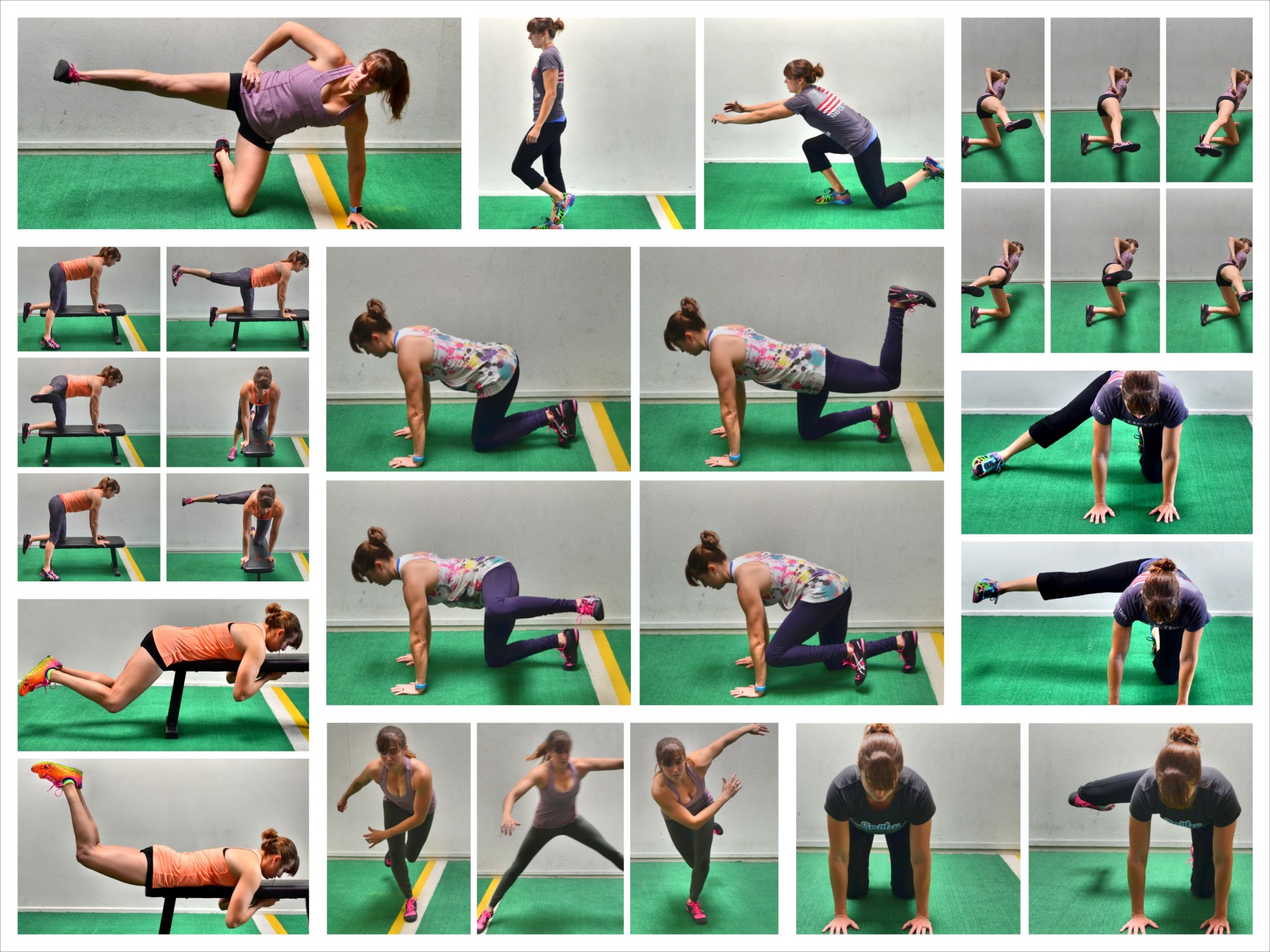
- Donkey kicks
Here’s how to do a basic glute activation warm-up:
- Glute Bridge: Lie on your back, knees bent, feet flat. Push your hips up, squeezing your glutes at the top. Lower slowly. Do 15 reps.
- Monster Walks: Put a resistance band around your knees. Stand with feet hip-width apart, bend knees slightly. Step sideways, keeping tension on the band. Take 10 steps each way.
- Clamshells: Lie on your side, knees bent, feet together. Open your top knee like a clamshell, keeping feet touching. Do 15 reps per side.
Do these before your main workout. You should feel your glutes “burn” or tighten up. If you feel your thighs more than your glutes, check your form or switch to a lighter band.
Two beginner mistakes to avoid: skipping the warm-up or rushing through it. Take your time and focus on the mind-muscle connection.
Key Principles Of An Intense Glute Workout
Anyone can do squats and lunges, but what separates an intense glute workout from a basic one? Focus on these principles:
Progressive Overload
To build muscle, you need to challenge your glutes. This means lifting heavier weights over time, doing more reps, or increasing the difficulty of exercises. Track your progress each week.
Multiple Angles
Glutes are large muscles that respond to variety. Use exercises that work from different angles: hip thrusts, step-ups, deadlifts, and abductions.
Full Range Of Motion
Move through the full range for each exercise. For example, in a squat, go low enough that your thighs are at least parallel to the floor.
Mind-muscle Connection
Think about squeezing your glutes during each movement. Don’t let your back or quads take over. Slowing down the movement can help you feel your glutes working.
Recovery
Glutes need time to recover. Train them 2-3 times per week, with at least one rest day in between hard sessions.
Intense Glute Workout Routine
Ready to put it all together? Here’s a sample intense glute workout. You can do this at the gym or at home (with some equipment).
Warm up with 5-10 minutes of light cardio (like brisk walking) and 2-3 glute activation exercises.
Main Workout
Repeat this routine 2-3 times per week. Rest 60-90 seconds between sets.
- Barbell Hip Thrusts
- 4 sets of 8-12 reps
- Focus on squeezing your glutes at the top. Use a pad for comfort.
- Bulgarian Split Squats
- 3 sets of 10 reps per leg
- Keep your front knee over your ankle. Hold dumbbells for extra weight.
- Romanian Deadlifts
- 4 sets of 8-10 reps
- Keep your back flat and push your hips back.
- Cable Kickbacks
- 3 sets of 12-15 reps per leg
- Use slow, controlled movements.
- Step-Ups
- 3 sets of 10 reps per leg
- Step onto a bench or sturdy box. Add weights for intensity.
- Banded Lateral Walks
- 3 sets of 15-20 steps each way
- Use a resistance band above the knees.
- Frog Pumps
- 3 sets of 20 reps
- Lie on your back, put feet together with knees out, and push hips up.
Cool down with stretching for your glutes, hamstrings, and hips.
Workout Structure Comparison
Here’s a look at how training frequency and volume can change your results:
| Training Days/Week | Total Sets/Week | Expected Progress |
|---|---|---|
| 1 | 10-12 | Slow |
| 2 | 18-24 | Moderate |
| 3 | 25-32 | Faster (with proper recovery) |
More is not always better. If you train glutes hard three times a week, make sure you sleep well and eat enough protein for muscle repair.
Exercise Explanations And Tips
Let’s dig deeper into each exercise and how to do them for maximum glute activation.
Barbell Hip Thrusts
This is a king of glute exercises. Sit on the floor with your upper back against a bench, barbell over your hips. Plant your feet, drive through your heels, and push your hips up until your body forms a straight line from shoulders to knees.
Squeeze your glutes at the top, then lower with control.
Tips: Keep your chin tucked. Use a pad or towel for comfort. Avoid arching your lower back. If you’re new, start with just your bodyweight.
Bulgarian Split Squats
Stand in front of a bench, place one foot behind you on the bench, and squat down with your front leg. This move hits your glutes and quads, but if you lean forward slightly and drive through your heel, you’ll feel it more in your glutes.
Tips: Go slow. Keep your front knee over your ankle. Don’t let your back knee slam into the ground.
Romanian Deadlifts
Hold a barbell or dumbbells. Keep knees slightly bent, back flat, and lower weights by pushing your hips back. You should feel a stretch in your hamstrings and glutes. Stand up by driving your hips forward.
Tips: Don’t round your back. Move from the hips, not your lower back. Use moderate weight to start.
Cable Kickbacks
Attach an ankle strap to a cable machine. Stand tall, kick your leg back and up, squeezing your glute. Keep your core tight.
Tips: Don’t swing your leg. Pause at the top for extra burn.
Step-ups
Step up onto a bench or box, pushing through your heel to stand up. Lower down with control.
Tips: Use a box that is knee-height or slightly lower. Hold dumbbells for added challenge.
Banded Lateral Walks
Place a resistance band just above your knees. Stand with feet hip-width apart, squat slightly, and step sideways, keeping tension on the band.
Tips: Don’t let your knees collapse inward. Stay low for more intensity.
Frog Pumps
Lie on your back, soles of feet together, knees out. Push hips up as high as you can, squeezing your glutes.
Tips: Do high reps for a pump. This is a great finisher.
Home Vs. Gym: Glute Training Tools
You do not need a gym to build strong glutes, but equipment adds options. Here’s a look at common tools and what they offer:
| Equipment | Advantages | Best For |
|---|---|---|
| Bodyweight | Convenient, no cost | Beginners, travel |
| Resistance Bands | Portable, adds tension | Activation, home workouts |
| Dumbbells | Easy to increase weight | Split squats, step-ups |
| Barbell | Heaviest load, progressive overload | Hip thrusts, deadlifts |
| Cable Machine | Constant tension | Kickbacks, abductions |
| Bench/Box | Variety of exercises | Step-ups, hip thrusts |
If you train at home, invest in a set of mini bands and one or two heavy dumbbells. Most glute exercises can be done with these tools.
Advanced Strategies For Even More Intensity
If you’ve hit a plateau, or want to accelerate your glute growth, try these advanced techniques:
1. Slow Eccentrics
Lower the weight slowly (3-5 seconds) during the lowering phase of an exercise, like the descent of a squat or hip thrust. This increases muscle tension and leads to more growth.
2. Paused Reps
Hold the hardest part of the move (like the top of a hip thrust) for 2-3 seconds. This increases time under tension.
3. Drop Sets
After your last set, reduce the weight and do more reps until you can’t do any more. This pushes your glutes to the limit.
4. Single-leg Variations
Exercises like single-leg hip thrusts or split squats force each side to work alone, fixing imbalances and increasing intensity.
5. Giant Sets
Combine three or more glute exercises back-to-back with little rest. For example: hip thrusts, banded walks, and frog pumps.
Non-obvious tip: Don’t add all these methods at once. Pick one, use it for 3-4 weeks, then switch. Too much intensity can lead to overtraining.

Credit: www.youtube.com
Nutrition For Glute Growth
Even the best workout will not build muscle if you don’t eat enough. Here’s what matters most:
- Protein: Aim for at least 0.7 grams per pound of bodyweight daily. Good sources: chicken, fish, eggs, Greek yogurt, tofu.
- Carbs: Fuel your workouts and help with recovery. Eat whole grains, fruit, and vegetables.
- Healthy Fats: Needed for hormones. Eat nuts, seeds, olive oil, avocado.
- Water: Muscles need to stay hydrated to perform and recover.
If your goal is to grow your glutes, eat in a small calorie surplus (about 200-300 extra calories per day). If you want to shape and tone without gaining size, keep calories at maintenance level.
Don’t skip meals after workouts. This is the best time to eat protein and carbs to help your glutes repair and grow.
Common Mistakes And How To Fix Them
Most people make at least one of these mistakes when training glutes. Avoid them for better results:
- Using Too Little Weight: Glutes are strong muscles. Use enough resistance to challenge yourself.
- Poor Form: Leaning too far forward in squats or rounding your back in deadlifts takes work away from your glutes.
- Neglecting Mind-Muscle Connection: Focus on actually squeezing your glutes, not just moving the weight.
- No Variety: Doing only squats won’t hit all parts of the glute. Use different exercises.
- Not Resting Enough: Glutes need time to recover. Training them every day can lead to overuse injuries.
- Skipping Activation: If your glutes aren’t firing, other muscles will take over.
- Ignoring Nutrition: Without enough food, your muscles can’t grow.
Non-obvious insight: Many people think soreness means progress. But some of the best glute workouts give little soreness but huge results. Focus on strength and shape, not just how tired you feel.
How To Track Your Glute Progress
Progress is not just about what you see in the mirror. Here’s how to measure real improvement:
- Strength Gains: Are you lifting more weight or doing more reps? Write down your numbers.
- Muscle Size: Take measurements around your hips and glutes every 4-6 weeks.
- Photos: Take pictures every month from the same angle and lighting.
- Performance: Are you jumping higher, running faster, or feeling stronger in other lifts?
- Mind-Muscle Connection: Do you feel your glutes working more during exercises?
If you’re not seeing progress after 6-8 weeks, change your routine. Add weight, swap exercises, or adjust your nutrition.
Glute Workout For Different Goals
Your glute workout should match your main goal. Here are some tweaks:
For Strength
- Use heavier weights (4-8 reps per set)
- Focus on hip thrusts, deadlifts, and squats
For Size (hypertrophy)
- Use moderate weights (8-15 reps per set)
- Include both compound and isolation exercises
- Higher volume (more sets)
For Endurance And Tone
- Use lighter weights or bodyweight (15-25 reps per set)
- Shorter rest periods
- More circuit-style training
Example: If you want bigger glutes, spend most of your time on hip thrusts, squats, and split squats with enough weight to make the last reps hard.
Glute Training For Men Vs. Women
Both men and women benefit from strong glutes, but they often have different goals. Women may focus more on shape and roundness, while men might seek power and size. The basic exercises are the same, but women may add more isolation moves (like kickbacks) and higher reps for “pump” work.
Men often skip glute isolation, but this is a mistake. Strong glutes help with deadlifts, sprints, and injury prevention.
Sample Weekly Glute Workout Plan
Here’s a sample three-day glute routine. Adjust weights and sets as needed.
Day 1 (Heavy)
- Barbell Hip Thrusts: 4x8
- Bulgarian Split Squats: 3x10 per leg
- Romanian Deadlifts: 4x8
Day 2 (Moderate/Volume)
- Dumbbell Step-Ups: 3x12 per leg
- Banded Lateral Walks: 3x20 steps
- Cable Kickbacks: 3x15 per leg
- Frog Pumps: 3x25
Day 3 (Mixed)
- Single-Leg Hip Thrusts: 3x10 per leg
- Reverse Lunges: 3x12 per leg
- Clamshells: 3x20 per side
Always include activation drills before each session and stretching after.

Credit: samarthyaclasses.com
Glute Recovery And Mobility
Intense glute training is hard on your body. Recovery is just as important as the workout itself. Tips for faster, better recovery:
- Sleep: Aim for 7-9 hours per night.
- Stretching: After your workout, stretch your glutes, hip flexors, and hamstrings.
- Foam Rolling: Rolling your glutes and thighs can reduce tightness.
- Active Recovery: Light walking, yoga, or swimming on rest days helps blood flow.
- Nutrition: Eat enough protein and carbs after workouts.
If you feel pain (not just soreness), take extra rest. Overtraining can set you back weeks.
When To Change Your Glute Routine
Change is key for continued results. Signs you need a new routine:
- Progress stalls for 3-4 weeks (no strength or size increase)
- Workouts feel too easy or boring
- You stop feeling your glutes working
Change one or two things at a time: new exercises, more weight, higher reps, or different order.
Real Results: What To Expect
With an intense, smart glute workout, most people see some changes within 4-8 weeks. Strength usually improves first, then shape and size. Visible muscle growth takes time, especially if you’ve trained glutes before.
Example: After two months, you may lift 30% more in hip thrusts, run faster, and notice your jeans fit differently.
Non-obvious tip: Don’t compare your progress to social media. Genetics, diet, and starting point matter. Stay consistent and focus on getting stronger.
For more in-depth research and glute training science, visit this NIH research article.
Frequently Asked Questions
How Often Should I Train My Glutes?
For most people, 2-3 times per week is ideal. This gives enough stimulus for growth, with time to recover. If you feel very sore after each session, add an extra rest day.
What If I Only Feel My Quads Or Hamstrings Working?
This is common, especially for beginners. Focus on glute activation before your main workout. Slow down your reps, and think about squeezing your glutes. Reduce the weight if your form breaks down.
Can I Grow My Glutes Without Weights?
Yes, you can make progress with bodyweight and resistance bands, especially if you are a beginner. For long-term growth, adding weight (dumbbells or barbells) is best.
How Long Until I See Results From Glute Training?
Most people notice strength and muscle tone changes in 4-8 weeks with consistent, intense training. Visible size changes can take longer, depending on genetics and nutrition.
Are Squats Enough For Glute Growth?
Squats are great, but not enough. They mostly work your quads and only some parts of your glutes. For best results, include hip thrusts, deadlifts, and isolation moves in your routine.
Building stronger, rounder glutes takes patience and smart effort. Focus on intensity, variety, and recovery. Track your progress, adjust as needed, and enjoy the journey to your best glutes ever.
Credit: samarthyaclasses.com
